

Introduction
In the world of roofing, roof jacks are essential tools that help keep workers safe and productive during repairs, maintenance, or construction tasks.
These jacks serve as important supports for staging and scaffolding on sloped roofs. They create a stable and secure platform, making it easier for workers to move safely across the roofing area.
This overview of roof jacks will highlight their importance. We will discuss the different types, installation procedures, maintenance tips, signs that indicate when to replace them, and financial considerations.
What is a Roof Jack?
A roof jack is a metal bracket or support designed to attach to the slope of a roof. By securing these jacks to the roof’s framework, they create a flat, stable area for placing planks or boards.
This temporary setup greatly reduces the risk of slips or falls, making it a must-have tool for any roofing project on sloped surfaces.
Importance in Roofing Projects
The importance of roof jacks is hard to overstate. They not only improve the safety of roofing workers but also enhance the efficiency and quality of their work.
A stable platform allows workers to focus on their tasks without worrying about losing their balance. This leads to quicker project completion and better craftsmanship.
In This Article
We will dive into the details of roof jacks, covering:
- Different Types of Roof Jacks: Learn about the various options available and how to choose the right one for your project.
- Installation Process: A step-by-step guide to safely and effectively installing roof jacks.
- Maintenance Tips: Helpful strategies for keeping your roof jacks in good condition for long-lasting use.
- Signs of Replacement: How to tell when it’s time to replace your roof jacks to prevent accidents or inefficiencies.
- Cost Considerations: An overview of the costs involved in buying or renting roof jacks for your projects, helping you budget effectively.
This comprehensive guide aims to equip you with the knowledge you need to use roof jacks effectively. This way, your roofing projects can be done safely, efficiently, and to a high standard. 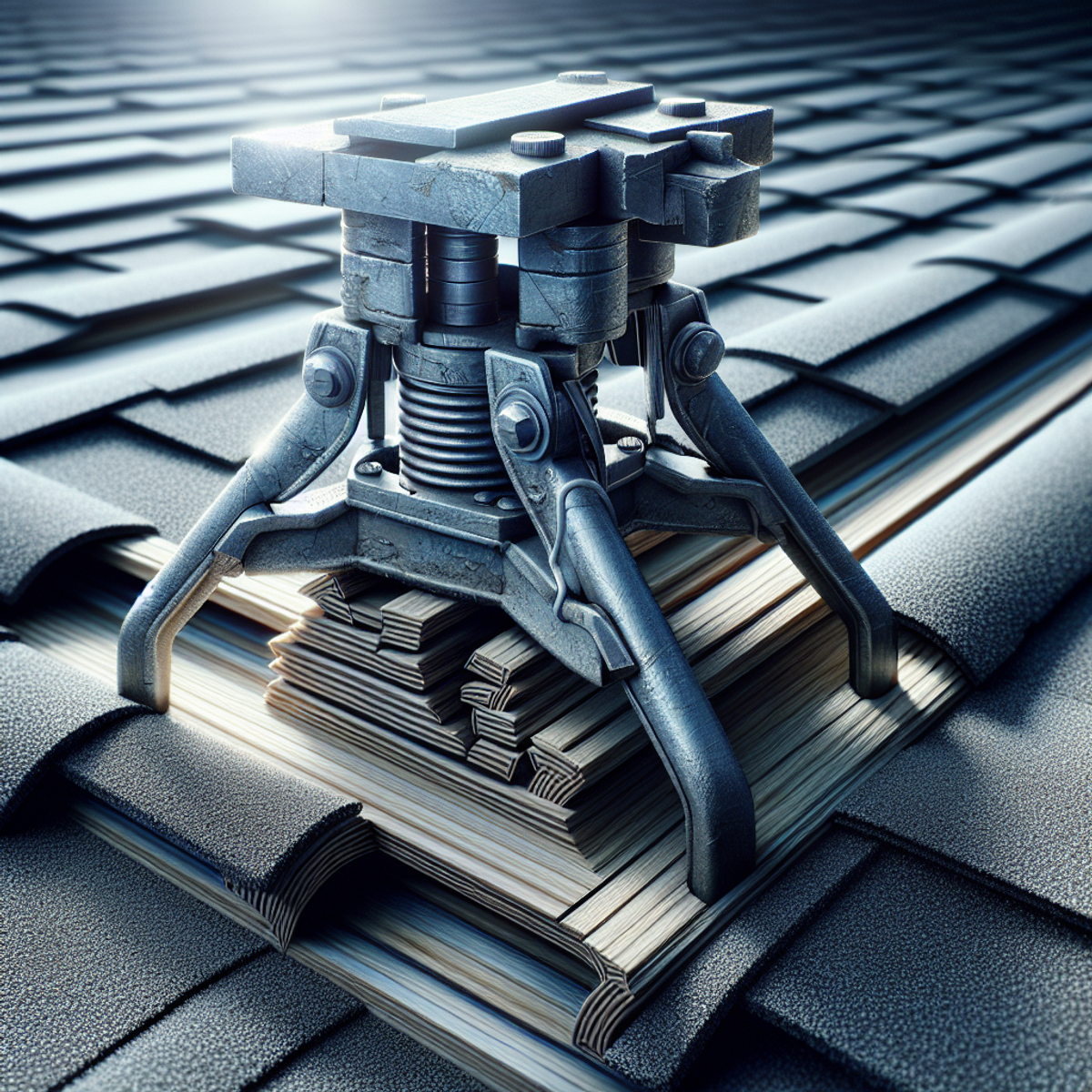
Understanding Roof Jacks: Function and Importance
Roof jacks play a key role in keeping roofing systems efficient and strong, but many people overlook their importance.
These handy tools are designed to create a watertight seal around pipes and vents that stick out of the roof. This helps stop leaks that could cause serious damage over time.
Besides preventing leaks, roof jacks also help with proper ventilation in the roofing system. This ensures that exhaust vents work well.
Their ability to prevent leaks and improve ventilation shows just how essential roof jacks are for both homes and businesses.
What Are Roof Jacks?
Roof jacks are specially made devices that fit around pipes, vents, or other things sticking out of the roof. Their main job is to create a seal that keeps water from getting in around these openings.
This seal is made using a smart mix of materials and design that blends in with the roof’s structure, making sure water is directed away from any openings.
The Dual Function: Preventing Leaks and Facilitating Ventilation
Roof jacks do more than just stop leaks; they are also key for proper roof ventilation. Exhaust vents need roof jacks to keep water out while allowing air to flow freely, which helps remove hot air and moisture from attics or living spaces.
Good ventilation is essential for maintaining a healthy roofing system, helping to prevent issues like mold growth, wood decay, and problems with heating and cooling.
Protecting the Roof’s Integrity and Longevity
By stopping moisture damage and ensuring good ventilation, roof jacks play a big part in keeping the roofing system strong and lasting. Water getting in can cause many problems, like structural damage, insulation issues, and water damage inside the building.
Also, poor ventilation can speed up the wear and tear of roofing materials, reducing the roof’s effectiveness and lifespan.

The Crucial Role of Roof Jacks
Understanding what roof jacks do and why they matter is important for homeowners, building managers, and roofing pros. Being able to spot signs of worn-out roof jacks, like visible damage, leaks, or broken seals, is crucial for timely repairs and replacements.
Installing and maintaining roof jacks properly is essential for protecting the roof from damage, which in turn safeguards the building’s interior and supports a healthy, efficient roofing system.
Roof jacks are not just extras in roofing; they are vital parts that protect against leaks, ensure good ventilation, and greatly improve the roof’s durability. Their role in keeping the roof’s structure and performance strong is very important, highlighting the need to prioritize roof jacks in roofing maintenance and care.
Exploring the Various Types of Roof Jacks
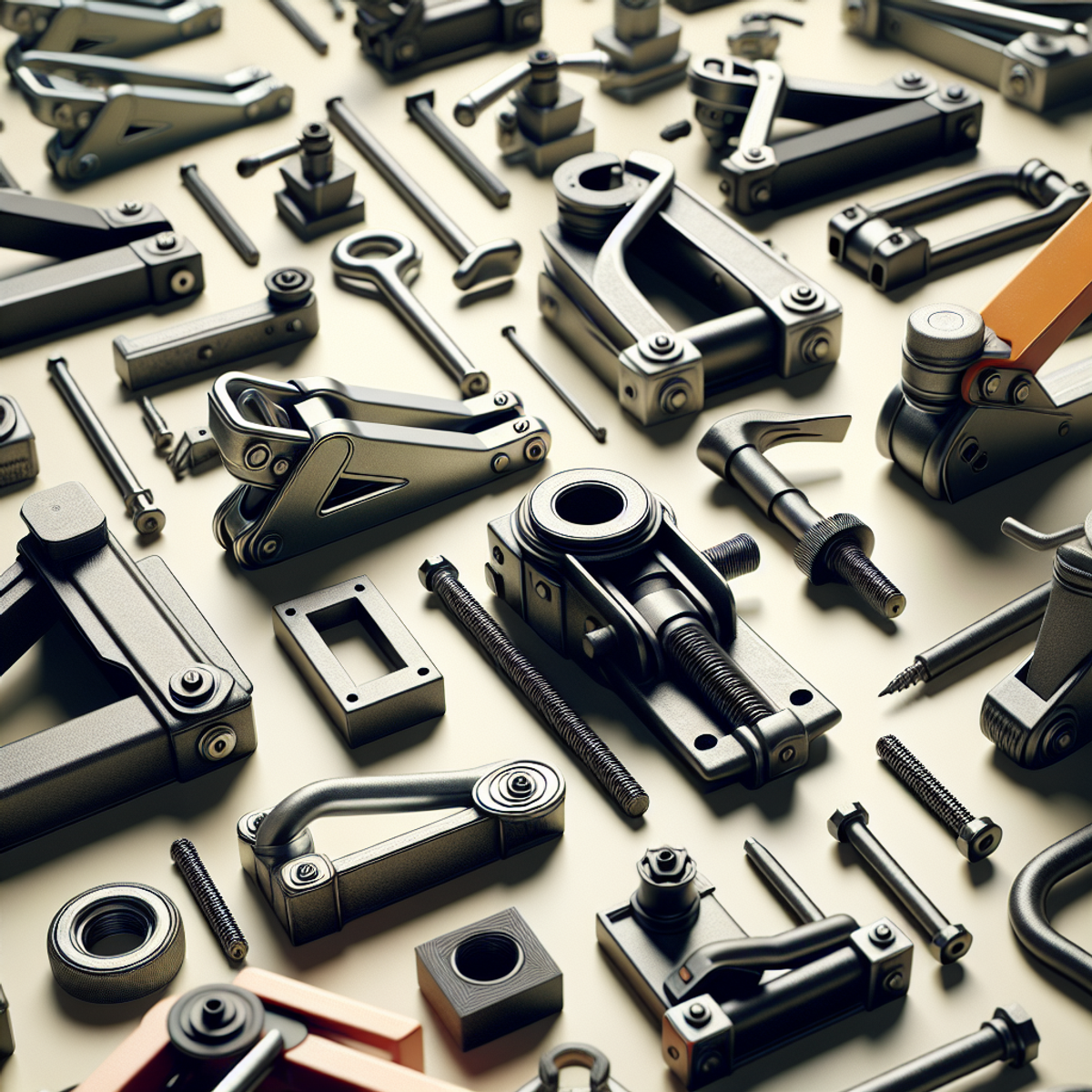
Picking the right roof jacks for your roofing project depends a lot on the materials they’re made from. This choice affects how well they work, how long they last, and how they handle different weather conditions.
Roof jacks come in many materials, each with its own perks and drawbacks. Getting to know these different types can help you make a smart choice that fits your roofing needs informed decision on the best fit.
1. Metal Roof Jacks: Strength and Weather Resistance
Metal roof jacks are well-known for their strength and ability to handle tough weather. Made from materials like galvanized steel or copper, these jacks are built to last and resist wear and tear. They stand up to corrosion, UV rays, and extreme temperatures, making them a great choice for areas with harsh climates.
- Advantages of Metal Roof Jacks:
- Exceptional Durability: Metal roof jacks are built to last can handle extreme weather without losing its strength.
- Weather-Resistant: These jacks are designed to withstand UV rays, rain, snow, and wind, which helps them last longer.
- Versatility: Available in different metals like aluminum, galvanized steel, and copper, each offers unique benefits in weight, corrosion resistance, and looks.
2. Plastic Roof Jacks: Lightweight and Economical
Unlike metal options, plastic roof jacks are lightweight and budget-friendly. Usually made from high-quality, durable plastic, these jacks can work well in various weather conditions. However, they might not last as long or be as tough as metal jacks.
- Benefits and Limitations of Plastic Roof Jacks:
- Lightweight Design: Their lighter weight makes them easy to handle and install, saving you time and effort.
- Cost-Effective: Generally cheaper than metal options, making them a smart choice for many projects.
- Potential Limitations: While modern plastics are made to be durable, they might not resist weather as well or last as long as metal jacks, especially in tough conditions.
3. Other Material Options: Aluminum, Galvanized Steel, and Copper
Besides the basic types of metal and plastic, roof jacks can also be made from specific materials like aluminum, galvanized steel, and copper. Each has its own unique features:
- Aluminum Roof Jacks: Known for being lightweight and resistant to corrosion, they work well in coastal areas.
- Galvanized Steel Roof Jacks: These offer a good mix of durability and cost, with a zinc coating that adds extra protection against rust.
- Copper Roof Jacks: Famous for their durability and beautiful look, copper develops a patina over time that adds to the roof’s charm.
When choosing the best roof jack for your project, consider the specific needs of your roofing environment. Think about exposure to the elements, your style preferences, and your budget. Weighing the pros and cons of each material will guide you in choosing roof help you pick jacks that keep your roof safe, perform well, and last a long time, protecting both your roof and what’s underneath it.
Installing Roof Jacks: A Step-by-Step Guide
Installing roof jacks the right way is super important. It helps make sure they work well, gives you a safe place to work, and stops leaks around where things go through the roof. While the steps might change a bit depending on the type of roof jack, sticking to some basic guidelines can help you get it right. Always follow the manufacturer’s instructions or think about getting a pro to help, especially if you’re not used to roofing or working up high. Here’s a simple guide to help you with the installation:
Step 1: Preparing for Installation
- Prioritize Safety: Make sure to wear safety gear like a harness, gloves, and shoes that won’t slip.
- Gather Tools and Materials: Get all the tools and materials you need, such as a hammer, nails, roofing cement, a caulk gun, and the roof jack.
Step 2: Measuring and Marking
- Determine the Installation Location: For vent or pipe jacks, measure the opening or the top of the vent pipe where the roof jack will go.
- Mark the Installation Area: After you find the right spot, clearly mark it to help guide your installation.
Step 3: Positioning the Roof Jack
- Align the Roof Jack: Place the roof jack over the vent pipe or the marked area, making sure it fits snugly with the flashing lying flat against the roof.
- Secure the Jack: According to the manufacturer’s instructions, fasten the roof jack to the roof using roofing nails or screws. Make sure it’s tight to avoid any movement.
Step 4: Sealing and Waterproofing
- Apply Roofing Cement: Put roofing cement under the edges of the flashing to create a waterproof seal. Be generous but careful, ensuring you cover everything without going overboard.
- Use Caulk: Apply caulk around the vent pipe or the edges of the roof jack where it meets the roof to strengthen the waterproof seal.
Step 5: Final Inspection and Cleanup
- Review Your Work: Check your installation carefully to make sure the roof jack is securely attached and sealed. Look for any gaps or spots that might let water in.
- Clean Up: Remove any debris, tools, or materials from the roof to keep your work area neat.
Hiring a Professional: A Recommended Approach
While doing it yourself can be tempting, getting help from a pro is really valuable. Experienced roofers have the skills, tools, and know-how to install roof jacks safely and correctly. They can spot any potential problems with the roof that might affect the installation and make sure everything is done right the first time. This can help you avoid future issues and save on repairs.
Emphasizing Proper Installation
How well roof jacks protect your roof and provide a safe working area depends a lot on how correctly they are installed. By making sure roof jacks are securely fastened and well-sealed, you can reduce the chances of leaks or damage to your roof.
Whether you decide to do this project yourself or hire someone, understanding and following these steps is key for a successful installation. This will help your roof jacks work well and last a long time.
Essential Maintenance Tips for Roof Jacks
Taking care of your roof jacks is super important to help them last longer and work better. Just like any part of your roof, roof jacks roof jacks need regular checks and cleaning to avoid damage and keep them strong.
If you ignore maintenance, problems can pop up, like debris or moss building up. This can make your roof jacks less effective and could lead to costly repairs if not fixed quickly. Here are some key maintenance tips for roof jacks:
1. Performing Routine Inspections
Regular inspections are a must for keeping your roof jacks in good shape. By checking them often, you can spot any early signs of wear, rust, or damage.
- How to Inspect Roof Jacks:
- Visual Inspection: Look for any rust, corrosion, or damage on both metal and plastic parts.
- Check the Seal: Make sure the sealant around the jacks is intact and free from cracks or gaps that could let water in.
- Stability: Ensure that the roof jack is securely fastened to the roof and hasn’t come loose over time.
2. Cleaning and Clearing Debris
Keeping roof jacks free of debris like leaves, twigs, and moss is crucial for their performance and to prevent water from pooling.
- Tips for Safe Cleaning:
- Use Soft Tools: Clean the roof jacks and their area with a soft brush or cloth to avoid damaging them.
- Gentle Washing: If needed, wash the area gently with a mild soap solution or a hose on low pressure.
- Avoid Harsh Chemicals: Stay away from strong chemicals or abrasive cleaners that could hurt the roof jack’s material or the roof itself.
3. Protecting from Debris and Moss Growth
It’s important to take steps to stop debris and moss from building up so your roof jacks can work well over time.
- Trim Overhanging Branches: Cut back any branches that hang over your roof to reduce debris.
- Use Moss Removers: If moss is a problem, think about using a moss removal solution that is safe for your roofing product, following the instructions on the label.
- Ensure Good Ventilation: Good ventilation in your roof and attic can help reduce moisture, which encourages moss and algae growth.
The Importance of Regular Maintenance
Regular maintenance not only helps roof jacks last longer but also boosts their performance. This ensures they effectively protect your roof from leaks and damage. Ignoring maintenance can lead to roof jack failure, causing leaks that could seriously harm both your roof and the inside of your home or building.
By making these maintenance practices part of your routine, you can keep your roof jacks in great shape. This will help protect your roof for years. If you’re unsure about how to do maintenance or repairs, it’s always smart to consult a professional roofing contractor to make sure the job is done safely and correctly.
Signs That Your Roof Jacks Need Replacement
It’s important to know when to replace your roof jacks to keep your roofing system in good shape. These parts are key for sealing around vent pipes and exhaust vents, stopping water from getting in and making sure there’s enough airflow.
Over time, things like weather exposure and material wear can cause roof jacks to break down. This can lead to big problems like leaks, water damage, and poor ventilation. Here are some signs that show your roof jacks might need replacing and why fixing these issues quickly is so important.
1. Exhaust Issues
If you notice strange smells or fumes in your home that seem to come from the exhaust vents, your roof jacks might be failing. Damaged roof jacks can let exhaust gases leak into your attic or living spaces instead of venting them outside.
2. Leaks in Attic or Ceiling
Finding leaks in your attic or ceilings, especially near the vent pipes, is a strong sign that your roof jacks need to be replaced. This usually means the seal around the jacks has broken, allowing water to seep into your home.
3. Visible Water Damage
If you see signs of water damage near your roof jacks, like stained ceilings, peeling paint, or mold, it’s a clear indicator of a problem. Even if there are no active leaks, this damage shows that moisture is getting in around the jacks, which means they need to be replaced.
4. Physical Damage to Roof Jacks
Take a close look at your roof jacks for any visible wear, such as cracks, rust, or corrosion. This kind of physical damage can weaken the jacks, making it harder for them to seal properly and withstand bad weather.
Why Timely Replacement is Crucial
If you ignore the signs that your roof jacks need replacing, it can lead to bigger damage to your roof and your home’s interior. Ongoing exhaust problems can be a health risk, and constant leaks can cause structural issues, mold growth, and damage to insulation and interior finishes. Replacing worn roof jacks on time is essential to:
- Prevent further water damage: Fixing the issue quickly can save you from costly repairs to your home’s structure and inside.
- Ensure proper ventilation: Replacing faulty roof jacks helps maintain the effectiveness of your home’s ventilation system, reducing the chance of moisture problems and improving indoor air quality.
- Protect your home’s integrity: Keeping your roofing system in great shape shields your home from the weather and helps maintain its value.
Being aware of these signs and acting quickly to replace damaged or worn roof jacks can help you avoid bigger issues later on. If you’re unsure about the condition of your roof jacks or how to replace them, it’s a good idea to talk to a professional roofing contractor.
They can give you a detailed assessment and make sure new roof jacks are installed properly, keeping your home safe from leaks and ventilation problems.
Evaluating Costs: Key Considerations and Analysis
When it comes to roof maintenance and repair, understanding the costs of important parts like roof jacks is super important. These devices help keep your roof in good shape by ensuring proper sealing and ventilation. So, a good cost analysis should look at not just the initial price but also any potential savings or expenses down the road.
Here are some key factors to think about when checking the cost-effectiveness of roof jack options:
1. Initial Purchase Price vs. Long-Term Savings
The upfront cost of roof jacks can vary a lot based on things like material, design, and brand. It might be tempting to go for the cheapest option, but it’s important to think about how long the roof jacks will last. Choosing better quality materials might cost more at first, but it can save you money in the long run by reducing the need you’d spend on replacements and repairs.
2. Material Compatibility
It’s crucial to make sure the materials of your roof jacks match your roofing type and local climate. Different materials like metal, plastic, aluminum, or copper have varying levels of resistance to things like weather, UV rays, and rust. Picking a material that works well with your roofing system and can handle local conditions is key to making your roof jacks last longer and avoiding extra costs from early failures or damage.
3. Consulting Professional Roofers
Talking to professional roofers can give you great insights into the most cost-effective roof jack options for that fit your specific needs. Experts can provide accurate cost estimates and suggest high-quality roof jacks that suit your roof’s unique requirements. Their experience can help you navigate the many options available, ensuring you make a smart choice based on both cost and performance.
4. Evaluating Cost-Effectiveness
When figuring out the cost-effectiveness of different roof jack options, keep these factors in mind:
- Long-Term Durability: Pick materials known for their strength and ability to handle environmental challenges.
- Compatibility: Make sure the roof jacks match your roofing materials and design to avoid problems that could lead to costly fixes or replacements.
- Installation Costs: Don’t forget to include the cost of professional installation in your budget. If roof jacks aren’t installed properly, it can lead to leaks and damage, wiping out any initial savings.
5. The Importance of Professional Installation
While doing it yourself might seem cheaper at first, the benefits of hiring skilled roofing pros for installation or replacement of roof jacks cannot be overstated are huge. Professionals make sure the installation is done right, which boosts the effectiveness and lifespan of the roof jacks. Although this might mean higher upfront costs, professional installation can help you avoid costly repairs and extend the overall life of your roofing system, giving you better value in the long run.
When looking at roof jack options, it’s important to do a thorough cost analysis that goes beyond just the initial price. By checking material compatibility, consulting with roofing experts, and considering long-term durability and cost-effectiveness, you can make a smart decision.
Investing in quality materials and professional installation can lead to big savings over time, keeping your roofing system secure, functional, and leak-free.
Conclusion
As we wrap up our look at roof jacks, it’s clear that these tools are key players in roofing projects, not just extras. They provide crucial support that boosts stability and safety, especially for workers on sloped roofs. Whether you’re a homeowner tackling repairs or a contractor working on roofing jobs, understanding the basics of roof jacks is important for making smart choices about how to use, install, and maintain them.
The Importance of Roof Jacks
Roof jacks are vital for keeping your roofing system strong and reliable. They offer a safe platform for workers and help protect the roof by making sure exhaust vents and pipes are sealed properly to avoid leaks. Choosing the right materials for roof jacks—like metal or plastic—and ensuring they are installed and maintained correctly can really affect how long your roof lasts and how well it works.
Safety and Proper Installation
Safety is super important when it comes to roofing work. Roof jacks help keep the workplace safe by providing solid support, which reduces the chances of falls and injuries. It’s essential to have roof jacks installed by trained professionals to ensure they work well and protect both the workers and the roof itself.
Regular Inspection and Maintenance
To keep roof jacks working effectively, regular inspections and maintenance are a must. This proactive approach can stop small issues from turning into big problems, helping your roof last longer and saving you money on repairs. Keep an eye out for signs of wear, damage, or loose parts, and take action quickly to fix any issues.
Seeking Professional Assistance
While DIY projects can be fun, installing, inspecting, and maintaining roof jacks is best left to the pros. Roofing experts have the skills and knowledge needed to make sure your roof jacks are set up and cared for properly, giving you peace of mind and protecting your investment in your home’s roof.
Further Resources
If you want to learn more about roof maintenance and tools, checking out additional articles and resources can be really helpful. These materials can offer great tips on best practices for roof care, new roofing technologies, and ways to make your roofing system last longer.
In the end, roof jacks are essential tools that greatly improve the safety, strength, and longevity of roofing projects. By focusing on the right choices for selecting, installing, and maintaining roof jacks, homeowners and contractors can ensure that roofing tasks are done safely and efficiently. Remember, taking the time to follow the right steps can save you both time and money while keeping a solid roof over your head for years to come.
FAQ
Can I use roof jacks on steep roofs?
Roof jacks designed for steep pitches offer better stability and safety for workers on inclined surfaces.
What safety gear should I use when working with roof jacks?
Wearing a harness, non-slip footwear, and a hard hat is essential for safety while using roof jacks on a roofing project.
How do I store roof jacks when not in use?
Store roof jacks in a dry, sheltered area to prevent rust and damage, keeping them in good condition for future use.
Can roof jacks be used with other roofing tools?
Roof jacks work well with ladders and scaffolding, enhancing safety and accessibility during roofing tasks.