
Introduction
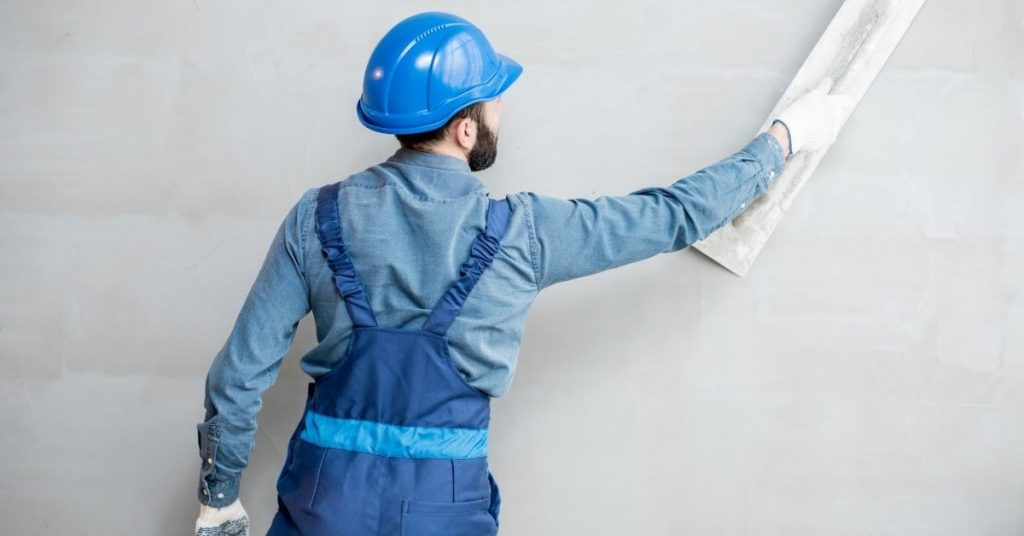
Roman clay wall finishes are traditional lime-based plasters applied to walls to create a natural, earthy, matte surface. They require a clean, sound substrate and proper priming before application. Burnish timing depends on conditions and should be tested on a scrap area to get the feel you want.
These finishes work well in living spaces, hallways, and kitchens where a warm, handmade look is desired. Be mindful of limitations like color variation, humidity, and substrate compatibility, and always check the product label, manufacturer instructions, and local rules. Packaging options vary, and the product will include guidance on coverage and sealing choices; use that to plan your job and avoid overbuying.
Key takeaways
- Roman clay works best on primed, stable plaster or drywall substrates with even absorption.
- Substrate qualification guides bonding tests, moisture checks, and edge stabilization before finishing.
- Prep with clean surfaces, dust removal, and per manufacturer’s primer recommendations.
- Burnish timing affects sheen; test small area and adjust pressure cautiously.
- Sealants and finishing options vary; verify compatibility and coat expectations.
- Safety note: wear eye protection, respirator, and guard surfaces to avoid dust.
Table of Contents
- Introduction
- Key takeaways
- What Roman Clay Is and When to Choose It
- Substrate Selection and Qualification
- Surface Preparation and Primers
- Tools, Materials, and Pre-Job Checklist
- Application Techniques: Base Coat Through Final Coat
- Burnishing: Timing, Pressure, and Techniques
- Sealers and Finishing Options
- Maintenance, Troubleshooting, Safety, and Budget Considerations
- Conclusion
- FAQ
What Roman Clay Is and When to Choose It
Roman Clay is a natural lime-based or lime-putty formulation that uses mineral binders and a stone-meal or marble-matte finish. It contrasts with limewash and other plaster finishes through its dense, tactile depth and low-sheen surface.
This finish is ideal for spaces that crave warmth and texture, such as living areas and bedrooms, and can be used in bathrooms when proper sealing is in place. It pairs well with wood, stone, and metal accents to create a cohesive, handcrafted look. Substrates can include primed plaster, gypsum board with bonding primer, and suitable cementitious surfaces, with moisture managed before application. Begin with priming, patching, and porosity checks to ensure a uniform base. Burnish timing will influence sheen and color permanence, and sealing options can preserve the matte look while protecting the finish.
Composition and visual characteristics
Roman Clay is a natural, eco-friendly wall finish made from a lime-based or lime-putty formulation. It’s mixed with mineral binders like clay and aggregate, typically stone-meal or marble-matte, to create its unique texture.
The typical sheen of Roman Clay is subtle, almost matte, but can vary based on the trowel technique used during application. The color depth comes from natural earth pigments, which give it warm undertones that can shift slightly depending on lighting and moisture levels.
Lime saturation plays a significant role in determining the final appearance. Higher lime content results in a more vibrant finish, while lower content offers a softer look. The trowel technique also influences texture – wider trowels create broader strokes, while narrower ones produce finer lines.
When to specify Roman Clay vs other finishes
Roman Clay stands out among other wall finishes due to its unique characteristics. Unlike limewash, which is translucent and requires multiple coats, Roman Clay offers full coverage in a single application.
Compared to Venetian plaster, Roman Clay has a more uniform texture and matte finish. Venetian plaster often features visible aggregate particles and a higher sheen. Choose Roman Clay for a consistent, soft-touch surface.
In contrast to regular paint, Roman Clay provides a tactile, plaster-like feel. It’s ideal for spaces where you want to emphasize the warmth and natural beauty of the walls. Paint, on the other hand, is better suited for smooth, uniform surfaces with minimal texture.
Substrate Selection and Qualification
Roman Clay accepts substrates that are porous and well-prepared, such as lime-based plasters, cementitious plasters with proper porosity, and properly prepared plaster layers. Avoid dense, non-porous, or moisture-trapped surfaces unless they are modified first.
Performance criteria include flatness, appropriate porosity, structural stability, and manageable moisture content. Pre-qualification tests cover moisture checks, adhesion tests, surface profiling, and porosity assessment. Surface conditioning involves cleaning, crack repair, feathered edges, and primer requirements specific to each substrate type. This guidance helps determine whether the substrate is ready or needs additional work before proceeding.
Suitable substrates and level-of-finish requirements
Roman Clay performs best on smooth, flat surfaces. Here are the ideal substrates:
Drywall Level 5 Finish: This provides a seamless, ultra-smooth surface that accepts Roman Clay beautifully.
Other suitable bases include smooth plaster, well-prepared cementitious plasters, and certain lime-cement mixes. These offer the right level of porosity and absorbency for optimal bonding.
Unsuitable substrates and remediation options
Certain surfaces won’t work with Roman Clay. Here’s what to avoid and how to fix them:
Wet areas, like bathrooms or showers, can trap moisture. Ensure these are properly waterproofed before applying Roman Clay.
Exterior surfaces may be too porous or exposed to elements that could degrade the finish. Consider installing an appropriate backer board and priming.
Glossy or unstable substrates need remediation: repair cracks, remove existing coatings, and ensure structural stability before applying Roman Clay.
Surface Preparation and Primers
Prepare the substrate by removing dust and loose material and confirming compatibility with lime or Roman Clay finishes. Address delamination and ensure the chosen substrate type is suitable for the coating system.
Moisture assessment uses a meter and dew point considerations, followed by proper cleaning, patching, and priming. Light sanding promotes adhesion and pore control, while primers or bonding agents tailored to lime finishes help achieve uniform appearance. Plan drying windows, ventilation, and safety steps in the sequencing from cleaning to priming.
Surface Prep Checklist and Inspection Points
Before you prime, ensure your surface is ready. This checklist helps.
- Remove dust: Use a soft brush or vacuum to clear loose particles. Dust affects adhesion.
- Check sheen: Your surface should be matte. Shiny spots need cleaning.
- Test for loose material: Tap the wall. If it sounds hollow, there’s instability.
- Identify substrate: Ensure you have a compatible base like plaster, cement, or drywall.
- Check delamination: Peeling or flaking indicates instability. Repair before proceeding.
- Moisture check: Use a moisture meter and consider dew point. Moisture traps cause issues later.
- Evaluate pH: Roman Clay likes neutral to slightly alkaline surfaces (pH 7-8).
- Capillary rise: Check for moisture rising from the ground. This can ruin your finish.
- Patch cracks and voids: Use lime putty or hydraulic cement. Feather edges for a smooth plane.
- Light sanding: Smooth any rough spots to promote adhesion.
- Remove sanding dust: A tack cloth keeps your surface clean.
Quick rule: Skipping these steps can lead to delamination, moisture issues, and poor adhesion.
Primer Choices and Adhesion Testing
Choose a primer that plays nice with Roman Clay. Water-based all-purpose primers often work, but follow your manufacturer’s recommendations.
Why prime? Primers promote adhesion, seal the surface, and help achieve a uniform appearance.
Before you prime, perform an adhesion test. Here’s how:
1. Apply a small amount of primer to a hidden area or test patch.
2. Let it dry according to the manufacturer’s instructions.
3. Gently scratch the surface with a nail or coin. If the primer sticks, you’re good to go.
Tools, Materials, and Pre-Job Checklist
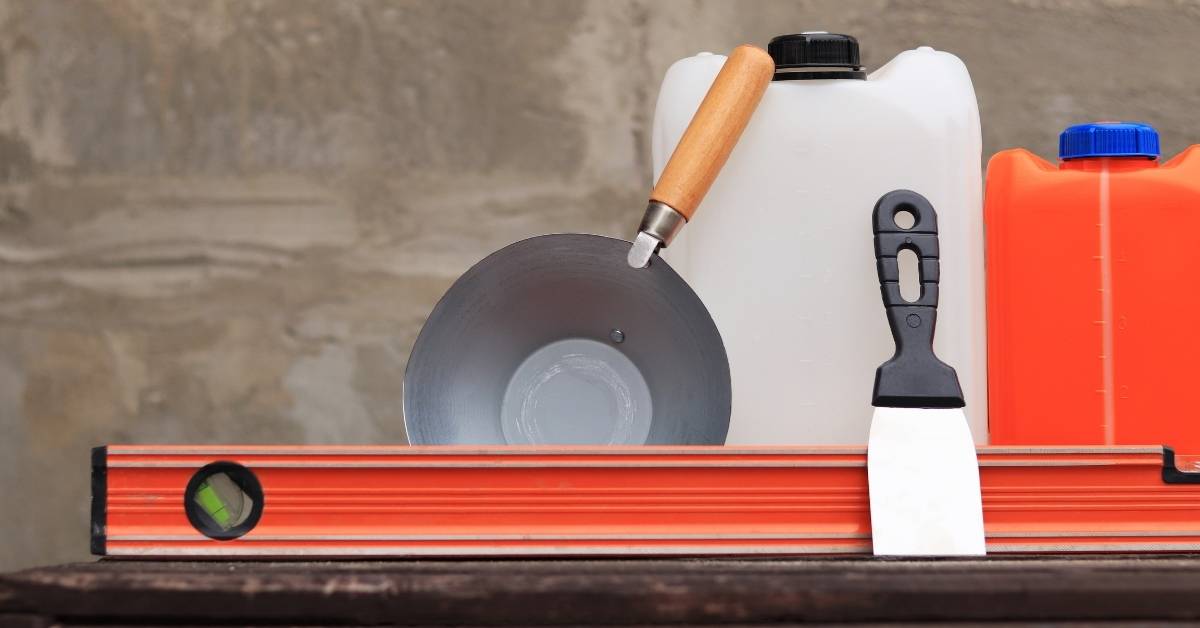
Core tools include trowels, hawks, mixing equipment, brushes, floats, pails, a spray bottle, sponge, and drop cloths. Have edge control tools like a mallet and sharpening stone ready for neat edges.
Materials cover Roman clay mixes, water, bonding agents if needed, primers or sealers compatible with lime, and patching compounds. Store materials properly and note shelf life. Follow mixing and handling guidelines to maintain workable consistency and avoid over-wetting.
Tools and consumables
Before you start, ensure you have all the necessary tools and consumables for a smooth installation.
- Stainless steel trowels (1/2″ & 3/4″): Essential for applying and spreading Roman clay. Skip this, risk uneven application.
- Spacers/taddles: Maintain consistent thickness during application. Without them, you might end up with varying coat thicknesses.
- Hawk & margin trowel: Helpful for holding and transferring material to the working trowel. Missing these can slow down your work.
- Mixing drill with paddle mixer: Crucial for mixing Roman clay consistently. Without it, you might end up with lumps or inconsistent mix.
- Paint/masonry brushes: For applying primer and edge control. Skipping these can lead to poor adhesion and messy edges.
- Float & rubbers (for burnishing): Needed for smoothing and burnishing the finish. Without them, you won’t achieve a smooth, even surface.
- Clean buckets: Essential for mixing and holding material. Using dirty or incorrect containers can contaminate your mix.
- Spray bottle & sponge: For keeping surfaces damp during application. Neglecting this can cause cracking due to rapid drying.
- Drop cloth/work mat: Protects the work area from damage and makes clean-up easier. Without it, you might end up with a messy workspace.
- Mallet & sharpening stone: For edge control and maintaining trowel edges. Skipping this can result in damaged tools and poor finish quality.
Quick rule: Always check your tools before starting to avoid delays and ensure a high-quality finish.
Material quantities, ordering, and mixing notes
Calculate material needs accurately to avoid waste or running short during installation.
- Coverage rates: Use manufacturer’s rates (sq ft per bag) to calculate base and finish coat needs. Underestimating can lead to mid-job shortages.
- Order a buffer: Account for waste due to spills, mistakes, or cuts. Ordering too little can cause delays while reordering.
- Clean water source: Essential for mixing and cleaning up. Using dirty water can contaminate your mix or cause poor adhesion.
- Bonding agents/lime putty (optional): If using, ensure compatibility with Roman clay and follow manufacturer’s guidelines to avoid adhesion issues.
- Primer/sealer: Order enough for two coats – one as a primer and another as a sealer. Skipping this can result in poor adhesion and inadequate protection.
- Crack repair materials: Have these on hand to fix any substrate cracks before application. Ignoring this can lead to cracked finish.
- Pigments/colorants (optional): If tinting, ensure compatibility with Roman clay and follow manufacturer’s guidelines to avoid color inconsistency.
- Storage & shelf life: Follow storage instructions to maintain material quality. Storing incorrectly can lead to wasted product due to spoilage or poor performance.
Quick rule: Always double-check your calculations and order a buffer for waste to avoid mid-job shortages.
Application Techniques: Base Coat Through Final Coat
Set clear expectations for progressing from base coat to finish coat, including substrate compatibility and mix consistency. Understand how to manage wet edges to minimize defects and ensure even build.
Prepare substrates and prime as needed, then apply the base coat with appropriate tools and thickness. Use a layering strategy that blends edges while adjacent areas remain wet, and tailor the finish coat texture and sheen with controlled passes. Consider cure conditions and environmental factors when planning each coat.
Step-by-step application sequence
The step-by-step application sequence ensures a smooth, uniform finish. Follow this guide to apply Roman Clay from base coat to final coat.
- Base Coat: Mix Roman Clay according to package instructions. Apply using a 1/4″ or 3/8″ trowel in thin, even layers (about 1/16″ per pass). Maintain an even texture to prevent telegraphing.
- First Skim Coat: After base coat dries (2-4 hours), apply the first skim coat using a 3/8″ or 1/2″ trowel. This helps smooth out any imperfections and evens out the surface.
- Intermediate Coats: Apply additional coats (usually 2-3) with the same trowel size as the first skim coat. Let each coat dry for 4-6 hours before applying the next to ensure proper adhesion and cure.
- Wet-edge Management: Keep edges ‘alive’ by blending them into still-wet areas using a damp sponge or trowel. This prevents sharp lines and ensures a seamless finish.
- Final Coat: Once the surface is smooth and even, apply the final coat with your chosen texture and sheen. Let it cure for 24-72 hours before sealing or touching up.
Visual checkpoints and cure indicators
Use this checklist to ensure each coat is ready for the next step, preventing defects and ensuring a quality finish.
- Base Coat: Check for even coverage and no missed spots. The surface should be matte and slightly tacky to touch.
- First Skim Coat: Inspect for smoothness, with no visible trowel marks or imperfections. It should have a consistent sheen.
- Intermediate Coats: Ensure each coat dries evenly and maintains the same sheen as the previous one.
- Final Coat: Check for uniform texture, sheen, and no visible trowel marks. It should feel firm but slightly flexible to touch.
- Sealing: Before sealing, ensure the surface is completely cured (no soft spots) and free of dust or debris.
Quick rule: Always check for proper cure before proceeding to the next step. Skipping this can lead to defects or poor adhesion.
Burnishing: Timing, Pressure, and Techniques
Burnishing serves to compress surface fibers for a controlled sheen and smooth texture while preserving tactile depth. It is not the same as full polishing or lacquer application.
Timing depends on set and cure progress, with a tack test helping determine readiness. Choose tools such as pads or trowels and apply appropriate pressure to influence density and sheen. Use careful technique to maintain uniformity across edges and transitions.
When to burnish and how to judge readiness
The key to a successful Roman clay finish is timing your burnish just right. Too early, and you’ll end up with a smeary mess. Too late, and the surface will be too hard to get a good sheen.
First, let’s talk about surface readiness. You want the clay to have set but not fully cured. Here’s how to check:
Perform a tack test: Gently press your finger onto the surface. If it leaves an indentation but doesn’t stick, you’re good to go. If it feels too soft or sticky, wait a bit longer.
Burnishing methods and tool choices
Now that your surface is ready, let’s talk about how to burnish it. There are two main methods: light and heavy.
- Light Burnish: This method gives a subtle sheen and preserves the tactile depth of the clay. Use stainless steel trowels or plastic knives. Apply gentle, even pressure with smooth strokes. Remember, less is more here.
- Heavy Burnish: For a higher sheen, use felt pads or microfiber discs with a machine polisher. Apply firm, consistent pressure and work in small sections.
- Motion: Work in overlapping ‘W’ or ‘M’ patterns to ensure even coverage. Avoid circular motions as they can leave swirl marks.
- Pressure Control: Start light and increase pressure gradually. Too much too soon can cause heat buildup and damage the surface.
- Avoid Burnish Marks: Keep your tools clean to prevent scratches. Change pads or trowels if they become clogged with clay.
Sealers and Finishing Options
Sealers and finishing options include manufacturer topcoats, waxes, and water-based sealers, each suited to different aspects of Roman Clay or lime plaster substrates. Identify which product type fits the room and desired maintenance profile.
Compare durability, breathability, sheen, odor, cure times, and long-term maintenance. In kitchens or bathrooms, consider environment-specific guidance and how burnish timing interacts with sealing. Prepare the surface and follow proper sealing sequences after burnishing as required.
Topcoat performance and compatibilities
Roman clay wall finishes benefit from sealers to protect against dirt, oils, and moisture. Here’s what you need to know about topcoats:
Manufacturer Topcoats: These are designed specifically for roman clay or lime plaster substrates. They offer excellent protection against water and stains while allowing the wall to breathe. They come in matte to satin sheens, with good UV resistance.
Waxes: Wax sealers provide a natural, low-sheen finish. They’re great for protecting against dirt and oils but may not be as durable or water-resistant as topcoats. Avoid using them in high-moisture areas like bathrooms without proper testing.
Always check manufacturer guidelines for compatibility with existing finishes, primers, or limewash to ensure a successful application.
When to seal and when to leave raw
Sealing your roman clay walls isn’t always necessary. Here’s when you should consider sealing or leaving them raw:
Seal when: You need durability in high-traffic areas like entryways, hallways, or children’s rooms. Sealers protect against scuffs, stains, and moisture. Kitchens and bathrooms also benefit from sealing due to their exposure to water and grease.
Leave raw when: Aesthetics are your priority in decorative or low-use spaces. The natural finish of roman clay can add charm and character. However, keep in mind that raw walls may be more susceptible to stains and moisture damage. Regularly inspect these areas for any signs of wear.
Consider the room’s function and environment when deciding whether to seal your roman clay walls.
Maintenance, Troubleshooting, Safety, and Budget Considerations
Establish a maintenance plan that includes cleaning routines and periodic resealing or re-burnishing cues. Anticipate the lifespan expectations of lime-based finishes on different substrate contexts.
When issues arise, apply practical remediation steps for problems like cracking or dulling without full re-prep. Use appropriate PPE and ventilation, and balance costs with long-term upkeep needs when budgeting for materials and labor.
Cleaning, touch-ups, and long-term care
Roman clay finishes are durable but require gentle care. Use mild soap and water for cleaning. Avoid abrasive materials or harsh chemicals.
Touch-ups: For minor chips or scratches, lightly sand the area, wipe clean, and reapply a thin layer of finish. Re-burnish if needed.
Long-term care: Inspect your walls annually. If the finish starts to dull or lose its sheen, it’s time for a light touch-up or full recoat, depending on the extent of wear.
Common mistakes, safety precautions, and cost planning
Here are common pitfalls to avoid when working with Roman clay finishes:
- Inadequate substrate prep: Poorly prepared surfaces lead to cracking or delamination. Ensure your surface is clean, dry, and primed.
- Improper mixing: Follow manufacturer’s guidelines for mixing ratios to avoid inconsistencies in color or texture.
- Insufficient curing time: Allow the base coat to cure fully before applying the final coat. Rushing this step can cause issues with adhesion and finish quality.
- Over-burnishing: Too much pressure or too long a burnishing time can damage the finish. Be gentle and follow recommended times.
Always wear gloves, safety glasses, and a respirator when handling lime-based products. Ventilate occupied spaces during application and curing. When estimating costs, consider materials, labor, tools, maintenance frequency, and potential contingencies.
Conclusion
Roman clay delivers a durable, authentic look when you respect the substrate, timing, and finish options. Do not rush the burnish or skip a thorough prep, or you’ll pay for it with hairline cracks, uneven sheen, or a wall that won’t seal properly.
Set up and move through this sequence: verify substrate qualification and clean, patch, and dry any defects; prime as needed; gather and mix your materials and tools; apply the base coat through the final coat in the recommended order; burnish at the right moment with steady pressure; apply the chosen sealer and let it cure; test a small area first and check adhesion, sheen, and sheen stability before proceeding on a full wall; finally, maintain the finish with light cleaning and address staining or chipping promptly.
Common mistakes to avoid are cutting corners on prep, skipping or misapplying primers, burning too early or too late, and using the wrong sealer for the finish you want. Safety rules are simple: wear eye and skin protection, keep ventilation open, test a small area first, and never work over damp or suspect substrates. If you see persistent moisture, cracking, or substrate movement, stop and reassess before proceeding.
If the project feels bigger than your space or you hit moisture, structural, or substrate issues, call in a pro. Otherwise, stay methodical, follow the steps, and you’ll get a durable, great-looking finish. Stay focused, stay safe, and you’ll finish strong.
FAQ
What are good applications for Roman Clay on DIY projects?
Roman clay works well on interior walls with fairly smooth, primed surfaces. It’s a good choice for accent walls, living rooms, and hallways where you want a tactile finish. Check that the substrate is stable and the area isn’t prone to excessive moisture.
What are the limitations of Roman Clay, like color and environment?
Colors can be limited by the base material and finish you choose. It doesn’t tolerate standing water or high humidity well in unfinished spaces. Always test a small area and follow manufacturer guidance for environmental conditions and curing.
What sizes and packaging options are available?
Roman clay products come in different containers and mixes. Look for options that match your project size and mixing needs. If you’re unsure, confirm packaging sizes with the retailer or manufacturer instructions and plan for waste accordingly.
How do I estimate coverage and material usage?
Coverage depends on the substrate porosity and the thickness of coats. Always check the product label or datasheet for guidance and plan a little extra for blemishes, waste, and touch-ups. Do not rely on vague rules; verify with the specific product you’re using.