
Introduction
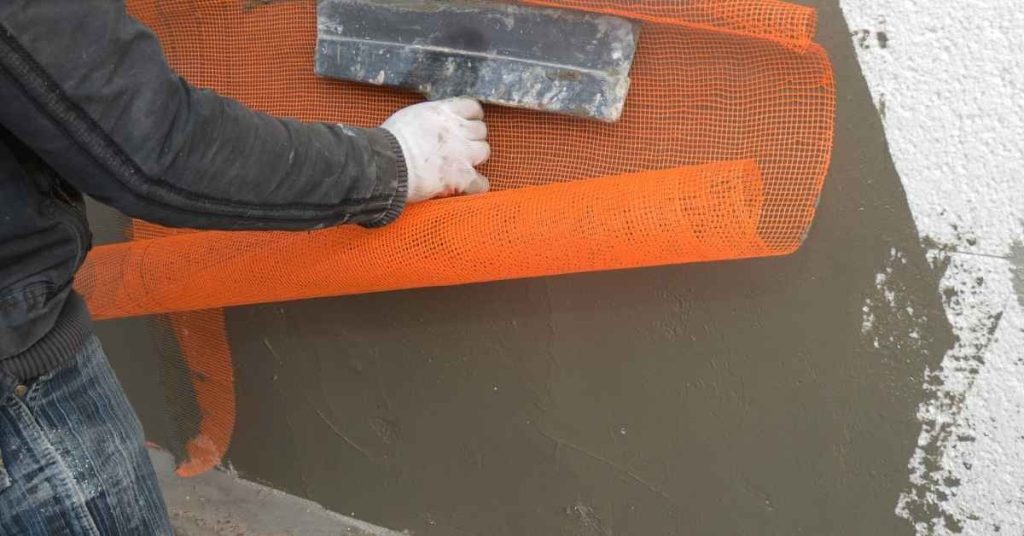
Repairing stucco chips at corners means restoring damaged edge areas by rebuilding the corner profile with mesh and a base coat. This approach reinforces the edge, provides a uniform surface, and prepares it for finish. Keep the work neat and check that the base coat adheres well to the existing stucco.
Start by cleaning the chipped area, applying a bonding agent as needed, then place the mesh over the edge. Apply a base coat over the mesh to build up the profile, smooth to blend with surrounding wall, and let it cure per product instructions. Check for any cracking or notchiness once dry and plan a finish coat later.
Key takeaways
- Assess damage thoroughly before repair, identify loose material and underlying water damage.
- Secure safety: wear eye protection and masks when mixing and applying coatings.
- Choose compatible base coats and mesh for stucco corners to prevent delamination.
- Prepare substrate by cleaning, drying, and repairing any failed backing before mesh.
- Build back corner profile with mesh embedded in base coat for strength.
- Texture and colorMatch require even layers and test patches before finish.
Table of Contents
- Introduction
- Key takeaways
- When to Repair and Assessing Damage
- Tools and Materials Checklist
- Material Specs and Compatibility Explained
- Surface Preparation and Substrate Repair
- Building Back the Corner Profile with Mesh and Base Coat (Step-by-Step)
- Mixing, Curing, and Layer Timing
- Texture Matching, Finish Coat, and Color Considerations
- Troubleshooting, Common Mistakes, and Long‑term Maintenance
- Conclusion
- FAQ
When to Repair and Assessing Damage
Begin by distinguishing cosmetic chips from damage that affects the substrate or lath. Look for cracks, bulges, or moisture staining near corners that signal deeper issues. Prioritize repairs where water intrusion or movement could compromise framing or plaster adhesion.
Evaluate surrounding stucco conditions to determine if the corner repair will need staged work or additional substrate reinforcement. Document observations so you can plan the repair sequence and communicate findings to others involved in the project.
Identify extent of chips and failure modes
Begin by inspecting the damaged area thoroughly. Use a flashlight to illuminate any hidden cracks or gaps.
Check for: hairline cracks, delamination (peeling away from the substrate), rusted lath, or missing substrate behind chips. Document these findings with photos and notes to track progress and plan repairs accurately.
If chips are extensive and reveal underlying damage, prioritize these areas for immediate repair. The presence of hairline cracks or delamination may indicate moisture intrusion or compromised structural integrity.
Safety, weather, and permitting considerations
Before starting any repair work, ensure your safety by following these guidelines:
Wear appropriate Personal Protective Equipment (PPE): gloves, goggles, and a hard hat when working at heights or with hazardous materials. Implement safety measures such as scaffolding, harnesses, or barriers if necessary.
Check local permit rules for stucco repair work and condo association guidelines if applicable. Avoid repairs in extreme weather conditions such as heavy rain, snow, or high winds to prevent further damage and ensure your safety.
Tools and Materials Checklist
Gather hand tools for scraping, cutting, and applying material, plus a mixing container and trowels. Include a mesh knife or scissors, a utility knife, and a straightedge for clean edges. Have a hammer or mallet and nail puller if any lath needs gentle release.
Prepare power tools such as a drill with mixing attachments and a grinder or sander if surface smoothing is needed. Stock base coat and texture products, bonding agents, and compatible primers. Note optional specialty tools for profile shaping and corner guides to help with geometry.
Required Tools
The following tools are essential for a smooth and efficient tiling job. They ensure proper application, durability, and longevity of your tiles.
- Trowel (Notched): Used for applying mortar or adhesive to the wall surface. The notches help control the amount of material applied. Key spec: Notched edge size should match your tile size for even coverage.
- Hawk: A flat board used to hold and transfer mortar from the mixing bucket to the trowel. It helps keep your hands clean and prevents waste.
- Corner Trowel: Used for applying mortar in corners where two walls meet. It has a V-shaped notch for precise application. Key spec: Choose one with a V-notch that matches your tile thickness.
- Mixing Bucket: Essential for mixing mortar or adhesive. A sturdy, large bucket is ideal for preventing spills and ensuring even mixing.
- Grinders/Scrapers (Power Tools): Optional but highly recommended for preparing surfaces. They remove old paint, plaster, and other debris quickly and efficiently. Key spec: Choose a grinder with variable speed settings to control the intensity of removal.
Pro tip: Always visually inspect each tool before starting to ensure nothing is missing or damaged. An experienced installer ensures all necessary tools are clean, functional, and suitable for the task at hand. If power tools like grinders/scrapers are required but not available, consider renting or purchasing these tools as they significantly expedite the process.
Consumables and replacement parts
Use this checklist before starting your stucco repair project to ensure you have the right consumables and replacement parts. This will help prevent costly mistakes and delays.
- Mesh types: Check mesh is flexible enough to conform to corner profiles and compatible with existing stucco. Confirm with manufacturer instructions or local building codes.
- Base coat products: Ensure base coat consistency before application. Check product labels for suitable adhesion properties and compatibility with your existing stucco.
- Bonding agents: Verify bonding agent is designed for stucco and compatible with your chosen base coat. Follow manufacturer guidelines for proper mixing and application.
- Lath or corner bead: If repairing metal-stud based stucco, choose lath or corner bead designed specifically for metal studs to ensure a secure fit.
- Fasteners: Check fasteners are suitable for your wall type (e.g., drywall, wood, metal studs) and compatible with the chosen lath or corner bead. Confirm they meet local building codes.
- Mesh reinforcement: Have extra mesh strips on hand to reinforce any tears during installation. Apply additional base coat to secure reinforced areas.
- Corner bead: Ensure corner bead is designed for your chosen finish (e.g., straight edge, rounded) and compatible with your wall type.
Quick rule: Always check product labels and manufacturer instructions to confirm compatibility with existing stucco and other materials. This ensures a strong, lasting repair.
Material Specs and Compatibility Explained
Clarify differences between cementitious and acrylic repair systems and how they bond to existing stucco. Consider how mesh type affects reinforcement and crack control at corners. Check performance standards on product labels or data sheets before selecting materials.
Verify compatibility between mesh, base coat, and finish products to ensure cohesive curing and color stability. Review manufacturer instructions and local code or rule guidance if a project has specific requirements.
Choosing the right mesh and lath
The choice between woven fiberglass mesh and metal lath significantly impacts your repair’s durability and longevity.
Woven Fiberglass Mesh is lightweight, flexible, and corrosion-resistant. It’s ideal for projects requiring these qualities but may not provide the same strength as metal lath. Ensure you use alkali-resistant fiberglass mesh to prevent degradation from stucco alkalinity.
Metal Lath, typically galvanized, offers high strength and fire resistance. It’s suitable for projects needing these features but can be heavier and less flexible than fiberglass mesh. Always confirm your chosen lath is galvanized to prevent rusting.
Before starting, consult manufacturer guidance to ensure product compatibility with your existing stucco and other materials.
Base coat and bonding agents basics
The formulation of the base coat and use of bonding agents greatly affect adhesion and flexibility, ensuring a successful repair.
A base coat provides a stable surface for applying the final stucco layer. Its formulation varies by product, so review datasheets for recommended mixes and substrates to achieve optimal results.
Bonding agents improve adhesion when working with non-absorbent or poorly adherent substrates. If your existing substrate falls into this category, consider using a bonding agent to enhance adhesion before applying the base coat.
Always review product datasheets for recommended mixes, substrates, and application guidelines to ensure compatibility and proper curing.
Surface Preparation and Substrate Repair
Remove loose stucco and dirty debris from the corner area to expose solid substrate. Use careful scraping to create a clean, sound surface for bonding. Expose any damaged lath or substrate to assess the extent of repair needed.
Address substrate issues such as rust or loose lath with appropriate fixes before applying new layers. Ensure the area is dry and free of dust prior to proceeding with mesh and base coat application.
Remove loose material and clean the area
The success of your repair depends on a sound bonding surface. Removing damaged stucco and cleaning the area ensures optimal adhesion for new layers.
- Loose Stucco: Use a stiff-bristle brush or scraper to gently remove loose material. Be careful not to damage the substrate. Wrong: Using a wire brush can gouge the surface, leading to weak bond points.
- Dust and Debris: Clean the area with a damp cloth or soft brush. Allow it to dry completely before proceeding. Wrong: Leaving dust behind can cause poor adhesion and cracking.
- Mold or Mildew: If present, treat with a suitable cleaner following manufacturer’s instructions. Wrong: Ignoring mold can lead to staining and weakened bond.
- Oil or Grease Stains: Clean using a degreasing agent. Rinse and dry thoroughly. Wrong: Residual oil or grease can prevent proper adhesion.
- Paint or Glue Residue: Remove with appropriate solvents, following safety guidelines. Wrong: Incomplete removal can cause delamination of new stucco layers.
Repair or replace lath, corner bead, and fasteners
The lath provides support for your stucco layers. Inspect it for damage and ensure it’s securely fastened.
If the lath is damaged, replace it with compatible, labeled lath. Ensure it matches the existing lath in type and gauge to maintain structural integrity.
The corner bead protects corners from chipping. If damaged, replace it with a suitable, matching profile or bead. Ensure it’s securely fastened using appropriate screws or nails, following manufacturer’s instructions.
Check all fasteners. If any are missing or loose, reinstall them, ensuring they’re driven in flush to the lath surface to prevent interference with new stucco layers.
Building Back the Corner Profile with Mesh and Base Coat (Step-by-Step)
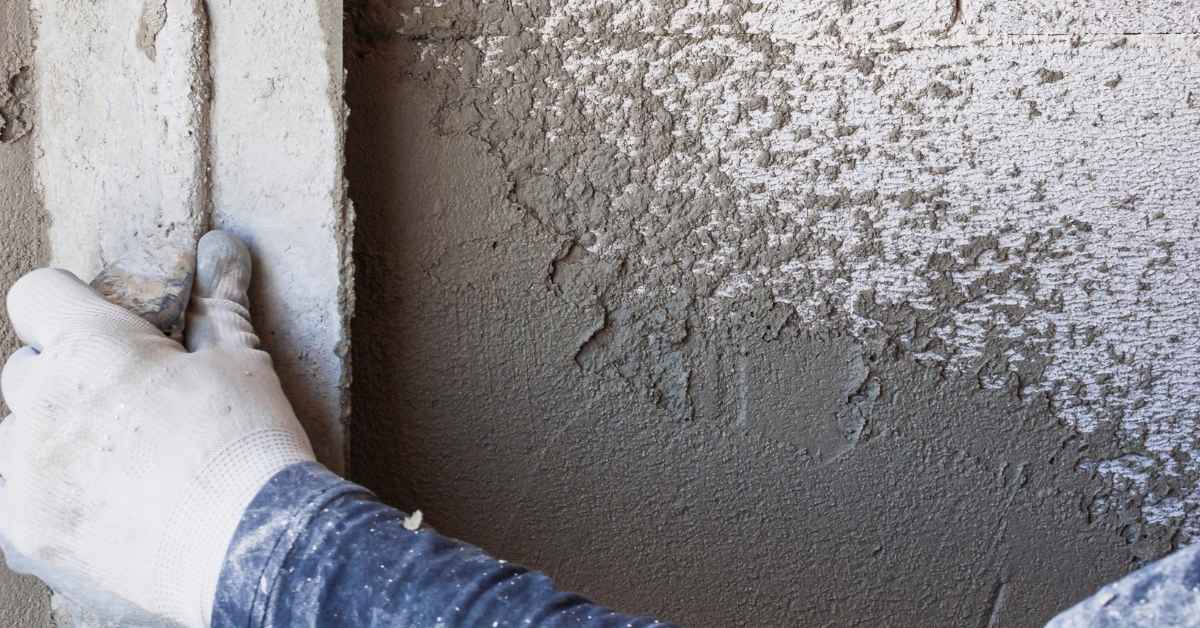
Set profile guides to recreate the existing corner geometry and provide a reference for the new layers. Embed the mesh into the first base coat, ensuring full coverage over the corner edge. Allow the initial layer to set before applying subsequent coats.
Build up the base coat in controlled passes to achieve the desired geometry, checking alignment with the guides as you go. Smooth and feather edges to blend with surrounding stucco while maintaining the corner profile.
Step-by-Step Process
This step-by-step sequence guides you through rebuilding the corner profile with mesh and base coat, ensuring a smooth and professional finish.
- Ensure all materials are on hand. Check your tools and consumables checklist from earlier in this article.
- Inspect the area for any remaining damage or loose material. Make sure to remove all debris before proceeding.
- Set guides according to corner type (inside or outside). Use straightedges, temporary forms, or stakes to establish the correct profile and alignment.
- Apply base coat to the substrate within the guide area. Ensure even coverage and avoid creating air pockets.
- Embed mesh into the first layer of base coat. Work carefully to avoid wrinkles or gaps. Check for proper bonding.
- Build up subsequent layers, following the desired profile height. Feather transitions into existing stucco to ensure a smooth finish.
- Inspect each lift for air pockets, voids, or any defects. Make necessary adjustments before proceeding with the next lift.
- Allow final layer to cure according to manufacturer’s instructions. Perform final checks once cured to ensure desired profile and quality.
Set guides and form the desired corner profile
Establishing the correct corner shape and alignment is crucial for a successful repair. Here’s how to set up your guides:
1. Determine if you’re working on an inside or outside corner. The guide setup will differ based on this.
2. Use straightedges, temporary forms, or stakes to create the desired profile. Ensure they are true and in good condition for accurate alignment.
3. Secure guides firmly in place using nails, screws, or clamps. Double-check alignment before proceeding with base coat application.
Embed mesh and apply the first base coat
Properly embedding mesh in the first layer of base coat is essential for a strong bond. Follow these steps:
1. Apply base coat to the substrate within the guide area, ensuring even coverage.
2. Lay mesh onto the wet base coat, pressing it firmly into place. Work carefully to avoid creating wrinkles or gaps.
3. Check for proper bonding of the mesh to the substrate. Ensure there are no loose edges or areas where the mesh is not adhering.
4. Apply a thin layer of base coat over the embedded mesh, ensuring full coverage and no exposed areas.
Build up layers to final profile and feather edges
Adding subsequent lifts of base coat allows you to reach the desired final profile. Here’s how to build up your layers:
1. Apply base coat within the guide area, following the established profile.
2. Work from the bottom up, building each lift slightly higher than the last. Ensure a smooth transition into existing stucco by feathering edges.
3. Inspect each lift for air pockets or voids before applying the next layer. Remove any defects to maintain a high-quality finish.
4. Allow each lift to cure according to manufacturer’s instructions before proceeding with the next layer. This ensures proper bonding and prevents delamination.
Mixing, Curing, and Layer Timing
Follow product instructions for mixing to the correct consistency and avoid over-wetting or air entrapment. Manage moisture in the mix to promote proper bonding and shrinkage control. Plan layer timing to allow tack and curing between applications as recommended by the manufacturer.
Control drying conditions to minimize surface cracks and weak bonds, avoiding extreme temperatures and rapid drying. Use compatible primers or sealers if required by the material system to prepare the repaired surface.
Mixing guidelines and consistency
Follow the manufacturer’s mixing instructions for accurate proportions and technique. Aim for a workable consistency to ensure optimal performance and adhesion of the base coat.
Visual inspection is crucial: mixed material should have a consistent texture with no unmixed clumps.
If the material appears too thick or dry, add small amounts of water, mix again, and recheck consistency. Conversely, if it becomes too thin due to overwatering, add more powder and remix to maintain the correct consistency.
Curing Conditions and Timing
Temperature, humidity, and wind impact the curing process. Allowing the base coat to cure optimally ensures it develops maximum strength and adhesion.
Check the weather forecast. Consult product data for recommended curing times under ideal conditions (temperature, humidity).
If temperatures are below 50°F (10°C) or above 90°F (32°C), implement protective measures such as shading, misting, or wind breaks to maintain optimal curing conditions. Extreme temperatures, high winds, or direct sunlight can cause improper curing; monitor and adjust conditions accordingly.
Texture Matching, Finish Coat, and Color Considerations
Assess the existing texture pattern and attempt to reproduce it with appropriate tools and techniques. Select a finish coat that matches the repair system and performance expectations for exterior exposure. Consider priming and painting sequences that help the repair fade seamlessly with the surrounding wall.
Recognize how finish coat choices influence longevity and appearance under weathering. Verify color compatibility and adhesion requirements with the paint system and manufacturer recommendations before application.
Match texture using tools and test patches
To achieve a seamless repair appearance, it’s crucial to match the existing stucco texture.
- Trowel or float selection: Choose a tool that mimics your existing texture. For smooth textures, use a straight-edged trowel or float. For rough textures, opt for a textured trowel or float, or build up layers with additional base coat.
- Practice on scrap board: Before applying the final patch, practice your technique on a scrap board to ensure consistency and familiarize yourself with the tool’s motion.
- Rentable tools: Consider renting or borrowing specialized tools for one-time use instead of purchasing. This can save you money and storage space.
- Test patch: Create a small test patch in an inconspicuous area to ensure the texture matches before applying it to the entire repair site.
- Avoid common mistakes: If the texture doesn’t match, adjust your tool selection and practice technique on scrap board before retrying. This will help you achieve a seamless finish.
Color Matching and Finish Coat Compatibility
Matching existing colors and ensuring product compatibility is crucial for lasting repairs with good adhesion.
Consider these three approaches to color matching: integral color, tinted finish, or painted finish. Each has its advantages; choose the one best suited to your project.
Integral Color Base Coat: If available, using an integral color base coat can help match existing colors exactly. This approach is ideal for seamless repairs.
Tinted Finish or Painted Finish: For these approaches, test small patches and allow them to dry and cure before making a final decision. This helps assess long-term color appearance and avoids compatibility issues.
Troubleshooting, Common Mistakes, and Long‑term Maintenance
Identify typical failure modes such as cracking, delamination, or moisture staining and diagnose probable causes. Check for proper mesh embedment, adhesion, and edge sealing if problems arise after the repair. Develop a plan to address issues promptly to prevent further damage.
Implement maintenance steps like regular inspection after weather events and cleaning to prevent moisture buildup. Schedule periodic touch-ups and resealing as needed to extend the life of the corner repair and preserve the overall stucco performance.
Common problems and how to fix them
After completing a corner repair, it’s crucial to monitor the area for any signs of distress. Common issues include cracking, delamination, or visible seams.
Cracking: If cracks appear, re-evaluate the mesh embedment and base coat application. Reapply as necessary, following the initial repair process steps.
Delamination: Peeling or lifting of the stucco indicates poor adhesion. Inspect for moisture intrusion or inadequate surface preparation. Re-bond the affected area using manufacturer’s instructions.
Visible seams: Apparent seams can occur if mesh was not properly embedded or base coat was not applied evenly. Re-embed the mesh and apply localized base coat to blend the seam.
Preventive Maintenance and Inspection Tips
Maintain your corner repairs by regularly inspecting them to prevent future issues and extend their lifespan. Use this checklist for routine inspections:
- Joints: Examine for signs of cracking or separation. Address promptly to prevent further deterioration.
- Control joints: Ensure they remain open and free of debris to allow movement without stressing the stucco.
- Flashing areas: Inspect for water intrusion, which can cause damage over time. Repair any leaks immediately.
- Cleanliness: Regularly clean the area to remove dirt and debris that could trap moisture or compromise adhesion.
- Texture consistency: Ensure the texture matches the surrounding stucco. Touch up as needed for a uniform appearance.
- Moisture intrusion: Check for signs of water damage, such as discoloration or soft spots. Address any issues promptly.
- Adhesion: Gently tap the area with a hammer. A hollow sound may indicate delamination.
- Caulking: Inspect caulk lines for cracking or separation. Reapply as needed to maintain a tight seal.
Maintenance frequency: Perform routine inspections and touch-ups every 6-12 months, depending on local climate and conditions.
Visual checkpoints and quality assurance
Before declaring the job complete, perform a thorough visual and tactile inspection to ensure proper repair execution:
- Mesh embedment: Feel along edges to confirm continuous mesh embedment. Inadequate embedment can lead to cracking or delamination.
- Profile lines: Inspect for straight, consistent profile lines. Irregular lines may indicate improper application of the corner bead or mesh.
- Texture consistency: Ensure the texture matches the surrounding stucco. Inconsistencies can be corrected with touch-ups using a compatible finish coat.
- Adhesion: Gently tap the area with a hammer. A solid sound indicates proper adhesion. Reapply or touch up as necessary if issues are found.
- Cracking: Inspect for hairline cracks, which may indicate stress or inadequate curing.
- Delamination: Look for signs of peeling or lifting, indicating poor adhesion.
- Seam visibility: Ensure seams are not visible. Visible seams can be addressed by re-embedding the mesh and applying localized base coat.
- Color consistency: Check that the repaired area matches the surrounding stucco in color. Touch up as needed to maintain a uniform appearance.
Quick rule: Address any issues immediately before declaring the job complete to ensure long-lasting, high-quality repairs.
Conclusion
Repairing stucco chips at corners matters for safety, durability, and a clean, long-lasting appearance. By following proper surface prep, mesh reinforcement, base coats, and careful texture and color matching, you reduce the risk of new cracks and costly follow-up work while maintaining the building’s weather resistance.
First, verify you have the right materials and tools, inspect the damage and substrate, and clean the area. Plan to address loose or damaged substrate first, embed the mesh correctly, apply base coats in the recommended sequence and cure intervals, test a small texture patch for matching, then proceed with the finish coat and color test in a controlled area before full coverage. Finally, cure fully, recheck for uniform texture and color, and note any maintenance steps for the long term. Throughout, work in safe conditions, avoid overworking the material, and test adhesion before full application.
Common mistakes to avoid include skipping substrate repair or mesh installation, which can lead to hairline cracks or delamination, rushing layer timing or overworking base coats, and neglecting surface cleaning and curing. Protect surrounding surfaces, wear appropriate safety gear, and perform simple adhesion tests and patch checks in a hidden area before committing to the visible corner. If any step feels uncertain or the damage is extensive, consider bringing in a qualified professional to prevent further damage and ensure a durable result.
When it makes sense to call a professional, seek help if the damage extends to structural elements, if moisture has penetrated beyond the stucco, or if you’re unsure about substrate condition or code requirements. A careful, well-planned approach now reduces the risk of costly mistakes later, and steady progress will leave you with a sturdy corner that looks right and performs well.
FAQ
What signs indicate a corner needs mesh reinforcement for stucco chips?
Use mesh when chips expose deeper cracks or lose a keystone corner. If the damaged area shows open gaps or loose substrate, reinforcing with mesh helps anchor the base coat. Check manufacturer instructions for mesh compatibility with your stucco system.
How do I choose the right mesh and base coat for corner repairs?
Choose mesh that matches the substrate and patch depth. Base coats should be compatible with the existing finish and the mesh type. Always verify product labels or datasheets and follow local guidelines for adhesion and curing requirements.
What is the proper process for embedding mesh and applying the base coat at corners?
Clean and dampen the area before applying the base coat. Embed the mesh smoothly, ensuring full coverage and no wrinkles. Then apply a first lift of base coat over the mesh, followed by a second pass to build the profile; allow each layer to set according to the product instructions.
How can I ensure a durable finish and minimize future cracking at repaired corners?
Achieve uniform texture and full curing of each layer before applying the next. Match the texture and color with the surrounding stucco and protect the repair from direct water exposure during cure. Consult product labels and local rules if you plan to blend or seal the finish.