
Introduction
Polished plaster on kitchen backsplashes is a smooth, glossy finish applied to a prepared wall to create a seamless, durable surface. It’s a hands‑on finish that requires proper substrate prep, mixing, and controlled troweling. If you’re unsure about the prep or finish, check the product label and follow manufacturer directions for compatible substrates and curing hints.
Grease tests, sealer choices, and maintenance reality all affect look and longevity. Test a small area for stain resistance, then pick a penetrating or film-sealing option compatible with your plaster and kitchen use. Keep expectations realistic, and plan for regular cleaning and occasional touch‑ups as the finish ages.
Key takeaways
- Assess kitchen heat zones; polished plaster may require heat-safe sealers and ventilation.
- Test grease interaction pre-installation; use a small sample patch and observe.
- Choose sealer based on kitchen oils; check recoat intervals from manufacturer.
- Maintenance reality: routine cleaning with recommended products; avoid harsh abrasives.
- Repair, patch, or reseal promptly after staining to minimize damage.
- Safety and codes: request product documentation, installation guides, and local requirements.
Table of Contents
- Introduction
- Key takeaways
- Quick Overview: Is Polished Plaster a Good Choice for Kitchen Backsplashes?
- How Grease, Oils, and Cooking Byproducts Actually Interact with Polished Plaster
- Practical Grease-Testing Protocols You Can Run Before Installation
- Sealer and Topcoat Options: Types, Pros/Cons, and Kitchen Suitability
- Application Best Practices and Visual Checkpoints for a Kitchen-Ready Finish
- Maintenance Reality: Routine Cleaning, Stain Removal, and the Reseal Decision
- Repair, Patching, and Aging—What Happens over Time and How to Fix It
- Safety, Codes, and Product Documentation to Request Before You Buy or Install
- Conclusion
- FAQ
Quick Overview: Is Polished Plaster a Good Choice for Kitchen Backsplashes?
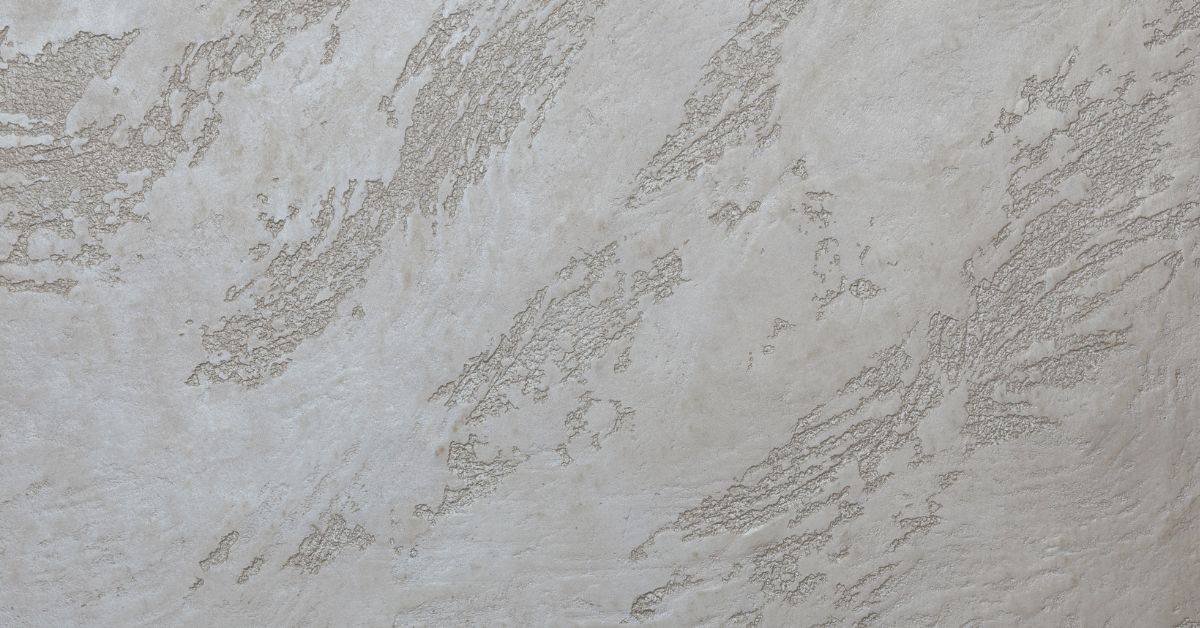
Polished plaster refers to lime- or gypsum-based decorative plasters finished to a smooth, glassy surface. It includes polished Venetian-style finishes that mimic marble through a refined burnish. For backsplashes, weigh aesthetics, durability, and breathability against tile or metal options before deciding.
Expectations should be realistic: the look is distinctive, but performance varies with substrate, cleaning practices, and maintenance. The finish can be less forgiving than ceramic tile or stainless steel in high-splash areas. Always check product label and manufacturer guidance for kitchen use and installation details.
Where it performs well and where it doesn’t
Polished plaster can be a great choice for kitchen backsplashes, but it’s not perfect everywhere. Let’s break down where it shines and where you might want to reconsider.
Behind the sink: This is typically the safest spot for polished plaster. It’s less prone to heat and grease compared to other areas. The smooth surface makes cleaning easy, too.
Stove splash: Here’s where things get a bit tricky. Polished plaster can handle heat well, but it’s not designed for direct high-heat exposure. Keep it at least 18 inches away from the stove top to be safe.
High-heat/hood areas: Avoid these zones altogether. The intense heat and grease can damage the finish over time. Stick with tile or stainless steel here.
Visual and style benefits homeowners care about
Polished plaster brings a unique charm to kitchens that tiles can’t match. Here’s what you need to know.
The seamless look is one of the biggest draws. Unlike tiles, there are no grout lines to collect dirt or discolor over time. It gives your kitchen a sleek, modern feel.
Customization is another plus. You can choose from a range of colors and textures to match your decor. From smooth and subtle to bold and textured, the options are endless.
But there are trade-offs. Polished plaster requires more maintenance than tiles. It needs sealing every few years, and it’s not as easy to clean as stainless steel. And while it’s generally less expensive than high-end tile, it might cost more than basic ceramic or porcelain.
How Grease, Oils, and Cooking Byproducts Actually Interact with Polished Plaster
Oil-based soils tend to sit on a surface, while lime- and gypsum-based plasters are more porous and can absorb beneath a thin film. This affects how stains develop and how easily cleaning can remove them. Heat and cooking aerosols can influence adhesion and the surface feel over time.
Because plaster is breathable, it responds differently to moisture than nonporous finishes. Check the plaster system’s data sheet and test a small area to understand how grease behaves with your chosen finish. Always verify with the manufacturer instructions for kitchen-specific guidance.
Surface porosity and capillary action explained
Polished plaster is a breathable material, meaning it has microscopic pores. These pores can absorb liquids, including grease and oils.
Capillary action is the process by which these liquids are drawn into the pores due to surface tension. The smaller the pore size, the more effectively this happens.
The key here is that polished plaster isn’t a solid, non-porous surface like glass or stainless steel. It’s more like a fine-textured stone, and it behaves accordingly when it comes to absorbing liquids.
Impact of cooking method and stove location
Different cooking methods produce different amounts and types of grease. Frying, for instance, produces a lot of liquid fat that can easily spread and stick.
Stove location also matters. If your stove is under a hood or near an open window, grease can be dispersed more widely. But if it’s in a corner or against a wall, grease can build up quickly on nearby surfaces.
High-risk areas include the backsplash directly behind and to the sides of the stove, especially if you do a lot of frying or have an enclosed cooking space.
Practical Grease-Testing Protocols You Can Run Before Installation
Set up simple tests that mimic kitchen conditions, using a few common cooking oils and sauces. Do visual checks, blot tests, and controlled oil exposures on sample boards. Document the results with notes and date each test for comparison.
Keep a log of how each finish reacts to heat, steam, and repeated cleaning. Photograph each stage and compare over time to chosen sealers or topcoats. Reference product data sheets for recommended test methods and safety notes.
Simple DIY blot and wipe tests
Before you install polished plaster on your kitchen backsplash, run a quick test to see how it handles grease. Here’s a simple, safe method using household oils and common cleaners.
First, apply a small amount of cooking oil (olive or vegetable) onto the sample. Let it sit for 15 minutes, then wipe off with a paper towel. Check if there’s any staining or residue left behind.
Next, use different cleaning agents like dish soap and water, white vinegar, or commercial kitchen cleaners to see which one works best. Apply, let it soak for a few minutes, then wipe off and inspect the surface.
Document your results with photos and notes for comparison later on.
Accelerated grease exposure and aging (home-lab approach)
For a more thorough test, simulate long-term grease buildup in a controlled environment. This isn’t about heat or unventilated conditions; it’s about consistent, repeated exposure.
Set up your sample in a well-ventilated area. Apply a thin layer of cooking oil daily for a week. Let it sit for 24 hours before wiping off with a paper towel. Repeat this process for several weeks to mimic long-term use.
Inspect the surface regularly for signs of staining or buildup. Compare your results with the initial sample and document your findings with photos and notes.
Remember, safety first. Keep the area well-ventilated and avoid open flames or heat sources.
When to consider lab or manufacturer testing (standards to ask about)
If you’re still unsure after your DIY tests, consider professional lab testing. But don’t just take their word for it – know what standards they’re using.
Ask about cleanability tests like ASTM D5402 or EN 1330, which measure a material’s ability to resist and remove soil. Also, inquire about stain resistance tests such as ASTM D4829 or EN ISO 10627, and water absorption tests like ASTM C140 or EN 520.
Don’t rely on marketing claims alone. Check the technical data sheets for these specific test results to make an informed decision.
Sealer and Topcoat Options: Types, Pros/Cons, and Kitchen Suitability
Penetrating or impregnating sealers protect from within and tend to preserve texture and color. Film-forming finishes like acrylics, polyurethanes, or epoxies create a surface layer that can be easier to wipe but may require maintenance if damaged. Waxes offer a soft hand and appearance but often need frequent reapplication in kitchens.
Grease resistance, breathability, and repairability depend on the combination you choose. Always review the specific product’s data sheet and cure instructions for kitchen use and reapplication intervals. Check compatibility with your plaster system and any priming requirements.
Penetrating vs. film-forming sealers
When it comes to sealers, you’ve got two main types: penetrating and film-forming.
Penetrating sealers soak into the plaster, preserving its breathability and natural texture. They’re great for maintaining that ‘polished’ look but might not offer as much surface protection against grease.
Film-forming sealers, on the other hand, create a barrier on top of the plaster. They provide better grease resistance but can slightly alter the sheen and feel of your backsplash.
It’s a trade-off. Choose based on what matters most to you – breathability or surface protection.
Food-safety, VOCs, and heat tolerance considerations
Before you seal, check the manufacturer’s claims. You want low-VOC formulas to keep your kitchen air fresh.
Also, look for food-contact or kitchen-safety statements. Some sealers aren’t meant for areas where food is prepared or served.
Lastly, confirm heat resistance. Kitchens get hot, especially around the stove. Make sure your sealer can handle it.
Always follow manufacturer guidelines to ensure safety and longevity of your sealed plaster.
Choosing a finish level and visual impact
The finish level – matte, satin, or high-gloss – affects how visible grease is on your backsplash.
Matte finishes hide grease better but can look dull. They’re great for textured plasters where you want to emphasize the tactile aspect.
Satin and high-gloss finishes show grease more easily but reflect light beautifully, enhancing the polished look of your plaster.
Choose based on how much maintenance you’re willing to do and what style you want. Remember, high-gloss means more frequent cleaning.
Application Best Practices and Visual Checkpoints for a Kitchen-Ready Finish
Prepare the substrate thoroughly, including dust removal and compatible priming for plaster. Use a consistent technique for even distribution and avoid runs or gaps in the finish. Apply coats as recommended by the sealer or topcoat maker and let each layer cure per instructions.
Watch for uniform gloss, color consistency, and edge coverage near outlets or seams. Inspect indoors with typical kitchen lighting after each stage. Always verify primer and sealer compatibility with the plaster type you are using per manufacturer guidance.
Tools and materials checklist for installers and DIYers
Before you start your concrete project, use this checklist to ensure you have everything you need. This will help you avoid common mistakes and achieve a kitchen-ready finish.
- Safety gear: Hard hat, safety glasses, work gloves, ear protection, and steel-toed boots.
- Measuring tools: Tape measure (at least 25ft), level, and a straight edge for checking flatness.
- Concrete mixer: A portable electric mixer or a gas-powered mixer for larger jobs. Check it’s in good working order before starting.
- Shovel and wheelbarrow: For mixing and transporting concrete.
- Concrete finishing tools: Float, bull float, edger, and a magnesium or aluminum trowel for final smoothing. Check they’re clean and in good condition.
- Sealer/primer: A breathable sealer or primer suitable for your chosen concrete mix and intended use. Always check the manufacturer’s recommendations.
- Cleaning supplies: A stiff-bristle broom, squeegee, and a hose with adjustable nozzle for cleaning and washing down the area.
- Test materials: A small bag of concrete mix to practice mixing and finishing techniques before starting your project. This helps you avoid costly mistakes on the main pour.
Quick rule: Always check local rules and regulations regarding safety, permits, and disposal of construction waste before starting any project.
Visual checkpoints during cure and after finishing
Use this checklist once your concrete has been placed and leveled. Check these points at regular intervals until the concrete is fully cured and finished.
- Sheen: Concrete should have a consistent, even sheen across its surface. To check, look at the surface from different angles under natural light. If it’s too glossy or dull in spots, recheck your sealer application.
- Absence of pooling: Ensure there are no puddles or pools of water on the surface after curing. This indicates improper mixing or finishing. Check for and address any low spots where water collects.
- Adhesion: Scratch the surface lightly with a screwdriver to check adhesion. The sealer should adhere well; if it flakes off easily, recheck your preparation and application process.
- Edge lift: Check edges for lifting or peeling. This can happen due to improper taping or sealing of edges during installation. If found, retape and reseal the affected areas.
- Cracking: Inspect the surface for any cracks. Hairline cracks are normal but excessive cracking may indicate a problem with the substrate or mix design. Consult your concrete supplier if you find numerous cracks.
- Color consistency: Ensure the color is consistent throughout. Inconsistencies could be due to improper mixing, application, or curing. If necessary, touch up with matching stain or dye.
- Levelness: Check for any low or high spots using a level. Uneven surfaces may require grinding and reapplying sealer.
- No efflorescence: Look for white powdery deposits (efflorescence) on the surface, which can occur due to moisture migration through the concrete. If present, clean and seal the affected areas.
Quick rule: Always follow the manufacturer’s instructions for your specific sealer and concrete mix. Regular visual checks help catch potential issues early, preventing costly rework.
Compatibility pitfalls with common kitchen substrates
Before applying your plaster finish, use this checklist to ensure compatibility with common kitchen substrates. This will help you avoid costly rework and achieve a kitchen-ready finish.
- Tile: Check for any loose or damaged tiles. Tap them gently; if they sound hollow, replace them. Ensure the tile surface is clean and free of debris.
- Cement Board (CBU): Inspect for any cracks or gaps between sheets. Fill with cement-based filler if necessary. Check that the CBU is properly secured to the studs.
- Plywood: Ensure it’s properly primed and sealed to prevent tannin bleed. Check for any warped or damaged boards; replace if needed.
- Painted Surfaces: Verify that the paint is sound and well-adhered. Sand lightly to ensure good plaster adhesion. Check for any flaking or peeling paint.
- Movement Accommodation: Ensure there’s a 1/8″ gap at all walls, cabinets, and countertops to accommodate expansion and contraction.
- Adhesion Test: Perform an adhesion test on a small, hidden area. Follow manufacturer instructions for the best results.
- Moisture Content: Check that the substrate’s moisture content is within acceptable ranges (usually 12-15% for green concrete, 7-9% for other substrates).
- Fire-Rated Surfaces: Ensure any fire-rated surfaces are properly maintained and not compromised. Check with local building codes if unsure.
Quick rule: Always check the manufacturer’s instructions for specific substrate preparation guidelines. This checklist provides general best practices, but your chosen product may have unique requirements.
Maintenance Reality: Routine Cleaning, Stain Removal, and the Reseal Decision
Build a realistic cleaning routine that handles daily wipe-downs and spot cleaning without harsh abrasives. Use cleaners that are safe for the specific sealer or finish you chose and follow label directions. Document any recurring stains or wear patterns to guide resealing decisions.
Decide whether to reseal by evaluating surface appearance and protective layer integrity. Check cleaning recommendations and curing times on the product label and data sheet. When in doubt, consult the manufacturer for kitchen-specified maintenance guidelines.
Daily and weekly cleaning methods that are safe for sealers
Keep your polished plaster looking great with these simple, sealer-friendly cleaning methods.
Use a soft, non-abrasive cloth or sponge dampened with warm water and a mild, pH-neutral detergent. Avoid harsh chemicals, solvents, or abrasive pads that can damage the sealer over time.
Avoid using steel wool or scouring pads. They might scratch the surface and compromise the seal.
Removing grease spots and stubborn stains
Grease and tough stains happen. Here’s how to tackle them safely:
Start with a mild detergent and warm water. Gently rub the stain in a circular motion. If it persists, try a mixture of equal parts white vinegar and warm water.
For stubborn stains, test a targeted stain remover on an inconspicuous area first. Follow the manufacturer’s instructions carefully to avoid damaging the surface.
How to decide when to reseal or spot-treat
Regular maintenance keeps your backsplash looking its best. Here’s how to know when it’s time for action:
Check if water no longer beads up on the surface. This is a sign that the sealer’s repellency has diminished and it’s time for a refresh.
If stains are becoming more noticeable or harder to remove, it might be time for a spot treatment or full reseal. Trust your instincts – if something seems off, it probably is.
If in doubt, consult with the manufacturer or a professional. They can provide tailored advice based on your specific situation.
Repair, Patching, and Aging—What Happens over Time and How to Fix It
Expect typical wear like minor scratches and color changes with use. Plan for feathering repairs and color matching by practicing on a sample area first. Avoid aggressive patching that could compromise the plaster system.
Outline a stepwise approach for spot repairs that respects the finish type, then blend the repair into surrounding areas. Rely on documented repair methods from the product data sheet and avoid proprietary mixes without official guidance. Verify return-to-service times and curing requirements with the manufacturer as you proceed.
Spot repair workflow for small grease marks or abrasions
First, clean the affected area thoroughly. Use a mild soap and water solution to remove any dirt or residue.
Assess the damage. If it’s minor – like a small scratch or grease mark – you can repair it without resurfacing the entire area.
Prepare the surface by lightly sanding with fine-grit sandpaper, then wipe off any dust. Apply your chosen repair material (consult earlier sections for options) in thin layers, letting each one cure before assessing if more is needed to match the surrounding texture.
When full resurfacing is necessary
If your backsplash has extensive damage – deep scratches, cracks, or discoloration over a large area – partial repairs won’t cut it. It’s time for a full resurface.
Before you start, check with the original installer or manufacturer. They can provide guidance specific to your surface and help ensure you’re using compatible materials.
Look out for signs of aging like delamination (flaking or peeling), severe discoloration, or loss of gloss. If present, these indicate that a full resurface is needed rather than spot repairs.
Color matching and blending tips
Blending repaired areas starts with testing patches. Apply your chosen repair material in various spots, letting it cure to ensure the color matches the surrounding area.
Apply repair material in thin layers. This helps maintain the texture of the original surface and makes blending easier. If needed, make incremental color adjustments by adding small amounts of pigment or using a glaze.
For complex textures or patterns, consider getting professional help. They have the experience and tools to ensure your repair blends seamlessly with the existing surface.
Safety, Codes, and Product Documentation to Request Before You Buy or Install
Ask for the technical data sheet, safety data sheet, and installation instructions covering cure times and cleaning recommendations. Gather warranty terms and any limitations applicable to kitchen use. Check that the documents reflect the exact products you plan to purchase and install.
Ensure you verify compatibility with ventilation clearances and any local codes that apply to kitchens. Request guidance on substrate preparation and any required inspections. Always corroborate claims with the manufacturer’s official documentation before proceeding.
What to check on technical data sheets and SDS
Before you buy, review these documents. They’re your kitchen’s best defense against surprises.
- Surface prep: Check if your substrate needs priming or special treatment. Skipping this can lead to adhesion issues.
- Coverage: Ensure the product covers enough area per coat. Too little, and you’ll run out mid-job.
- Recoat/cure notes: Know when you can apply the next coat or use your kitchen again.
- VOC content: Check if it’s within local regulations. High VOCs can cause odors and health issues.
- Clean-up solvents: Make sure they’re readily available. Using wrong ones can damage the finish.
- Kitchen-appropriate guidance: Look for info on grease resistance, heat tolerance, and easy cleaning.
Quick rule: If it’s not in the tech data or SDS, assume it’s your responsibility to know.
Warranty and liability considerations for kitchen installations
Kitchen warranties are tough. Here’s why you need to document pre-install tests.
Manufacturers often exclude damage from misuse, high heat, or poor ventilation. Your kitchen’s a hot, greasy place – expect wear.
Documenting pre-install tests proves your kitchen was in good shape before installation. This can help if you need to claim under warranty later.
Always keep records of any tests or inspections done on your kitchen before and after installation. It’s your best defense against disputes.
Conclusion
Polished plaster can be a durable, high-appearance kitchen finish, but success hinges on honest prep, careful testing, and ongoing maintenance to prevent stains and damage.
First, confirm you can keep the area clean enough to maintain the gloss and sealing you choose by running the grease-test protocols in a small, inconspicuous patch and then applying a compatible sealer on a test spot before committing to the whole backsplash. Next, sequence your steps: verify substrate readiness, select a sealer that suits your cooking routines, apply per the product directions, inspect visually after each coat, and plan a reseal interval based on use and cleaning needs. Finish with a clear maintenance routine: routine cleaning with non-abrasive products, prompt stain treatment, and scheduling resealing when the surface begins to look dull or stained.
Avoid these common missteps: skipping the grease tests or using a sealer that isn’t compatible with polished plaster, which can trap grease or cause peeling; applying sealer too thickly or in unsuitable humidity, which leads to clouding or peeling; and neglecting maintenance, which lets oils penetrate and leave permanent marks. Safety rules: work in a well-ventilated area, protect adjacent surfaces, and always test on a small patch first; follow product data sheets for cure times, recoat windows, and cleaning recommendations. If any patch shows persistent staining, or you’re unsure about the substrate or sealer compatibility, pause and reassess rather than proceeding, and avoid irreversible changes.
If the project scope grows beyond a simple backsplash patch or if you encounter unusual substrate issues, plan to bring in a professional before you push ahead. A qualified expert can verify substrate compatibility, perform more advanced tests, and help you choose a long-term maintenance plan. Stay practical and steady—your kitchen will look great and stay durable when you test, seal, and maintain with discipline.
FAQ
Will polished plaster hold up in a kitchen backsplash with daily cooking grease?
Polished plaster can work, but healthily it depends on sealers and routine care. Use a sealer rated for kitchen use and clean with gentle products. Check the manufacturer instructions for surface-specific guidance.
What should I look for in a grease-test after a patch to guide the rest of the install?
If oil or fats smear or soak in, you may need a different sealer or more prep. Do the test on a small area and follow label directions. If results are uncertain, read the product sheet and local guidance before proceeding.
How do I choose the right sealer or topcoat for a kitchen environment?
Pick a sealer that specifies oil/grease resistance and kitchen suitability. Read the label for recoat intervals and cleaning notes. If you’re unsure, compare options on the manufacturer site and ask for a sample test area.
What’s a practical maintenance plan to keep a polished plaster backsplash looking good?
Clean with mild, non-abrasive cleaners and soft cloths. Reseal when finish dulls or per the sealer’s guidance after routine use. If you’re unsure about timing, check the product label or datasheet for the recommended interval.