
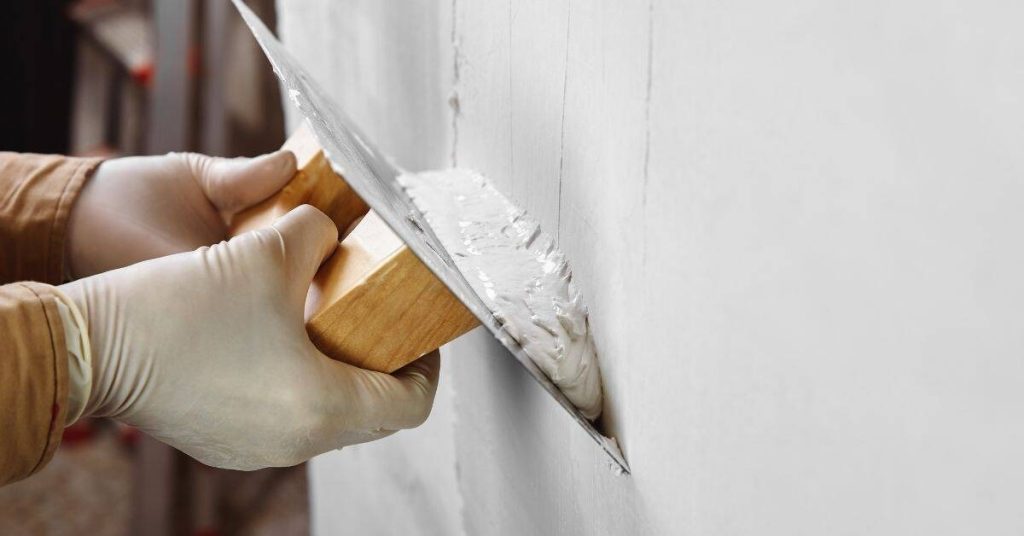
Introduction
Extra plaster coats provide additional mass and seal to help reduce sound transmission when the first layer isn’t enough. A second coat can improve sound dampening by filling gaps and smoothing the surface. But it’s not a magic fix for loud environments or structural issues.
Whether to add another coat depends on the room, the existing plaster, and how much sound you’re hoping to cut. Check that the base is clean, dry, and well bonded, and follow manufacturer or local guidance for drying and curing. Be realistic: extra coats add work and weight, and sometimes better results come from treating air gaps or sealing the wall system overall.
Key takeaways
- Extra plaster coats can improve sound blocking, but identify transfer paths first.
- Assess wall assemblies and avoid over-application that can crack or delaminate.
- Use compatible mixes and respect manufacturer guidance to prevent adhesion failures.
- Seal gaps and joints before adding plaster layers to maximize isolation.
- Testing acoustic impact after each coat helps spot diminishing returns early.
- Safety: wear eye protection and respirators when sanding or grinding plaster dust.
Table of Contents
- Introduction
- Key takeaways
- How Plaster Influences Sound Transfer: the Basics
- When an Extra Coat of Plaster Is Likely to Help
- When an Extra Coat Is Mostly Wishful Thinking
- Types of Plasters and Add-on Products for Acoustic Improvement
- Practical Application Techniques and Best Practices
- Tools and Materials Checklist
- Assessing the Job: DIY Vs Professional and Diagnostic Steps
- Expected Outcomes, Common Pitfalls and Maintenance
- Conclusion
- FAQ
How Plaster Influences Sound Transfer: the Basics
Plaster adds mass to a surface, which can slow down some sound waves. It also stiffens the wall and can damp vibrations when installed correctly. Surface absorption depends on texture and thickness, shaping how high-frequency sound is treated.
Understand the difference between airborne sound traveling through walls and structure-borne sound moving through a structure. Plaster alone has limits, so use it with other strategies as needed. Check manufacturer instructions or product labels to confirm any performance claims.
Mass, stiffness and the mass-law concept
Adding mass to your plaster can help reduce airborne sound transmission. This is due to the mass-law concept – more weight means less vibration.
But remember: adding too much mass won’t help further after a certain point. Check manufacturer data for specific material densities and performance claims.
For instance, doubling the thickness of your plaster only reduces sound by about 5-6 dB. So, don’t expect miracles from just adding more plaster.
Damping, absorption and surface treatments
Certain mixes or layered systems can improve damping – reducing resonances that cause sound to bounce around. Think of it like a trampoline with sand on it – less bounce.
A surface treatment might change how loud you perceive noise, but it won’t always reduce measured transmission loss. It’s more about changing the sound’s character than stopping it.
For example, adding a layer of acoustic foam to your plaster can absorb some sound energy, but it won’t block out noise from outside completely.
When an Extra Coat of Plaster Is Likely to Help
An additional plaster coat can seal small gaps and cracks that would otherwise leak sound. It can add mass to very thin partitions to reduce some noise transmission. A damping-rich layer on an existing surface can improve low-frequency performance when done correctly.
When in doubt, verify what the product datasheet or label says about layering, cure times, and compatibility with previous coats. Consider local rules or guidance if you live in a rental or near shared walls. Plan the coat around junctions and edges where sound often sneaks through.
Sealing cracks, gaps and flanking leaks
Plaster can be a great sealant for reducing sound leakage through openings. It fills gaps, improving airtightness and stopping sound from passing through.
Focus on: Cracks in walls or ceilings, gaps around pipes, wires, or windows. Plaster isn’t always the best fix for large gaps – consider foam or caulk there.
Remember, plaster won’t stop flanking leaks (sound traveling through adjacent structures). You’ll need to address those separately.
Adding useful mass to lightweight faces
Lightweight partition faces can benefit from a denser plaster finish. This adds mass, reducing sound transfer and improving soundproofing.
Check: Substrate strength before adding significant mass. A thin-coat or skim coat is usually fine, but heavier applications need proper support.
Adding mass works best on lightweight gypsum board or stud walls. It’s less effective on solid brick or concrete.
Using damping or constrained-layer approaches with plaster
Plaster systems with viscoelastic layers or constrained-layer techniques can improve soundproofing by increasing damping. These outperform simple extra-thickness plaster.
Viscoelastic: Think of it like a gel between two rigid layers, absorbing and dissipating energy as it vibrates.
Constrained-layer: A flexible layer sandwiched between two rigid ones. It works by converting vibrational energy into heat.
These techniques are more complex but can provide better soundproofing in certain cases.
When an Extra Coat Is Mostly Wishful Thinking
Extra plaster often has little impact on impact noise or structure-borne vibration that travels through framing and cavities. In those cases, sound is carried by the structure rather than the surface alone. Expect limited benefit from adding mass in isolation without other changes.
Look to targeted strategies such as decoupling, resilient channels, or dedicated acoustic assemblies instead. Always check building practices, local codes, and product instructions before pursuing a corrective layer.
Impact and structure-borne noise limitations
Adding another coat of plaster won’t do much against impact noises like footsteps, banging on walls, or furniture moving. These sounds travel through the structure itself, not just the air.
The reason? Impact noises create vibrations that pass right through your existing plaster and into the studs, joists, or other structural elements. A thicker layer of plaster won’t stop these vibrations.
What will help is decoupling the new plaster from the existing structure using resilient channels or hat channels. These create a gap that breaks the vibration path, reducing noise transfer.
Flanking paths, cavities and frame-borne transmission
Sound can sneak through gaps in your plaster and travel along studs, joists, or other framing members. This is called flanking transmission.
It’s like having a secret path for noise to bypass your plaster altogether. Even if you add another coat, the sound will just find a new way around it.
The best strategies here are sealing any gaps with acoustic caulk or expanding foam, and using sound insulation in the cavities between studs. You might also need to detail junctions carefully to stop noise leaking through there too.
Types of Plasters and Add-on Products for Acoustic Improvement
Gypsum, lime, and cement-based plasters each behave differently with sound and moisture. Acoustic plasters and dense-mass formulations aim to improve mass and damping. Some products pair with boards or specialty fillings to address specific noise paths.
Weigh trade-offs like breathability, durability, and installation effort. Review the label or manufacturer instructions to understand how a product should perform and what substrates it supports.
Traditional gypsum and lime plasters: pros and cons
Gypsum and lime plasters are common, affordable choices for DIY homeowners. They offer a range of acoustic benefits but have their limits.
Pros
- Cost-effective
- Easy to apply
- Provide some sound absorption
- Can help reduce echo
- Offer good fire resistance (gypsum)
- Flexible and adaptable (lime)
Cons
- Limited mass, so not ideal for blocking structure-borne noise
- Prone to cracking over time, affecting performance
- May require additional coats or additives for significant soundproofing
- Lime plasters can be more challenging to work with and slower to cure
Traditional gypsum and lime plasters are best used when you need basic sound absorption, echo reduction, or fire resistance. For more demanding acoustic needs, consider specialized products.
Acoustic plasters, dense-mass plasters and specialized mixes
Acoustic plasters are designed to provide superior soundproofing compared to traditional plasters. They often contain denser materials like perlite or vermiculite.
Dense-mass plasters offer increased mass, which helps block sound transmission. However, they can be more challenging to apply and may require additional reinforcement.
Specialized mixes, such as those containing recycled glass or other heavy aggregates, can provide even greater mass. These are typically used in new construction but can be applied as a retrofit with careful planning.
Acoustic plasters often outperform simple extra coats of traditional plaster due to their higher density and specialized formulations. However, they may still have limitations in blocking low-frequency noise.
Plasterboard, acoustic boards and constrained-layer membranes
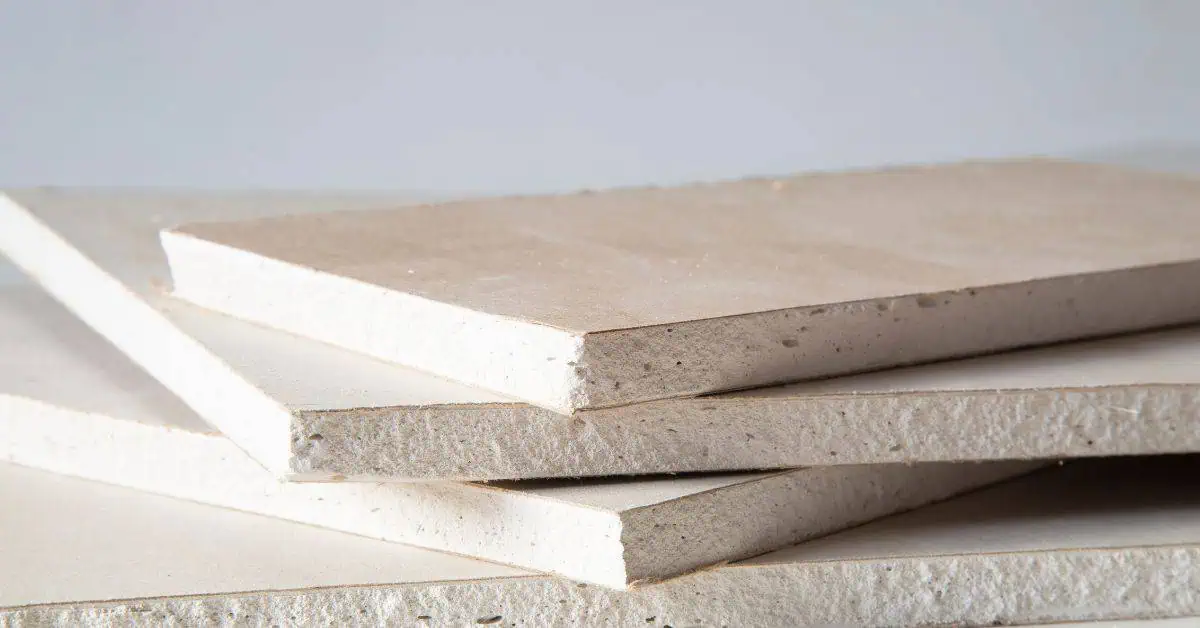
Using heavier plasterboard or acoustic panels under a plaster finish can enhance soundproofing. These products often contain denser materials like mineral wool or recycled glass.
Constrained-layer membranes (CLD) are thin, viscoelastic layers applied between two rigid surfaces to dampen vibrations. They can be used in conjunction with plaster for added noise reduction.
When retrofitting, consider compatibility and installation requirements. Heavier boards may need additional support, while CLDs require careful application to ensure optimal performance. Always follow manufacturer guidelines for best results.
Practical Application Techniques and Best Practices
Start with thorough surface preparation and clean joints to maximize adhesion. Plan a layer strategy that builds mass while avoiding new gaps. Pay attention to edges, corners, and ceiling junctions where sound leaks are common.
Follow real-world steps for mixing, troweling, and curing as instructed by the product label or datasheet. Use proper safety gear and work gradually to avoid cracks and debonding at seams.
Surface preparation, priming and adhesion checks
Before applying any acoustic plaster, ensure the existing surface is clean. Remove all dust, dirt, grease, or old paint using a suitable cleaner.
Check for any signs of delamination or instability in the existing finish. If present, these areas must be repaired before proceeding.
Compatibility is key. Ensure the new plaster is compatible with the existing surface to prevent adhesion issues and cracking later on.
Layering strategy, drying and curing considerations
Apply acoustic plasters in thin, even layers. Thicker layers can trap moisture and lead to cracking or delamination.
Follow product guidance for layer thickness and allow each layer to dry completely before applying the next one.
Keep environmental conditions within recommended limits during application and curing. Excessive heat, cold, or humidity can affect adhesion and drying times.
Sealing junctions, penetrations and visual checkpoints
Before applying plaster, use this checklist to ensure a continuous acoustic seal at common sound leak points.
- Skirtings: Check for gaps between skirting boards and walls. Seal with acoustic caulk if necessary.
- Sockets: Apply acoustic gasket around electrical sockets before plastering to prevent flanking transmission.
- Service penetrations: Seal around pipes, cables, or ducts with acoustic foam or caulk to stop sound leakage.
- Abutments: Ensure a tight seal at junctions between walls and ceilings, or walls and floors using acoustic mastic.
- Cracks: Fill any cracks in th