
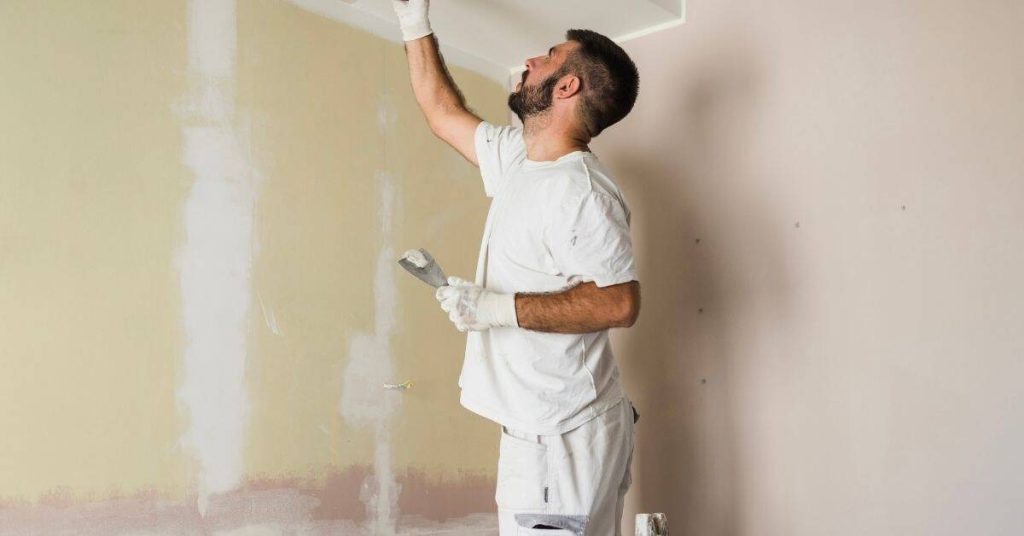
Introduction
Plaster patching at stair stringers is a repair method that stabilizes cracks and adds stiffness where vibration occurs. It targets the areas where the stringer carries load and movement from foot traffic. This guide describes a practical, hands-on approach you can tackle with basic tools.
Start by cleaning the damaged area and selecting a patch material that matches your plaster system, then follow the package directions. Mix and apply in thin coats, embedding any needed reinforcement like mesh or scraps as recommended by the product instructions, and let each layer set. Always check the label for coverage, safety, and local rules, and adjust the plan if you see unusual cracks or loose components.
Key takeaways
- Assess vibration zones on stair stringers before planning plaster repairs.
- Inspect damage extent with probing and tapping to determine repair scope.
- Choose reinforcement methods compatible with plaster and existing frame connections.
- Always wear PPE and inspect for loose stringers before starting.
- Prepare proper tools and materials checklist to avoid mid-job delays.
- Follow step-by-step patching in vibration zones with gradual material build.
- Test after repair with gentle testing and verify no audible cracking.
Table of Contents
- Introduction
- Key takeaways
- Understanding Vibration Zones on Stair Stringers
- Assessing Damage and Determining Repair Scope
- Materials Specs and Standards Explained
- Tools and Materials Checklist
- Reinforcement Strategies for Vibration-Prone Areas
- Step-by-Step Plaster Patching Procedure for Stair Stringers
- Testing, Verification, and Quality Checkpoints
- Troubleshooting, Common Mistakes, and Maintenance Tips
- Conclusion
- FAQ
Understanding Vibration Zones on Stair Stringers
A vibration zone on a stair stringer is where movement from foot traffic concentrates. These areas flex with every step and small reactions add up over time. Think of the stringer as a spring that transfers movement to nearby plaster.
Foot traffic, resonance, and the natural flex of wood or metal drive cracks to form in plaster. In these zones, patching without addressing movement tends to fail sooner. Identifying these spots helps you plan for proper reinforcement and lasting repairs.
Identifying symptoms of a vibration problem
Vibration damage on stair stringers isn’t always obvious. Keep an eye out for these signs:
Cracks: Hairline to running cracks, often starting at the treads or risers.
Sound: Plaster may sound hollow when tapped, indicating it’s no longer firmly attached.
Deflection: Visible deflection or warping of the stringer. This is serious and needs immediate attention.
If you’re constantly repairing cracks in the same spots, that’s a sure sign vibrations are at work.
Common structural and usage causes
The root of your vibration problem could be one or more of these:
Loose fasteners: If screws, nails, or bolts holding the stringer together are loose, they can’t do their job.
Inadequate support: Stringers need proper support from joists and other structural elements. Without it, they can vibrate excessively.
Span geometry: Long spans between supports can lead to excessive vibration. If your stringer is too long for its support, it might be the culprit.
Concentrated loads: Heavy loads on treads or landings can cause localized vibrations that damage plaster over time.
Assessing Damage and Determining Repair Scope
Start with a visual survey of cracks, chips, and hollow or loose plaster. Gently probe suspect areas to gauge soundness and attachment. Map out where damage extends beyond cosmetic patches.
Differentiate cosmetic from structural concerns by checking for movement, scale, and underlying support. If you notice persistent movement or new cracks after initial patching, consult an engineer or local building authority per label and instructions. Define repair boundaries before pulling materials or making cuts.
Visual, tactile, and simple probe inspection
Before you start patching, follow this checklist to understand the damage. It’s crucial to document everything so you know what needs fixing.
- Crack patterns: Sketch or photograph cracks. Hairline? Wide? Diagonal?
- Tapping for hollowness: Tap with a screwdriver handle. Hollow sound? That’s delamination.
- Areas of delamination: Press firmly. Any give? That’s loss of adhesion.
- Missing or damaged plaster: Check for gaps, holes, or crumbling.
- Wet spots or stains: Indicate possible water damage.
- Bulging or warped areas: Signs of excessive deflection.
- Fastener condition: Are screws/nails loose or missing?
- Substrate condition: Tap and press to check for solidity.
Quick rule: If you’re unsure, probe gently but firmly. Better safe than sorry.
When to escalate to a structural assessment
Some damage is beyond DIY repair. Know when to call in the pros.
Excessive deflection: If steps sag, wobble, or show signs of bending more than 1/8 inch, it’s time for a pro.
Widespread loss of substrate: Small areas can be patched. But if large sections are affected, it might be structural.
Compromised fasteners: If screws or nails are missing, loose, or rusty, and you can’t fix them easily, get a pro to assess the situation.
Repair vs replacement decision factors
Deciding between patching and replacing depends on several factors. Here’s what to consider:
Extent of damage: Small cracks or minor delamination can be patched. But if the damage is widespread, replacement might be necessary.
Underlying stringer condition: If the underlying structure is sound, patching may suffice. But if it’s damaged too, consider replacing.
Cost and longevity: Patching is cheaper but may not last as long. Replacement costs more but provides a longer-term solution.
Materials Specs and Standards Explained
Know the material categories: patching compounds, reinforcing meshes or plates, fasteners, and adhesives. Each group plays a role in bonding, strength, and vibration control. Verify compatibility with the existing plaster and substrate per product data and label guidance.
Look for performance notes that cover adhesion to plaster, filling ability, and elasticity under movement. Check for any local code or instruction requirements that may apply to stair applications. When in doubt, compare manufacturer instructions and local rules before buying.
Patching compounds and setting plasters
When patching vibration zones on stair stringers, you’ll need the right plaster. There are two types: pre-mixed and setting products.
Pre-mixed plasters are ready to use out of the tub. They’re quick and easy but can dry out fast. Make sure to keep them covered when not in use.
Setting plasters come as powders that you mix with water on site. They give you more working time but require accurate mixing. Always follow the manufacturer’s instructions for the best results.
Moisture is key for curing plaster. Keep the patched area damp for at least 72 hours to ensure a strong bond. But be careful not to over-saturate, as this can cause cracking.
Reinforcement materials: mesh, plates, and ties
The right reinforcement material makes all the difference in preventing cracks from recurring. Here are your options:
- Fiberglass mesh: Lightweight, flexible, and resistant to corrosion. It’s great for small repairs and areas with high vibration.
- Expanded metal lath: Heavy-duty and rigid. It’s ideal for large repairs and areas under heavy load.
- Steel plates: Provide exceptional strength but are more expensive and heavier. They’re best used where extra support is needed, like at the base of stairs.
Fasteners, anchors, and adhesive selection
Choosing the right fasteners and adhesives ensures your repair lasts. Here’s what to consider:
Fasteners: Go for corrosion-resistant options like stainless steel or galvanized hardware. Check local codes for specific requirements.
Adhesives: Use structural adhesives designed for your substrate. For example, use epoxy for concrete and polyurethane for wood. Always check manufacturer specifications for compatibility and application instructions.
Remember, the wrong adhesive can cause staining or weak bonds. And the wrong fasteners can corrode over time, leading to more repairs down the line.
Tools and Materials Checklist
Gather essential hand tools and a small power kit for mixing and rough trimming. Include reinforcement components like meshes or plates and appropriate fasteners. Add abrasives, sealants, brushes, and PPE for dust, splash, and vibration safety.
Plan for renting specialty items if needed and check the rental terms before pickup. Keep extra consumables on hand to avoid mid-project trips to the store. Use only tools in good working condition to ensure clean surfaces and solid bonds.
Hand and Power Tools Needed
Before you start patching, ensure you have the right tools. Here’s a quick checklist.
- Tape measure: Measure twice, cut once. Skipping this can lead to wrong cuts.
- Chalk line: Mark out cuts accurately for clean lines.
- Utility knife: For scoring and cutting back damaged plaster.
- Hammer: To remove loose material and tap reinforcement into place.
- Trowel: Apply and smooth patching compounds. Missing this can result in uneven surfaces.
- Putty knife: For filling small gaps and applying thin layers of compound.
- Circular saw: Cut reinforcement mesh to size. Safety first: use a guide for straight cuts.
- Drill with screwdriver bits: Drive screws into place. Wrong bit can strip screw heads.
- Safety glasses: Protect your eyes from debris. Skipping this can lead to injuries.
Quick rule: Always check tools before starting. Broken tools mid-job slow you down.
Reinforcements, Fasteners, and Consumables
Here’s what you’ll need to reinforce your patches. Check sizes with product data.
- Plaster mesh: Fiberglass or galvanized steel. Wrong type can rust or degrade over time.
- Plates and ties: Stainless steel for durability. Cheap alternatives can corrode.
- Screws: Galvanized or stainless. Rusting screws can cause patch failure.
- Drywall screws: For attaching mesh to stringers. Wrong size can pull through plaster.
- Plaster primer: Prepares surface for patching compound. Skipping this can lead to poor adhesion.
- Setting-type joint compound: For filling voids and reinforcing patches. Using the wrong type can result in weak repairs.
- All-purpose joint compound: For final finishing coats. Mixing types can cause patch to crack or peel.
- Joint tape: Fiberglass for strength. Paper tape can tear during application.
Quick rule: Always check product data for correct sizes and grades.
PPE and Access Equipment
Safety first. Here’s what you need to protect yourself and access those hard-to-reach areas.
- Eye protection: Safety glasses or goggles. Debris in eyes can cause serious injury.
- Dust mask: Protect your lungs from plaster dust. Inhaling can cause respiratory issues.
- Gloves: Work gloves for handling tools and materials. Wrong gloves can lead to poor grip and dropped tools.
- Hard hat: Protect your head from falling debris. Skipping this can result in serious injury.
- Ladder or scaffold: Access hard-to-reach areas safely. Wrong equipment can cause falls.
- Level: Ensure stringers are level before patching. Patching on an incline can lead to weak repairs.
Quick rule: Always prioritize safety over speed. A few extra minutes spent on safety can save you from serious injury.

Reinforcement Strategies for Vibration-Prone Areas
Mechanical reinforcement uses fasteners and inserts to physically tie plaster to the substrate. This approach is straightforward where access is good and damage is localized. It often works well with visible damage along stringer edges.
Composite and damping methods add layers or materials to absorb movement and reduce transmission. Choose based on damage pattern, accessibility, and whether you can surface-mix or need to add backing. When in doubt, compare options and align with label guidance and local rules.
Mechanical reinforcement (plates, screws, ties)
When your stair stringers and plaster are under heavy use, they can vibrate and weaken. Mechanical reinforcement stiffens them up.
Steel plates, screwed or bolted onto the stringer face, add strength. Through-fastening with long screws or bolts into the stringer’s core helps too. Use these methods when:
Cracks are wide and deep, or stringers show signs of excessive deflection under load.
Composite reinforcement (mesh and bonding)
Cracks in your plasterwork can run deep into the stringer. Mesh reinforcement helps bridge these cracks, stopping them from growing wider.
Embed fiberglass or metal mesh into your patch layers. This adds tensile strength to the patched area. Use this method when:
Cracks are long and numerous, or you’re repairing a large damaged area.
Vibration damping and isolation techniques
Heavy foot traffic or nearby machinery can cause vibrations that stress your plasterwork. Damping and isolation reduce this vibration transmission.
Resilient pads under heavy items, or isolation adhesives between stringer and plaster, can help. If possible, separate the plaster from direct structural vibration altogether.
These methods are useful when vibrations are causing cracking or loosening of your plasterwork.
Step-by-Step Plaster Patching Procedure for Stair Stringers
Prepare the surface by cleaning and removing loose material within safe limits. Lightly dampen the area to improve adhesion. Apply a bonding agent or primer as recommended by the product label.
Install reinforcement as planned, then apply patching compound in layers, allowing proper cure between applications. Trowel to a smooth finish and feather edges into surrounding plaster. Seal and cure per manufacturer instructions and treat as a vibration-prone zone during final checks.
Step-by-Step Process
This section guides you through the plaster patching process for stair stringers, from preparation to finish.
- Inspect and prepare the area: Check for loose plaster. Tape off nearby areas to protect them from debris or excess material.
- Remove loose plaster: Use a chisel or scraper to carefully remove any loose or damaged plaster. Be sure to wear safety glasses and gloves.
- Clean the substrate: Brush away dust and dirt with a stiff brush. Use a wire brush for any rusty areas.
- Treat rust: Apply a rust converter or primer to prevent further corrosion. Follow product instructions carefully.
- Prepare stringers for reinforcement: Expose any underlying stringers by removing old plaster completely. Ensure the surface is clean and dry before proceeding.
- Install reinforcement (next step): Position and fasten reinforcement materials as detailed in the following section.
- Mix and apply patching compound: Follow manufacturer’s instructions for mixing. Apply the first coat, embedding mesh if using, and allow it to set according to product guidelines.
- Finish and cure: Feather edges to blend with existing surfaces. Apply final coats, texturing as desired. Keep the patched area moist (but not wet) during curing, following product recommendations.
Preparation and Substrate Work
Before applying new plaster, it’s crucial to prepare the surface properly. This ensures good adhesion and a strong final result.
Start by removing any loose or damaged plaster using a chisel or scraper. Be careful not to damage the underlying substrate.
Clean the area thoroughly with a stiff brush, removing all dust and dirt. For rusty areas, use a wire brush to clean off the rust before treating it.
If there’s any rust present, treat it with a rust converter or primer to prevent further corrosion. This will also provide a better surface for the new plaster to adhere to.
Installing Reinforcement and Fastening Strategy
Reinforcing your patch is crucial in vibration-prone areas like stair stringers. Here’s how to install reinforcement materials correctly.
Position mesh or plates according to the specific needs of your staircase. Ensure they cover any damaged areas and extend into undamaged zones for added strength.
Fastening is key. Use appropriate fasteners, anchors, or adhesive as recommended earlier in this guide. Make sure reinforcement materials are securely fastened before applying plaster.
Before patching, ensure the reinforcement is well bonded to the substrate. This can be done by applying a thin layer of bonding agent or using a primer specifically designed for your reinforcement material and plaster type.
Applying Patch, Finishing, and Curing
Now that your substrate is prepared and reinforced, it’s time to apply the patching compound.
For the first coat, embed mesh if you’re using it. Apply the plaster evenly, ensuring it covers all areas and follows the contours of the stringer.
When applying subsequent coats, use a layering technique to build up the thickness gradually. This helps prevent cracking and ensures an even finish. Remember to feather edges to blend with adjacent surfaces for a seamless look.
Once finished, allow the patch to cure according to the manufacturer’s recommendations. Keep the area moist (but not wet) during this time to promote proper curing. This usually involves misting or covering the patch with damp cloths. Always follow product-specific guidelines for best results.
Testing, Verification, and Quality Checkpoints
Perform a basic check for surface stability, crack resistance, and tack of the patch. Listen for changes in tone when tapping near the repaired area. Document any residual movement or cracking.
For more technical verification, follow methods recommended by the product data sheet and any applicable standards. Record acceptance criteria, curing times, and observed vibration behavior to hand over to the homeowner or next trades.
Immediate visual and tactile acceptance checks
Before you declare the job done, give your repair a thorough once-over. Here’s a quick checklist to ensure everything is up to scratch.
- Adhesion: Gently press on the patched area. It should feel solid and not move or wobble.
- Voids: Inspect for any hollow spots or gaps that could indicate incomplete bonding.
- Finish: Check for a smooth, even surface with no rough patches or bumps.
- Fasteners: Ensure all screws and ties are securely fastened and not protruding.
- Reinforcement: Feel around the edges to confirm mesh or plates are properly embedded.
- Cracks: Look for any new cracks that may have formed during drying.
- Color match: Ensure the patched area blends with the surrounding plaster.
- Drying: Check that the patch is completely dry to touch. If it’s still damp, wait before proceeding.
Quick rule: If anything feels or looks off, don’t hesitate to recheck your work or consult a pro.
Simple dynamic checks and when to instrument
Now let’s see if the repair has truly improved vibration reduction. Here are some simple tests you can do, and when to call in the big guns.
- Walk test: Walk on the stairs and feel for any vibrations. Compare with before the repair.
- Jump test: Gently jump near the stringer and listen for any increased noise or movement.
- Door slam: Slam a door nearby and see if it causes more vibration than before.
- Instrumented measurement: If you’re not satisfied with the improvement, consider using an accelerometer to quantify vibrations. This can help pinpoint any remaining issues.
- Professional testing: If DIY methods aren’t cutting it, hire a structural engineer or vibration consultant for more advanced testing.
Quick rule: Don’t be afraid to escalate if you’re not seeing the results you want. Better safe than sorry!
Documentation and handover checklist
Proper documentation is key for future maintenance and reference. Here’s what to record before handing over the project.
- Materials used: List all materials, including plaster type, reinforcement, fasteners, etc.
- Locations of reinforcement: Mark or photograph where you’ve placed mesh, plates, or other reinforcements.
- Before/after photos: Take pictures to show the progress and final result.
- Maintenance recommendations: Provide clear instructions on how to maintain the repair and when to inspect it again.
- Warranty information: If applicable, include details about any warranty coverage for the work done.
Quick rule: Good records make everyone’s life easier. Don’t skimp on documentation!
Troubleshooting, Common Mistakes, and Maintenance Tips
Avoid under-prepping the substrate or skimping on reinforcement in high-movement zones. Do not overfill patches to the point of visible ridges. Check for proper adhesion before finishing and repainting.
Inspect the area periodically after use and resume maintenance if you notice new movement or cracking. Keep a simple log of repairs, inspections, and any changes in vibration behavior to catch problems early.
Typical failure modes and quick fixes
Cracking or delamination in your plaster patches can be frustrating. Let’s tackle the common causes and how to fix them.
Poor preparation: Inadequate cleaning, priming, or substrate repair leads to poor adhesion. Solution: Thoroughly clean and prime the area before applying new patch.
Wrong materials: Using incompatible materials can cause premature failure. Solution: Stick to recommended materials for your specific application.
Insufficient reinforcement: Skimping on reinforcement leads to vibration-related damage. Solution: Review and reinforce as per our earlier step-by-step guide, ensuring you’ve used mechanical or composite reinforcement correctly.
When to consider a more extensive structural fix
Sometimes, localized repairs aren’t enough. Here’s when to think bigger:
Widespread cracking: If cracks are spreading beyond the patched area, it might indicate a larger issue. Action: Inspect the entire stringer and consider reinforcement or replacement.
Visible deflection: Sagging or bending in the stringer could signal structural failure. Action: Consult a structural engineer for assessment and potential strengthening or replacement.
Persistent vibration: Despite your best efforts, if vibrations still cause issues, it might be time for a more extensive fix. Action: Consider vibration isolation techniques or stringer reinforcement as discussed earlier in the article.
Routine inspection and preventive maintenance
When to use this checklist: Every six months, or after any significant event that could affect your stairs (like heavy foot traffic or nearby construction).
- Tighten fasteners: Loose screws or bolts can lead to vibration-related issues. Tighten as needed.
- Fill hairline cracks: Small cracks can grow if left untreated. Fill them promptly with a suitable filler.
- Address water ingress: Water can weaken the substrate and cause plaster failure. Seal any leaks immediately.
- Check reinforcement: Ensure mechanical or composite reinforcement is still securely in place.
- Inspect for delamination: Gently tap the patch. If it sounds hollow, there might be delamination.
- Monitor vibration: Check if vibrations are causing any new issues. Address promptly if they are.
- Clean and prime: Keep the area clean and primed to maintain adhesion.
- Document findings: Keep a record of your inspections and repairs for future reference.
Quick rule: Regular checks and prompt action can extend the life of your plaster patches significantly.
Conclusion
Safe, durable repairs on stair stringers come from sticking to the plan: identify vibration zones, assess damage honestly, and reinforce where needed so plaster patching holds up and looks right.
Run your patching like this: inspect the worst spots first, verify your patching materials meet the specs for plaster and reinforcement, set up your tools and safety gear, apply the patch in shallow, controlled lifts, test the area after each step, and finish with a light touch to match the surrounding surface. Start small, test in a hidden spot, then scale up to the full repair while keeping the area clean and dry.
Common mistakes to avoid are rushing the preparation, skipping the reinforcement in high-vibration zones, and ignoring safety rules or testing. Always wear eye and hand protection, work with the section supported, and never plaster over loose or damaged stringers without addressing the root cause. If the patching area is large, the damage runs through the structure, or you’re unsure about the reinforcement plan, call a professional before you push ahead. When you do it right, the stairs stay solid, look good, and you’re back to safe, trouble-free use in no time.
FAQ
What should I check before adding reinforcement around vibration-prone stair stringers?
Look at the manufacturer’s instructions on any patching or reinforcement products. Check labels for curing times, weight limits, and compatibility with plaster. If in doubt, follow local rules or ask the supplier for guidance.
Can I mix reinforcement methods in the same patch job?
Yes, you can combine methods like flexible patch materials with direct bonding underlayments. Make sure each product is compatible with plaster and follow the label directions. If you’re unsure, test a small area first and verify with product instructions.
How should I prep the surface before applying patches near stringers?
Clean dust and loose material from the patch area. Dampen the surface if the patching material requires it, but don’t leave puddles. Always abrade smooth surfaces to give the patch something to grip, and follow product guidance for priming or bonding agents.
What signs indicate I should stop and re-evaluate reinforcement work?
Cracking that keeps reappearing, loose or hollow spots, or unexpected movement after patching means something isn’t right. Re-check the vibration zone, re-clean the area, and consult the patching product instructions or a professional if it persists.