
Introduction
Blisters in plaster happen when moisture is trapped behind the skim coat, causing bubbles. Before you re-skim, the goal is to dry out the area and reattach loose material. Check the plaster surface for loose edges and follow manufacturer instructions or local rules for drying.
Give the area plenty of ventilation and use gentle heat or airflow to encourage evaporation, never forcing it. Inspect the surface again after it dries and only then plan your re-skim hand-work with clean tools and proper bonding technique. If you’re unsure, verify labels and local requirements before proceeding.
Key takeaways
- Inspect plaster blisters for moisture signs before any re-skimming or sanding.
- Drying strategies should balance moisture removal with avoiding new damage.
- Test moisture levels with appropriate tools and follow manufacturer guidelines.
- Passive methods need time and ventilation; monitor progress daily.
- Active drying requires safety gear, proper electrical setup, and supervisor oversight.
- Prepare the wall surface and perform adhesion tests before re-skim.
Table of Contents
- Introduction
- Key takeaways
- What Causes Plaster Blisters and Trapped Moisture
- Diagnosing Severity: How Bad Is the Trapped Moisture
- Measuring Moisture: Tools and How to Interpret Readings
- Passive Drying Strategies (Low-Tech, Minimal Equipment)
- Active Drying: Equipment, Protocols, and Safety
- Preparing the Wall for Re-Skim: Surface Prep and Tests
- Regulations, Warranties, and When to Hire a Professional
- Common Mistakes, Troubleshooting, and Quick Reference Checklist
- Conclusion
- FAQ
What Causes Plaster Blisters and Trapped Moisture
Blisters form when moisture gets trapped behind plaster during or after application. Water ingress, rising damp, and condensation are common culprits that push moisture into the base layers. Wet trades and poor detailing can seal in this moisture behind an impermeable finish.
When the enclosure between plaster and substrate stays damp, the trapped moisture expands and creates blistering. Delayed drying after wet work and overly tight finishes prevent any natural evaporation, worsening the problem. Understanding these factors helps you target the right drying approach before re-skim.
Common sources of trapped moisture
Plaster blisters often start with water finding its way behind your walls. Here are the usual suspects:
From above: Roof leaks or pipework issues can drip water onto ceilings and down walls, leaving moisture to build up.
From outside: Ground moisture creeping up walls (rising damp) or external penetration points like cracks or gaps around windows and doors can let water in.
From within: Condensation forms when warm, moist air meets cold surfaces. Recent wet trades like plastering or painting also leave behind moisture that needs time to dry out.
How plaster reacts to moisture
When moisture gets trapped behind your plaster, it starts causing trouble:
The water weakens the bond between the plaster and the wall, making it lose its grip. This is when blisters start forming – the plaster lifts off the wall as it tries to escape the moisture.
Blisters aren’t just cosmetic; they’re a sign that your plaster’s integrity is compromised. Poke them gently with a screwdriver – if it goes in easily, the bond has been broken and you’ve got a problem on your hands.
Don’t ignore these signs. Left untreated, blisters can grow bigger, cause more damage, and even lead to mold growth.
Diagnosing Severity: How Bad Is the Trapped Moisture
Assess severity by looking at visible damage, how widespread it appears, and where the moisture likely originates. A small, localized blister differs from widespread surface deformation or staining. Pinpointing the suspected source helps decide if drying alone is enough or if remediation is needed first.
As damage increases, so does the time and method you’ll need to dry thoroughly. The extent of the affected area influences whether you can proceed with a re-skim after drying or if more extensive repair is required. Use a practical, stepwise approach to determine your next actions.
Visual checkpoints
Before you start poking and prodding, get a good look at the affected area. This checklist helps you spot signs of trapped moisture.
- Bubbles or blisters: These are the most obvious signs. They indicate that moisture is pushing through the plaster.
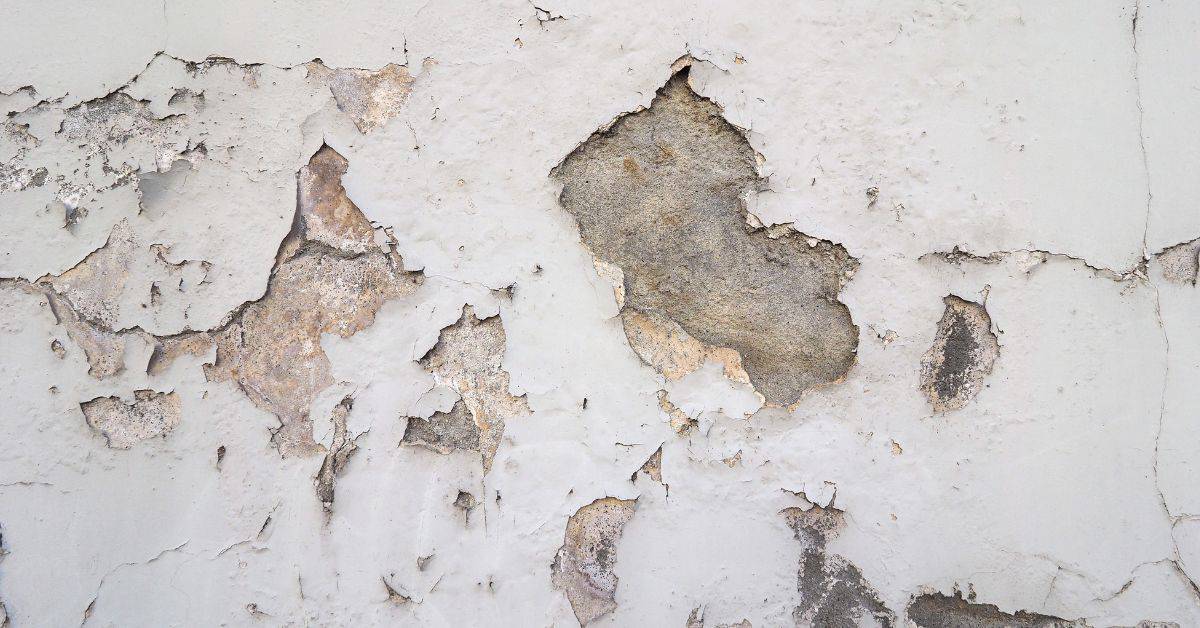
- Delamination lines: If you see cracks or lines where the plaster is peeling away from the wall, it’s likely due to trapped moisture.
- Staining: Dark spots or patches could mean water is seeping through.
- Efflorescence: A white, powdery substance on the surface might indicate rising damp.
- Mold: Black, green, or orange spots are a clear sign of moisture and potential mold growth.
- Soft or crumbly areas: If the plaster feels soft or crumbles easily, it’s likely been weakened by trapped moisture.
Quick rule: Don’t ignore any of these signs. Each one points to a problem that needs addressing.
Tactile and simple tests
Now it’s time to get hands-on. These tests help confirm if the moisture is active and where it’s coming from.
Gently press on the affected area. If it feels spongy or gives way, there’s likely trapped moisture behind it.
Tap on the plaster. A dull thud could indicate a void behind the surface, which might be filled with water.
Use your nose. A musty smell often accompanies trapped moisture and mold growth.
For a more definitive test, use a small probe to poke into the plaster. If it goes in easily and hits something solid (like timber or metal), you’ve found the source of the problem.
Risk assessment: structural and health risks
Trapped moisture isn’t just an aesthetic issue. It can cause serious problems if left untreated.
Structural risks: Moisture can weaken timber or metal structures, leading to costly repairs down the line. If you suspect this is happening, contain the area immediately and call in a professional.
Health risks: Mold growth can cause allergic reactions and respiratory issues. If you see mold, wear protective gear (gloves, mask) when working in the area, and consider getting an air quality test.
Remember, if the damage is extensive or you suspect structural compromise, don’t try to fix it yourself. Call a professional immediately.
Measuring Moisture: Tools and How to Interpret Readings
Use simple moisture meters to check surface conditions and deeper readings, plus a hygrometer for ambient humidity. Each instrument gives you different insights; surface readings can flag lingering dampness, while internal readings show where moisture sits. Learn what each tool measures to read the data correctly.
Interpreting readings means comparing them to manufacturer guidance and product data sheets for your wall system. Do not rely on a single value—look for trends across the area and over time. Always verify acceptance values with the specific materials and coatings you plan to use.
Types of moisture meters and when to use them
Moisture meters are your eyes into the walls. Here’s what you need to know about the three types:
Pin Meters: These are great for surface checks. Stick the pins in, and it’ll tell you if there’s moisture at that exact spot.
Pinless Meters: For depth profiling, these are your go-to. They use a sensor to scan deeper into the wall without needing to poke holes.
Probe Systems: When you’ve got hard-to-reach areas or need to check behind obstacles, probe systems come in handy. They’re inserted through small holes and can measure moisture up to 3 inches deep.
Using hygrometers and assessing drying conditions
A hygrometer measures humidity in the air. It’s crucial for spotting ongoing condensation risk and checking if your drying efforts are paying off.
Relative humidity above 60% can lead to condensation, so keep an eye on that number. Also, monitor temperature – it affects how much moisture the air can hold.
Place your hygrometer in a representative area, away from drafts and direct sunlight. Check it regularly until you’re consistently below that 60% mark.
Recording and documenting for re-skim approval
Keeping a log of your moisture readings is vital. It shows consistent drying progress and satisfies contractors or insurers.
Here’s what to record: date, location (wall, floor, etc.), instrument used (meter type), and the reading itself. Take readings in multiple spots for a thorough record.
Keep this log simple and organized. A spreadsheet or even a notebook will do. The key is to show that moisture levels are consistently dropping over time.
Passive Drying Strategies (Low-Tech, Minimal Equipment)
Ventilation is your first line of defense: move air through the space and around the affected wall. Isolating the moisture source, if possible, helps prevent cross-contamination of other areas. Use natural air movement and gentle, consistent warmth where appropriate.
Passive methods work best for mild cases or as a supplementary step. They may not fully dry heavy moisture pockets or structural dampness, so monitor progress and be prepared to escalate if needed. Always verify that passive strategies align with local guidance and manufacturer recommendations for your materials.
Ventilation and humidity control
To tackle trapped moisture, you need to increase air changes safely. Open windows regularly, especially after cooking or showering.
Use trickle vents if fitted. If not, consider installing some temporarily. They let in fresh air while keeping out rain.
Reduce indoor moisture generation too. Fix leaks promptly and don’t overwater plants.
Monitor humidity levels with a hygrometer. Aim for 40-60% relative humidity (RH). If it’s higher, ventilation needs boosting.
Removing external moisture sources
First, isolate or repair any leaks from outside. Check roof, walls, and windows. Temporarily patch if necessary.
Ensure gutters and downspouts are clear and draining away from the property. Fix any issues with external drainage.
Protect vulnerable areas with temporary covers or sheeting to stop further ingress while drying out.
Remember, these steps won’t fix severe cases alone. They’re best for mild issues or as part of a broader strategy.
Safe heating and airflow
Domestic heaters can help dry out plaster, but go slowly. Sudden heat can cause thermal shock, leading to cracking.
Start with a low setting. Gradually increase over a few days. Keep the room at a consistent temperature.
Use fans to promote airflow too. But avoid pointing them directly at the walls as this can cause drafts and slow drying.
Monitor the surface for any signs of stress. If you see cracks, reduce heat and airflow until it stabilizes.
Active Drying: Equipment, Protocols, and Safety
Active drying uses devices like dehumidifiers and axial fans to move air and remove moisture more aggressively. Place units to cover the damp zone without creating drafts that dry too quickly and damage finishes. Consider low-pressure extraction or drying mats for targeted areas as needed.
Follow safety and household considerations by sizing equipment to the space and using safe electrical practices. Check that the equipment capacity matches the room or wall area per the manufacturer guidance, and never exceed safe operating limits. Always review product instructions and local rules when in doubt.
Dehumidifiers and fans: selection and placement
Choosing the right dehumidifier and fans is crucial for effective drying. Select a unit with capacity matching your room size, not horsepower or brand.
For example, a 70-pint dehumidifier works well in a 150 sq ft room. Place it centrally, away from walls to maximize airflow. Use axial fans to exhaust humid air out and draw fresh air in.
Ventilation strategy is key. Exhaust fans should face windows or doors for fresh air intake. Keep doors open between rooms for cross-ventilation.
Heating strategies and controlled drying
Heat gently to avoid rapid surface drying. Start with low heat, around 68°F (20°C). Increase gradually as moisture levels drop.
Use space heaters or baseboard heating for even heat distribution. Avoid direct heat sources like fireplaces or radiators that can cause uneven drying and damage plaster.
Combine heating with ventilation/dehumidification. Fans help distribute heat evenly while dehumidifiers remove moisture. Monitor progress with a hygrometer to maintain 30-50% relative humidity.
Monitoring progress and avoiding over-drying
Over-drying can crack old plaster. Watch for these signs of sufficient drying:
- Stable humidity levels: When readings stay around 40-50% RH for several days, it’s time to slow down or stop active equipment.
- Dry surface feel: Plaster should feel consistently dry and cool to touch.
- No condensation: Windows and walls should be free of moisture beads or water droplets.
- Stable temperature: Room temperature should remain steady with no sudden drops.
Regularly check progress. If unsure, err on the side of caution to prevent damage.
Preparing the Wall for Re-Skim: Surface Prep and Tests
Before re-skim, remove loose plaster and any friable material to create a sound surface. Clean contaminants that could interfere with bonding and check for oil, wax, or efflorescence that requires treatment. Run bonding tests on small areas to confirm the new skim will adhere.
Confirm the moisture status is acceptable for finishing by following the manufacturer or product label guidance. Ensure the wall is dry enough to accept a new skim and that the substrate is stable and sound prior to proceeding. Document findings so you can reference them during installation.
When to Remove Blisters vs. Feather In
Before you start re-skimming, decide whether to cut out unstable areas, feather edges for patching, or go for full replastering.
Remove blisters: If they’re large, unstable, or show signs of mold, cut them out. Use a sharp tool to score around the blister, then carefully lift it off.
Feather edges: For small, stable blisters, feather the edges for patching. Score around the blister, then use a scraper to remove a thin layer of plaster from the surrounding area.
Full replastering is best when more than 50% of the wall is affected or if the existing plaster is poor quality.
Surface Contamination and Bonding Tests
Before re-skimming, remove salts, mold, and residual contaminants to ensure a strong bond.
Remove salts: Use a solution of 1 part muriatic acid to 20 parts water. Apply with a brush, let it sit for 5 minutes, then rinse off.
Remove mold: Use a solution of bleach and water (1:8 ratio). Scrub the affected area, let it sit for 15 minutes, then rinse off. Follow up with a fungicide if necessary.
Perform a simple pull/bond test by applying a small amount of plaster to the wall, letting it dry, then pulling on it gently. If it doesn’t come off easily, you’re good to go.
Pre-Skim Moisture Acceptance Tests and Sign-Off
Before re-skimming, conduct final moisture checks to ensure the wall is dry enough for plastering.
Use your moisture meter to check readings. They should be below 16% for most plasters. If they’re higher, continue drying until acceptable levels are reached.
Document these final checks, noting dates, readings, and any actions taken. Both homeowner and contractor should sign off on the results.
Acceptance criteria may vary depending on your plaster or contractor’s guidelines. Always follow their recommendations to ensure a successful re-skim.
Regulations, Warranties, and When to Hire a Professional
Legal, warranty, and insurance considerations can affect your drying and re-skim decisions. Local building regulations may specify acceptable moisture levels and methods for repairs. Warranties on coatings or plaster materials can require certain curing or drying steps.
There are scenarios where specialist contractors or drying engineers are warranted, especially for opaque moisture issues or structural concerns. Always check local regulations and product warranties rather than assuming specifics, and consult professionals when conditions exceed your comfort zone.
Building regs, insurance and warranty considerations
Before you start any drying work, check your local building regulations. They might have rules about moisture control and ventilation.
Insurance: If the blisters are due to a covered event like flooding, notify your insurer immediately. Keep records of all repairs for potential claims.
Warranties: Some plasterboard warranties may be void if moisture damage isn’t addressed promptly and properly. Check with your supplier before starting work.
Choosing an experienced plasterer or drying specialist
For major jobs, consider hiring a professional. Here’s what to look for:
Experience: They should have dealt with damp issues before. Ask about their track record.
References: Speak to past clients. If they’re hesitant, walk away.
Method statements: A good tradesperson will explain their drying protocol clearly. Ask about their approach and ensure it aligns with your article’s advice.
Evidence and documentation for claims or permits
Keep detailed records throughout the drying process. You’ll need them for insurance claims or permit applications:
Photos: Take before, during, and after photos of the affected areas.
Moisture logs: Keep a record of moisture levels over time. This shows progress and can support claims.
Receipts: Save all repair-related receipts for insurance purposes.
Common Mistakes, Troubleshooting, and Quick Reference Checklist
Avoid assuming drying is complete based on a single reading or a quick visual check. Inconsistent results often indicate hidden pockets or sources that haven’t been addressed. Keep a running check of both surface and internal conditions as you work.
Use the concise checklist to guide you from diagnosis through the final sign-off, ensuring moisture control and bond readiness. If problems persist, re-evaluate sources, tools, and methods, and consult manufacturer instructions before proceeding.
Frequent errors to avoid
Before you start the drying process, use this checklist to ensure you’re not making common mistakes that could lead to recurring moisture problems.
- Don’t re-skim too soon: Wait until relative humidity is consistently below 70% at the wall surface.
- Avoid impermeable finishes: Use breathable paints and plasters to allow moisture escape.
- Ignore salts/mold at your peril: Address any visible signs of salt deposits or mold growth before re-skimming.
- Monitor regularly: Check progress frequently using a moisture meter. Inadequate monitoring can lead to over-drying or lingering moisture.
- Don’t ignore construction defects: Address any cracks, gaps, or other defects that could allow water ingress.
- Be cautious with insulation: Ensure insulation doesn’t trap moisture. Use open-cell foam or rigid board insulation where necessary.
- Consider external factors: Check for and address any external sources of moisture, like leaking pipes or poor drainage.
- Don’t rush the drying process: Patience is key. Rushing can lead to incomplete drying and recurring problems.
Quick rule: Addressing these common pitfalls upfront will save you time, money, and frustration in the long run.
Troubleshooting persistent moisture problems
If your drying efforts seem to be stalling, use this checklist to diagnose and address the issue before re-skimming.
- Re-check sources: Confirm that all potential moisture sources have been identified and addressed. Some may have been overlooked initially.
- Verify equipment functionality: Ensure fans, dehumidifiers, and heaters are working properly and placed optimally.
- Monitor consistently: Check progress regularly using a moisture meter. Stagnant readings could indicate a problem with your drying strategy.
- Check for condensation: Look for signs of water droplets on cold surfaces, indicating condensation is occurring.
- Inspect plumbing: Rule out any leaks or cracks in pipes that could be reintroducing moisture.
- Review insulation: Ensure insulation isn’t trapping moisture. Consider upgrading to a more suitable type if necessary.
- Consider external factors: Check for and address any changes in external conditions that might be affecting your drying efforts.
- Document everything: Keep records of all readings, adjustments, and observations. This will help you track progress and identify trends.
Quick rule: Persistent moisture problems often require a multi-step approach. Be prepared to escalate your efforts as needed.
Tools and materials checklist plus visual checkpoints
Before you sign off on the drying process and prepare for re-skimming, use this checklist to ensure everything is in order.
- Moisture meter: Use a reliable moisture meter to confirm that RH levels are consistently below 70% at the wall surface.
- Hygrometer: Verify that relative humidity in the room is consistently below 60%.
- Fans and dehumidifiers: Ensure all equipment is functioning properly and placed optimally for maximum effectiveness.
- PPE: Have safety gear like gloves, goggles, and masks on hand for any necessary tasks.
- Visual checkpoints: Inspect the walls for any signs of moisture, mold, or other issues before re-skimming.
- Document everything: Keep records of all readings, observations, and equipment used. This will serve as evidence for sign-off.
- Test patches: Apply test patches of your chosen plaster to ensure it bonds properly with the dried surface.
Quick rule: Thoroughly checking and documenting everything before re-skimming will help prevent costly mistakes and ensure a successful final product.
Conclusion
Getting the plaster dry and ready for a re-skim protects the wall, preserves your time, and keeps you safe from mold and costly repair later. The key is controlled moisture management: test, dry, and recheck before you apply new plaster.
Proceed with this practical checklist: assess the trapped moisture level with a reliable reader, start with passive drying to avoid overreaction, switch to active drying only if readings stay high, monitor every 24 hours, test the wall surface and the interior corner of the cavity, verify that the moisture readings drop to acceptable ranges, and then dirty-test a small patch before you commit to full re-skim. Follow the surface prep and test steps exactly, clamp down on debris, and document readings and steps as you go.
Common mistakes to avoid are pushing ahead with a skim while moisture is still high, skipping tests after each drying stage, and using overly aggressive drying or unknown chemicals that can damage the substrate. Safety rules to live by: never work on a wet wall without proper PPE and ventilation, never seal off moisture without a plan to vent or remove it, and always verify readings with a second instrument or a second person’s check before you proceed. If any reading stubbornly refuses to move or you see signs of efflorescence, delamination, or cracking, stop and reassess with a professional.
If the moisture problem is deep, unusual, or bounds into regulations or warranties, it makes sense to call a professional rather than push on with guesswork. Stay steady, document every step, and you’ll finish with a durable surface that looks right and lasts.
FAQ
1. How do I know when the wall is ready for a re-skim after drying?
Look for all visible moisture signs to be gone and the surface to feel dry to the touch. If you tested with a moisture meter, readings should be stable and within the range you’re aiming for according to the manufacturer’s guidance. When in doubt, follow the product label and any local recommendations.
2. Can I use heat or a dehumidifier to speed up drying, and what are the risks?
Yes, you can use these tools, but don’t overdo it. Excessive heat can crack plaster or drive moisture behind the skim coat. Use equipment as directed and monitor the wall; never bypass manufacturer instructions or safety guidelines.
3. What are the warning signs that I’m not ready to skim yet?
Sticky or damp-looking patches, ongoing musty odors, or readings that keep moving upward indicate more drying is needed. If the wall still feels cold and damp to the touch, pause and re-check with your moisture tool and your drying setup. Don’t proceed until readings are stable and surfaces aren’t showing moisture.
4. What should I do if moisture returns after I’ve skimmed once?
Stop and inspect the wall layout, insulation behind the plaster, and any leaks. Re-dry the area using your established method, then re-test before attempting another skim. If moisture keeps returning, consult a professional or follow the label instructions for corrective steps.