

Introduction
Backing methods for patching stucco after plumbing repairs provide support under the patch to keep it solid. They help prevent sagging or settling as the repair dries and cures. Choose a backing that fits behind the stucco and works with the existing wall.
Place the backing so it sits behind the new stucco and anchors to a solid structure. Check that there are no gaps and that the patch feels firm before applying putty or finish.
Key takeaways
- Inspect existing stucco substrate for moisture damage before patching to decide backing.
- Use rigid backing behind patch to prevent future soft spots and cracks.
- Prime damaged edges and install moisture barrier to slow capillary transfer.
- Maintain proper drainage around repaired area to minimize water exposure.
- Wear eye and skin protection when removing damaged stucco; test patch firmness.
- Follow manufacturer instructions for materials and local codes before work.
Table of Contents
- Introduction
- Key takeaways
- Quick Overview: Why Soft Spots Form After Plumbing Repairs
- Diagnosing the Damage and Locating the Soft Spot
- Preparing the Opening: Removal and Substrate Prep
- Backing Methods That Prevent a Soft Spot (Comparison)
- Moisture Management and Vapor Control Strategies
- Step-by-Step Repair Workflow to Prevent Soft Spots
- Tools and Materials Checklist
- Visual Checkpoints and Testing to Confirm no Remaining Soft Spot
- Conclusion
- FAQ
Quick Overview: Why Soft Spots Form After Plumbing Repairs
Water intrusion and delayed drying can compromise stucco after plumbing work. Delayed or uneven drying creates moisture pockets that weaken the backing over time. Inadequate backing and improper lath or shear support can lead to soft spots that deteriorate with use.
The goal of this article is to restore structural support and prevent future soft spots. We’ll cover detection, removal, backing options, and moisture control. Follow these steps to plan a durable patch that stands up to moisture exposure.
Diagnose moisture paths and structural indicators before patching
Before attempting any repairs, it’s crucial to identify the source of the soft spot in your stucco. Start by visually inspecting the area for signs of active leaks or hidden water damage.
Check lath integrity for delamination or corrosion, which can compromise backing support. Use a flashlight and magnifying glass if necessary to examine hard-to-reach areas.
Perform moisture testing using tape tests and moisture meters to locate active leaks and hidden water damage. If any are found, address and repair these issues before proceeding with patching. It’s a common mistake to apply backing materials without first fixing the source of the moisture problem.
Select and install proper backing and lath for a stucco patch
To prevent future soft spots, it’s essential to use the correct backing materials and installation methods. Recommended backing materials include metal lath, wire mesh, or rigid foam/backer boards.
Ensure fasteners are appropriate for the chosen backing material and provide sufficient support. For metal lath, install with 1/2″ to 3/4″ spacing using suitable fasteners. When using wire mesh or rigid foam/backer boards, follow manufacturer’s instructions for installation and fastener use.
Always verify that the selected backing materials meet local building codes and manufacturer specifications. Incorrect installation or use of inappropriate fasteners can lead to recurring soft spots, so it’s crucial to adhere to these guidelines.
Diagnosing the Damage and Locating the Soft Spot
Begin with a careful visual and tactile inspection of the area. Test for softness by applying light pressure to identify delaminated or spongy stucco. Look for bubbling paint, staining, or cracking that signals underlying issues.
Differentiate surface damage from backing failure by probing edges and monitoring for loose components. Note any signs of moisture intrusion that point to a hidden backing problem. Document findings to guide the repair plan.
Visual and Tactile Inspection Checklist
Before starting any repair work, use this checklist to visually and tactically inspect the affected area. This will help you identify weakened areas and map out the repair boundary.
- Cracking or Crumbling: Look for cracks or crumbling stucco, which may indicate a soft spot.
- Discoloration: Check for discolored areas, as this could signify moisture damage.
- Delamination: Gently tap the stucco with a hammer. A dull thud instead of a solid sound may indicate delamination.
- Soft Spots: Press firmly on the stucco. Soft or spongy areas need immediate attention.
- Missing Pieces: Check for any missing pieces of stucco, which could expose underlying damage.
- Water Stains: Look for water stains, especially around plumbing fixtures, as this may indicate a leak.
- Warping or Bulging: Inspect for warped or bulging areas, which can signal hidden damage.
- Uneven Surfaces: Feel for any uneven surfaces, as this could indicate underlying issues.
Quick rule: Always inspect the area thoroughly before starting repairs to avoid missing any underlying damage.
Moisture and Mold Checks Before Repair
Before proceeding with the repair, it’s crucial to check for moisture and mold. This will help prevent further damage and ensure a successful repair.
Use a moisture meter to test the affected area and surrounding stucco. If readings are consistently high (above 15-17%), wait for the area to dry fully before proceeding. Consult local building codes or manufacturer instructions for specific moisture content limits.
Inspect the area visually for signs of mold. Look for dark spots, stains, or a musty smell. If you find mold, consider calling a professional mold remediation service. Always wear appropriate safety gear when dealing with mold.
Note: If moisture levels are high or if you suspect mold, wait until the area is completely dry before proceeding with repairs. In some cases, it may be necessary to call a specialist for further inspection and guidance.
Preparing the Opening: Removal and Substrate Prep
Safely remove compromised stucco and any damaged backing around the affected area. Protect surrounding surfaces and control dust during demolition. Create a properly sized opening that provides access for solid backing and proper detailing.
Clean the substrate thoroughly to expose sound material. Inspect for level or plumb deviations and correct as needed. Ensure the opening allows for adequate backing support and moisture management.
Stucco Removal Extent
When preparing a stucco repair opening after plumbing work, ensure all compromised material is removed to expose solid, sound substrate behind the soft spot.
Remove back to stable area: Extend your removal to a stable area of the wall. The distance can vary from 2-3 inches up to several feet, depending on the damage’s extent. Check local building codes for specific requirements.
Inspect and remove compromised material: Before starting, visually and tactilely inspect the soft spot. If compromised backing is found, continue removing until solid, sound material is reached.
Common mistake to avoid: Removing too much or too little can compromise the repair’s durability. If too much was removed, install temporary support and rebuild substrate before proceeding with the patch.
Surface prep for adhesion and mechanical attachment
A well-prepared surface ensures strong bonding between new backing, lath, and stucco. Thorough cleaning, drying, and creating a stable substrate are essential.
Clean the surface: Remove all loose material, dust, and contaminants using appropriate methods such as brushing, vacuuming, or light sanding. Ensure no debris remains that could hinder adhesion.
Dry the substrate: Moisture can weaken bonds and promote mold growth. Allow the substrate to dry completely before applying new backing and stucco. Check local moisture levels with a hygrometer if unsure.
Stabilize the substrate: If the opening is large or the existing substrate is unstable, install blocking or sheathing for support. This ensures a solid base for your repair and prevents further damage during installation.
Backing Methods That Prevent a Soft Spot (Comparison)
Backing choices for patching stucco after plumbing work include solid blocking or cement backer board, metal lath with shed blocking, and foam or insulated backer. Each method offers different structural support and moisture behavior to help prevent a soft spot. Choosing the right backing helps reduce cracking and keeps the patch durable.
Skipping proper backing can lead to cracks or soft spots, affecting appearance and performance. A simple on-site check is to ensure the backing does not feel spongy or give way under light pressure. An experienced installer checks for level surfaces and secure attachment, and if the surface feels soft, re-evaluate and reinforce the backing before stucco work.
Solid blocking and cement backer board
For firm support and structural integrity, consider using solid blocking in conjunction with cement backer board. This combination ties into stud framing, providing a robust base for your stucco patch.
Stake: The rigid nature of these materials prevents sagging and maintains the structural integrity of your wall.
Quick check: Before installation, verify compatibility with your stucco bond coats to ensure proper adhesion. Also, ensure blocks are properly attached to studs and spaced adequately for optimal support.
Metal lath over sheathing and reinforcement techniques
To prevent sagging or detachment behind new stucco, use metal lath with proper fastening patterns. This ensures even application of the stucco mix.
Stake: Properly fastened lath prevents issues like sagging or detachment, which can compromise your patch’s longevity and appearance.
Pro check: Inspect your lath installation to ensure it’s securely fastened to the substrate before applying stucco. Address any loose or missing pieces to avoid potential problems.
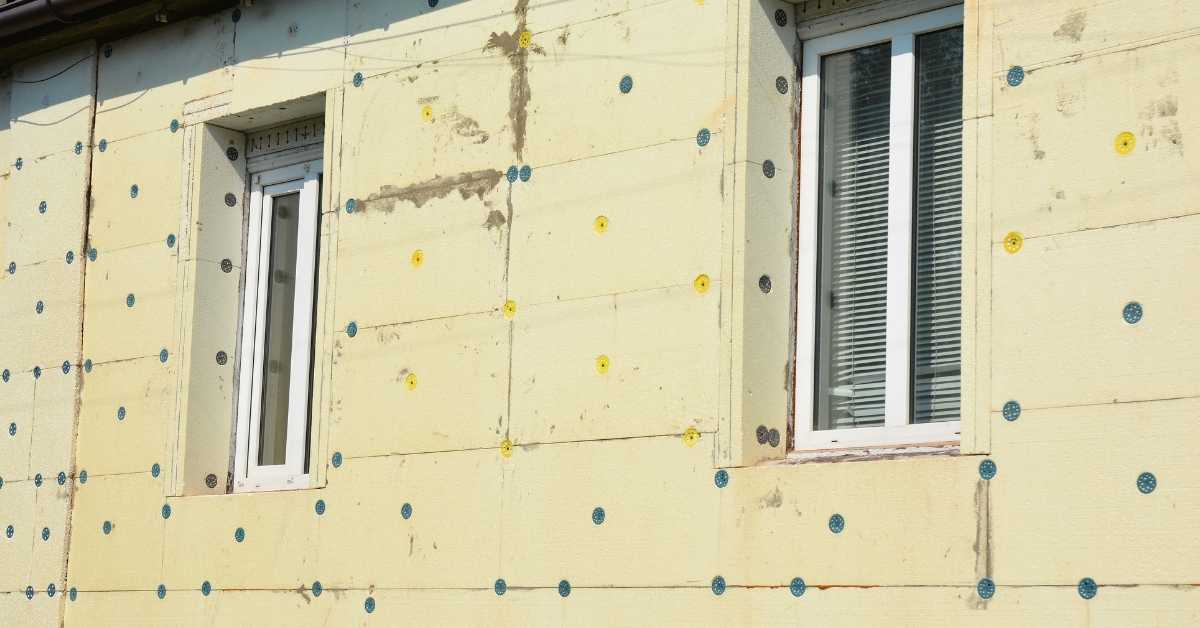
Foam/insulation backer considerations and pitfalls
While foam backer can be acceptable in certain situations, it’s crucial to understand its potential drawbacks. Improper use can lead to moisture trapping and soft spots.
- Moisture trapping: Foam backers can trap moisture, leading to soft spots and potential mold growth. To avoid this, ensure proper ventilation and consider installing a vapor barrier behind the foam.
- Compatibility issues: Check for compatibility with your stucco bond coats before installation to prevent adhesion problems.
- Local building codes: Ensure your chosen foam backer meets local building codes and standards to avoid any legal or safety issues.
If moisture management is a concern, consider alternative backing methods that offer better moisture resistance and ventilation.
Moisture Management and Vapor Control Strategies
Install appropriate flashing to divert water away from the patch area. Use waterproofing membranes or drainage planes where they apply to manage hidden moisture. Plan for an effective vapor path to allow drying without trapping humidity.
Verify compatibility with the stucco system and substrate. Reference product label guidance and manufacturer recommendations for membranes, coatings, and installation sequence. Ensure detailing extends to edges and transitions.
Flashing and Drainage Plane Best Practices
Proper flashing and integration with the existing drainage plane are crucial to prevent water from getting trapped behind your stucco patch. Here’s how:
Placement of Flashing: Install flashing at all penetrations, such as windows, doors, and plumbing vents. Ensure it extends beyond the stucco plane to direct water away.
Weep Screeds: Incorporate weep screeds into your design to allow moisture to escape from the bottom of the wall. They should be installed at the base of the wall and extend through the stucco finish.
Integration with Existing Drainage Plane: Ensure your patch integrates seamlessly with the existing drainage plane. This may involve extending or repairing the plane around your patch to maintain a continuous path for water to escape.
Compatible Membranes and Sealants
Using compatible housewraps, breathable membranes, and sealants is vital to manage moisture behind your stucco patch. Here’s what to consider:
Housewraps and Membranes: Opt for products designed to work with stucco systems. These typically allow water vapor to escape while preventing liquid water intrusion. Always follow manufacturer instructions regarding compatibility.
Sealants: Use high-quality, flexible sealants that can accommodate movement in the substrate without cracking or peeling. Ensure they are compatible with your chosen membrane and stucco system by checking product datasheets.
Breathability: While not all membranes need to be breathable, those used behind stucco should allow water vapor to escape to prevent trapped moisture from causing damage.
Step-by-Step Repair Workflow to Prevent Soft Spots
Begin with blocking and backing installation to create a solid base. Install lath or appropriate backing with attention to level and alignment. Prepare the scratch, brown, and finish coat sequence as specified for the system.
Test adhesion and backing solidity at key milestones before proceeding to final finishes. Incorporate moisture checks, cure times, and surface inspections into the workflow. Document each step for quality control.
Step-by-Step Repair Process
The following steps outline the process of repairing stucco after plumbing repairs while preventing soft spots.
- Preparation: Ensure the area is dry, clean, and free from mold. Check local rules for any permits required.
- Safety Checks: Turn off power to electrical outlets nearby. Wear appropriate safety gear including gloves, goggles, and a dust mask.
- Remove Damaged Stucco: Carefully remove the damaged stucco using a utility knife or chisel. Be sure not to damage underlying structures.
- Prepare Surface: Clean the surface thoroughly. Apply a primer or bonding agent as recommended by the manufacturer of your chosen backing material.
- Install Backing and Lath: Follow the guidance in the next section for correct attachment order and techniques.
- Apply Stucco Coats: Apply scratch, brown, and finish coats according to the manufacturer’s instructions. Allow each coat to cure as directed before applying the next.
- Test Before Painting: Ensure the stucco is completely cured before painting. Test a small, hidden area first to check for any reactions with your chosen paint.
- Final Cleanup: Remove all debris and dispose of it appropriately. Inspect your work and make any necessary touch-ups.
Attach Backing and Lath Correctly
Proper attachment of backing and lath ensures a strong, durable stucco finish. Follow these key principles:
- Attachment Order: First secure the backing material, then install the lath over it.
- Fastener Selection: Use suitable fasteners such as screws or nails that match your chosen backing material and comply with local building codes. Ensure they are long enough to penetrate into a solid substrate.
- Overlap/Lap Techniques: Overlap lath strips by at least 1/2 inch (13 mm) and stagger the joints between rows for added strength. Follow manufacturer’s recommendations for backing material overlap.
Stucco application stages and curing guidance
The stucco application process involves several stages, each serving a specific purpose:
Scratch Coat: This first coat provides a base for the subsequent coats. It’s called ‘scratch’ because it should be scratched to provide better adhesion for the next layer.
Brown Coat: The second coat, also known as the ‘brown’ coat due to its color, provides insulation and soundproofing. It should be allowed to cure according to manufacturer’s instructions before applying the final coat.
Finish Coat: This final layer provides the desired texture and color. After application, allow it to cure as directed by the manufacturer to ensure optimal performance and durability.
Tools and Materials Checklist
Assemble essential hand and power tools for removal, cutting, and fastening. Gather approved backing materials and compatible stucco mixes. Include safety gear such as gloves, eye protection, and respirators as required.
Verify material labels and data sheets for compatibility with existing stucco and substrate. Confirm any local code or manufacturer guidance before purchase and use. Prepare a reserve supply for adjustments during the repair.
Essential Tools for Demolition and Stucco Work
The right tools ensure efficient, safe, and high-quality work. Here are the essentials:
- Hammer: For demolition and tapping in fasteners. Check its handle for cracks before starting.
- Utility Knife: Cuts backer board, membranes, and other materials. Keep blades sharp for easy cuts.
- Circular Saw: Cuts through lath and sheathing. Rent or borrow if needed; ensure it’s in good condition.
- Drill/Driver: Fastens lath, backer board, and other materials. Use the correct drill bit size for your fasteners.
- Stucco Mixer: Blends stucco mix evenly. If renting, ensure it’s clean and in good working order.
- Trowel Set: Applies and finishes stucco. Inspect trowels for burrs or nicks before use.
- Level: Ensures proper lath and backer board installation, and checks finished work. Use a 4-foot level for most jobs.
- Tape Measure: Measures and marks materials accurately. Check accuracy before starting each task.
Materials and Fasteners to Choose Carefully
Choosing the right materials ensures a durable, long-lasting stucco system. Consider these options:
- Lath: Metal lath provides strong mechanical attachment. Look for galvanized or stainless steel; avoid aluminum.
- Backer Board: Cement backer board offers solid support and moisture resistance. Check its thickness (1/2″ to 5/8″) for your needs.
- Fasteners: Use corrosion-resistant fasteners like stainless steel or hot-dipped galvanized. Size depends on lath gauge and backer board thickness.
- Membranes: Choose compatible membranes for waterproofing and vapor control. Check compatibility with your stucco mix.
- Stucco Mix: Select a high-quality, pre-mixed or custom-blended stucco. Avoid mixes with low cement content to prevent cracking.
- Sealants: Use compatible sealants for joints and cracks. Check they’re suitable for your climate and application.
Visual Checkpoints and Testing to Confirm no Remaining Soft Spot
Check backing solidity by gentle probing after installation. Use moisture meters or alternate methods to assess interior moisture levels. Perform simple adhesion tests before finishing coats.
Look for uniform texture and absence of new soft areas after partial cure. Establish acceptance criteria based on product guidance and site conditions. Plan a final review to confirm the patch is stable.
Mechanical and moisture verification tests
Before applying the final stucco coat, perform these checks to ensure your repair is structurally sound and free from residual moisture.
- Tap the area: Use a hammer or knuckle tap to check for hollow spots. A solid sound indicates a strong backing.
- Probe with a screwdriver: Gently probe the surface with a flathead screwdriver to ensure it’s firm and doesn’t give way easily.
- Check moisture levels: Use a moisture meter to measure the moisture content. While there are no specific thresholds, excessive moisture may indicate issues that need further remediation.
- Inspect for cracks or gaps: Look for any visible cracks or gaps in the backing that could allow water intrusion.
- Verify lath attachment: Ensure metal lath is securely attached to the backing and not loose or rusted.
- Check flashing integrity: Inspect flashings around windows, doors, and other openings to ensure they’re intact and properly installed.
- Examine drainage plane: Confirm that the drainage plane is present and functioning correctly to prevent water buildup behind the stucco.
- Re-open for further remediation if necessary: If any of these checks reveal issues, re-open the area and address them before proceeding with the final coat.
Quick rule: Always perform these tests before applying the final stucco coat to ensure a solid, dry backing.
Applying Cosmetic Finish: Timing and Preparation
Before applying final texture or paint, ensure your stucco repair has achieved structural integrity and is sufficiently dry.
- Cure Time: Allow stucco to cure as per manufacturer instructions or local best practices, typically 28 days.
- Moisture Levels: Use a moisture meter to confirm stucco has dried to an acceptable level. Refer to manufacturer guidelines for specific thresholds.
- Inspect for Defects: Check for visible cracks or gaps that could affect the finish.
- Verify Lath Coverage: Ensure metal lath is fully covered by stucco to prevent rust and maintain a smooth finish.
- Adhesion Test: Gently pull on the stucco surface to confirm it adheres well to the backing. No movement indicates good adhesion.
- Efflorescence Check: Look for signs of efflorescence, a white powdery substance that may indicate moisture issues.
- Ventilation: Ensure adequate airflow around the repaired area to facilitate drying and prevent mold growth.
- Local Codes: Consult your local building department to ensure all required inspections and approvals are met before applying a final finish.
Key Point: Apply final texture or paint only after confirming structural integrity, dryness, and proper adhesion.
Conclusion
Pinpointing and addressing the soft spot now protects the repair from recurrence, preserving the surface, structure, and your safety. A careful, methodical approach that includes proper backing and moisture control gives you a durable patch that looks right and lasts.
First, verify the area is dry and stable, choose the backing method that matches the openness and substrate, install the backing with appropriate coverage, apply the repair material in layers as needed, and finish with moisture management measures and a final check for firmness, adhesion, and vapor control before you consider the job complete. Throughout, follow the manufacturer instructions for any products used, respect local codes, and test a small area if you’re unsure.
Common mistakes to avoid are skipping the moisture check, using inadequate backing that lets a soft spot recur, and overworking the surface before it’s fully cured. Safety stays front and center: protect nearby surfaces, ensure proper ventilation, and don’t force patches into places that are still absorbing moisture. If you encounter uncertain moisture levels, deteriorated substrate, or inconsistent backing performance, pause and reassess before continuing.
If the patch area still feels soft after initial testing, or you’re unsure about substrate condition, consider calling a professional for a quick assessment. When you follow these steps, you build a patch that resists future moisture intrusion and remains solid and visually consistent, giving you confidence to move forward without guesswork.
FAQ
What backing material options best help prevent a soft spot after plumbing repairs?
Choose backing that fits the substrate and patch needs. Look for materials compatible with stucco and moisture control layers, and follow manufacturer guidance for installation. If unsure, check product labels or ask the supplier for suitability with your substrate.
How can I protect the backing from moisture to avoid future soft spots?
Ensure a proper moisture barrier is installed between the backing and exterior finish. Verify compatibility with the stucco system and local conditions, and follow the barrier manufacturer’s installation instructions. Confirm any required drainage or vapor control details with the product guidelines.
What should I verify about adhesion between backing, substrate, and stucco?
Confirm that the backing provides a stable base and that the substrate is sound and suitably prepared. Use recommended fasteners, ties, or mesh as specified for your system, and follow the plaster or stucco manufacturer’s bonding requirements. Always refer to product instructions or local guidelines for compatibility and performance.
How do I know I am ready to apply patching material over the backing?
Make sure the opening and backing are clean, dry, and properly prepared per the patching material’s directions. Check that any moisture controls are in place and that there is a solid key or bonding surface. If in doubt, consult the patching product label or manufacturer instructions for surface preparation steps.