
Introduction
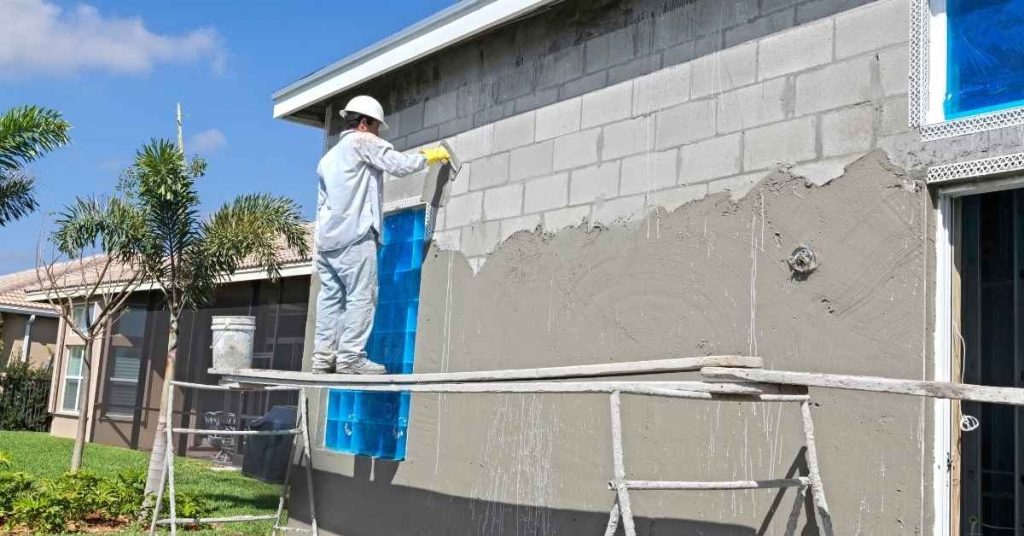
Parging and stucco are two surface finishes for block walls, with parging being a thin cement-based coating and stucco a thicker, textured layer. Both aim to prevent moisture intrusion and create a smooth or textured exterior. The article compares prep, bonding, and how to avoid delamination in each method.
Surface prep should start with a clean, sound substrate and repair any cracks or damage before applying either parge or stucco. Parging typically requires a thin, tacky coat and stabilized mix, while stucco uses a textured mix with more binder to resist cracking. Choose a bonding method compatible with block and climate, such as bonding agents or a suitable scratch coat, and follow manufacturer or local guidance to ensure proper adhesion.
Key takeaways
- Parging differs from stucco in composition, texture, and ideal use on block walls.
- Prepare surface by cleaning, repairing, and keying with proper bonding aid before coating.
- Bonding agents and primers must be compatible with chosen parge or stucco system.
- Delamination risks rise from moisture, breathability mismatches, or surface contaminants.
- Use proper tooling and reinforced detail around edges to prevent cracking.
- Check local codes, permits, and safety equipment requirements before starting.
Table of Contents
- Introduction
- Key takeaways
- Quick Comparison: What Parging and Stucco Are, and When to Use Each
- Surface Preparation for Block—the Critical First Step
- Bonding Agents, Primers, and Application Techniques
- Preventing Delamination, Cracking, and Other Failures
- Tools, Materials, and Specs Checklist for Block Applications
- Cost, Lifespan, and Maintenance—What to Expect
- Climate, Energy Performance, and Sustainability Impacts
- Codes, Permits, Safety, and Common Mistakes to Avoid
- Conclusion
- FAQ
Quick Comparison: What Parging and Stucco Are, and When to Use Each
Parging is a cement-based finish applied in thin layers to concrete block, typically just a few millimeters thick. It provides a smooth or textured surface and relies on bonding to the block with primers or bonding agents. Stucco, by contrast, is a thicker cementitious coating that forms a more substantial exterior skin and can incorporate fibers for added strength.
Key differences show up in bonding behavior, texture options, and maintenance needs. Parging generally offers a tighter finish and easier repairs, while stucco can appeal with a traditional texture and greater durability in harsher climates. Substrate readiness and moisture risk influence the best choice, along with project goals such as repair, waterproofing, or a full exterior finish. For a typical repair or a lightweight waterproofing layer, parging is often suitable; for a complete exterior makeover, stucco may be preferred when climate and substrate conditions align. In environments with significant temperature swings, note delamination risks and plan for appropriate primers and moisture barriers. A quick pros/cons reference can help guide decisions, while maintaining realistic expectations for ongoing maintenance and occasional touch-ups.
Side-by-side performance summary
Parging and stucco are both versatile wall finishes, but they excel in different scenarios. Here’s a concise comparison:
Adhesion and Flexibility: Parging is known for its excellent adhesion to concrete block surfaces. It forms a thin layer that moves with the substrate, making it ideal for quick repairs where flexibility is crucial. Stucco, on the other hand, provides a thicker, more durable finish but may require additional measures to ensure proper adhesion and flexibility.
Appearance: Parging offers a smooth, uniform appearance, perfect for creating a seamless look on concrete block walls. Stucco, however, provides a wider range of textures and colors, allowing for more design options.
Moisture Resistance: While both can resist moisture to some extent, stucco generally offers better protection due to its thicker application. Parging’s thin layer may not provide the same level of moisture resistance, so it’s essential to check local climate considerations and building codes before choosing.
Typical Applications: Parging is typically used for quick repairs or as a base coat before painting. It’s ideal when you need a thin, quick repair with good adhesion to block surfaces. Stucco, however, is often used for thicker, more durable finishes. It’s perfect for new construction, remodels, or when you require wider texture options and better moisture resistance.
Detailed step-by-step comparison chart (for decision-making)
This sequence will guide you through a checklist to help determine whether parging or stucco is the better choice for your project.
- Inspect substrate soundness: Visually check your concrete block substrate for cracks, loose material, or signs of moisture damage. This step ensures a stable base for either parging or stucco application.
Why it matters: A sound substrate prevents delamination and ensures the longevity of your finish.
Check: No visible cracks, loose material, or moisture damage. - Evaluate movement potential: Consider whether your walls may experience movement due to settling, temperature changes, or other factors.
Why it matters: Movement can cause cracking in parging but is less likely with stucco’s thicker application and better crack bridging ability.
Check: No active movement or potential for significant movement. - Assess exposure to elements: Consider the level of exposure your walls will have to harsh weather conditions, such as heavy rain, snow, or extreme temperatures.
Why it matters: Harsh weather can degrade parging more quickly than stucco due to its thinner application.
Check: Minimal to moderate exposure; if high exposure, consider stucco. - Determine finish preference: Decide whether you prefer a smoother, thinner finish (parging) or a thicker, more textured finish with better crack bridging ability (stucco).
Why it matters: The chosen finish should complement your project’s aesthetic goals and functional requirements.
Check: Clear preference for either smooth or textured finish. - Consider professional consultation: If you’re unsure about any aspect of your substrate, movement potential, exposure, or finish preference, consult a professional installer.
Why it matters: A professional can provide expert guidance and help prevent costly mistakes.
Check: No need for professional consultation based on your assessment.
Pro tip: Always ensure proper surface preparation to avoid delamination. This includes cleaning the substrate, removing any loose material, and addressing moisture issues before application.
Surface Preparation for Block—the Critical First Step
Bond strength and long-term performance hinge on the condition of the CMU surface before coating. Imperfect surfaces invite delamination and premature failure if not addressed. Thorough cleaning and moisture assessment set the foundation for a successful finish.
Before coating, perform a concise inspection: check moisture status, efflorescence, dust, and any loose material. Identify cracks, spalls, and signs of moisture migration. Create a plan to clean, repair, and profile the surface to accept bonding agents and parging or stucco properly.
Visual and Mechanical Inspection Checklist
Before applying parging or stucco, inspect your block surface to ensure optimal adhesion and longevity. Use this checklist to identify unsound areas.
- Moisture status: Check for dampness or signs of water intrusion. Coating over wet surfaces can lead to delamination.
- Efflorescence: Look for white, powdery deposits on the surface. If present, clean affected areas to prevent coating failure.
- Dust/loose material: Inspect for loose mortar or debris. Remove any unsound material before proceeding.
- Cracks (horizontal, vertical): Check for cracks that may compromise the integrity of your coating. Repair as needed.
- Spalling: Inspect for flaking or peeling mortar. Remove unsound material and consider repairs if present.
- Laitance (hazy, white layer): Check for this cementitious residue that can hinder adhesion. Remove if found.
- Moisture migration indicators: Look for signs of water movement, such as stains or mold. Address any issues before coating.
- Large delaminations: Inspect for extensive areas where the surface has separated from the substrate. These may require professional assessment and repair.
Quick rule: If any of these issues are present, address them before proceeding with parging or stucco application to ensure a strong bond and long-lasting finish.
Surface Cleaning and Profile Methods
Thoroughly clean your block surface to remove contaminants and prepare a suitable profile for optimal bonding. Follow product guidance for recommended techniques.
For mild dirt or dust, use pressure washing with a suitable nozzle and detergent. Ensure the surface is not damaged during cleaning.
Heavy soiling, laitance, or efflorescence may require more aggressive methods like wire brushing or abrasive blasting alternatives. Always follow safety guidelines when using these techniques.
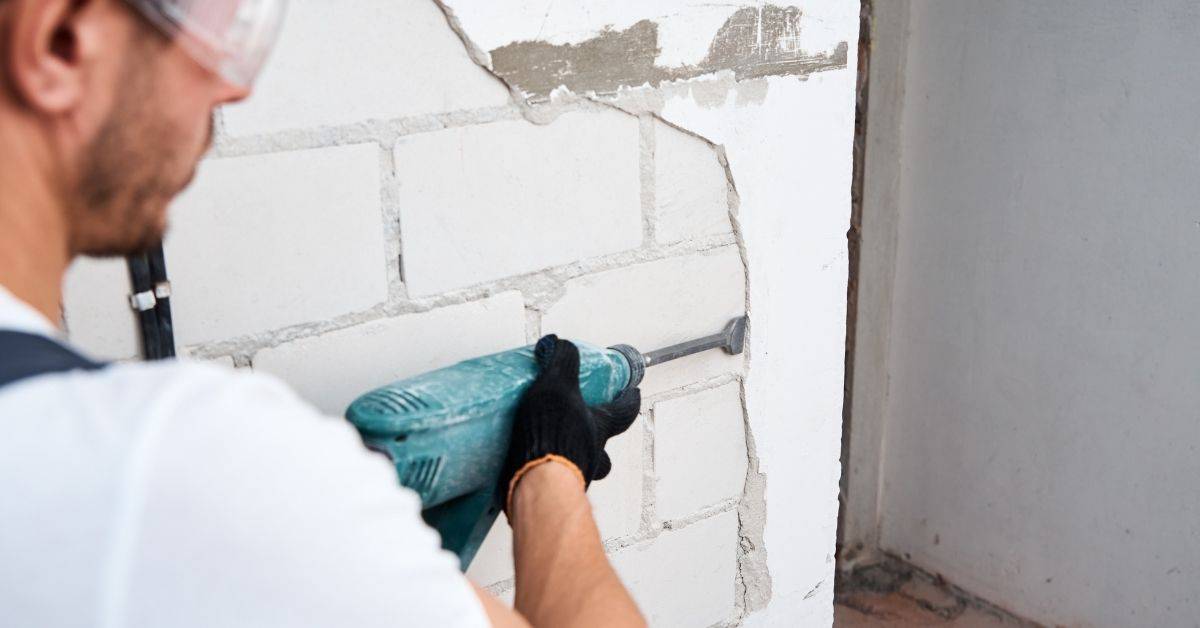
Mechanical profiling may be necessary to create a true, slightly rough surface for good keying. This can be achieved through light sandblasting, grinding, or scoring the surface. Always follow manufacturer instructions and safety guidelines for any profiling method you choose.
Repairing Unsound Areas and Patching Before Coating
Before applying parging or stucco, address any defects in your block substrate to ensure a strong bond. Match repair materials to the substrate and follow manufacturer instructions for application and curing times.
If you encounter delaminated or crumbling block, remove unsound material and apply a compatible patching compound. Ensure the repaired area is sound before proceeding with coating application.
Cracks or voids should be filled with appropriate repair mortar, ensuring a true profile for optimal adhesion of your parging or stucco. Allow repairs to cure fully before applying any coating.
Do not proceed with parging or stucco application until all repairs are fully cured and sound to ensure the longevity of your finish.
Bonding Agents, Primers, and Application Techniques
Bonding agents and primers bridge the block to the finish, improving adhesion and flexibility. Polymer modifiers can reduce cracking and enhance crack resistance when used appropriately. Choose these based on material type and substrate condition and verify compatibility with the chosen finish.
Follow a careful prep sequence: ensure the surface is clean and damp but not puddling, assess porosity, and remove laitance. Decide on primer or bonding coat layers before the parge or stucco, and plan for curing conditions that support bond integrity. Test patches help verify adhesion prior to full application.
Types of Bonding Agents and When to Use Each
Bonding agents play a crucial role in ensuring optimal adhesion and longevity of parging or stucco applications. They can be categorized into three main types based on their composition and function:
Cementitious/Bonding Slurries: These are typically used with cement-based parging on porous or sound block to enhance mechanical bond. They are mixed with water and applied directly onto the substrate.
Polymer Primers: These are commonly used with acrylic-based stucco systems on prepared, clean surfaces. They improve chemical bond and flexibility by creating a strong adhesive layer between the substrate and the topcoat.
Specialty Adhesives: These are specific bonding agents designed for unique applications or challenging substrates. Always verify product labels/datasheets for compatibility with your chosen parging/stucco system and substrate.
Application Best Practices to Maximize Bond
Proper application techniques ensure strong, durable bonds between the substrate and coating. Here are some key practices to follow:
Before application, prepare the substrate by removing any surface contaminants or laitance. For cementitious/bonding slurries, apply when the substrate is damp but not puddling, allowing the tack time as per manufacturer’s instructions. For polymer primers, apply to a clean, dry surface and allow sufficient drying/curing time before topcoat application.
Always follow manufacturer guidelines for mixing ratios, application temperatures, and cure times. Avoid applying bonding agents on excessively wet or dry surfaces, and do not rush the curing process.
Compatibility and Adhesion Testing
Confirming compatibility and performing adhesion tests ensures a successful parging or stucco application. Here’s how to approach this:
Perform small pull-off or adhesion tests on representative substrate samples using the recommended product/equipment as per manufacturer guidelines. Consult manufacturer tech data for acceptable substrates, cure windows, and test methods.
If adhesion test results pass, proceed with the full application as planned. If they fail, re-evaluate your substrate preparation, bonding agent selection, or application techniques, and consider consulting a professional before proceeding.
Preventing Delamination, Cracking, and Other Failures
Root causes of delamination and cracking include poor prep, moisture intrusion, substrate movement, and material incompatibility. Quick on-site checks can catch issues early and prevent larger failures. Use these signals to guide action and scheduling.
Match material choices to climate and movement potential, and apply appropriate moisture barriers. Detail surface preparation, proper curing, and compatible primers to improve adhesion. Plan for joints, flashing, and regular maintenance to catch problems before they expand.
Design strategies to accommodate movement and moisture
To prevent delamination and cracking due to movement and moisture, incorporate the following design strategies:
Control Joint Placement: Install control joints at regular intervals (typically every 6-10 feet) to allow for natural expansion and contraction. Consult local building codes for specific requirements.
Flexible Base Coats or Acrylic Modifiers: Use flexible base coats or acrylic modifiers in your parging or stucco mix to accommodate minor movement without compromising the finish.
Drainage and Drip Detailing: Ensure proper drainage by installing weep screeds at the bottom of walls and using drip edges on ledges to prevent water from wicking back into the wall. This helps manage moisture intrusion and reduces stress on the coating.
Curing Considerations
Proper curing is vital for optimal bond and strength in parging or stucco applications. Follow these guidelines:
Review Product Datasheets: Before application, consult the product datasheet to understand specific cure requirements, including recommended temperatures and humidity levels.
Avoid Extreme Temperatures: Do not apply parging or stucco in extreme heat (above 90°F/32°C) or cold (below freezing). Allow substrate to dry before application, but avoid applying when the surface is wet or damp.
Monitor and Adjust Curing Time: Check weather conditions daily during the curing process. If temperatures or humidity fall outside the recommended range, adjust curing time accordingly. Follow manufacturer’s guidelines for re-wetting if necessary.
Monitoring and simple diagnostic steps for early detection
Regular monitoring helps identify adhesion problems early, allowing timely intervention. Follow these steps for visual inspection and simple diagnostics:
Visual Inspection: Look for signs of delamination (peeling or bubbling), cracks, or moisture intrusion. Check walls after heavy rain, freeze-thaw events, or noticeable cracking.
Adhesion Tests: Perform simple adhesion tests using tape or coin scratch methods to check bond strength. For the tape test, apply a piece of duct tape firmly to the surface, then pull it off quickly. If the finish comes off with the tape, delamination may be occurring. For the coin scratch test, use a quarter or other coin to scratch the surface. If the finish comes off easily, reparation may be needed.
Interim Remedies: If signs of delamination, cracks, or moisture intrusion are present, perform interim remedies such as sealing cracks or applying a patch until professional repairs can be made. Document findings for future reference and maintenance planning.
Tools, Materials, and Specs Checklist for Block Applications
Prepare for block parging or stucco with a practical checklist of tools, materials, spec parameters, and PPE, while always consulting manufacturer data sheets for exact values. Verify mix characteristics and substrate primers, bonding agents, reinforcing mesh, and sealants, and note any tinting considerations. Keep note of substrate profile requirements and cure timelines as defined by the product labels.
Quick checks help prevent delamination: inspect substrate for cracks, loose material, and contaminants before application. A contracted workflow with proper PPE, ventilation, and waste disposal reduces risk and supports consistent results, and a seasoned installer should review data sheets for precise specs. If substrate is porous or retains moisture, apply a primer or moisture barrier and recheck bond and surface readiness to avoid bonding issues.
Materials and Product Selection Guide
Choosing the right materials is crucial for a successful parging or stucco application on block. Here’s a guide to help you make informed decisions.
- Cement-based vs Polymer-modified Mixes: Consider exposure conditions and substrate when selecting mixes. Review manufacturer data sheets for exposure ratings and material composition.
- Aggregates: Choose aggregates based on desired finish, texture, and color. Larger aggregates create a rougher texture while smaller ones result in a smoother finish.
- Sealers: Select sealers that are compatible with your chosen parging or stucco mix and provide the required level of protection against moisture and stains. Check manufacturer data sheets for compatibility information.
- Substrate Primers: Use primers to improve adhesion, seal the substrate, and enhance the final finish. Ensure they are compatible with your chosen materials.
- Bonding Agents and Mesh Reinforcement: Apply bonding agents to improve adhesion and prevent delamination. Consider using mesh reinforcement for added strength in high-traffic areas or harsh conditions.
Tools and Equipment—Hand and Spray Options
The right tools ensure efficient application and desired finish. Here’s a comparison of trowel application versus spray systems and core tools for each method.
- Trowels: Handheld trowels are ideal for small areas and limited access. They come in various sizes to suit different tasks, from mixing to application.
- Hawks: Used with trowels, hawks help hold and transfer material. Choose the right size for your trowel.
- Floats: Floats are used to smooth and finish the applied material. They come in various sizes and shapes to suit different surfaces and finishes.
- Spray Systems: Spray systems are suitable for large surface areas and complex shapes. They require appropriate nozzle sizes and may need a compressor or pump.
- Specialty Tools: Consider renting or borrowing specialty tools like power trowels, spray guns, or lifts for high-reach applications. Evaluate the project’s size and complexity before deciding on tools.
Visual Checkpoints During Application
Regular visual checks ensure quality workmanship and early detection of issues. Use this checklist while the work is in progress.
- Uniform Coverage: Inspect for consistent coverage across the entire surface to avoid thin or bare spots.
- Consistent Thickness: Check that the applied material has a uniform thickness. Inconsistencies can lead to cracking and delamination.
- Proper Bond Lines: Ensure that bond lines are well-defined and continuous, indicating good adhesion to the substrate.
- Well-formed Joints: Inspect joints for proper formation, width, and alignment. Poorly formed joints can lead to cracking and water intrusion.
- Curing Process: Monitor the curing process for any signs of excessive shrinking or cracking. Address issues promptly to prevent further problems.
Quick rule: If you detect any issues, address them promptly to prevent further problems. Consult manufacturer technical support if necessary.
Cost, Lifespan, and Maintenance—What to Expect
When comparing parging and stucco, it is important to consider costs, expected lifespan, and routine maintenance without relying on exact figures. Local conditions such as climate and substrate condition heavily influence outcomes. Use quotes and product data to form a realistic expectation.
Maintenance routines include regular cleaning, crack inspection, moisture management, and timely reapplication when needed. Consider how climate and substrate integrity affect adhesion and delamination risk. Use these cues to decide between parging or stucco based on budget, aesthetics, and expected longevity.
Maintenance schedule and common repairs
Regular maintenance extends the lifespan of your parging or stucco finish and helps prevent costly repairs. Inspect your surfaces annually for signs of damage, such as cracks, moisture, or delamination.
Minor Repairs: Address small issues promptly to avoid further deterioration. This may include re-caulking joints, filling small cracks with a suitable filler, or touching up areas where the finish has chipped.
Significant Damage: If you notice significant cracking or delamination, address these issues promptly to prevent further damage and potential structural problems. Consult local suppliers for product-life data and consider hiring a professional if repairs are extensive.
DIY versus professional considerations
Understanding the scope of your project helps determine whether it’s suitable for DIY or requires professional services. While skilled DIYers can handle small repairs and touch-ups, larger projects may necessitate hiring a licensed contractor.
DIY Tasks: Skilled homeowners can typically handle tasks such as preparing surfaces, applying bonding agents, and performing minor repairs on small areas using hand tools or spray equipment.
Professional Services: Consult a professional for projects involving bulk mixing, large area application, structural issues, or uncertain conditions. They have the expertise and equipment to ensure proper installation, safety, and longevity of your finish.
Climate, Energy Performance, and Sustainability Impacts
Freeze-thaw cycles, salt exposure, and humidity drive material choice and detailing on block exteriors. Parging and stucco respond differently to these stresses, affecting durability and performance. Verify climate suitability and ensure proper detailing to manage moisture and movement.
Thermal performance varies with finish type; both can influence insulation and HVAC loads. Consider insulation strategies and continuous insulation options where appropriate. Evaluate environmental tradeoffs, and check product data for EPDs and VOCs to support sustainable decisions.
Adapting materials and details for cold/ freeze-thaw climates
The choice of material and detailing can significantly impact the durability of exterior finishes on block walls in cold, freeze-thaw climates. Proper selection and application can prevent cracking, staining, and weak bonding.
- Flexible mixes: Use flexible parging or stucco mixes designed for freeze-thaw conditions. Check product datasheets for freeze-thaw resistance and flexibility claims. Tip: Avoid rigid mixes that can crack under temperature changes.
- Proper drainage: Ensure water can drain away from the wall to prevent freezing and expansion. Specify proper weep holes and flashing. Tip: Keep gutters clean and in good repair to maintain proper drainage.
- Sealing strategies: Apply a quality sealant at joints and cracks before applying parging or stucco. Consider using crack isolation membranes. Tip: Reapply sealants annually, as needed, to maintain protection.
- Proper substrate conditioning: Ensure the block surface is clean, dry, and free of efflorescence before application. Tip: Use a wire brush or pressure washer to clean the surface.
- Expansion joints: Incorporate expansion joints every 10-15 feet to accommodate movement. Specify joint tape or backer rod for proper sealing. Tip: Inspect and maintain joints annually to prevent cracking.
Environmental impact and recyclability
The sustainability of parging vs stucco on block can vary significantly based on their composition. Understanding the environmental impact can help make informed decisions.
Polymer content: Acrylic-based products often have higher embodied energy due to the production of polymers. They may also be less recyclable at end-of-life. Consider mineral-based alternatives for lower environmental impact.
Review manufacturer Environmental Product Declarations (EPDs) and disposal guidance to understand the full lifecycle impact of your chosen product. EPDs provide detailed information on embodied energy, global warming potential, and other sustainability metrics. Tip: Check for third-party certifications like LEED, BREEAM, or GreenGuard for additional assurance.
Disposal guidance: Consider the end-of-life disposal options for your chosen product. Some materials may be recyclable, while others may contribute to landfill waste. Tip: Opt for products with clear recycling instructions and minimal hazardous components.
Codes, Permits, Safety, and Common Mistakes to Avoid
Exterior coating work on concrete block often triggers building code or permit considerations, depending on jurisdiction. Verify with local authorities whether structural work, moisture barriers, or exterior alterations require approvals. Document code-compliant details to anticipate inspections.
Safety practices include proper PPE, ladder or scaffolding use, weather considerations, and attention to electrical and fire hazards. Common mistakes involve skipping surface prep, ignoring moisture intrusion, and using incompatible bonding or incorrect curing. Follow a practical workflow to verify permits, assess substrate, address moisture, and document post-application maintenance.
Typical Code and Permit Checkpoints
Before starting any exterior coating work on concrete block, it’s crucial to understand when your project may require building codes or permits. Use this checklist as a guide.
- Exterior cladding change: Check for building permit and code-compliant details for parging or stucco applications.
- Drainage alteration: Ensure compliance with local water management codes to prevent water intrusion.
- Fire separation requirements: Verify if your project needs to meet fire resistance ratings.
- Structural notifiable work: Check if your project requires notification of structural changes or inspections.
- Moisture barriers: Ensure you’re addressing moisture intrusion and installing appropriate barriers.
- Alterations to exterior walls: Verify if your project triggers any specific wall alteration codes.
- Electrical and gas lines: Check for any regulations regarding work near these utilities.
- Historic or protected structures: Consult local historic preservation guidelines before starting work.
Quick rule: Always consult your local building department to confirm specific code requirements and obtain necessary permits.
Safety Precautions and Personal Protective Equipment (PPE)
Prioritize safety during exterior coating applications by following these guidelines:
Respirator: Wear a respirator when mixing chemicals or working with bonding agents to protect against harmful fumes.
Eye protection: Use goggles or safety glasses with side shields to safeguard your eyes from debris and chemicals.
Fall protection: When working at heights, use appropriate fall protection systems like harnesses and secure ladders or scaffolding.
Ventilation: Ensure proper ventilation, especially during mixing and application of materials to prevent the buildup of harmful vapors.
Common Installation Mistakes and How to Prevent Them
To avoid delamination or failures, be aware of these common mistakes and their preventive measures:
- Insufficient surface prep: Properly clean, prime, and seal the substrate to ensure good adhesion.
- Ignoring moisture intrusion: Install a vapor barrier and address water entry points before applying exterior coatings.
- Incompatible products: Select materials that are compatible with each other and suitable for your specific application.
- Improper joint detailing: Follow manufacturer guidelines for taping, filling, and finishing joints to prevent cracking or peeling.
Regularly inspect your work, address issues promptly, and follow best practices to prevent common mistakes. Always consult manufacturer instructions and local building codes for specific guidance.
Conclusion
Choosing between parging and stucco hinges on solid surface prep, reliable bonding, and a finish that will stand up to moisture and wear. When you prioritize proper preparation and controlled application, you protect safety, improve durability, and keep the exterior looking consistent with minimal ongoing maintenance.
Start by confirming the block is sound and dry, then clean and repair as needed, verify the correct bonding agent and primer for the chosen system, test a small area, plan a suitable weather window, mask and protect adjacent surfaces, mix materials to the manufacturer’s specs, apply in the recommended coats with appropriate thickness, keep tools clean, monitor the bonded area for early signs of failure during cure, and follow local codes and safety guidelines.
Common mistakes to avoid include skipping surface prep or using the wrong bonding system, mismatching or mismixing materials, applying in unsuitable weather or too thick at once, and neglecting proper curing and joint control. Follow safety rules by wearing appropriate protective gear, testing materials on a small area first, and never applying over damp, frozen, or actively leaking surfaces.
If you encounter delamination, persistent cracking, or substantial substrate moisture, or if you lack the necessary scaffolding, permits, or access to a safe working height, consider hiring a professional. When you proceed with care, you’ll achieve a durable, good-looking finish that stands up to climate and time, with fewer costly callbacks and less risk of damage to the underlying block.
FAQ
What are the key differences between parging and stucco on block walls?
Parging is a thin cementitious coating applied directly to the block surface to provide a smooth or textured finish. Stucco is a thicker, multi-layer system that often includes a base coat, reinforcement, and a final finish. Choose based on required thickness, durability, and surface appearance you want.
How should surfaces be prepared differently for parging versus stucco?
Both require a clean, sound, and dry substrate. For parging, address loose material and fill cracks as a thin skim to create a uniform surface. For stucco, ensure proper keying and bonding between layers, and follow the system’s recommended substrate preparation and reinforcement guidance.
What bonding methods work best for parging versus stucco to avoid delamination?
Use the bonding method specified by the product or system you are using, and ensure a good mechanical key where required. Control moisture and temperature during application, and follow manufacturer instructions to minimize delamination risk.
What factors influence cost and environmental performance between parging and stucco?
Cost is affected by material thickness, labor time, and any substrate preparation needs. Environmental performance depends on material durability, energy efficiency impact, and the chosen finish; review product data and local climate considerations to compare options. Always check manufacturer instructions and local guidance for specifics.