
Introduction
Setting time control for small plaster batches means managing how fast plaster hardens without compromising surface quality.
Keep an eye on temperature and humidity, since they influence cure speed and finish. Use small, workable batches and follow the manufacturer’s guidance for mixing and setting, then adjust for environmental conditions in your space. If you need to slow the set, consider safe options and check product instructions or local rules for what is acceptable in your project.
Key takeaways
- Understanding plaster setting times helps plan batch size, mixing, and finish schedule.
- Temperature and humidity strongly influence setting rate and surface hardening.
- Water-to-plaster ratio and temperature affect early set and finish quality.
- Use approved retarders or cool water within safe ranges to slow set.
- Test small batches for compatibility and coating integrity before full use.
- Safety: follow label instructions, check ventilation, and discard failed mixes.
Table of Contents
- Introduction
- Key takeaways
- Understanding Plaster Setting Times
- Key Factors That Influence Setting Time
- Choosing the Right Plaster Type for Small Batches
- Practical Methods to Slow Setting Without Weakening the Finish
- Retarders Explained — Types, Effects, and How They Change the Finish
- Safety, Compatibility, and Testing Protocols
- Step-by-Step Mixing and Application Workflow for Small Batches
- Common Mistakes to Avoid When Extending Setting Time
- Conclusion
- FAQ
Understanding Plaster Setting Times
Setting time refers to the period during which plaster remains workable after mixing. Initial setting is when the mix begins to stiffen and loses plasticity, while final setting marks the point when the surface can hold a trowel without indentation. These cues determine when you can trowel, join seams, and finish without weakening the patch.
Temperature and humidity can accelerate or slow setting, so expect faster set in hot, dry conditions and slower set in cold, moist air. If conditions shift, adjust the mix or working time and check product data sheets for recommended adjustments. Remember that setting is not the same as curing, which affects strength and sanding readiness over days.
What “initial” and “final” set mean in practice
The initial set is when the plaster starts to lose its glossy appearance and begins to harden. At this stage, you can still trowel it, but it won’t spread as easily as before. A simple thumbprint test can help determine if the plaster has reached its initial set: press your thumb into the plaster; if it leaves an indentation but doesn’t stick to your skin, the plaster is at its initial set.
The final set occurs when the plaster has fully hardened and formed a skin. At this point, you can no longer trowel or joint the plaster without damaging the finish. The final set is crucial for achieving a smooth, durable surface. To check if your plaster has reached its final set, try pressing gently on the surface with a flat object; if it doesn’t leave any marks, the plaster is fully set.
The chemistry behind gypsum and cement-based plasters
Plaster setting is a chemical reaction called hydration or rehydration. When water is added to the plaster, it reacts with the gypsum (for gypsum plasters) or cement (for cement plasters) to form a hard, solid material.
In gypsum plasters, the reaction is as follows: 2CaSO4·2H2O + 4H2O → 3CaSO4·2H2O. This reaction starts almost immediately after water is added and continues until the plaster has fully set.
Cement plasters have a more complex reaction involving calcium silicates and aluminates: Ca3SiO5 + H2O → Ca(OH)2 + SiO2. This reaction takes longer to complete, which is why cement plasters take days or even weeks to reach their final set.
Key Factors That Influence Setting Time
The main levers are temperature, humidity, water content, and mix ratio. Each factor can speed up or slow the set, and you should decide which lever to adjust first for a small batch. Start with the easiest-to-control parameter and observe the result.
Interactions matter: hot and dry can markedly shorten set, cold and humid can extend it, and high water content can compound those effects. Predict outcomes by considering how these conditions combine before you mix. Use practical steps such as cooler water or adjusted cement-to-plaster ratios to lengthen or shorten set without harming the finish.
Water-to-plaster ratio and mix consistency
The water-to-plaster ratio significantly influences setting time. Adding more water increases work time but can weaken the finish if overused.
Ideally, maintain a consistent mix across batches. If your mix is too thin, reduce water content or add plaster. If it’s too thick, add water while keeping the plaster-to-water ratio constant.
Regularly test and adjust your mix to prevent overwatering. Overwatering can lead to a weak finish and extended setting times.
Temperature and humidity effects
Warmer temperatures and low humidity accelerate the setting process. Monitoring climate conditions is crucial for small-batch work.
Adjust water content or use set-retarding additives to compensate for extreme temperature and humidity conditions. If ambient temperature is high and humidity is low, increase water content and consider using additives. Conversely, if it’s cold and humid, reduce water content and pre-warm materials if possible.
Regularly monitor and adjust for changes in temperature and humidity to maintain consistent setting times.
Substrate absorption and surface preparation
Porous or damp substrates can change local setting rates, leading to rapid set in localized areas. Proper surface preparation is key to even absorption.
Evenly dampen porous surfaces before application to prevent rapid set. If the substrate is porous, apply a primer or sealer and evenly dampen the surface. If it’s damp, allow it to dry and apply a primer if necessary.
Proper substrate preparation ensures consistent setting times and a uniform finish.
Choosing the Right Plaster Type for Small Batches
Plaster of Paris or gypsum plaster, finishing plasters, and cement-based renders each have different natural set times and surface strengths. Consider how heat generation and typical hardness align with your repair or patch size. This helps you pick a product that matches the job scope.
Small batches benefit from products with workability suited to quick checks and edge-to-edge finishing. Faster-setting plasters can finish smoothly but may be weaker under traffic or moisture, so balance finish with expected use. Use a simple decision guide that matches patch size, finish expectations, and exposure conditions to help selection.
Fast-setting vs Standard-setting Formulations
Plaster types vary in their setting times, offering different levels of control over finish quality and workability time. Faster setting plasters allow quicker job completion but can be more prone to rushing and may require immediate attention during application.
If requiring quick turnaround, then choose fast-setting formulations such as plaster of Paris or rapid-setting cement-based renders. However, keep in mind that these may compromise finish quality if not applied carefully.
If prioritizing finish quality and workability time, then opt for standard or slower-setting mixes like finishing plasters or regular cement-based renders. These offer more time for troweling and smoothing but may require longer curing times.
Common mistake to avoid: rushing application. Ensure thorough mixing to maintain consistent set times across the batch.
Pre-mixed and Proprietary Blends
Pre-mixed plasters and proprietary blends often contain additives that alter their behavior compared to standard plaster types. Understanding these changes is crucial for achieving the desired finish.
Always consult product data sheets to understand how additives affect setting times, workability, and final strength. Running trial mixes helps verify product performance and allows for adjustments before starting the job.
If using unfamiliar proprietary blends, always consult product data sheets and run test mixes to ensure you’re aware of their unique properties and behaviors.
Common mistake to avoid: never assume pre-mixed or proprietary blends behave like standard plasters. Always verify product performance before application.
Practical Methods to Slow Setting Without Weakening the Finish
Identify core levers: retarders, cooler water, batch sizing, and workflow sequencing. Test each method on a small test patch before applying to the whole job. Proceed only after confirming the impact on workability and strength.
Apply steps cautiously: introduce retarders at measured increments, use cooler water where allowed, and adjust batch sizes to maintain consistent mixing. Monitor how these changes affect slump and surface finish to avoid weakening the final patina or integrity.
Using Retarders Effectively
Retarders are chemical additives that extend the setting time of plaster without compromising its finish. They should be used when you need more time to apply and smooth out your plaster, or when working in hot, humid conditions.
Proper use involves introducing the retarder at the recommended dosage during initial mixing. Always spot-test first to ensure the desired set-time extension without weakening the finish.
If set time is insufficient, adjust the retarder dose or consider alternative methods. If the finish is weakened, re-test and reduce the retarder amount. Ensure compatibility with your chosen plaster type and mix design before use.
Adjusting Water Temperature and Mixing Technique
Cooler water slows down the setting reaction, giving you more time to work with your plaster. Gentle mixing reduces air entrapment, preserving surface quality.
Optimal conditions involve using water within the plaster’s recommended temperature range and mixing gently to minimize air incorporation. Inspect mixed plaster for consistency and absence of excessive air bubbles.
If set time is too fast, adjust water temperature or consider using retarders. If finish has excessive air bubbles, re-mix with cooler water and a gentler technique. Ensure water temperature does not exceed the plaster’s recommended range.
Mixing Smaller Batches and Planning Workflow
Efficient batch sizing and staged work maintain fresh, workable plaster without excess leftovers. Mix only what you can use within the plaster’s working time.
Batch sizing should be based on immediate needs to avoid waste. Stage your work to ensure fresh plaster is used throughout its working life.
Inspect mixed batches for consistency in slump, compaction, and setting time. If leftovers occur, adjust batch sizing. If inconsistencies arise, re-check mixing technique and substrate preparation.
Retarders Explained — Types, Effects, and How They Change the Finish
Retarders slow hydration in plaster and dry mixes, extending open time and workability. Distinguish commercial retarders from household options, and note when each type is appropriate for your project. The chemistry behind retarders involves delaying crystal formation and hydration reactions.
Common categories include proprietary retarders, natural or sugar-based options, and household agents. Be aware of compatibility with gypsum and lime-putty systems. Testing on small batches is essential before scaling up to protect finish quality and appearance.
Commercial Chemical Retarders (What to Expect)
Commercial chemical retarders are formulated to delay the setting time of plasters. They work by inhibiting the hydration process, preventing early crystal formation.
Expect consistent set time extensions and predictable finish alterations when using commercial retarders. Always consult product data sheets for specific details on expected performance.
Compatibility issues may arise with certain plaster types or if manufacturer guidelines are not followed. To avoid this, verify compatibility with your chosen plaster and follow the recommended dosing and application instructions.
Homemade Retarders and DIY Options
While homemade retarders can be cost-effective, they often come with variability in performance. Commonly used substances include sugar, vinegar, or borax.
Beware of contamination risks and inconsistent results when using homemade retarders. Always test small batches to establish reliable performance data before wide use.
If your DIY retarder performs consistently in trials, proceed with application while keeping detailed records for future reference. If not, adjust your recipe or consider switching to commercial alternatives after thorough testing.
How Retarders Affect Adhesion, Sanding, and Paint Readiness
Retarders can alter the finish of your plaster by slowing down hydration and affecting cure time. This may result in changes to surface texture, sheen, or paint readiness.
Monitor your surface for signs of cratering, bloom, or other finish alterations during the curing process. Adjust retarder use as needed to meet project requirements.
Before wide application, verify that finishing properties align with project needs. If they do, proceed with application while closely monitoring progress. If finishing issues arise, recheck your retarder dosage and mixing technique, then adjust accordingly to achieve desired results.
Safety, Compatibility, and Testing Protocols
Safety begins with proper PPE, good ventilation, spill containment, and careful handling of plaster powders and chemical retarders. Testing should be a simple, reproducible process to verify compatibility with pigments, primers, and sealers before a full batch, with clear documentation of each condition. Emphasize emergency actions and first aid steps and keep a concise log of results to prevent costly failures.
Knowing these steps helps you avoid finish defects and wasted material by catching issues early. Before mixing, check that labels are correct and materials are within usable life, and plan a pro approach with ventilation and appropriate PPE. If pigments or primers show signs of separation or discoloration during testing, re-evaluate compatibility and consider alternatives, and follow local disposal rules for waste and contaminated PPE.
Personal Protective Equipment and Safe Work Practices
Protecting yourself from plaster dust and chemical exposure is crucial when mixing small batches. Follow these safety measures:
- Dust Control: Use a respirator with a particulate filter, especially if exposed to large amounts of dust or using hazardous retarders.
- Eye Protection: Wear goggles that seal around the eyes and provide side protection. Ensure they fit properly.
- Gloves: Use gloves suitable for handling plaster powders and chemicals. They should be durable, comfortable, and protect against cuts and chemical exposure.
- Proper Ventilation: Work in a well-ventilated area or use a ventilation system to reduce dust concentration.
- Spill Containment: Have absorbent materials on hand to contain spills and prevent them from spreading.
Compatibility Testing with Additives and Finishes
Before applying plaster, test its compatibility with pigments, primers, and sealers to ensure the final finish meets desired quality standards.
Follow this simple test protocol:
1. Prepare Small Mock-ups: Mix small batches of plaster with different additives and finishes as per your full application plan.
2. Cure and Finish Checks: Allow the mock-ups to cure under conditions similar to your job site. Then, apply any additional coats or sealers and let them dry completely.
3. Evaluate Results: Inspect each mock-up for color shift, separation, adhesion, sanding behavior, mottling, whitening, and setting time impact. Document all test conditions, results, and adjustments for future reference.
Step-by-Step Mixing and Application Workflow for Small Batches
Specify an optimal small-batch size, a balanced mix ratio, and water temperature to maintain strength and workable time. Provide a quick reference for common plaster-to-water mixes to guide decisions. Ensure the plan aligns with available tools and space.
Follow a structured sequence: verify materials, check moisture, and establish batch timing. Mix thoroughly to a uniform, lump-free consistency, then monitor for visual cues that indicate readiness to proceed with edging and finishing.
Step-by-Step Process
The following steps outline a practical workflow for mixing and applying small batches of plaster, ensuring strength and extended workable time.
- Preparation: Gather materials, verify moisture content of aggregates, and check safety protocols. Safety first: wear appropriate gear (gloves, goggles, etc.).
- Measure materials accurately using a measuring bucket or scale to maintain the optimal mix ratio.
- Pre-mix checks: Verify batch timing to minimize waste and throttle setting time without compromising cure. Use a timer for accurate tracking.
- Mixing sequence: Follow the recommended order of additions, starting with water or powder as per manufacturer’s instructions.
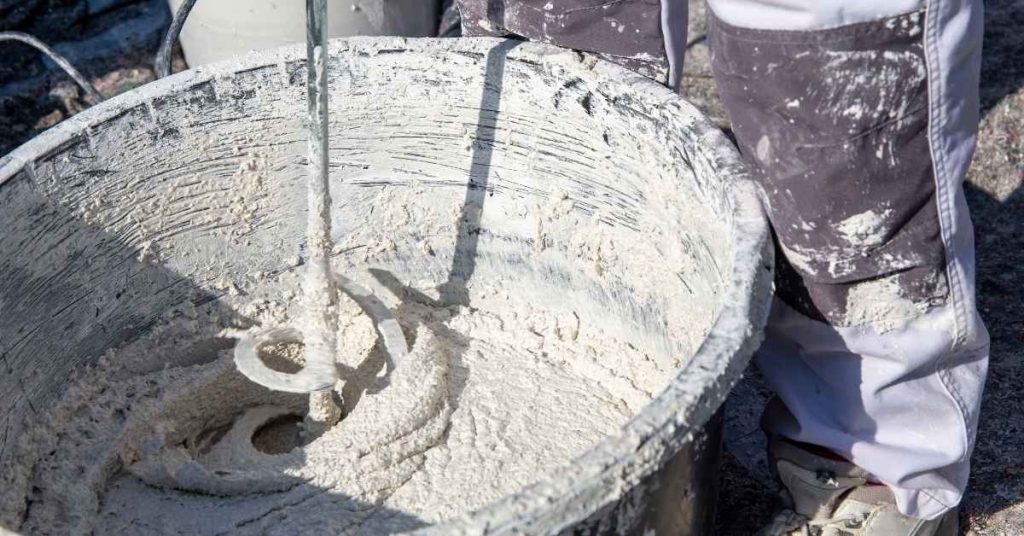
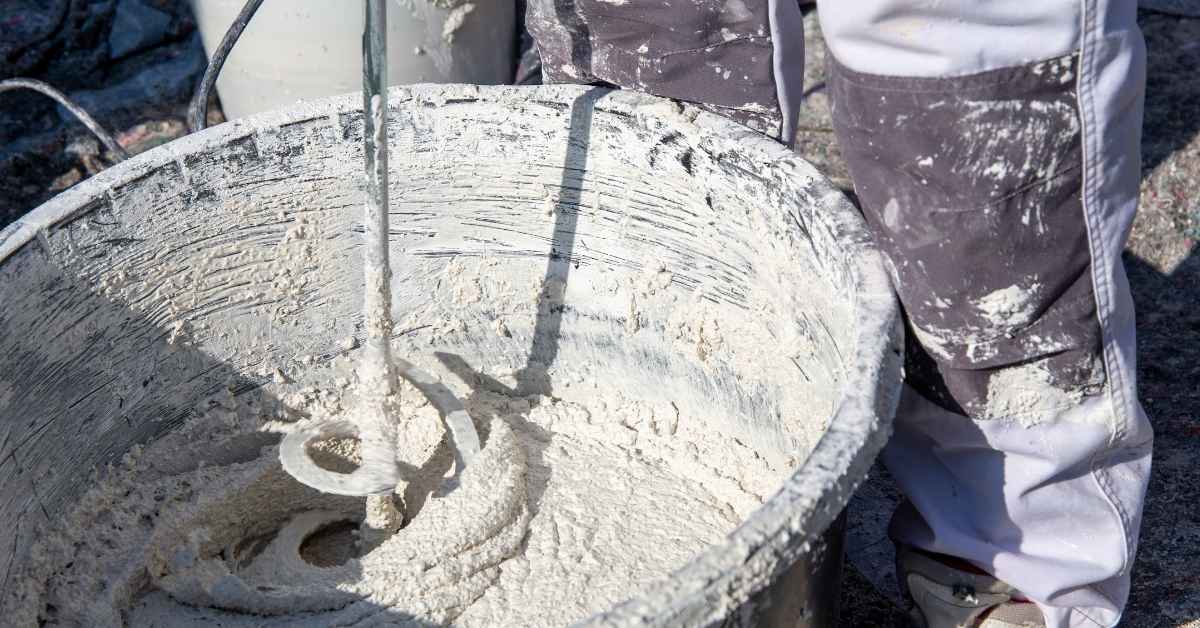
- Mixing technique: Use appropriate mixing tools (drill mixer, paddle, etc.) and techniques to achieve a lump-free, creamy consistency. Quick check: Monitor visual indicators during mixing.
- Degassing: Remove air bubbles by tapping the container or using a vibrating tool to ensure a smooth finish.
- Application workflow: Follow recommended troweling/pouring steps, maintaining a consistent pace and technique to avoid overworking the surface. Pro tip: Clean tools regularly during application.
- Finishing techniques: Use appropriate tools (trowel, float, etc.) and techniques to achieve the desired finish without weakening the surface.
- Post-pour curing: Follow guidelines for small pours, ensuring proper curing time and conditions to maximize strength development. Quick check: Monitor color/consistency changes and surface sheen as cues for when to lift or stop mixing.
Tools and Materials Checklist
Having the right tools and materials staged efficiently is crucial for small-batch plaster work. Here’s a list of essentials:
- Measuring bucket or scale: Ensures accurate material measurement.
- Mixing container: A sturdy, large enough container for your batch size.
- Drill mixer or paddle: For efficient mixing; consider renting if needed.
- Trowels (various sizes): Essential for application and finishing. Pro tip: Keep them clean and organized.
- Thermometer/hygrometer: Monitor water temperature and humidity for optimal mixing conditions. Quick check: Ensure proper calibration before use.
- Safety gear (gloves, goggles): Protect yourself from hazards during mixing and application.
- Drop cloths or plastic sheeting: Protect surfaces from spills and splashes. Common mistake: Not disposing of materials responsibly following safety guidelines.
Mixing Order, Technique, and Degassing Tips
The correct mixing sequence ensures a smooth, lump-free plaster mix. Start with water or powder as per manufacturer’s instructions.
Use appropriate mixing tools and techniques to achieve a creamy consistency. Pro tip: Avoid overmixing to prevent weakening the finish.
Degassing is crucial for a smooth, bubble-free surface. Tap the container or use a vibrating tool to remove air bubbles. Quick check: Monitor visual indicators during mixing and degassing.
Weather and Site Adaptations During Application
Unexpected weather conditions can impact working time and final surface quality. Here are quick on-site adjustments:
Heat wave: Increase water content, use additional retarder, or apply shade to protect the mix from rapid setting.
Cold snap or rain: Decrease water content, use less retarder, or provide temporary shelter for the pour to prevent premature stiffening. Pro check: Monitor ambient temperature, humidity, wind speed, and precipitation before starting work.
Wind: Adjust application technique to minimize surface disruption; consider using a windscreen if necessary. Common mistake: Avoid applying plaster in extreme weather conditions; follow safety guidelines for working in adverse conditions.
Common Mistakes to Avoid When Extending Setting Time
Identify frequent errors that slow set without preserving finish quality, such as over-reliance on retarders or adding water after mixing. Note the impact on workability and final texture, and avoid rushing the finish after delays. Recognize that these issues often lead to weak patches or surface defects.
Use practical remedies tied to each mistake, including controlled dosing of retarders, water management, and staggered timing adjustments. Maintain awareness of environmental factors like temperature and airflow, and plan for a temporary enclosure if needed to stabilize conditions.
Overwatering and assuming longer work time fixes weak mixes
Adding extra water to your plaster mix might seem like a quick fix for extending setting time, but it can significantly weaken the finish. Water reduces the concentration of solids in the mix, leading to reduced adhesion and increased risk of cracking.
Check your mix consistency; it should hold its shape but not be overly wet or runny. Avoid adding water mid-pour to maintain a consistent water-to-plaster ratio.
If you’ve overwatered your mix, remove excess water, remix the batch, and test again with a small sample before proceeding. This will help you verify workability and prevent further weakening of the finish.
Incorrect retarder use and lack of testing
Using too much or incompatible retarders can lead to inconsistent set times, weakened finishes, and potential surface defects. Always follow the manufacturer’s guidelines for dosage and compatibility.
Monitor your mix behavior; it should maintain workability but not be overly slow or draggy. Before full application, verify retarder type and dosage on the label/datasheet and test a small sample to ensure proper set time.
If you find issues with set time, adjust the retarder dose accordingly. If it’s too short, increase the dose; if it’s too long, reduce the dose. Always retest on a small sample before proceeding with the full batch.
Poor timing, communication, and staging
Mixing too much plaster at once or having poor handoff between workers can lead to wasted material, delayed project timelines, and inconsistent finish quality. Effective planning and clear communication are key to maintaining efficiency and quality.
Plan batch sizes based on your immediate needs to avoid wasting material. Ensure each stage of the process is completed before moving to the next, and maintain open lines of communication between workers about timing and curing methods.
If you find that mixing too much plaster at once is causing issues, reduce your batch size and adjust your timing accordingly. If poor handoff between workers is a problem, improve communication, clarify roles and responsibilities, and pause to reassess as necessary to maintain quality and efficiency.
Conclusion
Controlling setting time without sacrificing the finish hinges on careful material choice, proper mixing, and disciplined testing. Prioritizing safety and a conservative approach protects durability and appearance, especially when working in small batches where mistakes are easy to spot and correct.
Make the plan concrete: verify the plaster type and the batch size, check environmental conditions, measure and mix accurately, follow manufacturer guidance for any retarders, test on a small panel, and document the results before proceeding with a larger area. Keep the workspace ventilated, wear appropriate PPE, and clean tools promptly to avoid setting residue that can affect subsequent work.
Avoid these common missteps: extending working time with guesswork rather than validated tests, adding too much retarder or using parts of batches with different setting times, and skipping a test panel or not recording results. Simple safety rules include always testing first on a small area, never mixing in a finished surface, and discarding any batch that shows uneven set or excessive heat, odor, or crumbling edges.
If uncertain about the plaster type for a future project, the environmental conditions, or how a delay will affect bonding or strength, consider consulting a professional before proceeding. When you follow these steps, you build confidence with each small test, and you reduce the risk of damage or costly fixes later on.
FAQ
What factors most affect plaster setting time in small batches?
Setting time depends on the plaster material, water amount, and environmental conditions. Temperature and humidity also play significant roles. Always check the product label and manufacturer guidance for recommended ranges.
How can water-to-plaster ratio and temperature influence curing speed?
A higher water-to-plaster ratio can slow set but may weaken the finish if not balanced. Cooler temperatures generally extend setting time, while warmer conditions speed up setting. Refer to the product instructions for acceptable ranges and testing steps.
What practical methods can slow setting without weakening the finish?
Use approved retarders as directed by the manufacturer. Adjust mixing water within the recommended limits and consider incremental additions rather than large changes. Monitor the mix and perform small tests to ensure the finish remains solid and smooth.
What are common mistakes when adjusting setting time and how can I avoid them?
Common errors include changing ratios too quickly, skipping testing, and extending time beyond what the product supports. Avoid using improvised additives or temperature tricks not specified by the manufacturer. Always verify with labels, datasheets, or local guidelines before proceeding.