
Introduction
Clay plaster in wet rooms is a breathable natural coating that helps manage moisture while providing a warm, tactile surface. In daily use, expect a soft, matte finish that can tolerate routine cleaning and occasional splashes. The material relies on proper backing and sealing in splash zones to perform well over time.
Long-term upkeep means watching for wear near sinks and showers and carrying out small touch-ups as needed. Careful application in splash zones, plus regular maintenance, helps the plaster stay sound and minimizes staining. Check the product label and manufacturer guidance for compatible finishes, cleaners, and any local rules before treatment.
Key takeaways
- Clay plaster offers breathable, self-regulating moisture behavior suitable for wet zones.
- Prepare splash zones with watertight backing and plaster skim for durable interfaces.
- Apply in thin, even passes and protect edges with detail bands and seals.
- Daily use involves light cleaning, wipe spills promptly, and allow natural drying.
- Maintenance includes gentle brushing; wear mask and ventilate to avoid dust.
- Plan long-term touch-ups around high-wear areas with matching finishes to maintain uniform appearance over years.
Table of Contents
- Introduction
- Key takeaways
- Why Choose Clay Plaster for Wet Rooms (Properties and Benefits)
- Planning and Preparation for Installation in Wet Rooms
- Application Process for Wet Rooms — Step-by-Step
- Splash Zones: Protection, Detailing, and Interfaces
- Daily Use and Simple Maintenance Routines
- Cleaning, Stain Removal, and Periodic Upkeep
- Long-Term Touch-Ups, Repairs, and Durability Planning
- Safety, Costs, Sustainability, and Common Pitfalls
- Conclusion
- FAQ
Why Choose Clay Plaster for Wet Rooms (Properties and Benefits)
Clay plaster in wet rooms offers breathable, moisture-regulating performance and a soft, matte finish that pairs with tile or stone. It allows vapor diffusion and manages hygroscopic moisture with limited water absorption, influencing mold risk and substrate prep. Check manufacturer specs for moisture resistance ratings and recommended uses.
Substrate preparation is essential; skipping it can lead to delamination and moisture issues. A quick on-site check is to ensure the surface feels dry to touch before the first coat. If a room has frequent water exposure, use a sealant or lime wash for added protection and easier maintenance; an experienced installer will verify cleanliness, dryness, and priming.
Material properties and performance in wet environments
Choosing the right material for your wet room’s walls is crucial to ensure durability, aesthetics, and functionality. Understanding how different materials interact with humidity and water exposure can help guide your decision.
- Clay Plaster: Composed of natural, breathable materials like clay, sand, and aggregates, it offers excellent vapor permeability and hygroscopic moisture handling. Look for datasheets showing high moisture resistance ratings and recommended humidity ranges between 30-70%. To prevent cracking or staining, ensure proper substrate preparation and consider using a lime wash or sealant in splash zones.
- Cement Plaster: While durable, cement plasters have lower breathability and can trap moisture, leading to mold growth. They may require additional waterproofing membranes for use in wet rooms.
Advantages and trade-offs versus tile, cement, and waterproof membranes
Clay plaster offers several advantages in wet rooms but also has its trade-offs compared to other materials.
Durability: Clay plaster is durable but may require occasional touch-ups due to its porous nature. Tiles are highly durable, while cement plasters and waterproof membranes offer low maintenance with no touch-ups needed.
Cost: Initial costs for clay plaster can be lower than tiles or waterproof membranes, but long-term maintenance costs should be considered. Cement plasters may have higher upfront costs due to additional waterproofing requirements.
Aesthetics: Clay plaster provides a soft, matte finish that complements textured surfaces like tile or stone. Tiles offer a wide range of styles and colors, while cement plasters and membranes provide a uniform, smooth appearance.
Planning and Preparation for Installation in Wet Rooms
Planning and preparation for clay plaster in wet rooms starts with mapping splash zones and high‑moisture areas, identifying where plaster will meet tile, acrylic sealants, or waterproof membranes. It also requires inspecting the substrate for stability, porosity, and any signs of cracks or moisture damage, and planning moisture management and transitions. Check local rules and know when to involve licensed pros or building inspectors before starting.
This upfront work helps prevent delamination and moisture issues after installation and supports long‑term durability. A careful pre‑check guides surface preparation, moisture testing, and the sealing or edging details that will keep transitions reliable. If efflorescence appears, address the moisture source first, and be prepared to re‑evaluate substrate and moisture plans before proceeding.
Assessing Room Conditions and Substrate Compatibility
Before installing clay plaster in your wet room, it’s crucial to assess the condition of your room and ensure the substrate is compatible. This step helps prevent issues like moisture problems or plaster delamination.
Structural Soundness: Check for any signs of instability such as cracks, bulges, or hollow spots in walls. A simple way to check is by knocking on walls to listen for hollowness. If found, consult a professional before proceeding.
Existing Waterproofing: Inspect the current waterproofing system. Look for efflorescence (white salt deposits) or cracks, which may indicate damage. If the existing waterproofing is compromised or incompatible with clay plaster, replace or repair it before application.
Suitable Backing Surfaces: Clay plaster requires a stable, solid surface to adhere to. Check your substrate for suitable backing surfaces like concrete, plywood, or existing plaster. If the surface is not smooth or stable, prepare it accordingly (e.g., sanding, priming) before applying clay plaster.
Tools and Materials Checklist
Before starting your wet room installation, gather the necessary tools and materials for a smooth process. This list covers essentials; consult product datasheets for specific material ratios and accessory recommendations.
- Trowel (6″ – 12″): Used for applying and spreading wet room membrane and plaster. Choose size based on comfort and job requirements. Consider renting or borrowing if infrequent use.
- Notched trowel (3/8″ – 1/2″): Essential for applying thin-set mortar when installing tiles. Notch size affects mortar application; choose based on tile type and manufacturer’s recommendations.
- Hammer drill (14.4V – 18V): Drills holes into walls and floors for fixing anchors and installing accessories. Opt for a cordless model with adjustable torque settings to prevent over-tightening.
- Oscillating multi-tool: Cuts backer board, trim pieces, and other materials. While not essential, it speeds up the process and reduces manual effort. Consider renting or borrowing if infrequent use.
- Safety glasses: Protects eyes from debris and potential hazards during cutting, drilling, and sanding. Always wear when using power tools.
- Work gloves: Provides grip and protection for hands while handling materials and tools. Choose a pair that fits well to prevent discomfort or accidents.
- Knee pads: Optional but recommended for prolonged periods of kneeling during tiling and grouting. They protect your knees and reduce fatigue.
- Dust mask/respirator: Essential when cutting, sanding, or mixing materials to protect against harmful particles and dust. Choose a model that fits well and provides adequate protection based on the task at hand.
Pro tip: When choosing tools, consider their versatility for other home improvement tasks. Borrowing or renting can be cost-effective if infrequent use is expected. Always prioritize safety by wearing appropriate protective gear and following manufacturer guidelines.
Application Process for Wet Rooms — Step-by-Step
The sequence matters because clay plaster relies on breathability and controlled drying to prevent failures; stake: skipping moisture management can lead to water intrusion and plaster delamination. Reinforce joints with mesh, apply a bonding coat, and maintain a controlled drying schedule to minimize water intrusion and maximize adhesion in humid rooms. Quality checkpoints include surface key and an adhesion test, and a quick check: ensure the surface is clean, damp-tack, and free of debris before application.
The second paragraph should provide useful context, benefit, or “why it matters” for a DIY reader. For porous masonry, apply a breathable, open-pored primer to aid adhesion without blocking capillary action, and in high-humidity zones consider a lime-clay mix. If cracking occurs during curing, reduce humidity and slow the drying schedule; a pro check suggests confirming substrate compatibility, primer suitability, and correct mix design.
Step-by-Step Process
The following sequence guides you through applying clay plaster in wet rooms, ensuring optimal results.
- Preparation: Ensure the room is clean, dry, and well-ventilated. Gather all tools and materials as per your checklist.
- Surface Preparation: Repair cracks, remove any loose material, and clean the surface to create a damp-tack finish.
- Moisture Barrier Application: Apply a breathable moisture barrier, following manufacturer instructions for compatibility with clay plaster.
- Plaster Mixing: Prepare your clay plaster or lime-clay mix according to the product guidelines. Ensure consistency before application.
- Application Sequence: Begin with the scratch coat, followed by the brown/setting coat if needed, and finish with a final skim coat. Reinforce joints and corners as required.
- Bonding Coat Application: Apply a bonding agent or primer to key the plaster, enhancing adhesion without sealing moisture entirely.
- Mesh Reinforcement: Install mesh or fibrous reinforcement at joints and corners for added strength.
- Finishing Touches: Use trowel techniques for a uniform finish. Apply a breathable sealant or limewash for micro-sealing without blocking capillary action.
- Cleanup and Final Checks: Clean tools, remove any protective covering, and perform final checks to ensure the surface is ready for use.
Surface Preparation and Moisture-Management Layers
Proper surface preparation is crucial to prevent water intrusion and ensure adhesion in wet rooms. Begin by cleaning the substrate thoroughly, removing any dirt, grease, or loose material.
Mechanically key the surface using a brush or comb to create a rough texture that enhances plaster adhesion. Ensure the surface is clean and damp-tack before proceeding.
Apply a breathable moisture barrier compatible with clay plaster in humid zones. This layer helps manage moisture without sealing the substrate entirely, allowing it to breathe. Consult product guidelines for compatibility and application instructions.
Mixing, Troweling, and Building Up Plaster Layers
Proper mixing ensures a uniform, durable surface. Follow product guidelines for the correct water-to-plaster ratio. Mix until you achieve a smooth, lump-free consistency.
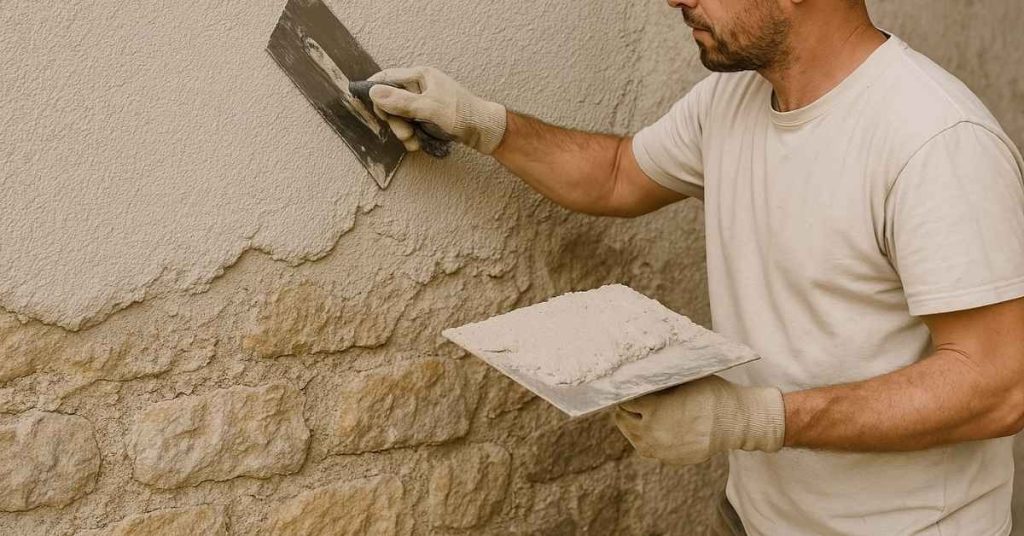
Use trowel techniques to apply plaster layers evenly. Begin with a scratch coat, using a hawk and trowel to spread the plaster onto the wall in thin, even layers. Work from the bottom up, ensuring full coverage.
Apply subsequent coats as per your planned sequence, allowing each layer to dry according to manufacturer recommendations before proceeding. Reinforce joints and corners with fibrous material or mesh during application to prevent cracking and enhance durability.
Curing, Drying, and Environmental Controls
Controlled drying is essential to avoid cracking and ensure stable adhesion. Maintain ideal humidity and temperature ranges during curing, as recommended by the product manufacturer.
Keep the room well-ventilated but avoid direct sunlight or drafts, which can cause uneven drying and stress on the plaster surface. Monitor humidity levels, aiming for 40-60% relative humidity during the initial curing phase.
If humidity or temperature exceeds ideal ranges, adjust the environment or extend drying time to prevent issues. If cracks appear during initial drying, re-wet and re-cure the affected areas as needed. Regularly inspect the surface for any signs of stress or cracking during the drying process.
Splash Zones: Protection, Detailing, and Interfaces
Inside shower enclosures, around taps, and sink basins require edge detailing, trim profiles, and corner beads that resist moisture while matching clay plaster. Use metal or PVC profiles and silicone-adhesion friendly finishes, and pair them with compatible sealants or barriers to protect joints and interfaces. Include careful seam sealing and alignment with fixtures, ensuring expansion gaps for movement.
This approach reduces the risk of cracking, delamination, and mold, and it helps you integrate with hardware, tiles, glass, or stone smoothly. A careful sequence—surface prep, priming, trim installation, seam sealing, and a final protection layer—supports long-term performance. Check for cracks or gaps with a simple finger test, verify full cure with a pro’s guidance, and re-seal as needed to extend service life without re-plastering.
Best practices for showers, tubs, and sink surrounds
High-exposure areas like shower enclosures, bathtubs, and sink basins require special attention when detailing with clay plaster. These surfaces are constantly exposed to moisture and splashes, making them susceptible to damage.
Edge treatments play a crucial role in protecting these areas. Consider using metal or PVC edging that can withstand moisture and complement the aesthetic of your space. Install these along the edges of showers and tubs, as well as around sink basins to create a barrier against splashes.
Additionally, sacrificial surfaces can help extend the lifespan of your clay plaster in high-exposure zones. These are surfaces that are designed to wear out or be replaced more easily than the main material. For example, you might use a waterproof membrane as a sacrificial layer behind shower walls and around tubs.
Regularly inspect these areas for signs of moisture damage. If you notice any issues, re-evaluate your detailing strategies and make adjustments as needed to protect your clay plaster from further harm.
Sealants, trims, and transition details
To create watertight transitions between clay plaster and other materials, it’s essential to use compatible sealants and trims. Clay plaster is porous by nature, so using the right products can help prevent moisture intrusion and delamination.
Silicone sealants are often a good choice for sealing interfaces with hardware, fixtures, and other surfaces. Look for ones that are specifically designed to bond with clay plaster without causing cracking or substrate delamination. Always follow the manufacturer’s instructions regarding curing times and re-coating intervals.
For trim profiles, consider using metal or PVC options that can resist moisture and provide a finished look. Corner beads made from these materials can also help protect vulnerable corners from damage. When installing trims, ensure they are securely attached to the substrate and create a tight seal with the clay plaster.
If you notice leaks or moisture intrusion at transitions, re-apply or adjust your sealants and trims as needed. Regularly inspect these areas for any signs of wear or damage to maintain a watertight interface between your clay plaster and other materials.

Daily Use and Simple Maintenance Routines
Maintain a gentle daily routine: wipe surfaces after each shower with a damp microfiber cloth and a mild soap solution, then dry quickly to remove soap scum and mineral deposits without abrading the plaster. Focus on the splash zone, drying surfaces and corners promptly, and use splash guards, squeegees, or absorbent mats to reduce standing moisture. A quick daily check for signs of moisture rise helps catch problems early, followed by a deeper weekly look at joints, corners, and tile edges for hairline cracks or wear. Do not use acidic, abrasive, or solvent-based cleaners, and avoid bleach or ammonia that can dull or degrade breathable clay plaster.
Habit changes support long-term health of the plaster: keep the bathroom vent running during and after showers for a period, and use a humidity monitor to keep conditions within a comfortable range. Establish a quick post-shower routine to towel-dry exposed plaster surfaces and ensure good air flow. For small flaws, apply a lightweight limewash or breathable lime-putty patch, and plan a monthly or seasonal refresh to maintain uniform appearance. Skipping daily wipe-down can lead to soap scum buildup and mold risk, so a brief routine matters. If plaster feels warm, soft, or shows efflorescence, improve ventilation and drying time; consider a dehumidifier. Quick checks—surfaces should feel cool and firm after drying, guiding timely maintenance.
Daily wipe-downs and recommended cleaning approaches
To maintain the longevity and appearance of your clay-plastered wet room, establish a daily wipe-down routine. This simple habit helps remove soap scum and mineral deposits without abrading the plaster.
Recommended cleaners: Use mild, pH-neutral soap and water. Avoid harsh chemicals, abrasives, or scrubbing pads that can damage the clay surface.
If soap scum or mineral deposits are visible, gently wipe with a damp microfiber cloth using mild soap and water. Microfiber cloths are gentle yet effective at lifting residue without scratching the plaster.
Quick tip: Wipe down surfaces after each shower to remove residue and prevent buildup.
Preventive Care for Clay-Plastered Wet Rooms
Maintain your wet room’s longevity by minimizing abrasion, stains, and moisture-related issues through regular care and proper ventilation.
Ventilation: Operate the exhaust fan during and after showering for 10-15 minutes to eliminate excess moisture from the air. This helps prevent condensation and mold growth on surfaces.
Drying Surfaces: If surfaces are wet or have residue, dry them with a towel immediately after use. This prevents water from lingering on the plaster and potential damage.
Bath Mats: Place absorbent bath mats in front of showers and sinks to catch drips and absorb moisture. This helps reduce standing water on the floor, preventing stains and wear on the plaster.
Cleaning, Stain Removal, and Periodic Upkeep
Cleaning clay plaster in wet rooms should use mild, pH-neutral, non-abrasive cleaners. Avoid abrasive pads, strong alkalis, and chlorine-based products to protect finishes; always test any cleaner on a hidden, small area first, and follow dwell and rinse as instructed.
Common stains include mineral deposits, soap scum, and mildew or algae, and different stains may require different gentle approaches to preserve breathability. Use a repeatable routine: dry wipe, light brush with a non-scratching pad, rinse with clean water, and blot dry; test each cleaner on a hidden area first and note dwell times. If issues persist or moisture has penetrated, consider breathable sealers or minor touch-ups, and recognize when deeper maintenance may be needed.
Safe cleaners and stain-specific techniques
Protecting your clay plaster finish from damage involves using the right cleaning products. Always spot-test any cleaner on a small, hidden area first to ensure it doesn’t cause discoloration or damage.
Neutral pH cleaners are best for clay plasters. Here’s what to use for common stains:
– Soap scum and areas prone to mildew: Use mild, pH-neutral soap or detergent.
– Mineral deposits from hard water: Try a white vinegar solution (1:1 with water).
Avoid abrasive pads and strongly alkaline cleaners that can damage the finish.
When to perform periodic resealing or refresh coats
Maintaining the breathability and appearance of your clay plaster involves regular upkeep. Here’s when to consider a light refresh:
– Check your sealer’s expiration date and storage conditions.
– Inspect for signs of deterioration, cracking, flaking, or moisture penetration.
If your sealer appears worn, dull, or cracked, apply a new breathable sealer following the manufacturer’s instructions. If finishes show deterioration, consider minor touch-ups or professional refinishing. Ensure you don’t apply sealers too thickly to avoid blocking breathability.
Long-Term Touch-Ups, Repairs, and Durability Planning
Long-Term Touch-Ups in wet rooms involve a practical repair workflow, color and texture matching, and choosing breathable patch methods to preserve the plaster’s integrity over time. Expect guidance on surface prep, patching, curing times, and how to maintain consistency in texture and shade while consulting product specs for longevity expectations.
This matters for DIY because it helps plan maintenance, future refinishing, and moisture management without surprises. A clear cadence, compatible materials, and step-by-step planning reduce downtime and cost, while keeping repairs durable. Quick checks like ensuring the surface is dry to touch and confirming proper curing support reliable results, and consulting product labels or datasheets guides decisions when numbers are needed.
Spot repairs and color matching techniques
For minor chips or scratches in your clay plaster finish, follow these practical methods to ensure seamless integration of touch-ups:
Preparation: Clean the area thoroughly using a mild, pH-neutral cleaner. Allow it to dry completely.
Patching: Use a compatible patch compound suitable for clay plasters. Apply a small amount with a putty knife or trowel, feathering the edges to blend with the surrounding plaster. Allow it to cure according to the manufacturer’s instructions.
Color matching: Test your touch-up color on a small, hidden area before applying it to the entire repair site. Inspect the area under various lighting conditions to ensure an accurate match. If the touch-up is too noticeable, lightly sand and retry with a slightly different shade or technique.
Recoating, sanding, and full re-finishing options
When deciding between recoating, sanding, or replacing your clay plaster finish, consider the following steps to minimize downtime and maximize longevity:
Light wear and minimal damage: Lightly sand the surface using fine-grit sandpaper. Clean the area thoroughly with a damp cloth. Apply a fresh coat of compatible clay plaster, following the manufacturer’s guidelines for recoating.
Significant damage or uneven finish: Consider full re-finishing to restore your plaster’s appearance and performance. Follow these steps for surface preparation, mixing, troweling, curing, and sealing:
Surface preparation: Lightly sand the entire area, clean thoroughly, and allow it to dry. Prime the surface using a breathable primer suitable for clay plasters.
Mixing, troweling, curing, and sealing: Mix your clay plaster according to the manufacturer’s instructions. Trowel it onto the wall in thin layers, allowing each layer to cure before applying the next. Follow the recommended curing time and apply a suitable sealant to protect the finish.
Safety, Costs, Sustainability, and Common Pitfalls
Safety groundwork includes PPE, ventilation, dust control, and safe handling of clay plasters and lime-rich mixes. Verify substrate compatibility, plan moisture barriers in wet rooms, and check SDS and local requirements before work.
This matters to DIY readers because it helps prevent cracking, mold growth, and costly repairs over time. Use quick cues like feeling the substrate for cool, dry, and firm contact, and have a pro verify moisture levels before applying. If the substrate feels warm or damp, allow additional drying time or address underlying moisture issues, and follow SDS and local waste rules when disposing of materials.
Health, Safety, and Regulatory Considerations
Working with clay plasters and lime-rich mixes requires careful attention to health and safety. Always wear appropriate personal protective equipment (PPE), including gloves, goggles, and a respirator when handling wet materials.
Ensure adequate ventilation in the work area to prevent respiratory irritation. If you’re unsure about any aspect of the process, consult the material safety data sheet (SDS) or hire a licensed contractor for complex installations or repairs.
Never ignore SDS instructions or local codes. Always test materials on a small area first to check compatibility and avoid potential health hazards.
Cost Comparison Framework and Green Credentials
When evaluating clay plaster for a wet room, consider both initial costs and long-term maintenance expenses. Although the upfront cost may be higher than some alternatives, clay plasters often require less frequent re-coats or repairs over time.
Prioritize sustainability by assessing embodied energy, local materials, VOC emissions, waste reduction, and end-of-life considerations for each product. Opting for low-VOC, locally sourced, or high-recycled-content materials can help minimize environmental impact.
Compare clay plaster’s lifecycle costs with those of alternative finishes to make an informed decision that balances both financial and environmental concerns.
Common Mistakes to Avoid and Troubleshooting Tips
To ensure the longevity and success of your clay plaster application in wet rooms, be aware of these common pitfalls and simple fixes.
- Improper substrate moisture: Address excess moisture issues before installation to prevent cracking or mold growth.
- Inadequate patching or bonding: Ensure proper surface preparation and follow mixing ratios to maintain a strong bond between the plaster and substrate.
- Skipping curing time: Allow adequate drying and curing times to ensure optimal performance and durability.
- Over- or under-watering: Follow manufacturer guidelines for water content to achieve the desired consistency and prevent application issues.
- Neglecting SDS and warranties: Always follow safety guidelines and understand product warranties to protect your investment.
- Failing to test moisture zones: Regularly inspect for signs of cracking, mold growth, or sealant failure; address issues promptly to prevent further damage.
By avoiding these common mistakes and following proper installation and maintenance guidelines, you can enjoy the benefits of clay plaster in your wet room for years to come.
Conclusion
Maintaining clay plaster in wet rooms hinges on keeping safety, durability, and appearance at the forefront of every task—from planning through long-term maintenance. When you follow careful planning, protect splash zones, and perform regular touch-ups, the surface stays stable and visually calm despite daily use.
Before you proceed, run a quick, practical check: verify moisture conditions and substrate suitability, confirm proper protection at all splash zones, follow the application and curing guidance relevant to your plaster type, implement a simple daily routine for cleaning and inspection, and schedule periodic touch-ups before staining or cracking develop. Keep ventilation steady during application and curing, test a small area first, and document the small fixes you make so they’re easy to repeat.
Common mistakes to avoid include skipping moisture testing or ventilation, misjudging cure times, and leaving edge interfaces unprotected where water can get behind the plaster. Always err on the side of conservative protection at joints and around fixtures, and use the recommended maintenance interval for inspections. If in doubt about substrate compatibility, complex interfaces, or recurring performance issues, call a professional to assess the moisture plan, detailing, and long-term durability before continuing.
If the project scope requires unfamiliar repairs, large touch-ups, or signs of ongoing moisture intrusion, seek professional guidance rather than pushing ahead. A careful, measured approach protects your investment and keeps the room safe and functional for years to come.
FAQ
What properties make clay plaster suitable for wet rooms, and what should I verify before installation?
Clay plaster is breathable and helps regulate humidity, which can reduce moisture buildup. Check the manufacturer’s instructions for suitability in wet zones and confirm compatibility with the substrate, waterproofing system, and finishing plaster. Look for environmental limits, coating thickness guidelines, and any required sealants or177 additives.
How should I apply clay plaster in splash zones to ensure durability?
Apply in thin, even coats with attention to corners and joints. Use appropriate mesh or fiberglass reinforcement where recommended, and finish with a smooth trowel for a consistent surface. Always follow the product’s cure times and surface preparation steps from the label or manufacturer data.
What daily maintenance tips help clay plaster in wet rooms last longer?
Dust and wipe surfaces regularly to minimize grime buildup. Use mild cleaners and avoid harsh chemicals that can affect the plaster finish. Inspect high-traffic splash areas periodically and address small issues promptly to prevent moisture intrusion.
How can I assess long-term durability and plan touch-ups without overrunning the project?
Keep a record of where repairs were made and the products used. Match the finish and color where possible and follow the manufacturer’s guidance for patching and sealing. If in doubt, consult the product datasheet and local guidelines to choose compatible materials and techniques.