

Introduction
Taking care of your roof is super important for keeping your home safe and lasting a long time. Regular roof inspections help catch small problems before they turn into big, costly repairs.
So, what exactly happens during a roof inspection, and how long should you set aside for this important task? Let’s dive into the details of roof inspections, including how long they take, what factors can affect that time, and why they matter.
What is a Roof Inspection?
A roof inspection is a detailed check done by trained professionals to see how your roof is holding up. This process looks for signs of wear and tear, damage from the weather, and possible sources of leaks.
The main goal is to find any issues that might need fixing or maintenance, so your roof can keep protecting your home effectively.
Importance of Regular Roof Inspections
- Preventative Maintenance: Regular inspections can spot small problems before they grow, saving you time and money.
- Longevity: Taking care of issues quickly can help your roof last much longer.
- Safety: Inspections keep your roof strong and safe, protecting everyone inside your home from risks.
Duration of a Roof Inspection
The time it takes for a roof inspection can vary quite a bit. Usually, an inspection lasts between 45 minutes to 2 hours, depending on several factors.
- Size and Condition of the Roof: Bigger roofs or those that are more worn out may take longer to check thoroughly.
- Complexity: Roofs with multiple levels, steep slopes, or hard-to-reach areas can extend the inspection time.
- Weather Conditions: Good weather is key for a safe and effective inspection, while bad weather can cause delays.
- Thoroughness of the Inspection: A detailed inspection that includes looking at the attic and other interior parts will take longer.
Why the Duration Can Vary
The time needed for an inspection isn’t the same for every roof; the unique features of each roof matter a lot. For example, a single-story home with a simple roof design might might take less time, while a multi-story building with a complicated roof design could need a more thorough check.
Also, if the inspector uses advanced tools like drones or thermal imaging, that could change how long the inspection takes.
Knowing how much time a roof inspection might require helps homeowners plan better. Even though the duration can change, these inspections are crucial. They help keep your roof healthy, ensure your home is safe, and protect your investment.
Scheduling regular roof inspections is a smart move for every homeowner. It helps keep your property secure and well-maintained for many years ahead.
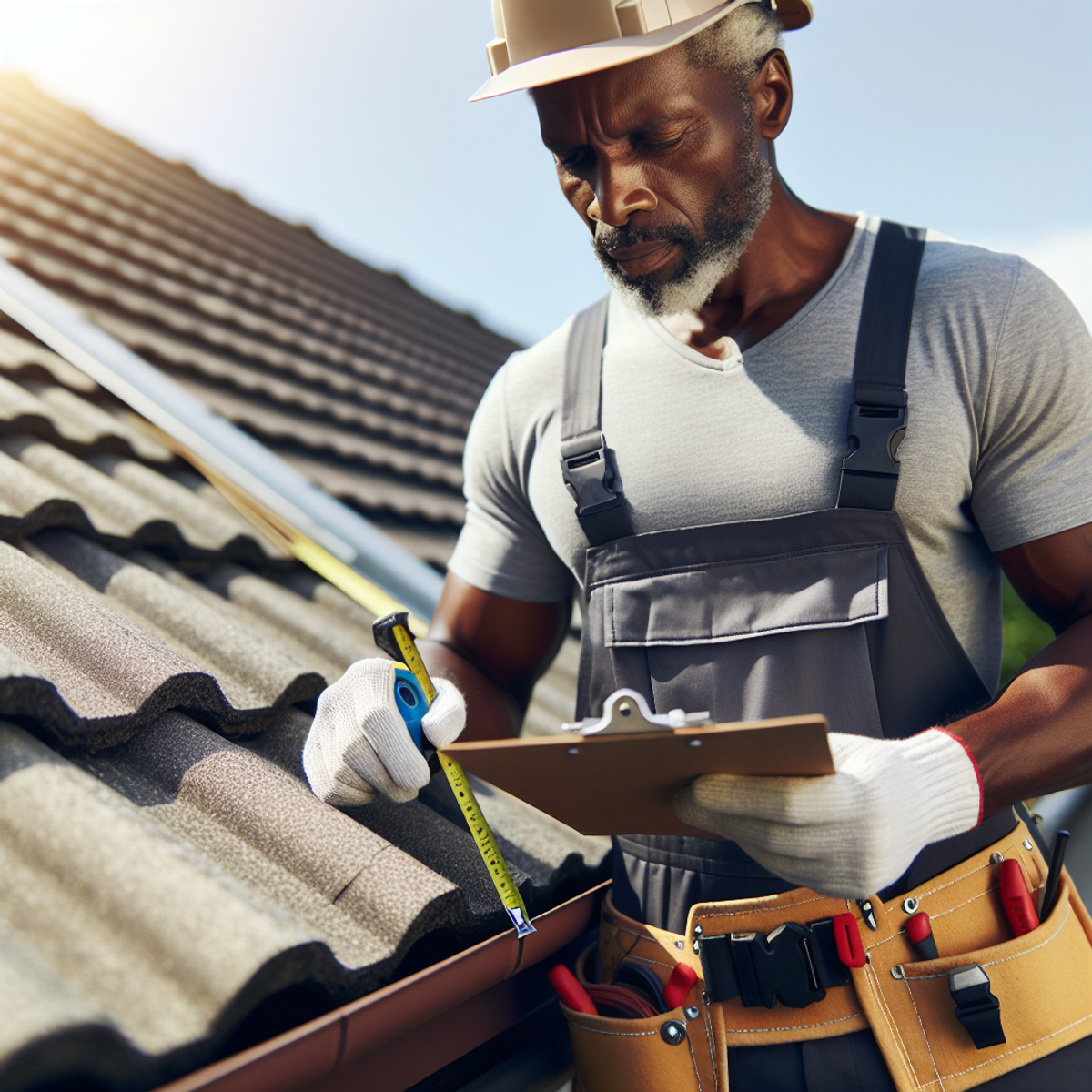
Key Factors Influencing the Duration of a Roof Inspection
Many homeowners wonder how long a roof inspection will take. Usually, it lasts between 45 minutes to 2 hours, but several factors can change this time.
By knowing these factors, you can get ready for your inspection. Let’s look at how the size, complexity, accessibility, type, and materials of your roof can affect the inspection time.
Size of the Roof
- Impact: Bigger roofs need more time to inspect due to the sheer area that needs to check. Inspectors have to look closely at each part for signs of wear or damage, which takes more time.
- Expectation: If you have a larger roof, be ready for an inspection that might take longer than average.
Complexity of the Roof
- Impact: Roofs with multiple levels, slopes, valleys, and features like skylights and chimneys make inspections more complicated. Each of these parts needs careful checking to catch any potential issues, which can take extra time.
- Expectation: If your roof is complex, expect a more detailed and time-consuming inspection.
Accessibility of the Roof
- Impact: How easy it is to get to your roof matters a lot. Roofs that are hard to reach, whether because they are high, steep, or surrounded by obstacles, can make inspections tricky. Inspectors might need to need additional safety equipment or strategies to navigate these roofs safely, which can take more time.
- Expectation: If your roof is tough to access, plan for longer inspection times to ensure safety and thoroughness.
Type of Roof
- Impact: The type of roof—flat, pitched, or green—can change how long the inspection takes. Each type has its own features and potential problems that inspectors need to think about, which affects their approach.
- Expectation: Depending on your roof type, the inspection time may differ. For instance, green roofs need checks on plant health and drainage, which adds to the complexity.
Materials Used
- Impact: The materials of your roof, whether they are traditional shingles, metal, tiles, or rubber, can affect how long the inspection takes. Some materials need a closer look to spot damage, while others, like metal, might be quicker to assess.
- Expectation: Roofs made from materials that hide damage well, like certain tiles, may need longer inspections because they require careful evaluation.
The time for a roof inspection isn’t set in stone; it can change a lot based on the roof’s size, complexity, accessibility, type, and materials. Homeowners can use these factors as a guide to gauge the likely time frame for their roof inspection.
Understanding these points helps you see how thorough and important the inspection process is, keeping your roof in great shape. If your roof has features that might lead to a longer inspection, planning ahead can make everything go more smoothly.
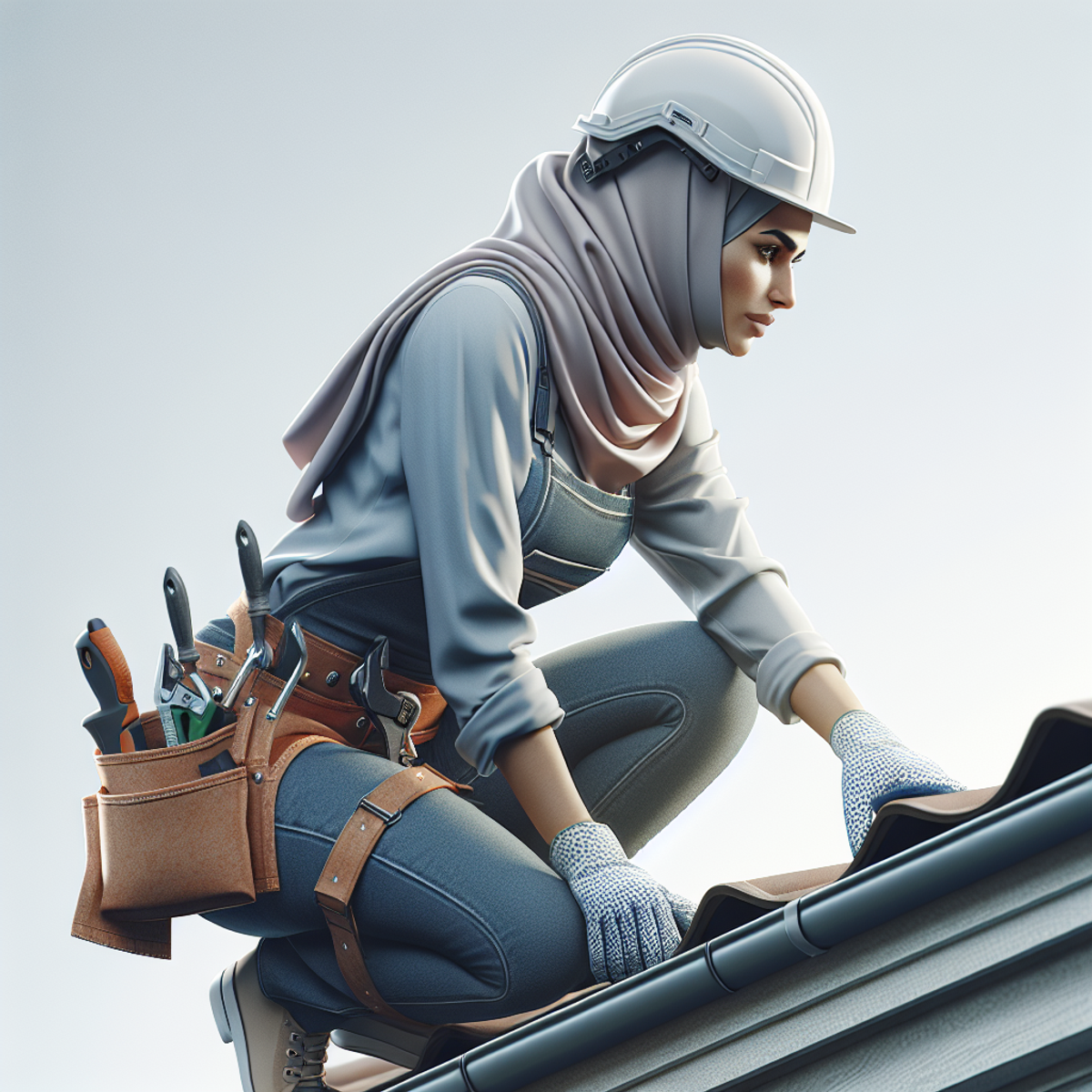
What to Expect During a Comprehensive Roof Inspection
A comprehensive roof inspection is a key evaluation that goes beyond just looking at the roof’s surface. This detailed process carefully checks every part of your roof’s condition is meticulously assessed for signs, finding signs of damage, wear, and any potential problems that could threaten your home’s safety and structure.
Let’s break down what happens during a comprehensive roof inspection. It includes checking the exterior, assessing the rooftop, and evaluating the attic.
Exterior Check
- What Happens: The inspector starts by looking at the roof’s exterior. This means checking the roof from the ground and possibly from higher spots around your property. They aim to find any visible signs of wear or damage, like sagging, missing shingles, or damaged flashing.
- Key Components: The inspector also looks at nearby siding, gutters, and downspouts to make sure they’re directing water away from the roof and foundation properly.
Rooftop Check
- What Happens: After the exterior check, the inspector may go up on the roof (if the weather is good) for a closer look. This step is important for finding issues that might not be visible from the ground.
- Key Components: They closely examine the condition of shingles, tiles, or other roofing materials for cracks, blisters, or missing pieces. The flashing around vents, chimneys, and skylights is checked for proper sealing. The inspector also looks for signs of leaks, standing water, or drainage issues that could cause problems later on.
Attic Check
- What Happens: Checking the attic is a vital part of a thorough roof inspection. It helps uncover issues that might not be seen from the outside. The inspector looks at the underside of the roof for signs of water leaks, mold, or poor ventilation.
- Key Components: They assess the insulation levels to make sure they’re enough and installed correctly. Poor insulation can affect the roof’s performance and the home’s energy efficiency. The inspector also checks for proper ventilation to avoid moisture buildup, which can lead to mold and structural damage.
During a comprehensive roof inspection, the inspector carefully checks the exterior, rooftop, and attic areas. This thorough approach ensures that all potential issues, from visible damage to hidden concerns, are found.
Homeowners can expect this process to highlight any weaknesses in their roof’s structure or materials. This gives peace of mind and the opportunity to tackle issues before they become bigger problems. Understanding the scope of this inspection helps homeowners see its importance in protecting their investment and keeping their home safe and sound.
Common Issues That May Be Detected in a Roof Inspection
Checking your roof regularly is super important for keeping it strong and lasting a long time. It helps catch problems early before they turn into big headaches.
When homeowners learn about the common issues that can pop up during inspections, they understand why it’s important to act quickly. Let’s take a look at some typical problems that inspections might find and what can happen if you ignore them.
Leak Detection
- Overview: One of the main goals during roof inspections is to find leaks. These leaks can be sneaky and might not show up until they cause serious water damage or mold in your home.
- Consequences: If you don’t fix leaks, they can cause major damage to ceilings, walls, and even the overall structure of your home, leading to expensive repairs.
Missing Shingles
- Overview: Missing shingles are a common issue, especially after bad weather. Shingles are your roof’s first defense, and when they’re gone, the roof can get damaged by water and sunlight.
- Consequences: If you don’t replace missing shingles, you could end up with leaks, wood rot, and less effective insulation, which can lead to even bigger problems for your roof.
Storm Damage
- Overview: Storms can cause different kinds of damage, like lifted shingles and holes from hail. This damage might not be obvious right away but can weaken your roof over time.
- Consequences: If you ignore storm damage, it can lead to leaks, shorten your roof’s lifespan, and eventually require a need for a premature roof replacement.
Rot
- Overview: Rot is often found in wooden parts of the roof, especially where moisture builds up because of poor ventilation or leaks that haven’t been fixed.
- Consequences: If rot isn’t dealt with, it can spread and weaken the roof’s structure, possibly leading to major failures if key support areas are affected.
Insect Infestation
- Overview: Roofs can also fall victim to insect infestations, particularly in wooden sections. Pests like termites and carpenter ants can cause serious damage.
- Consequences: Insect damage can quietly weaken the roof, often going unnoticed until it’s too late, which means you might have to spend a lot on repairs.
Regular roof inspections are key to spotting and fixing common issues like leaks, missing shingles, storm damage, rot, and insect infestations before they turn into bigger problems.
By making routine inspections and quick repairs a priority, homeowners can save homeowners from facing hefty repair bills keep their roofs strong and extend their lifespan. Ignoring these signs can lead to a bunch of roof-related troubles, highlighting the need for consistent maintenance and inspections.
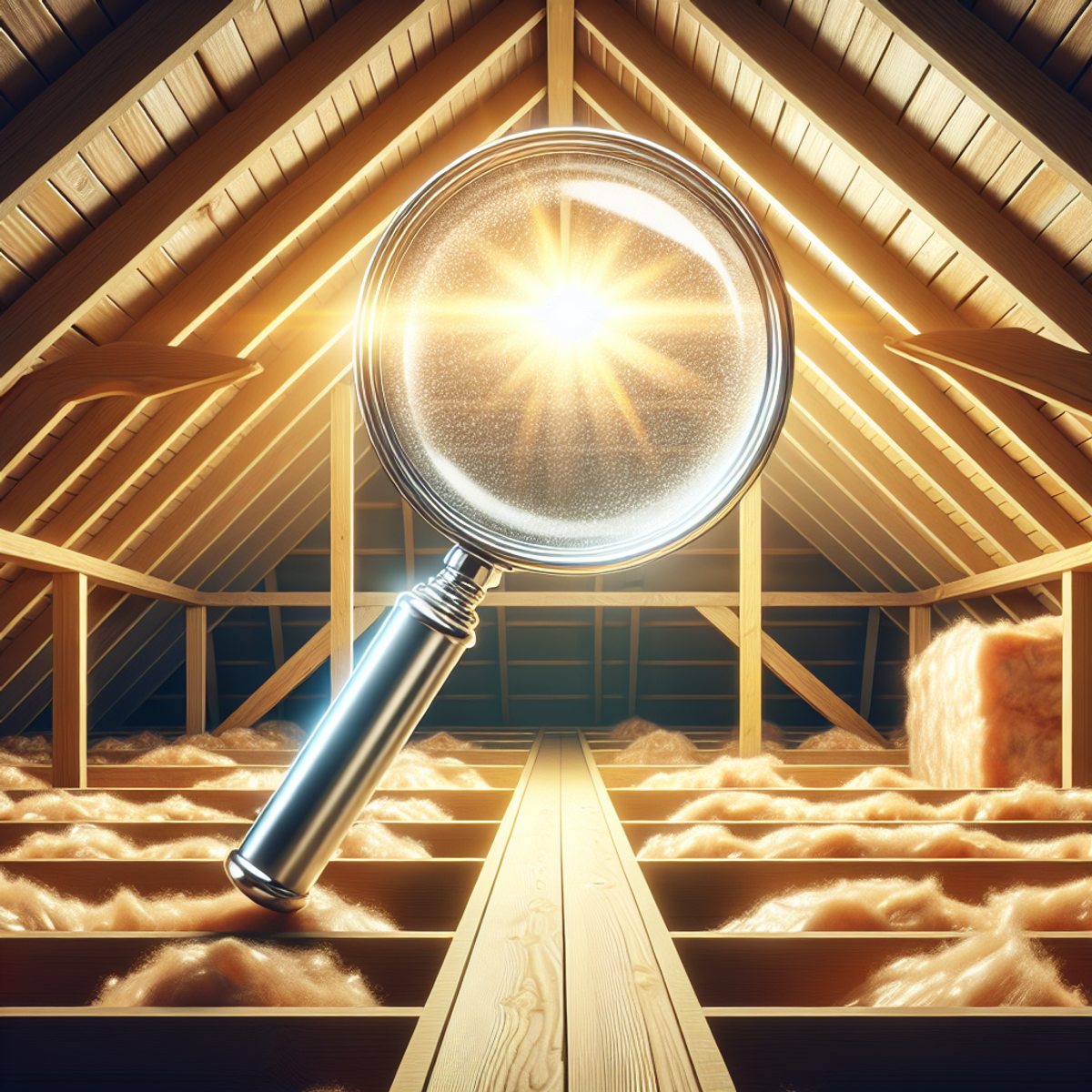
The Importance of Attic Inspections for Overall Roof Health
Your attic isn’t just a place to store stuff; it’s a key player in keeping your roof healthy. Regular attic inspections help spot potential problems that could harm your roof’s strength and function. Checking your attic often is important to catch visible issues roof structure but also for identifying underlying problems and to prevent serious damage down the road.
In this section, we’ll explore why attic inspections matter. We’ll look at the signs of damage that inspectors check for and why this process is crucial for keeping your roof in great shape.
Detecting Mold and Water Damage
- Importance: Finding mold and water damage in the attic means moisture is getting in, possibly from leaks or poor ventilation.
- Inspection Focus: Inspectors look for discoloration, damp spots, or any mold on wood and insulation. Catching these issues early can stop mold from spreading and fix moisture problems before they cause big damage.
Mitigating Pest Infestation
- Importance: Attics can attract pests like rodents, birds, and insects. These critters can be a health risk and may cause structural damage by chewing on wood and insulation.
- Inspection Focus: Inspectors check for signs of pests, like droppings, nests, or damage to insulation and wood. Taking quick action can stop pests from harming your roof.
Guaranteeing Proper Ventilation and Insulation
- Importance: Good ventilation and insulation are key to making your roof last longer. They help control temperature and humidity in the attic, which stops moisture buildup that can lead to mold and wood rot.
- Inspection Focus: Inspectors check how well the ventilation works and the condition of the insulation. They look for blocked vents, worn-out insulation, and signs of moisture that could mean ventilation isn’t working right. Fixing these issues is crucial for keeping your roof strong and efficient.
Comprehensive Assessment
- Inspection Focus: Inspectors also do a complete check of the entire attic structure to find any hidden damage or weaknesses. This includes looking at rafters, trusses, and sheathing for signs of stress or failure.
Your attic is a vital part of your roofing system and shows the overall condition of your roof. Attic inspections are key for spotting early signs of mold, water damage, and pest problems. They also ensure that your ventilation and insulation are up to par.
These inspections are essential for preventive maintenance, helping to stop small issues from turning into big roofing headaches. Understanding the importance of attic health for roof integrity is crucial for keeping your home safe, cozy, and protected from the elements.
Recommended Frequency of Roof Inspections for Maintenance and Early Detection
Taking care of your roof is key to keeping your home strong and safe. Regular roof inspections are an important part of home maintenance. They help catch small problems early, so you can fix them before they turn into big, expensive repairs.
How often you inspect your roof is important for catching potential issues early. Let’s look at the best times to schedule roof inspections and when you might need extra checks.
Annual Inspections for Preventative Maintenance
- Expert Recommendation: Roofing experts and home maintenance professionals usually suggest that homeowners get a roof inspection every year. This yearly check is important for finding problems that may have popped up during the year, especially after bad weather.
- Benefits: Regular annual inspections can help your roof last longer by quickly fixing any damage from things like sun, rain, wind, and snow.
Inspections When Buying or Selling a Home
- Critical Times for Inspection: When buying or selling a home, getting a roof inspection is really important. For sellers, it helps fix any issues before putting the house on the market, which can boost the property’s value and appeal. For buyers, an inspection shows the roof’s condition, helping them negotiate repairs or price changes.
- Peace of Mind: This inspection gives both buyers and sellers confidence about the roof’s condition, making the whole process smoother.
After Severe Weather Events
- Additional Consideration: Besides the annual check, it’s smart to schedule an inspection after severe weather, like heavy storms, hurricanes, or hail. These events can cause hidden damage that might lead to bigger problems if not fixed quickly.
Long-Term Benefits
- Cost Savings: By catching small issues early, homeowners can avoid the high costs of major repairs or having to replace the roof too soon. Regular inspections help with better maintenance, leading to savings over time.
Regularly scheduling roof inspections is a smart move that can really help your roof last longer and work better. With advice suggesting at least one inspection each year and more checks when needed, homeowners can keep their roofs in great shape. Whether it’s for routine care, during a sale, or after bad weather, these inspections are a key investment in your home’s health. They provide peace of mind and can save you money in the long run.
Innovative Methods and Technologies in Roof Inspections
As technology improves, roof inspections have changed a lot. Homeowners and professionals now have many ways to check roof conditions effectively. The method you choose can depend on things like how accessible the roof is, how detailed the inspection needs to be, and what specific problems you’re looking for.
This section explores different approaches, highlighting their pros, cons, and best uses.
Physical Inspection
- Overview: This traditional method involves a qualified inspector climbing onto the roof to look for signs of damage, wear, and other concerns. The inspector carefully checks shingles, flashing, gutters, and other parts to assess their condition.
- Advantages: Getting direct access allows for a thorough look at the roof’s state, making it easier to address minor repairs or issues right away.
- Limitations: Climbing onto roofs can be risky, especially on steep or wet surfaces. Some areas might also be hard to reach without special equipment.
- Best Use: Physical inspections work best for roofs that are easy to access and when a detailed check of specific parts is needed.
Drone Inspection
- Overview: Using uncrewed aerial vehicles (UAVs), drone inspections take high-quality images and videos of the roof. This method lets inspectors safely and efficiently check hard-to-reach areas.
- Advantages: Drones can quickly survey large areas, providing a comprehensive view of the roof without needing ladders or scaffolding. This approach greatly reduces the risk of accidents and is especially helpful for steep, high, or tricky roofs.
- Limitations: While drone inspections give a good overview, they might not show the same level of detail as close-up inspections. Plus, understanding drone footage requires professional skills, and there may be privacy rules to follow.
- Best Use: Drone inspections are perfect for large, complex, or hard-to-reach roofs, especially when you need an initial look at the roof’s condition.
Infrared Inspection
- Overview: Infrared inspections use thermal imaging cameras to spot temperature differences on the roof’s surface. These variations can help find moisture buildup, insulation issues, or air leaks that you can’t see with the naked eye.
- Advantages: This non-invasive method provides important insights into problems that could lead to serious damage if ignored, like water leaks and poor insulation. It can cover large areas quickly and is great for identifying spots that might be prone to leaks or mold.
- Limitations: While infrared inspections can show temperature differences that hint at problems, you often need further checks for a complete diagnosis. This method also requires special equipment and expertise to interpret the results accurately.
- Best Use: Infrared inspections are especially useful for finding hidden moisture issues or checking insulation effectiveness, particularly in flat commercial roofs or areas where leaks are suspected but not yet found.
Choosing the right method for a roof inspection depends on several factors, like the roof’s design, specific concerns, and how detailed you want the inspection to be. Physical inspections are still key to roof evaluations, but drone and infrared technologies offer great alternatives that improve safety, efficiency, and the ability to spot hidden issues.
Each method has its own benefits and drawbacks, making them valuable tools in today’s roof inspection toolkit.
Ensuring Safety During a Roof Inspection Process
Staying safe during a roof inspection is super important. It helps prevent accidents and injuries while also making sure you get a good look at the roof’s condition. Whether you’re a pro or a DIY homeowner, inspecting a roof can be risky because of heights and wobbly surfaces.
By following key safety rules and considering the benefits of hiring licensed and insured roofing contractors, you can lower these risks. This not only gives you peace of mind but also helps make sure the inspection goes smoothly and safely. Let’s check out some essential safety tips for a secure roof inspection process.
Safety Precautions
- Personal Protective Equipment (PPE): Wearing the right PPE, like non-slip shoes, gloves, and helmets, can really help reduce the chances of falls and injuries.
- Ladder Safety: Make sure ladders are stable and set up correctly by following safety guidelines. Using ladder stabilizers or standoffs can give you extra support and boost safety.
- Avoiding Wet or Icy Conditions: It’s best to plan roof inspections for dry days. Wet or icy roofs can be very slippery and dangerous.
- Clearing Surrounding Areas: Keep the area around your property clear of people, pets, and obstacles. This helps lower risks and makes the inspection easier.
Hiring Licensed and Insured Roofing Contractors
- Expertise and Training: Licensed roofing contractors have the skills and training needed to do roof inspections safely. They know all the latest safety standards.
- Insurance: Working with insured contractors adds extra protection. If something goes wrong during the inspection, their insurance can cover the costs, easing financial worries for homeowners.
- Compliance with Regulations: Licensed contractors follow local building codes and rules. This means any findings or repairs during the inspection will meet the required standards.
Benefits of Professional Inspections
- Peace of Mind: Homeowners can relax knowing that skilled professionals are handling the roof inspection. They’ll make sure it’s done thoroughly and safely.
- Avoiding Personal Risk: By hiring pros, homeowners can avoid the dangers of climbing onto the roof themselves.
- Quality and Efficiency: Licensed and insured contractors have the right tools and experience to spot potential issues quickly. This saves homeowners time and can help avoid costly repairs later.
Using proper safety measures during a roof inspection is essential for preventing accidents and getting a complete look at the roof’s condition. Hiring licensed and insured roofing contractors offers many benefits, like better safety, expertise, and following industry rules. By focusing on safety and professionalism, homeowners can make sure their roof inspections are done well and with minimal risks.
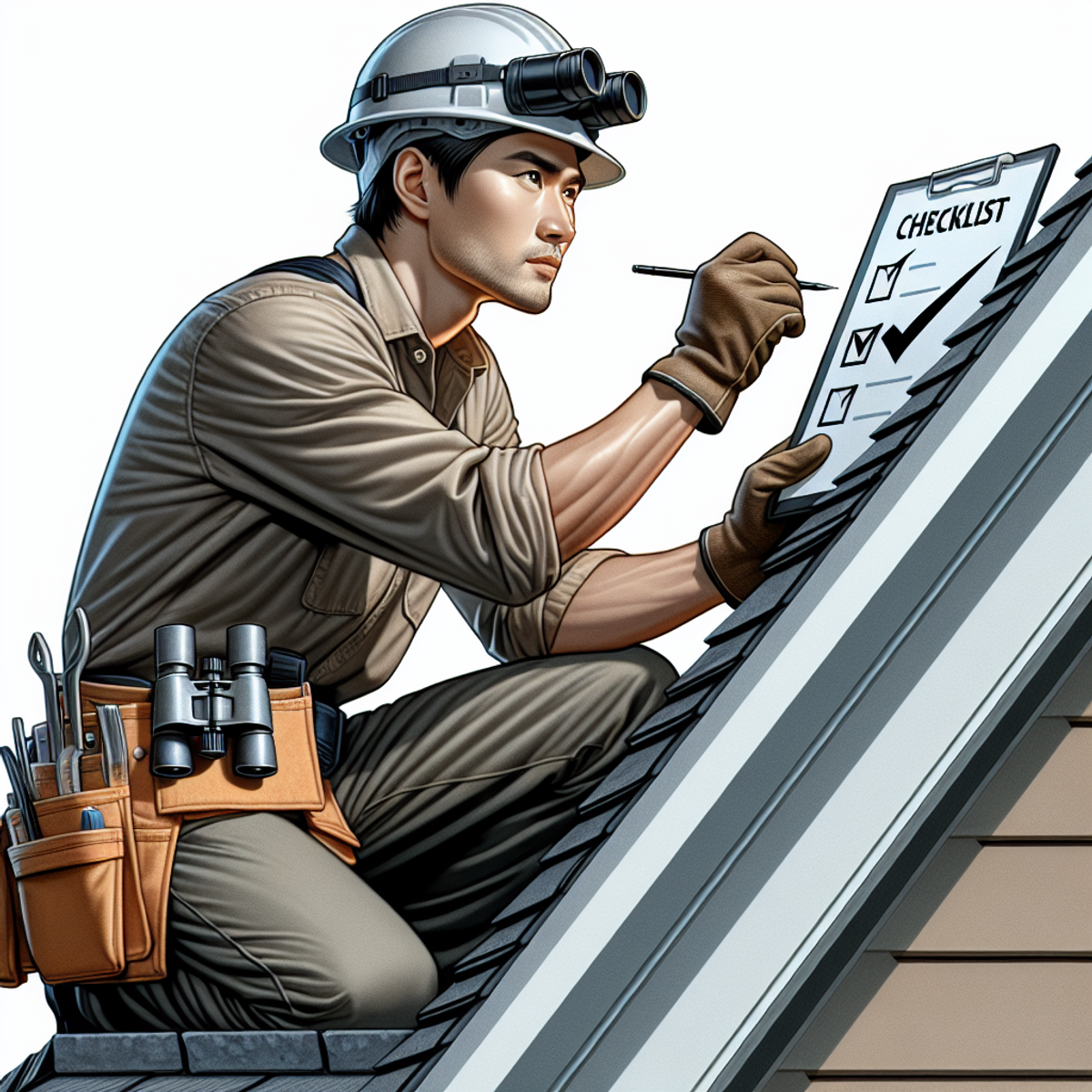
Understanding the Cost Factors Involved in Roof Inspections
For homeowners, the costs of a roof inspection are an important factor to think about. These expenses can greatly affect how you maintain and manage your property. Understanding what can impact the overall cost is key for budgeting and making smart choices.
The price of roof inspections can change based on several key factors. These include the size and complexity of the roof, how easy it is to access, where the property is located, and the inspection methods used. Let’s take a closer look at these factors to see what affects the cost of a roof inspection.
Size and Complexity of the Roof
- Impact on Cost: Larger roofs or those with complex designs, multiple levels, or steep slopes need more detailed inspections. This means more labor and time, which usually results in a higher price for these inspections.
- Consideration: When getting estimates, keep in mind that the cost will reflect the size and complexity of your roof.
Accessibility
- Impact on Cost: If your roof is hard to reach because of its height, landscaping, or unique features, it may require special tools or extra safety measures. This can increase the inspection costs.
- Consideration: Homeowners with roofs that are tough to access should expect to pay more to cover these extra needs.
Location of the Property
- Impact on Cost: Where your property is located can greatly affect inspection prices. Costs can vary based on local living expenses, demand for roofing services, and the availability of skilled inspectors.
- Consideration: It’s a good idea for homeowners to check out common inspection prices in their area to set realistic budget expectations.
Inspection Method
- Impact on Cost: The method you choose for the inspection—like traditional assessments, drone surveys, or infrared scans—can also affect the price. While standard inspections may have a steady rate, advanced techniques might cost more due to the special tools and skills needed.
- Consideration: Think about the benefits of using advanced inspection methods compared to their costs to find the best option for your needs.
Additional Costs for Repairs and Further Investigation
- Important Note: If the inspector finds issues that need more investigation or urgent repairs, there will be extra costs on top of the initial inspection fee.
- Budgeting: Homeowners should prepare for possible repair costs or follow-up inspections, especially if the first check shows signs of damage or wear.
Free Inspections and Cost Structures
- Variability: Some roofing companies might offer free inspections as part of their services, especially if you decide to hire them for repairs or maintenance later. Others may charge a flat fee or hourly rate for inspections.
- Advice: Always ask about the cost structure and what’s included in the inspection before you schedule it. This will help you avoid unexpected charges and make budgeting easier.
The cost of a roof inspection can vary widely based on many factors, like the roof’s features, the inspection methods chosen, and the specific needs of the property. By understanding these cost factors and asking about pricing ahead of time, homeowners can be better prepared for the financial responsibilities that come with roof maintenance.
In the end, investing in a thorough roof inspection can save you money over time by catching and fixing small issues before they turn into big, costly repairs.
Conclusion
As we wrap up our look at roof inspections, it’s clear that these checks usually take between 45 minutes to 2 hours. This timing can change based on a few important factors.
Things like the size and complexity of the roof, how many layers of roofing there are, how easy it is to access the roof, and whether any urgent repairs are needed can all affect how long the inspection takes.
This shows why it’s important to set aside enough time for a thorough check. A careful inspection is key to finding any issues or damage that could harm the roof’s strength and, in turn, the safety of your home.
If inspections are rushed, you might miss serious problems, which could lead to bigger and more expensive repairs down the line.
Since roofs play a crucial role in protecting homes from the elements, regular inspections should be seen as a must for responsible home care. These checks help keep your roof healthy and lasting longer, making sure it does its job well over time.
Even though the time needed can vary, the importance of regular inspections is clear. They not only help your roof last longer but also give you peace of mind, knowing your home is safe and secure against the weather.
For any homeowner, making regular roof inspections a priority—no matter how long they take—is a smart move. It’s an investment in your roof’s strength and lifespan, helping to safeguard your home from future costs and ensuring it can handle whatever nature throws at it.
FAQ
Can I perform a roof inspection myself?
If you’re comfortable with heights and have the necessary tools, you can inspect your roof. However, hiring a professional can provide a more thorough evaluation and ensure safety.
What should I do if my roof inspection reveals issues?
It’s important to address any problems found during the inspection by consulting a qualified roofing contractor to explore repair options and costs.
How can I prepare my home for a roof inspection?
To prepare for a roof inspection, clear any debris from the roof and make sure there is easy access to the attic and surrounding areas for a smooth process.