

Introduction
Finding orange stains in your shower can be a common and frustrating problem for homeowners. Understanding their causes is essential for effective removal and prevention, while regular cleaning and maintenance help keep your shower hygienic and visually appealing. This article will provide various methods to address orange stains on surfaces, grout, and caulk, enabling you to restore your bathroom’s appearance and maintain cleanliness.
Identifying the Causes of Orange Stains in Your Shower
Finding orange stains in your shower can be annoying, but it’s important to identify their cause to tackle the problem effectively. Typically, these stains are caused by iron in your water, which can originate from old pipes or well water. This issue is particularly prevalent in regions with high iron content in the soil or in homes with outdated plumbing systems. For more information on related issues, check out our article on heat pump issues and solutions.
Iron reacts with moisture and air, leading to those orange rust stains. To check for iron, fill a clear glass with water and let it sit for a few hours; if reddish sediment settles at the bottom, iron is likely present. Additionally, a metallic taste or smell in the water can further indicate the presence of iron.
Other minerals, such as manganese and copper, can also cause staining. Manganese may lead to dark brown stains, while copper can produce greenish hues. Understanding these factors helps you clean effectively and choose appropriate solutions based on the type of stain. Consider the age and condition of your plumbing, as older pipes may corrode and leach these minerals into your water.
Hard water with high mineral levels can exacerbate staining problems. Testing your water quality can reveal the minerals it contains; water testing kits are available at home improvement stores or online. Based on your results, you can explore various solutions to address the staining.
- Install a water softener to reduce mineral content and help minimize staining.
- Use cleaners specifically designed for mineral stains, which are formulated to combat tough stains caused by iron and other minerals.
- Consider a filtration system if your water has high iron levels, as this can remove iron before it enters your plumbing.
- Regularly flush your plumbing system by running water for a few minutes, especially if discoloration appears after periods of non-use.
Identifying the source of the stains allows you to apply effective solutions for a stain-free shower. Regular maintenance and testing can help prevent these unsightly stains from returning. Monitoring your water supply and plumbing conditions can save you time and effort in the long run.
Why Regular Cleaning and Maintenance Matter
Removing orange stains can be challenging, making a regular cleaning schedule essential. Neglecting maintenance can lead to worsening buildup over time.
By sticking to your cleaning routine, you can keep your shower free from orange stains, as prevention is often easier than removal.Here are some extra tips to help keep your shower stain-free:After each shower, use a squeegee or microfiber cloth to wipe down the walls, fixtures, and glass doors.
This practice reduces moisture and mineral buildup, particularly in corners where water tends to collect. Additionally, leaving the shower door slightly ajar after use can help with drying.To combat orange stains, clean your shower weekly with a gentle cleaner that targets mineral buildup and soap scum.
A simple and effective natural solution is mixing equal parts vinegar and water in a spray bottle. The acidity of vinegar helps dissolve mineral deposits while being safe for most surfaces.Regular cleaning and maintenance are vital for preventing and removing tough stains in your shower.
Regular cleaning not only enhances your shower’s appearance but also promotes good hygiene. It prevents soap scum and mineral deposits from accumulating and causing unsightly stains.
- Install a water softener if you have hard water to decrease mineral content, which can significantly reduce staining.
- Regularly inspect your plumbing for rust or corrosion that may lead to orange stains. If you find any rust, consider replacing the affected pipes.
- Replace old showerheads or faucets that may contribute to the problem, as corroded fixtures can leach minerals into your water.
- Consider using a daily shower spray after each use to help prevent buildup.
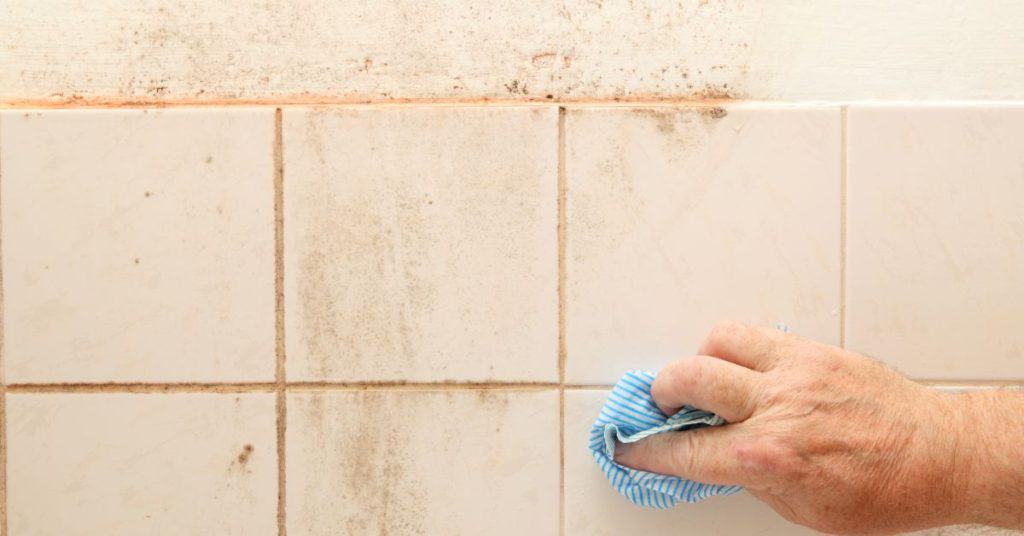
How to Remove Orange Water Stains from Your Shower
Orange stains in your shower can be annoying, but there are straightforward methods to remove them. Just as you would focus on how to remove super glue, you can follow these steps to tackle those pesky stains.
Assemble Your Cleaning Supplies
Before you begin, gather your cleaning supplies. Having these essentials ready will help ensure effective removal of the orange stains.
- A cleaner specifically for rust stains or a homemade mix, such as vinegar and baking soda.
- A non-abrasive scrub brush or sponge to avoid scratching the surfaces.
- A clean spray bottle for your cleaning solution, free from any previous chemicals.
- Protective gloves to safeguard your hands from harsh chemicals.
- A bucket for rinsing, especially useful for larger areas.
- A microfiber cloth for drying and buffing the surfaces after cleaning.
Prepare the Shower Area
Start by clearing the area of items like shampoo bottles or loofahs. This will help the cleaning solution work effectively. Additionally, ensure good ventilation by opening a window or turning on the bathroom fan to minimize fumes from the cleaning products.
Apply the Cleaning Solution
Apply your cleaning solution directly to the orange stains, following the product instructions for the best results. Let it sit for a few minutes to loosen the stains; for homemade solutions, waiting 15-20 minutes is often helpful. If using a commercial cleaner, check for any specific dwell time needed for effectiveness.
Scrub the Stains
Gently scrub the stained area in circular motions with your scrub brush or sponge. For tough stains, you may need to scrub multiple times. If some stains are particularly stubborn, reapply the cleaning solution and allow it to sit longer before scrubbing again. Be patient, as some stains may require several treatments for complete removal.
Rinse and Evaluate
After scrubbing, rinse the area thoroughly with water to remove any cleaning solution and loosened stains. If any orange stains remain, repeat the application and scrubbing until they are gone. Dry the area well to prevent new stains from forming; a clean, dry surface is less prone to staining. You can use a fan to help speed up the drying process.
Tips for Removing Stubborn Orange Stains from Shower Grout
Removing orange stains from shower grout can be challenging due to its porous nature, which allows stains to penetrate deeply. To effectively tackle these stains, follow these cleaning steps.
Prepare a Cleaning Paste for Grout Stains
Combine three parts baking soda with one part water to create a thick paste that sticks well to grout lines. Apply it generously to stained areas and let it sit for at least 20 minutes. For tougher stains, consider extending the time for deeper penetration. Adding a few drops of dish soap to the paste can also improve its cleaning effectiveness.
Scrub the Grout to Remove Stains
Use a grout brush or an old toothbrush to scrub the stained grout lines. Focus on the most discolored areas, applying firm but gentle pressure. Scrubbing in a circular motion can be more effective than back-and-forth strokes. For added cleaning power, you can use a small amount of vinegar on the brush after applying the paste, as the reaction between vinegar and baking soda can boost stain removal. You can find helpful tips for tackling tough stains.
Rinse and Check for Remaining Stains
After scrubbing, rinse the area with warm water to remove any remaining baking soda and loosened stains, using a sponge or cloth to wipe away the mixture. Inspect the grout closely; if any orange stains remain, repeat the previous steps until it is clean. Afterward, consider applying a quality grout sealer to create a protective barrier against moisture and staining.
How to Clean Orange Stains from Shower Caulk
Orange stains can accumulate in shower caulk, making your bathroom look unkempt. To effectively clean these stains, follow these steps.
Prepare Your Cleaning Solution
In a clean spray bottle, combine equal parts of white vinegar and warm water, then add a few drops of dish soap for enhanced cleaning strength. This mixture effectively breaks down stains and soap scum. Gently shake the bottle to blend the ingredients and label it clearly to prevent any mix-ups later. For more home improvement tips, consider replacing your bathroom fan.
Apply the Solution and Allow It to Sit
Spray the vinegar solution directly onto the stained caulk, ensuring it is fully saturated for the best results. Let it sit for at least 30 minutes to break down the stains; for stubborn stains, you may extend this time to an hour. This waiting period allows the solution to penetrate and loosen the stains effectively.
Scrub the Stained Caulk
After the solution has set, gently scrub the stained areas with a soft-bristled toothbrush or small scrub brush, using circular motions to lift the stains without damaging the caulk. If stains persist, you can apply slightly more pressure, but be careful not to harm the caulk. Rinse the area thoroughly with warm water to remove any leftover cleaning solution, and finish by wiping with a clean cloth to eliminate residue and prevent further staining.

Effective Ways to Remove Orange Rust from Your Bathtub
Orange stains in your bathtub can be frustrating, but there are effective ways to remove them. Below are some techniques that can help you tackle this issue successfully.
Vinegar and Baking Soda Cleaning Method
- Prepare a paste: Mix vinegar and baking soda to create a thick paste. The ratio can be roughly 1:2, depending on how much you need. Adjust the quantities to ensure you have enough paste to cover all stained areas.
- Apply the mixture: Spread the paste over the rust stains in your bathtub, ensuring even coverage. Use a spatula or your fingers (with gloves) to apply it smoothly.
- Scrub the area: Use a sponge or cloth to scrub the spots vigorously, focusing on areas with heavy staining. The abrasiveness of the baking soda will help lift the stains.
- Rinse thoroughly: After scrubbing, rinse the bathtub well with clean water to remove all residue. Make sure no paste remains, as it can leave a film if not rinsed off completely.
Lemon Juice and Salt Cleaning Solution
- Sprinkle salt: Evenly distribute salt over the rust stains. The salt acts as a mild abrasive and helps lift the stains.
- Add lemon juice: Squeeze fresh lemon juice over the salted stains. The acidity of the lemon helps break down rust. You can also use bottled lemon juice if fresh is not available.
- Let it sit: Allow the mixture to rest on the stains for several hours, or overnight for best results. This gives the solution time to penetrate and work on the stains.
- Scrub the stains: After waiting, use a sponge or brush to scrub away the rust. Rinse the area with warm water to wash away any residue.
- Rinse well: Rinse the bathtub thoroughly to ensure no salt or lemon juice remains, as leftover residue can cause further staining.
Using Store-Bought Rust Removers
If natural solutions are ineffective, consider trying commercial rust removers. Be sure to follow the manufacturer’s instructions for safe use, and always test a small area first to check compatibility with your tub’s surface. Since some rust removers may contain harsh chemicals, wear gloves and ensure proper ventilation during application.
Tips for Preventing Future Stains
To avoid future rust stains, use a bathtub mat for surface protection and wipe down the bathtub after each use to minimize rust buildup. Regularly inspect your plumbing for leaks, as they can lead to rust and stains over time. Consider wearing gloves and a mask while cleaning to protect your skin and respiratory system from harsh chemicals.
Understanding the Origins of Orange Stains in Your Shower
Discovering orange stains in your shower can be frustrating, and understanding their origin is essential. These stains are often caused by iron in your water, which can come from old pipes or groundwater. When iron mixes with moisture and air, it forms orange rust stains, a reaction that tends to occur more rapidly in high-humidity areas.
To determine if iron is the culprit, fill a clear glass with tap water and let it sit for a few hours. If reddish sediment appears at the bottom, iron is likely present. Other minerals, such as manganese and copper, can also cause stains, with manganese creating dark brown stains and copper resulting in greenish colors. Knowing about these minerals can help you choose the right cleaning products, and checking with neighbors about similar problems may reveal a broader water supply issue.
It’s wise to assess your local water quality, especially in areas with hard water, as high mineral levels can worsen staining issues. Regular water tests can reveal the composition of your water, and testing kits are available at home improvement stores or online. These kits can provide valuable insights into hardness and mineral content. By identifying the sources of orange stains, you can create effective cleaning routines to maintain your shower’s appearance.
Additionally, be aware of common mistakes that can occur while addressing these stains. Avoiding these pitfalls can help ensure a smoother process and better results. Here are some key mistakes to watch out for:
- Ignoring the source of the stains, which can lead to recurring issues. Always address the root cause.
- Using harsh chemicals that may damage surfaces or worsen the problem.
You can learn more about identifying asbestos in old linoleum by visiting the safety first resource.
Conclusion
Understanding the causes of orange stains in your shower is essential for effective cleaning and prevention, as these stains often arise from iron in your water due to old plumbing or high mineral content in the soil. Regular cleaning and maintenance are vital to prevent soap scum and mineral deposits that contribute to staining, and when addressing existing stains, use straightforward methods for removal from shower walls, grout, or caulk. Testing your water quality can help you adjust your cleaning strategies based on the specific stains you encounter, allowing you to achieve a clean and stain-free shower with the right approach and some patience.
FAQ
What should I do if the orange stains return after cleaning?
It’s a good idea to test your water supply for high iron content, since persistent stains can suggest underlying problems with your plumbing or water source that require attention.
How can I prevent orange stains from forming in the first place?
Cleaning your shower regularly and utilizing a water softener can help minimize mineral buildup and stop orange stains from forming.
Are there any special tools needed for cleaning orange stains effectively?
A scrub brush with stiff bristles is effective for removing tough stains, particularly in grout and caulk. However, it’s important to avoid metal brushes, as they can damage surfaces.
How often should I clean my shower to prevent orange stains?
To prevent stains and ensure a hygienic environment, try to clean your shower weekly. Regular maintenance helps keep your shower looking fresh and free from buildup.