
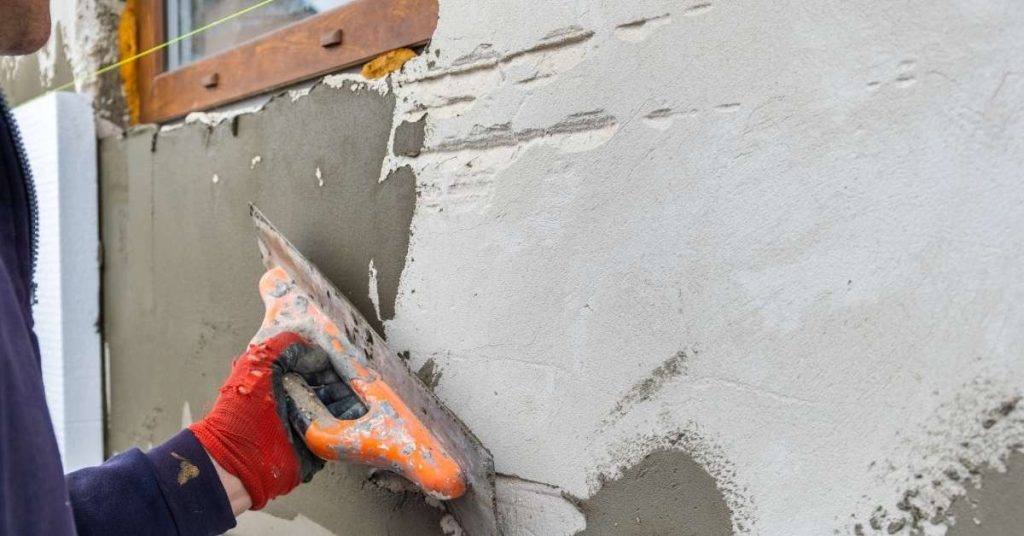
Introduction
Measuring stucco thickness without full demolition means estimating how thick the outer layer sits on the wall. In plain terms, you’re looking for clues you can verify without tearing the surface apart. Use simple tools and a careful approach to avoid creating new cracks or exposing the substrate.
Tools you can rely on include a measuring gauge, a utility knife, a hammer, and a straightedge to check for even layers. Plan a clean, shallow cut or probing method that minimizes damage, and confirm what you find by checking manufacturer instructions and local rules. For patching, feather the edges with a compatible compound and test a small area before doing the full repair, and look at texture and feel to help identify stucco types.
Key takeaways
- Carry a straightedge, calipers, magnet thickness gauge, and scratch awl for checks.
- Identify stucco types first to tailor patching and thickness expectations during assessment.
- Use non-invasive methods like probing screws, drilling shallow holes, or infrared surveys cautiously.
- Minimal damage tests: bore small test holes away from joints, clean, and seal.
- Patch cleanly with compatible texture, matching compounds, and feathered edges for seamless blend.
- Safety note: wear eye protection, dust mask, and control debris during any test.
Table of Contents
- Introduction
- Key takeaways
- Why Measure Stucco Thickness Without Full Demolition
- Stucco and Plaster Types: What Affects Measurement and Repair
- Non-Invasive Tools and Techniques for Estimating Stucco Thickness
- Minimal-Damage Test Methods and How to Execute Them Cleanly
- Assessing Whether to Patch, Spot-Repair, or Replace
- Patching Techniques for a Seamless Finish
- Safety, Environmental, and Waste-Reduction Considerations
- Planning, Costs, Common Mistakes, and Further Learning
- Conclusion
- FAQ
Why Measure Stucco Thickness Without Full Demolition
Measuring thickness without ripping out the entire wall helps you keep the finish intact and cut costs. You can still guide the repair method and budget by knowing what sits behind the surface. This keeps waste down and disruption to a minimum.
Non-destructive checks reveal whether you’re dealing with skim coats, multiple layers, or a solid substrate. Look for clues like patch indicators or substrate hints from edge areas and corners. Use small probes or inspection openings to form a practical plan without a full demo.
When a non-invasive check is the right choice
A non-invasive check is your best bet when you’re planning minor repairs, remodels, or checking for moisture issues. Here’s why:
Minor Repairs: If you’ve got a small crack or hole to fix, knowing the thickness helps you decide if a skim coat will do the trick.
Remodel Planning: Before you start tearing out walls or adding new stucco, measure existing thickness. It’ll help you plan your project and avoid surprises.
Moisture Concerns: If you suspect moisture issues, a non-invasive check can help you pinpoint problem areas without causing more damage.
Benefits and trade-offs of minimal testing
Minimal testing has its perks, but it’s not perfect. Here are the pros and cons:
Advantages: It’s cheaper and less disruptive than full demo. You won’t have to deal with as much waste or mess.
It also lets you preserve your existing finish, which can save you time and money in the long run.
Trade-offs: While it gives you a good idea of thickness, minimal testing doesn’t provide as much data as full demo. You might miss underlying issues or variations in thickness.
In some cases, you may need to follow up with more invasive testing. But for most minor repairs and planning purposes, minimal testing should do the trick.
Stucco and Plaster Types: What Affects Measurement and Repair
Typical DIY projects involve cement-based stucco, traditional lime-based mixes, acrylic finishes, and interior gypsum or plaster. Each type has properties that change how you measure and patch, such as porosity and bond to substrate. This matters for thickness acceptance and repair strategy.
Different materials alter probing needs and the likelihood of hidden substrates behind the finish. Some allow deeper cracks to reveal lath or mesh, while others may hide expansion joints. Knowing the material helps you choose a patch approach and whether a skim coat or reinforcement is needed.
Key material characteristics to recognize
The type of stucco or plaster you’re dealing with makes a big difference in how you measure and patch. Here’s what to look for:
- Cement-based Stucco: Hard, dense, often has a rough texture. Look for ‘Type N’ or ‘Type S’ on specs. Avoid hitting it too hard during measurement.
- Lime-based/Traditional Mixes: Softer, more porous, may have a smoother finish. Check for ‘NHL’ (Natural Hydraulic Lime) or ‘Type O’. Be gentle to prevent crumbling.
- Acrylic/Synthetic Finishes: Flexible, often has a smooth sheen. Look for ‘100% Acrylic’ on labels. Don’t probe too deeply as it can damage the finish.
- Interior Gypsum/Plaster: Softest, most porous, usually painted. Check for ‘Gypsum’ or ‘Plaster of Paris’. Handle with care to avoid damaging the surface.
- Lath or Mesh: Feel for wire backing in older systems. Newer ones may have fiberglass mesh. Be careful not to snag your probe.
How type dictates patching materials and approach
The material you’re repairing with needs to match the original. Here’s how:
- Cement-based Stucco: Use cement-based mortar, like ‘Type N’ or ‘Type S’. Prime before patching. Avoid using lime putty as it can cause cracking.
- Lime-based/Traditional Mixes: Lime putty is best for these. Prime with a lime primer. Don’t use cement-based mortars, they won’t bond well.
- Acrylic/Synthetic Finishes: Use 100% acrylic patching compounds. Prime with an acrylic primer. Avoid using cement or lime-based products as they can stain and crack.
- Interior Gypsum/Plaster: Use gypsum plaster or joint compound. Prime with a PVA primer. Don’t use cement or lime-based products, they won’t match the finish.
- Reinforcement & Skim Coats: If needed, use fiberglass mesh and skim coats to match texture and sheen. Always follow manufacturer’s guidelines for best results.
Non-Invasive Tools and Techniques for Estimating Stucco Thickness
The goal is a reliable thickness estimate without wholesale removal, recognizing regional variation in typical layouts. Start with a plan for cross-checking multiple exterior points to build a confident range. Don’t rely on a single reading.
Use non-destructive tools and methods like infrared imaging, ultrasonic gauges, or small borescopes to view layer transitions. Combine exterior measurements with notes on moisture flags and delamination signs to guide your next steps.
Electronic and Optical Tools
These gadgets help you peek into your stucco without tearing it apart. Here’s what they can do, their limits, and some tips:
- Ultrasonic Thickness Gauges: Send sound waves through the surface to measure thickness. Key spec: Accuracy within 10-20% for stucco. Tip: Use on flat areas, avoid rough textures.
- Borescopes/Inspection Cameras: Snake-like cameras to see inside coping or utility openings. Key spec: Varies by model; some can record video. Tip: Rentable, realistic price: $50-$150/day.
- Infrared Thermography: Detects moisture and coating transitions via temperature differences. Key spec: Not a direct thickness measurement but useful for identifying issues. Tip: Use on clear, sunny days for best results.
- Handheld Calipers/Laser Distance Meters: Measure exterior to substrate when feasible. Key spec: Accuracy within 1-2mm. Tip: Use on flat areas, account for any underlying layers.
- Optional: Ground-Penetrating Radar (GPR): Detects hidden structures beneath the surface. Key spec: Expensive, best used by professionals. Tip: Consider if you suspect hidden rebar or conduit.
Visual Inspection and Built-In Reveals
Look for these telltale signs to infer your stucco’s layer structure:
- Window/Door Reveals: Check thickness where it meets framing. Confirm: Measure with calipers or laser meter.
- Vents and Exposed Edges: Inspect where stucco meets other materials. Confirm: Compare to reveals, note any variations.
- Flashing Terminations: Check where flashing meets the wall. Confirm: Look for consistent thickness around openings.
- Decorative Bands/Bands of Color: Measure at these breaks in texture. Confirm: Compare measurements across similar bands.
- Coping and Cap Stones: Inspect where they meet the wall. Confirm: Check for consistent thickness along coping.
- Exposed Corners: Measure at outside corners. Confirm: Compare to other corners, note any differences.
- Moisture Stains or Cracks: Look for signs of water damage. Confirm: Check for delamination, consider moisture testing.
- Exposed Utility Openings: Inspect around pipes, wires, etc. Confirm: Compare to other openings, note any variations.
Quick rule: The more consistent your measurements across these points, the higher confidence you’ll have in your estimates.
Tactile and Simple Probe Techniques
Sometimes, a gentle poke can give you valuable info. Here’s how to do it safely:
1. Use a small-diameter probe (like a nail set or awl) to make tiny holes in less visible areas (e.g., behind downspouts).
2. Gently push the probe into the stucco, feeling for changes in resistance. Tip: Go slow, stop if you hit something hard (could be rebar or conduit).
3. If results are inconclusive, consider a small test patch to confirm thickness and identify any underlying issues. Tip: Keep patches small; they’ll be easier to repair later.
Minimal-Damage Test Methods and How to Execute Them Cleanly
Prioritize non-destructive or minimally invasive options such as test cores, shallow cuts, or removable trim checks. These yield thickness data with minimal wall disruption. Plan locations away from utilities and fixtures to reduce risk.
Prepare tools, follow safety protocols, and mark test sites clearly. Document how deep you cut or core, collect the sample, and note any coatings that affect thickness readings. This keeps later repairs straightforward.
How to perform a controlled small core or test cut
To minimize damage and ensure clean patching, follow these steps for a controlled small core or test cut:
Preparation: Mark the spot below window lines, near trim, or away from fixtures. Avoid electrical/plumbing lines and insulation. Use a core drill with dust control to keep your workspace clean.
Execution: Drill slowly and steadily to a depth of 1-2 inches. For shallow cuts, use a utility knife or oscillating tool, cutting only through the surface layer. Be cautious not to damage underlying materials.
Backfill considerations: Once you’ve taken your sample, carefully extract it using a pry bar. Measure the thickness accurately, accounting for any coatings or multiple layers. Clean up the site and prepare for patching by ensuring the hole is stable and dry.
Documenting results for contractors or insurance
Proper documentation of your test results is crucial for estimates, claims, and future reference. Follow these best practices:
Photography: Take before-and-after photos of the test sites from multiple angles. Include a measuring tape in the shot for scale. Also, photograph any visible damage or defects.
Video: Record a short video walking through your testing process and results. This can help contractors or insurance adjusters understand your findings better.
Note-taking: Keep detailed notes on each test site’s location, measurement, and any observations. Sketch a grid map of your home’s facade, marking the locations of tests with corresponding measurements.

Assessing Whether to Patch, Spot-Repair, or Replace
Use a clear decision framework to decide between patching, skim repairs, or full replacement. Let structure, moisture history, and adhesion inform the path you take. A simple yes/no check can prevent over- or under-repair.
Evaluate substrate soundness, moisture evidence, and patch compatibility. Consider aesthetics, long-term maintenance, and whether edge-to-edge repair is needed. This guides you toward targeted work rather than guesswork.
Structural vs Cosmetic Indicators
Before you decide to patch, spot-repair, or replace your stucco, understand the signs that point to underlying issues versus surface-only problems.
Structural issues: Check for cracks widening over time, hollow spots when tapped, delamination (peeling), or movement behind the stucco. These could indicate framing or lath problems.
Moisture damage: Look for present or recent leaks, mold growth, efflorescence (white powdery deposits), or moisture migration paths. These can compromise patch longevity and may require professional remediation.
If you find any of these signs, consider a full replacement or partial repair depending on the extent of damage.
When to Call a Pro or Check Codes/Permits
If you suspect structural defects, it’s wise to consult professionals. They can assess the damage and advise on the best course of action.
Local building codes: Before starting any major repair or replacement work, check if your local building department requires a permit or inspection. Some areas may need an engineer’s report for significant repairs.
Always err on the side of caution to protect your home’s value and safety. It’s better to spend some time checking than risking further damage or violating codes.
Patching Techniques for a Seamless Finish
Define the patching objective as a seamless blend with the surrounding stucco, focusing on texture, thickness, and finish without listing product specs. Start with careful assessment of the area to decide single-coat, multi-coat, or skim options.
Outline a bonding and build-up plan that respects the wall’s curvature and features. Reproduce texture and finish by sampling nearby areas and matching color and sheen with compatible primers and coatings, without naming specific brands.
Matching texture and color
To achieve an invisible repair, start by sampling the existing texture. Use a putty knife to scrape off a small amount from a hidden area. Mix this with your patching material to match the color.
For texture, use stamps, brushes, or drag tools that mimic the surrounding pattern. Stamp gently and evenly, using the same pressure as the existing stucco. For brush textures, use long, even strokes in the direction of the prevailing wind.
Feather the edges of your patch to blend it with the surrounding area. Start with a wider blade and gradually narrow it down to create a smooth transition. Apply the texture material in stages, allowing each layer to dry before moving on to the next.
Stepwise patch workflow (prep to paint)
Begin by cleaning and preparing the area. Remove any loose material, then use a wire brush to scrub away dirt and debris. Apply a bonding agent following manufacturer instructions.
Next, apply your base material. Use a trowel or putty knife to spread it evenly over the repair area. Allow it to dry according to local recommendations.
Once dry, feather the edges with a wider blade, then use a narrower one for a smoother finish. Apply your texture material, using the techniques described earlier. Allow this to dry as well.
Finish-sand the patch lightly, then apply a primer and paint. Always follow manufacturer instructions and local drying recommendations.
Safety, Environmental, and Waste-Reduction Considerations
PPE and dust-control are essential, including respirators, eye protection, and containment to minimize particulates. Address safe handling of any coatings that could harbor hazards. Keep the work area organized to reduce exposure and pollution.
Think about lead- or asbestos-containing materials in older structures and follow local guidelines for testing and disposal. Favor low-waste options like non-invasive testing and patching when feasible, and plan for proper cleanup and containment.
Personal and site safety precautions
Before you start probing your stucco, gear up. A respirator with a HEPA filter is a must. It’ll protect you from inhaling dust and any potential hazardous materials like asbestos or lead.
Goggles and gloves are also essential. They’ll shield your eyes and skin from debris and chemicals. If you’re planning to cut into the stucco, use a containment system to minimize airborne particulates.
Before any cutting or sanding, test for hazardous materials. Some older homes may contain lead or asbestos in their coatings. A simple swab test can help identify these before you start work.
Reducing environmental impact
Minimizing demo volume is key to reducing waste. Before you start tearing out stucco, test and survey the coating. Non-destructive tests can help identify areas that need repair without creating unnecessary waste.
When destructive sampling is necessary, use low-waste methods. Small core samples or test cuts can provide enough information without generating too much material for disposal.
If your local regulations allow, recycle removed material. Some types of stucco can be recycled and reused in new construction projects. Check with your local waste management department for guidelines.
For repairs, choose lower-waste methods. Pre-mixed patching compounds require less sanding, reducing dust and waste. Moisture barriers and patch-to-match strategies can also minimize drywall demo.
Planning, Costs, Common Mistakes, and Further Learning
Lay out a non-invasive measurement plan using surface probes, gauges, or imaging, and verify readings against exterior finishes or available documents. Decide when a non-destructive approach is trustworthy enough for patching. Keep expectations aligned with what you can confirm on-site.
Draft a practical budget that includes tools, patches, sealing, moisture work, and a contingency. Identify common misreads, such as coating interference or substrate issues, and map out a learning path with trusted guides and sources to follow.
Cost factors and insurance considerations
The cost of measuring stucco thickness without full demo varies, driven by access needs, labor intensity, and finish matching. Expect to pay for tools, consumables, patch materials, re-sealing/paint, and potential moisture remediation.
Access: If your home has limited access (e.g., high-rise), expect higher costs due to safety measures like scaffolding or lifts.
Labor: While DIY saves labor costs, some tasks may require a pro’s touch. Get quotes from contractors for comparison.
Finish matching: Replicating texture and color can be tricky. Consider hiring a pro to ensure a seamless finish or invest time in learning advanced patching techniques.
Common mistakes and how to avoid them
Here are common pitfalls when measuring and repairing stucco, along with tips to steer clear of them.
- Misreading thickness: Coatings can skew readings. Ensure surfaces are clean before probing or using gauges.
- Neglecting substrate condition: Check for cracks, holes, or weak spots that could compromise your patch.
- Failing to test for moisture ingress: Moisture can cause extensive damage. Use a moisture meter before starting work.
- Using incompatible patch materials: Match the existing stucco’s composition to ensure longevity and aesthetics.
- Underestimating labor time: Allocate extra time for prep, cleanup, and troubleshooting.
By being aware of these common mistakes and taking preventive measures, you can avoid costly errors and achieve a successful repair.
Resources, videos, and continuing education
Educating yourself is key to a successful stucco repair. Here are trusted sources for step-by-step instructions:
Manufacturer guides: Check the manufacturer’s website for detailed how-tos on their specific products.
Trade associations: Organizations like the Stucco Manufacturers Association offer educational resources and guidelines.
Video tutorials: Websites like YouTube host numerous DIY videos. Vet sources by checking for views, likes, and positive comments. Consider creating your own video records of tests and repairs for future reference and contractor communication.
Conclusion
Knowing the thickness and condition of your stucco matters for safety, durability, and a clean look. By avoiding full demolition, you reduce risk and stay in control, but you still need to be smart about what you test and how you patch.
To move forward, think of the process as a simple checklist: confirm you are testing in a small, unobtrusive area first, pick non-invasive methods and minimal-damage tests, compare results from several approaches, decide between patch, spot-repair, or full replacement based on the evidence, and plan patches to blend with the existing texture. Check the area, gather your measurements, validate with multiple readings, and then choose a repair path that keeps water out and the surface flush and secure.
Common mistakes to avoid are guessing thickness, rushing tests, and skipping safety gear or containment. Always test in a discreet spot, shut off power if you’re near electricals, and protect yourself from dust and debris. If the tests indicate structural concerns, or if you’re unsure about patching a texture match, call a professional rather than pushing ahead. With careful planning and steady steps, you can finish cleanly and keep the exterior looking solid and lasting.
When in doubt, bring in a pro to confirm the repair plan or to handle patching and texture matching. The goal is to finish strong with a durable, safe result that stands up to weather. Stay focused, follow the checks, and you’ll keep costs reasonable while avoiding costly mistakes.
FAQ
What tools and materials do I need to measure stucco thickness without a full demo?
Have a masonry ruler or calipers, a mole grip gauge, and a small drill with proper bits for inspection. Use a calibrated depth gauge or stud finder with a moisture/edifice setting if you have one. Always check labels or manufacturer instructions for recommended tools before starting.
How can I measure stucco thickness without tearing it all out?
Use non-destructive methods first, like probing with a thin drill bit in an inconspicuous spot or tapping to listen for hollow sounds. Compare measurements from known reference points and record the results. If in doubt, verify with the product label or instructions from the stucco system you’re dealing with.
What are practical patching approaches to keep stucco look clean after a partial repair?
Match texture first: use a proper patch mix and apply in thin layers, feathering edges to blend. Use a finishing trowel or sponge to match the surrounding finish and cure per the patch product’s instructions. Always test a small area before proceeding to larger patches.
What safety precautions should I follow during measurement and repair?
Wear eye protection, gloves, and a dust mask. Work from stable footing and avoid overreaching; secure ladders and use proper fall protection if needed. Review product labels for any chemical warnings and follow local rules for disposal and containment.