

Introduction
The cost of gravel can vary significantly depending on several factors. Understanding these elements is crucial for budgeting your construction or landscaping project accurately.
In this guide, we’ll delve into the pricing details, helping you determine how much a ton of gravel will set you back and what influences the final cost.
The Factors Affecting Gravel Pricing
The price per ton of gravel can fluctuate based on several factors:
- Type of Gravel: Different types of gravel, such as pea gravel, river rock, or crushed stone, have varying prices due to their source and processing.
- Location: Gravel pricing is heavily influenced by your location. Local availability and transportation costs can significantly impact the final price.
- Quantity: Buying in bulk often comes with discounts. However, smaller quantities may have higher per-ton prices due to handling and delivery fees.
- Delivery Fees: Some suppliers charge additional fees for delivery, which can increase your overall cost.
To provide a more accurate estimate, let’s explore the average costs of different gravel types by the ton in various regions.
Gravel is a versatile material essential for construction and landscaping, valued for its excellent drainage and aesthetic appeal. This article will cover the various types of gravel, their uses, and their significance in building durable structures, along with tips for estimating quantities needed, delivery considerations, and clarifying common misconceptions about this important material.
Understanding Gravel: An Essential Material for Construction and Landscaping
Once you’ve determined the type and quantity of gravel needed, it’s essential to consider delivery fees and other factors that can impact your project’s budget.
Gravel plays a crucial role in many construction and landscaping projects because of its superior drainage properties and aesthetic qualities. It is highly regarded by builders and landscapers for its adaptability. This guide will delve into the various types of gravel, their associated costs, and provide tips to help you make informed purchasing choices, including the essential skills for construction.
Using gravel effectively can enhance your project’s outcome. It serves not only as a filler but also adds strength and aesthetic value to structures and outdoor spaces. Understanding its various applications helps in planning your construction or landscaping projects more effectively.
Gravel has been a vital resource for construction and landscaping throughout history, and its popularity continues due to its many advantages. To maximize the benefits of gravel, keep these helpful tips in mind.
- Choose the right type of gravel for your specific project.
- Calculate the amount of gravel needed to avoid overspending.
- Plan for delivery to keep costs manageable.
- Be mindful of the environment and adopt sustainable practices.
By following these guidelines, you can use gravel more efficiently and effectively, leading to improved results in your projects.
Types of Gravel and Their Uses
Various types of gravel have distinct characteristics that make them suitable for different applications. Here are some common types to consider:
- Crushed Stone: This gravel is created by breaking larger rocks and is ideal for solid foundations under concrete. Typically ranging in size from 3/4 inch to 1 inch, it excels in drainage and support.
- River Rock: Smooth and rounded, river rock is perfect for decorative landscaping and pathways. Its sizes vary from small pebbles to larger stones, offering a natural appearance.
- Granite Gravel: Known for its durability, granite gravel is great for driveways and walkways. Available in various colors, it is valued for its longevity.
- Slate Gravel: Recognized for its colors and flat shapes, slate gravel is suitable for gardens and paths, adding visual appeal.
- Decomposed Granite: Formed from weathered granite, this type is popular for pathways and garden tops, compacting well to create a firm surface.
- Pea Gravel: Small, rounded stones, often used in playgrounds and as a base for concrete, pea gravel typically measures about 1/4 inch in diameter, making it a safe choice for children.
- Marble Chips: These decorative stones can also serve as base material in landscaping, commonly used in flower beds and around trees.
Understanding the different types of gravel can help you choose the best option for your project. For instance, crushed stone is effective for drainage, while slate gravel enhances the visual interest of gardens. Always consider your project’s requirements, including load-bearing capacity and aesthetic appeal, when selecting gravel.
When choosing gravel, consider factors such as the climate, soil type, and its purpose. In regions that experience significant rainfall, opt for gravel that enhances drainage to prevent water-related problems. Also, think about how the gravel’s look will fit into your landscape design and how it will interact with nearby plants and elements. For more information, check out using compactable gravel for foundations.
The Importance of Gravel in Construction Projects
Gravel plays a vital role in construction and landscaping, helping to create durable and resilient structures. Here are some key reasons highlighting the importance of gravel:
- Drainage Efficiency: Gravel facilitates water drainage, preventing damage, especially in flood-prone areas.
- Foundation Support: It provides a solid base for foundations, driveways, and roads, helping to prevent settling and cracking.
- Erosion Control: Gravel on slopes helps to curb soil erosion, stabilizing the soil and protecting against runoff.
- Design Versatility: Available in various colors and textures, gravel enhances landscaping and can be used in diverse designs, from modern to rustic.
- Budget-Friendly Option: Generally, gravel is less expensive than many other materials, making it a popular choice for large projects or those on a budget.
- Soil Temperature Regulation: Gravel helps maintain stable soil temperatures, benefiting plant growth by insulating roots during extreme weather.
Gravel is essential for building strong and durable projects due to its benefits in drainage, erosion control, and design versatility. Recognizing these advantages can help you make informed choices in your planning process.
By selecting various types of gravel, you can enhance paths, driveways, and garden beds, achieving a balance of functionality and visual appeal in your outdoor spaces.
How to Estimate the Amount of Gravel You Need
Determining the correct amount of gravel is essential to prevent overspending. To find out how much you require, follow these steps carefully.
- Measure the Area: Measure the space you plan to cover. For rectangular areas, multiply the length by the width. For circular areas, measure the radius and use the formula πr² to calculate the area.
- Determine the Desired Depth: Decide how thick you want the gravel layer. Common depths are about 3 to 4 inches for driveways and 2 to 3 inches for pathways.
- Calculate the Volume: Use the formula (Length x Width x Depth) to find the total cubic feet. To convert cubic feet to cubic yards, divide by 27. For example, for an area measuring 10 feet long, 5 feet wide, and 0.33 feet deep, the calculation would be 10 x 5 x 0.33 = 16.5 cubic feet, or about 0.61 cubic yards.
- Consider Compaction: Gravel compacts over time, so add an extra 10% to your total volume to ensure you have enough material after settling.
- Account for Waste: Add 5-10% for waste, especially for larger projects, to cover spillage and miscalculations during installation.
Accurately estimating your gravel requirements helps you purchase the correct amount, preventing extra costs. Having a small surplus can be beneficial for unexpected adjustments during the project, so it’s better to have a little extra than to run out midway. For more information on project timing, consider the impact of driving on a sealed driveway.
Different types of gravel have different weights, which can influence your calculations. Before placing an order, check the density of the gravel you intend to use to improve your estimates. For instance, crushed stone is heavier than pea gravel, which affects how much gravel can fit in a truckload.
Considerations for Gravel Delivery
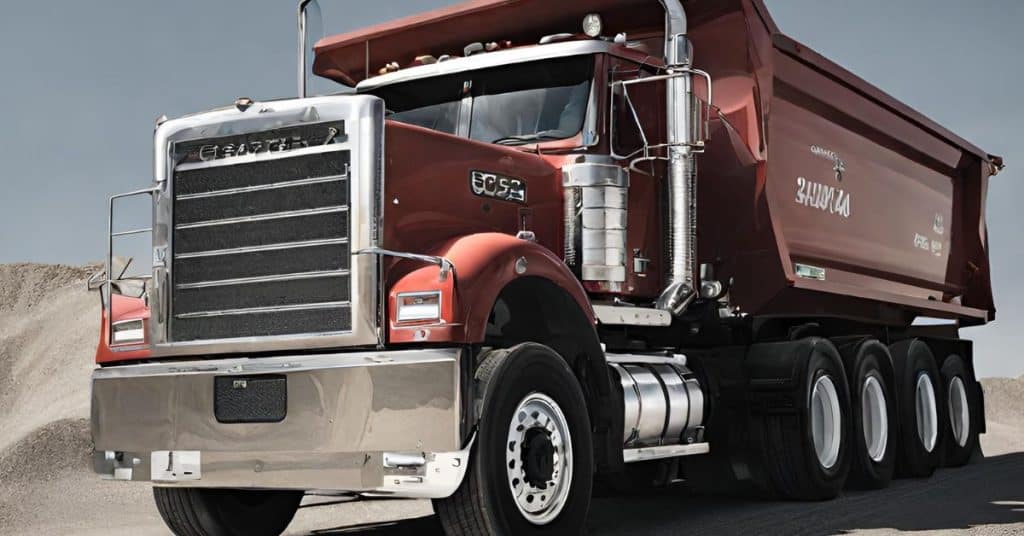
The logistics of gravel delivery can significantly impact your overall expenses. It’s important to understand aspects like brick molding. Here are important factors to consider:
- Local Suppliers: Look for gravel suppliers nearby to save on transportation costs. Local suppliers often offer better rates and quicker delivery times.
- Delivery Fees: Inquire about delivery charges before placing an order. Some suppliers may waive fees for larger orders, so it’s worth asking about this possibility.
- Delivery Timing: Schedule deliveries during off-peak hours to save money. Early morning or late afternoon deliveries may be more affordable and convenient.
- Site Accessibility: Ensure the delivery site is accessible for trucks. Clear any obstacles and provide clear directions to facilitate the delivery process.
- Number of Loads: Determine if it’s more cost-effective to make one large order or several smaller ones. Bulk orders often come with discounts, but also consider your storage capacity.
Considering these factors can help make the delivery process more efficient and lower costs. Maintaining good communication with your supplier is crucial to ensure timely delivery. Clearly express your requirements and any access challenges that may arise.
Timing is essential, especially for larger projects. By coordinating delivery with other tasks, you can avoid delays and ensure that materials are available when needed. It’s also important to have a plan for unloading and storing the gravel upon its arrival.
Environmental Impact of Gravel Use
When incorporating gravel into your projects, it’s important to consider its environmental impact. Adopting sustainable practices can help mitigate these effects, so keep the following factors in mind:
- Sourcing: Opt for local gravel to reduce transportation emissions and support local economies. This choice also ensures the gravel is suitable for your area’s climate and soil conditions.
- Recycling: Consider using recycled gravel or repurposing materials from previous projects to minimize waste and costs. Recycled materials can perform just as well as new gravel.
- Landscaping with Purpose: Design gravel features that benefit local wildlife and reduce irrigation needs. Gravel can create habitats for beneficial insects and other wildlife, contributing to a healthier ecosystem.
- Water Management: Use gravel for drainage solutions to manage stormwater runoff effectively. Proper drainage can prevent flooding and erosion in your landscape, protecting both your property and the environment.
- Habitat Conservation: Choose suppliers who practice eco-friendly methods to protect ecosystems. Look for certifications or practices that demonstrate a commitment to sustainability in their gravel sourcing and processing.
By considering these factors, you can make more environmentally conscious choices regarding gravel use while supporting sustainable building practices. This approach not only benefits the environment but also enhances your landscaping and promotes biodiversity in your garden.
Using gravel effectively can improve your landscape’s health by aiding drainage, preventing waterlogging, and promoting plant growth. Incorporating it into your designs helps reduce erosion, maintain soil health, and serves as a suitable mulch alternative in garden beds to conserve moisture.
Common Misconceptions About Gravel
Gravel is often surrounded by misconceptions that can create confusion. Below are some common myths along with the corresponding truths:
- Myth 1: All gravel is the same. Truth: Gravel comes in various types, each with unique properties that affect its performance in different applications.
- Myth 2: Gravel is always the cheapest option. Truth: Prices vary based on type and location; some decorative gravels can be quite costly compared to standard options.
- Myth 3: Gravel requires no maintenance. Truth: Gravel needs regular upkeep to remain functional and visually appealing. Tasks like raking and replenishing are necessary to maintain its condition.
- Myth 4: Gravel harms the environment. Truth: When sourced sustainably, gravel can be eco-friendly and may minimize environmental impact compared to other materials.
- Myth 5: Gravel isn’t suitable for heavy traffic. Truth: With the right type, gravel can withstand heavy use. Choosing the appropriate size and type is essential for ensuring