
Introduction
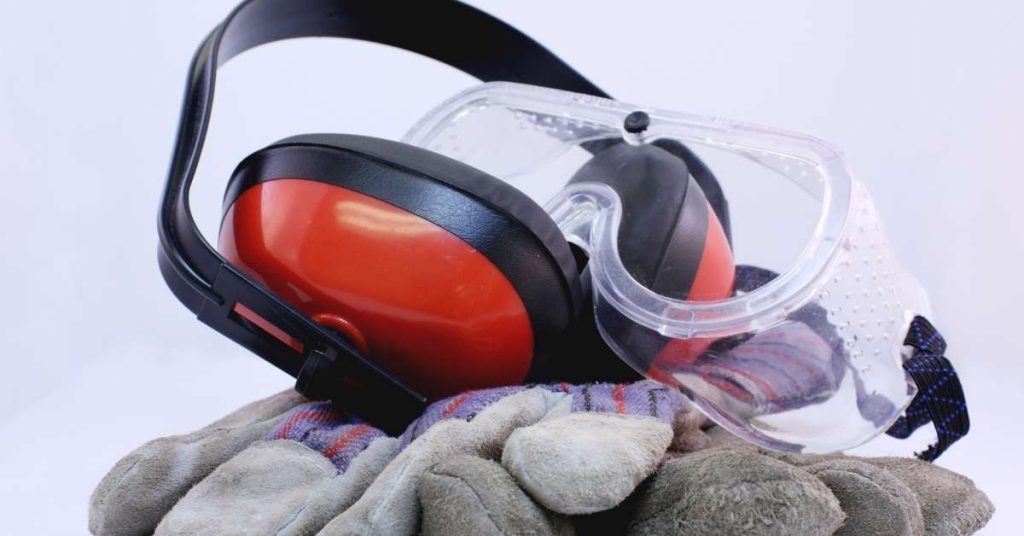
Hearing protection is gear worn to reduce exposure to loud noise during concrete and masonry cutting work. It includes devices placed in or over the ears to lower sound levels reaching the inner ear. In real-world jobs, comfort, fit, and how long you’ll be exposed matter as much as the device type you choose.
Two common options are earplugs and earmuffs, each with different ways of sealing and distributing sound. Selection depends on the work environment, how dusty or dirty the area is, and how you’ll wear the protection for extended periods. Always check attenuation guidance from the manufacturer and follow local safety rules, then try the fit in your actual work setting to confirm comfort and effectiveness.
Key takeaways
- Hearing protection reduces exposure to hazardous noise during concrete and masonry work.
- Earplugs and earmuffs offer different fit, attenuation, and reuse considerations on site.
- Safety: check manufacturer ratings (SNR, HML) for safe task matching.
- Choose plugs for precise, low-noise tasks; muffs for loud, airborne dust or communication needs.
- Proper donning, fit testing, and hygiene prevent irritation and ensure adequate attenuation.
- Integrate PPE with other safety gear and communicate clearly when wearing hearing protection.
Table of Contents
- Introduction
- Key takeaways
- Why Hearing Protection Matters for Concrete and Masonry Cutting
- Measuring Noise on Real Jobsites: Practical Steps
- Types of Hearing Protection and What to Check (Plugs, Muffs, Custom)
- Understanding Attenuation Ratings and Frequency/Impulse Profiles
- Choosing Plugs Vs Muffs by Task and Environment
- Fit, Donning, and Real-World Wearing Tips (with PPE Integration)
- Communication, Safety Signals, and Technology Options
- Maintenance, Hygiene, Replacement, and Storage for Construction Sites
- Conclusion
- FAQ
Why Hearing Protection Matters for Concrete and Masonry Cutting
Occupational noise from concrete and masonry work can lead to lasting damage if protection is not matched to the task. Prolonged exposure increases the risk of noise-induced hearing loss and tinnitus, with temporary threshold shifts possible after short bursts of high sound levels.
Task-specific protection matters because different operations produce different sound profiles. Fit, seal quality, and comfort influence whether workers wear protection consistently and keep situational awareness intact on a busy jobsite.
Short- and Long-Term Effects of Noise Exposure
Exposure to high levels of noise in concrete and masonry cutting work can have immediate and cumulative impacts on your hearing health. Temporary threshold shifts occur when your hearing is temporarily impaired after exposure, usually lasting a few hours or days.
Tinnitus, a ringing or buzzing in the ears, may also be experienced immediately after exposure. This condition can be persistent if not given time to recover.
Cumulative damage occurs over time with repeated exposure. Even low-level noises can cause permanent hearing loss and tinnitus when encountered regularly. Work performance and safety can be affected as noise-induced fatigue sets in, reducing concentration and reaction times.
To protect your hearing, it’s crucial to recognize signs of immediate and cumulative noise impact. If exposure exceeds safe limits, use appropriate protection consistently. Address early symptoms promptly to prevent progression.
Noise Sources Specific to Concrete and Masonry Work
The primary noise sources in concrete and masonry work include power tools such as saws, grinders, and breakers. Hydraulic power packs used for these tools also contribute significantly to the overall noise levels.
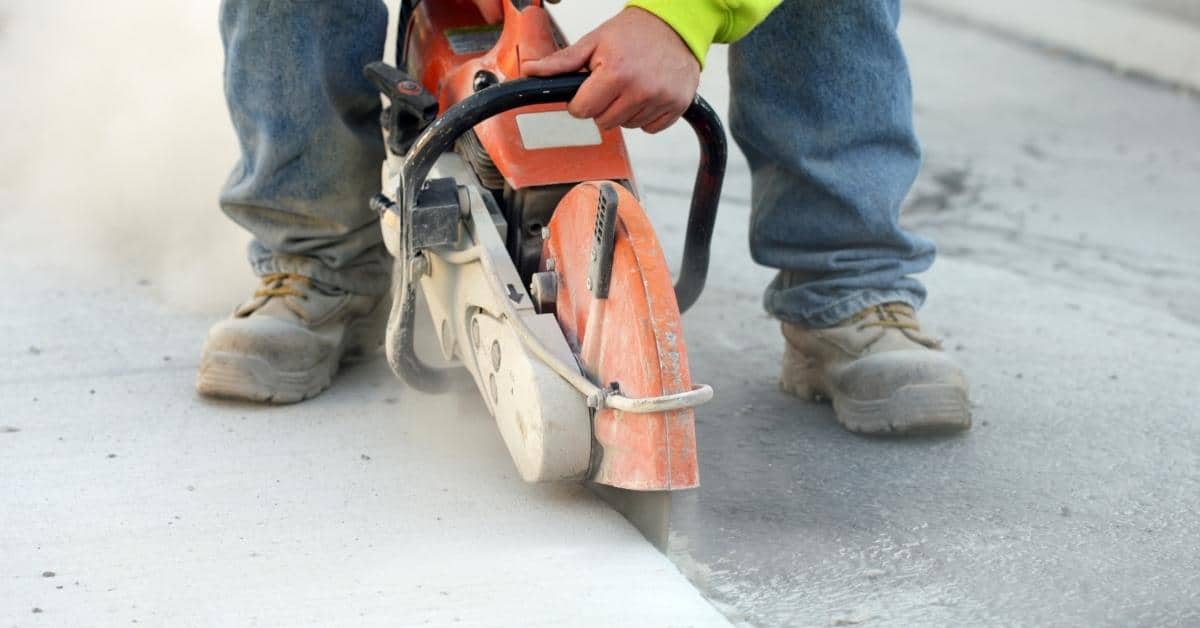
Each tool generates unique sound profiles with different frequencies and impulse characteristics. For instance, cut-off saws produce high-frequency, continuous noise, while breakers generate low-frequency, impulsive sounds when striking concrete or masonry.
Metal contact between tools and work surfaces can also create sharp, piercing noises. To select appropriate hearing protection, it’s essential to understand the unique noise profiles of these common tools and match your protectors accordingly.
If a tool generates high-frequency, impulse noise, choose protectors with high attenuation in the relevant range. Regularly review and update protector choices as tools change to ensure optimal protection.
Measuring Noise on Real Jobsites: Practical Steps
Start with quick spot checks to identify loud tasks and peak sources such as cutting, breaking, and grinding. Zone-based surveys help map noise hotspots without delaying work.
For task-based measurements, assign representative activities and time windows to capture realistic exposures. Document results and decide when to involve a safety professional for formal assessment.
Tools and Simple Measurement Approaches
Assessing noise levels on jobsites requires the right tools. Here are some options:
- Smartphone Apps: Quick, easy, and free. Useful for initial spot checks but limited in accuracy.
- Sound Level Meters (SLM): Professional-grade, accurate. Calibration required, available to rent or buy.
- Dosimeters: Personal noise exposure meters. Instant, personal, and multi-spot types available. Require calibration and rotation of wearers.
- Specialist Services: Hiring professionals with high-end sound level meters for complex jobsites or varying noise levels.
- Calibration Check: Regularly recalibrate tools, replace batteries as needed. Consult user manuals if measurements seem inconsistent.
Translating Measurements Into Protection Needs
Measured noise levels and exposure duration guide your choice of hearing protection:
Single protection may suffice if: Measured LAeq is below 85 dB(A) and LCpeak is below 130 dB(C), with expected exposure durations met by estimated NRR needs.
Dual protection might be needed if: Measured LAeq exceeds 85 dB(A) or LCpeak exceeds 130 dB(C). Consider earmuffs over earplugs for sufficient attenuation.
If noise levels vary significantly, reassess hearing protection needs during breaks or key shift points to maintain adequate protection. Avoid over- or under-attenuation by accurately translating measured noise levels into NRR requirements. Consult safety professionals if unsure about protection needs.
Types of Hearing Protection and What to Check (Plugs, Muffs, Custom)
Earplugs come in disposable, reusable, and custom varieties, while earmuffs can be passive or electronic. Hybrid systems mix features to address different job needs in masonry work.
When evaluating products, focus on attenuation behavior across relevant frequencies, fit features, comfort, materials, and hygiene considerations. Check battery life for electronic muffs and how replacements are handled on site.
Earplugs — pros, cons, and fit considerations
Use this checklist when selecting earplugs for masonry work to ensure proper protection and comfort.
- Low profile: Check that the earplugs do not obstruct other PPE like hard hats or eye protection.
- Airflow channels: Ensure they have airflow channels to prevent heat buildup and maintain comfort during prolonged use.
- Seal quality: Verify that the earplugs create a good seal around your ear canal. A poor seal can lead to reduced noise attenuation.
- Insertion technique: Check if the earplugs come with instructions for proper insertion. Incorrect insertion can result in inadequate protection.
- Custom molds: Consider if you frequently experience discomfort or poor seal, as custom-molded earplugs may provide a better fit.
- Replacement/hygiene: Check how often the earplugs need to be replaced and their cleaning instructions to maintain hygiene.
- Compatibility with PPE: Ensure they are compatible with other safety gear you’ll wear, such as hard hats or face masks.
- Attenuation behavior: Check the product label or datasheet for attenuation behavior across task-specific frequencies to ensure adequate protection.
Quick rule: Prioritize proper insertion and consider custom molds if frequent discomfort occurs.
Earmuffs — pros, cons, and compatibility
Use this checklist when choosing earmuffs for masonry work to ensure they meet your needs.
- Helmet compatibility: Check if the earmuffs can be worn with a hard hat or other headgear without compromising noise reduction.
- Cushions: Ensure the cushions are comfortable and provide a good seal around your ears. Consider hygiene when choosing cushions, as they may need to be replaced regularly.
- Quick on/off: Check if the earmuffs can be easily put on and taken off, which is crucial for tasks that require frequent removal of hearing protection.
- Heat buildup: Consider how well the earmuffs ventilate to prevent heat buildup during prolonged use or in hot environments.
- Attenuation behavior: Check the product label or datasheet for attenuation behavior across task-specific frequencies to ensure adequate protection.
- Durability: Ensure the earmuffs can withstand the rigors of construction site conditions and frequent use.
- Adjustability: Check if the earmuffs can be adjusted to fit different head sizes comfortably.
Quick rule: Prioritize helmet compatibility and cushion comfort to ensure consistent noise reduction and user satisfaction.
Electronic and hybrid solutions
Use this checklist when considering electronic or hybrid hearing protection systems for masonry work.
- Active attenuation: Check if the system offers active noise cancellation, which can enhance protection in varied noise environments.
- Level-dependent muffs: Consider if the earmuffs have level-dependent features that automatically adjust attenuation based on ambient noise levels.
- Communication-enabled systems: Check if the system allows for two-way communication, which can be crucial for tasks requiring situational awareness or coordination with others.
- Battery life: Ensure that the battery life is sufficient for your work requirements and consider how easy it is to replace or recharge batteries.
- Durability in construction site conditions: Check if the system can withstand dust, moisture, and other harsh conditions common on construction sites.
- Attenuation behavior: Check the product label or datasheet for attenuation behavior across task-specific frequencies to ensure adequate protection.
Quick rule: Consider electronic or hybrid solutions when frequent changes in noise levels or need for communication arise, but prioritize durability and battery life.
Understanding Attenuation Ratings and Frequency/Impulse Profiles
Attenuation ratings include NRR, SNR, and H-M-L, which are typically presented under laboratory conditions. Real-world results vary with fit, seal, and PPE integration.
Read data sheets for frequency-based performance and note how low, mid, and high frequencies respond to your concrete tools. Consider impulse and transient noise when comparing plugs versus muffs, and remember ratings may not reflect field use.
Frequency Content and Impulse Noise: Why It Changes Choice
Concrete and masonry cutting work exposes you to a mix of continuous low-frequency noise and high-energy impulses. Understanding this can help you choose the right hearing protection.
Low-frequency continuous noise, like that from reciprocating saws, requires protectors effective at lower frequencies. Earplugs are often sufficient but consider earmuffs for higher protection.
High-energy impulses, such as those from chipping or dust-collection blasts, demand better peak attenuation. Earmuffs or dual protection can provide this.
Practical Tips for Interpreting Attenuation Charts
Attenuation charts help you understand a protector’s performance. To get accurate real-world estimates, consider these tips:
Look for real-ear fit data. This accounts for individual variations in fit and seal quality.
Check if the manufacturer provides guidance specific to construction applications. This can give you site-specific attenuation expectations.
Use conservative estimates to account for imperfect fit, long shifts, moisture, vibration, and other work conditions. Don’t rely solely on lab testing results or average ratings.
Choosing Plugs Vs Muffs by Task and Environment
For tight spaces or tasks requiring precision, plugs often provide better dexterity and low-profile protection. Earmuffs may be preferred for long wear or higher overall noise exposure, while dual protection is considered for very loud environments near hydraulic equipment.
Evaluate continuous versus impulsive noise and measure proximity to noise sources to guide NRR/SNR choices. Balance protection with the need to hear warnings and coworkers clearly.
Short, High-Intensity Tasks
For brief, intense tasks like spot cutting or overhead breaking, you need protection against impulse noise while maintaining the ability to hear warnings. Here’s how to choose:
Earplugs are often preferable for these tasks due to their better maneuverability and quick insertion/removal. They’re ideal when:
- Tasks involve high-impulse noise and frequent movement.
- You need to respond quickly to warnings or changing conditions.
Earmuffs, especially those with a headband suspension for easy removal, can be beneficial when you need:
- Quick on/off protection during short tasks.
- A secure fit while working overhead or in awkward positions.
Common mistake: Avoid over-attenuation to maintain situational awareness. Ensure proper fit and seal of earplugs for effective protection.
Long-Duration, Continuous Noise
For extended tasks like grinding or running saw lines, comfort and stable attenuation are crucial. Consider the following:
Earplugs offer lower-profile designs that can be more comfortable during long hours, especially in hot or dusty conditions. They’re ideal when:
- Tasks involve long-duration continuous noise.
- You need to maintain comfort and focus over extended periods.
Earmuffs, particularly those with cushioned ear cups, provide stable attenuation and minimal discomfort from pressure. They’re beneficial when:
- Tasks require consistent attenuation throughout the day.
- You have longer breaks between tasks to wear muffs for better rest.
Common mistake: Avoid seal fatigue with earplugs; ensure proper fit and hygiene to maintain attenuation of both plugs and muffs.
Confined Spaces & Reflective Environments
In echo-prone or reverberant environments like tunnels or confined spaces, perceived loudness can be higher. Here’s how to protect your hearing effectively:
Double protection, using both earplugs and earmuffs, can increase attenuation against echo and reverberation effects. Consider this approach when:
- The environment has high echo or reverberation.
- You need to reduce perceived loudness significantly.
Communication is key in these environments. Choose hearing protection that allows for better speech intelligibility, such as:
- Electronic muffs with amplification and volume control.
- Custom-molded earplugs for a secure fit and clear communication.
Common mistake: Avoid over-attenuation from double protection; ensure proper fit and compatibility of hearing protection with other PPE to maintain situational awareness.
Fit, Donning, and Real-World Wearing Tips (with PPE Integration)
Follow a clear insert-and-seat routine for plugs and proper seating for muffs, starting with a quick pre-fit check. Orient plugs for comfort and correct placement, and ensure full seating without excessive force.
Check visual cues and perform a quick seal test in dusty conditions. Plan for integration with helmets, glasses, and respirators to avoid interference and minimize fogging or discomfort.
Quick in-field seal checks and common fit failures
Ensuring a proper seal is crucial for effective hearing protection in dusty, noisy conditions. Here are some quick checks you can perform:
Stake: A proper seal ensures that no harmful noise enters your ears.
Quick check/cue: Check for any gaps between earplugs/muffs and skin, or signs of muff slippage. Re-seat if necessary.
Pro check: Perform simple tests like whispering, breath test (block one nostril), or using a quick-fit indicator tool to confirm proper seal.
If earplugs feel loose or uncomfortable, re-insert and re-seat, or try a different size. If muffs slip or create pressure points on the head, adjust headband tension or try a different muff model.
Common mistake + fix: If tests fail, remove and re-insert/re-seat earplugs/muffs, ensuring proper orientation and full seating. Inspect for dust buildup and clean if necessary.
Combining with helmets, glasses, and masks
Avoiding interference and maintaining comfort while using multiple PPE items is essential. Here’s how to ensure compatibility:
Stake: Proper integration of hearing protection with other PPE prevents discomfort and maintains safety.
Quick check/cue: Adjust headgear and straps as needed to avoid conflicts and maintain a secure fit.
Pro check: Ensure no gaps or pressure points between hearing protection, helmet, glasses, and mask. Check for proper field of view and communication ability.
If the helmet interferes with earmuffs, consider helmet-mounted muffs or low-profile earplugs. If glasses fog up under the mask, use anti-fog spray or adjust mask and glasses position.
Common mistake + fix: If interference occurs, re-adjust PPE items, try different models, or consult with a safety manager for solutions like helmet-mounted muffs or low-profile plugs.
Communication, Safety Signals, and Technology Options
Protection should not isolate workers from warnings or team signals. Identify where normal conversation and machine signals must be audible and set acceptable attenuation targets accordingly.
Use simple non-technical safeguards like clear hand signals and scheduled breaks to reduce continuous exposure. Consider radios or level-dependent devices when they fit the site needs and PPE compatibility.
Preserving team communication without sacrificing protection
Effective communication is crucial in work environments where safety and productivity depend on clear exchange of information. To maintain this while protecting your hearing, consider the following practical protocols:
Hand signals can be used for quick, silent communication. Establish a set of standard signals that everyone understands.
Conduct pre-shift briefings to discuss tasks, hazards, and communication strategies for the day. This ensures everyone is on the same page before work begins.
For continuous noise exposure where clear communication is vital, consider using communication-enabled headsets or earplugs. Ensure they are compatible with your existing PPE and provide adequate protection within your site’s noise profile.
Warning signals and site alarm planning
Prompt response to emergencies or critical situations relies on effective warning systems. To ensure this, consider the following:
Implement redundant signaling, combining visual and audible warnings. This ensures that even if one type of signal is missed, the other can still alert workers.
Conduct tests using actual warning devices to ensure they remain audible while wearing hearing protection. Check that your chosen PPE does not excessively attenuate these signals within your site’s noise profile.
If work involves multiple hazards and redundant signaling is required, consider implementing visual signals such as flags or lights in addition to audible warnings. This can help ensure that critical alarms are not masked by the chosen protection during normal operations.
Maintenance, Hygiene, Replacement, and Storage for Construction Sites
Establish routines for cleaning and drying plugs and earmuffs to prevent odor and mold in dusty conditions. Use approved methods and drying steps suitable for concrete dust and moisture.
Implement a clear inspection checklist and replacement triggers, and maintain a rolling schedule for high-use sites. Store PPE in dry, shaded areas with labeling to prevent cross-use and contamination.
Disposable vs Reusable Plugs: Care and Life-Cycle
Proper maintenance of hearing protection is crucial to ensure consistent protection. Here’s how to care for both disposable and reusable earplugs.
Disposable Earplugs: Replace them daily or whenever they show signs of wear, damage, or reduced attenuation. Check manufacturer guidelines for specific replacement intervals.
Reusable Earplugs: Clean them after each use with mild soap and water, then air-dry to prevent odor and mold. Inspect daily for signs of wear, damage, or hygiene issues. If you notice visible damage, loss of cushioning, or reduced attenuation, replace immediately following manufacturer guidance.
If custom earplugs show signs of wear or hygiene issues, a new impression may be necessary. Consult a hearing conservationist or follow professional guidelines for new impressions.
Earmuffs: Cushions, Headband Tension, Battery and Electronics Care
Regular maintenance of earmuff components ensures optimal protection and longevity. Here’s how to keep your earmuffs in top condition:
Cushions and Seals: Inspect daily for signs of wear (flattening, tears), or compromised seals. Replace cushions immediately if necessary, then clean and inspect other components.
Headband Tension: Check headband tension daily. If it’s loose or straps show signs of wear or fraying, tighten the headband as needed. Replace straps if necessary, following manufacturer’s instructions.
Battery and Electronics Care: If you notice low battery warnings or other electronic failures, troubleshoot and repair/replace according to manufacturer’s guidelines. Store earmuffs in a dry place away from chemicals to prolong electronics life.
Conclusion
Protect hearing by choosing the right protection for each task and by using it consistently, so your long-term safety, durability of gear, and worksite appearance stay solid.
Check the site noise level and the task demands, then choose plugs or muffs based on attenuation needs, inspect the equipment for wear or damage, ensure test fit and proper positioning, integrate with PPE and communication, replace damaged parts promptly, and store protection in a clean, dry location when not in use.
Avoid common mistakes: using the wrong protection for a given task, skipping fit and seal checks, and reusing damaged or degraded protection without replacement—the simple rule is to err on the side of a secure seal and clean, well-maintained gear. If noise levels remain uncertain after using standard protection, or if comfort or communication are compromised, consult a safety professional before proceeding and consider a formal fit test or louder scale assessment as needed. With careful selection and routine checks, you can work safely and keep projects on track, one protected day at a time.
FAQ
What is hearing protection and why is it part of construction safety?
Hearing protection reduces the risk of temporary and long-term hearing damage from loud work noise. It is a practical part of protecting worker health during activities like concrete and masonry cutting. Use it consistently when noise levels are high enough to require protection.
What are the main types of hearing protection (earplugs vs earmuffs) and how do they differ?
Earplugs fit inside the ear canal to reduce sound at the source. Earmuffs cover the outer ear to provide attenuation from a different design. Both types come in different materials and should be selected based on comfort, fit, and the work environment.
How should you select protection for different noise environments?
Check the product label or datasheet for attenuation ratings and instructions from the manufacturer. Consider the task, duration, and whether you need to communicate or hear warnings. If in doubt, compare options that suit your typical on-site noise profile and follow local site guidance.
How can you maintain comfort, hygiene, and communication while wearing hearing protection on site?
Choose models with materials that suit your skin and heat conditions, and follow hygiene guidelines for cleaning or replacing parts. For communication, look for protections that allow some ambient awareness or compatible communication devices, and ensure fit does not obstruct safe signals or alarms.