

Introduction
Grout haze is a thin film of cement residue that dries on tile surfaces after grouting. It can make the tile look cloudy and dull if not cleaned promptly. Timing matters—start cleaning within the window recommended by your grout product and tool manufacturer, or ask in-store if unsure.
You’ll need basic tools like a clean sponge, a bucket of clean water, and a towel for drying. Use a damp, not dripping, sponge and wipe diagonally across the grout lines to remove haze without pulling grout from joints. Work in small sections, and check the product label and local rules for any wait times or finishing tips.
Key takeaways
- Grout haze is a cloudy film left on tile after grouting process.
- Start cleaning promptly per grout manufacturer’s guidance to avoid stubborn haze.
- Use a clean, damp sponge with consistent pressure for effective haze removal.
- Rinse sponge often and work small sections to prevent re-deposits.
- Tools: grout float, clean bucket, sprayer or spray bottle, microfiber cloth.
- Safety: wear eye protection and gloves; ensure ventilation and proper slurry disposal.
Table of Contents
- Introduction
- Key takeaways
- What Is Grout Haze?
- Tools and Materials Checklist
- Timing: When to Clean After Grouting
- Proper Sponge Technique Step-by-Step
- Cleaning Solutions and Product Comparison
- Polishing, Finishing, and Visual Checkpoints
- Maintenance and Post-Installation Care
- Safety Precautions and Common Beginner Mistakes
- Conclusion
- FAQ
What Is Grout Haze?
Grout haze is a milky, translucent film that can settle on tile surfaces after grouting. It is not the same as grout residue, which is crusty and might wipe away with effort, or staining, which appears as colored spots that set into the tile finish. The key visual cues are a soft, cloudy look versus a distinct crust or color mark.
Haze forms for different tile types in distinct ways: glazed ceramic and porcelain can trap grout particles on the surface; natural stone may absorb moisture and release a film if sealers aren’t compatible; glass and large-format tiles can show a delicate haze that hides textures. It shows up at various stages—during cleanup, as grout begins to set, or when cleaners interact with the cementitious mix—so beginners should watch for changes as work progresses. Consider porosity, sealant compatibility, and whether you’re using cementitious grout or epoxy to estimate risk and plan cleanup strategies. A simple decision framework helps: assess tile type, check cleaners for pH compatibility, and avoid over-wetting porous stones to curb haze formation.
Difference between haze, residue, and stain
Grout haze, residue, and staining are common issues but they’re not the same. Here’s how to tell them apart:
Haze is a milky film that appears on tile surfaces after grouting. It’s caused by excess grout left behind during installation.
Residue, on the other hand, is a crusty buildup that forms when grout dries too quickly or isn’t cleaned properly. It’s usually tougher to remove than haze.
Staining refers to colored spots or streaks on tiles. This can happen due to improper cleaning, using harsh chemicals, or not rinsing thoroughly after installation.
How grout chemistry affects haze
Grout type and additives play a big role in haze formation:
Cementitious grouts, common for ceramic and porcelain tiles, can cause more haze due to their cement content. This haze appears within 15-30 minutes after installation.
Epoxy grouts, used with natural stone or glass tiles, create less haze but are harder to clean up once set. They start setting in about an hour and fully cure in 24 hours.
Additives like latex or polymers can also affect haze formation. Some reduce haze while others may increase it, depending on the tile type and grout used.
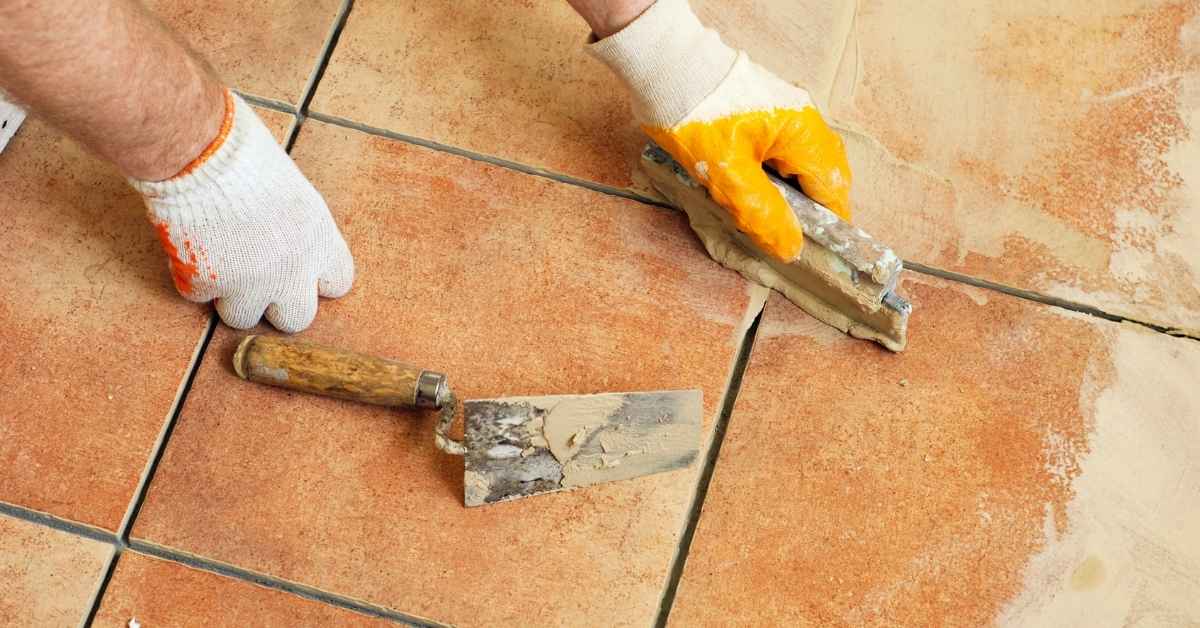
Tools and Materials Checklist
Start with the basics: a grout float, a compatible sponge for haze removal, and sturdy buckets for rinsing. Keep a few microfiber cloths on hand to wipe smooth and dry surfaces as you go. Have a basic PPE setup ready for comfort and protection during cleanup.
Choose a pH-neutral cleaner and plain water for most jobs, and avoid strong acids or abrasives on fresh grout. Use the sponge in a damp state and change water often to prevent redepositing haze. For tougher haze, consider stiffer scrubs or specialty haze removers only if the label says safe for your grout type.
What sponge to choose and why
Selecting the right sponge is crucial for effective grout haze removal without damaging tiles or joints.
- Soft cellulose sponges: Ideal for initial haze removal. They’re gentle on surfaces, absorb well, and won’t scratch.
- Avoid abrasive sponges: These can scratch tile surfaces and damage grout.
- Microfiber sponges: Good for buffing and final cleaning. They don’t leave lint behind.
- Size matters: Medium to large-sized sponges (around 8×6 inches) are easiest to handle.
- Moisture level: Slightly damp sponges work best for haze removal, not soaking wet.
Quick rule: Always start with a soft cellulose sponge. If haze persists, switch to a microfiber sponge for buffing.
Safe cleaners and when to use them
Using the right cleaner ensures you remove haze without damaging your tile or grout work.
- Water: Suitable for light haze on most tiles. Use within 15-30 minutes after grouting.
- pH-neutral cleaner: Ideal for tougher haze and all tile types. Test first to ensure no discoloration.
- Mild acid (for cement haze): Use on unsealed, cement-based grout only. Never use on sealed or colored grout.
- Commercial haze removers: Effective but strong. Always test first and follow manufacturer’s instructions.
Quick rule: Start with water, then pH-neutral cleaner. If haze persists, consider a commercial haze remover or mild acid (only on unsealed cement grout).
Timing: When to Clean After Grouting
Think in stages: an initial flush, a careful wipe, then a final polish as the grout begins to set. The exact hours depend on the grout type, tile porosity, and room conditions, so use safe range guidelines rather than fixed times. If you are unsure, test a small area to gauge how quickly the grout surfaces dry and set.
Stage 1 is the flush to remove loose particles, followed by a gentle wipe while the grout is still workable. Stage 2 is the initial wipe within a practical window, working in small sections with a clean damp sponge. Stage 3 is the final polish once haze starts to form but before full cure, avoiding aggressive scrubbing that could abrade the grout.
Immediate post-grout window (first pass)
The first cleaning pass should happen as soon as possible after grouting, but not so soon that you’re just spreading the haze around. This is your chance to remove loose particles and lift any initial haze before it sets.
Think of this like mopping a floor right after washing it. You want to catch it while it’s still wet and workable. For cementitious grouts, aim for within the first 15-60 minutes. Epoxy grouts can be a bit more forgiving, giving you up to an hour.
Use a clean, damp sponge in small sections. Gently wipe, don’t scrub. You’re not trying to remove set grout, just lift off the loose stuff and haze. Remember, prompt action prevents hardened haze.
Secondary and final cleaning passes
After your initial pass, you’ll need to follow up with secondary and final cleaning. These are typically done at 24 hours and 72 hours post-grout, but conditions can alter this timeline.
At 24 hours, check for any remaining haze or residue. If present, perform a gentle wipe using a clean, damp sponge. Be careful not to agitate the grout too much as it continues to cure.
At 72 hours, do a final polish or light buff. The grout should be hard enough that haze is starting to form but not fully cured yet. Look for a matte, haze-free finish on test spots. If all looks good, you’re done. If not, wait another day and check again.
Remember, these are just guidelines. Curing times can vary based on grout type, tile porosity, room temperature, humidity, and air circulation. Always do a touch-test and visual inspection to determine when it’s time for your final pass.
Proper Sponge Technique Step-by-Step
The goal is a repeatable, low-haze routine that controls moisture, timing, and pressure. Prepare a damp sponge, not dripping, and plan a sequence of light passes that gradually cover each tile in small sections. Keep the sponge clean and move steadily to avoid staining or smearing haze.
Manage water carefully: rinse the sponge, wring it well, and refresh the water frequently to prevent re-depositing grime. Apply gentle pressure with steady contact along grout lines, avoiding heavy scrubbing at corners or edges. If haze appears, re-dampen and continue with a systematic pass pattern to maintain consistency.
Step-by-Step Process
The following sequence ensures a consistent, haze-minimizing sponge-wiping routine. Follow these steps to maintain control over moisture, timing, and pressure.
- Prepare the Sponge: Wet it lightly, squeeze out excess water. It should be damp, not dripping.
- Start at Top or Furthest Point: Begin wiping from the highest point or furthest corner of your work area to avoid stepping in grout.
- Use Small Strokes: Hold the sponge like a brush and use small strokes along grout lines. Avoid circular wipes which can spread grout.
- Progressive Passes: Make 2-3 passes over each section, spacing them out to let grout set slightly between passes.
- Check for Haze: After the final pass, check if haze appears. If so, re-dampen and wipe again. If not, move on to the next area.
Rinse-and-wring method
Keeping your sponge clean is key to preventing haze. Rinse and wring it at regular intervals to avoid redepositing grout.
After each pass, rinse the sponge thoroughly in clean water. Squeeze out excess water by pressing the sponge against a hard surface or using a sponge wringer.
Change water frequently – every 2-3 passes or when the water becomes murky. This prevents redepositing grout and staining.
Never wring the sponge so dry that it stops absorbing water. It should always be damp, not bone-dry.
Edge and Grout Joint Handling
Navigating corners and grout joints requires a light touch to avoid digging out grout or leaving ridges.
At corners, use a soft, gentle motion. Avoid pressing too hard as this can dislodge grout. Use a damp sponge to wipe away any excess grout that oozes out.
For grout joints, follow the same small stroke technique used on flat surfaces. Be consistent with pressure and avoid over-wetting, which can cause grout to lift or haze to form.
If you notice haze forming at edges or corners, re-dampen your sponge and wipe again. If it persists, consider using a cleaner designed for haze removal.
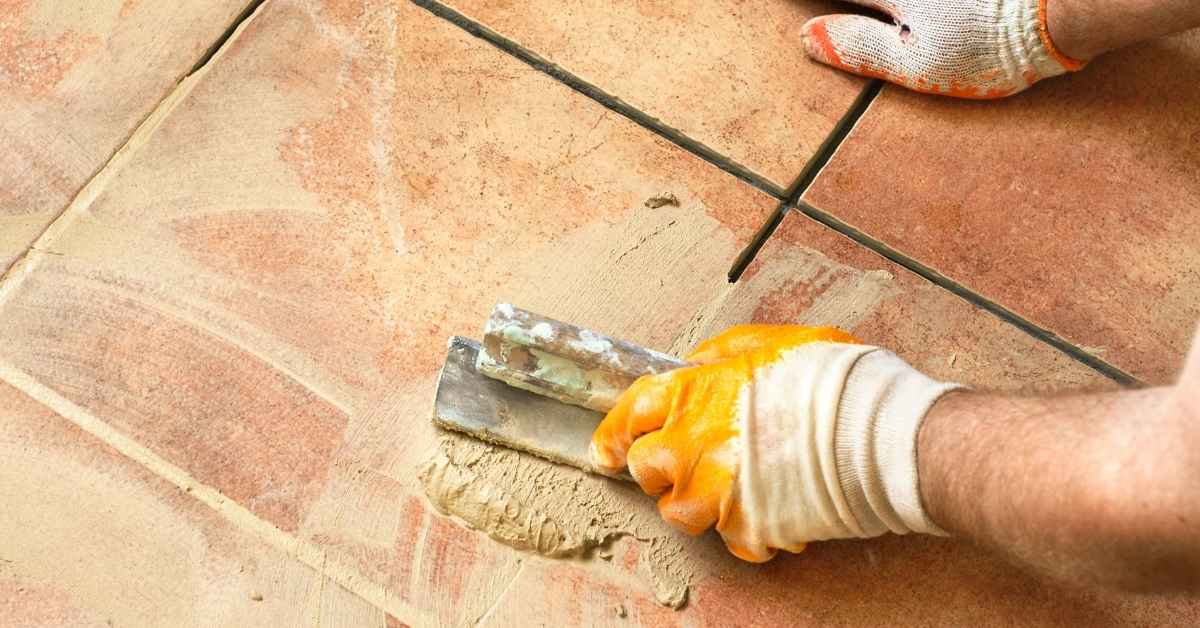
Cleaning Solutions and Product Comparison
Set clear testing criteria before choosing a cleaner: effectiveness on haze, safety for occupants, and compatibility with common tile types. Consider cost per use and per project, and balance DIY options with ready-made products based on your tile and grout type. Always consult product data sheets for proper usage guidance.
Compare DIY options like baking soda paste, mild hydrogen peroxide, or lemon-based cleaners against commercial grout haze removers. Note typical contact times and dilution needs, and perform a small patch test first. Wear PPE, ensure ventilation, and avoid combining cleaners that could react with epoxy or cementitious grouts.
DIY Cleaners vs Commercial Haze Removers
When it comes to grout haze removal, you’ve got two main options: DIY cleaners and commercial products.
DIY Cleaners, like baking soda paste or vinegar, are cheap and easy to find. They’re great for light haze on small areas. But they might not cut through tougher haze, and some can damage certain tile types if left on too long.
Commercial Haze Removers are designed specifically for this job. They’re usually more expensive but also more effective. They work faster and won’t damage tiles if used correctly. They’re your best bet for heavy haze or large areas.
Cost and Effectiveness Considerations
Choosing a cleaner depends on your budget and the job at hand. Here’s what to expect:
DIY cleaners cost next to nothing, but their effectiveness varies. Baking soda is gentle and cheap, while vinegar can be har