

Introduction
Flexible caulks for plaster transitions are sealants that move with the wall without staining. They help bridge gaps where plaster, drywall, and moldings meet. Choose a product labeled for interior use and compatible with plaster.
In a DIY setup, prep clean edges, shape the bead, and smooth the joint with a damp finger. Always check the product label and follow curing times and cleanup directions from the manufacturer. If you’re unsure about staining or movement, test a small area first and choose a flexible, paintable option if needed.
Key takeaways
- Select flexible caulks labeled low bleed and paintable for plaster transitions.
- Clean and dry joints before application to prevent staining and peeling.
- Apply primer where needed and follow manufacturer instructions to reduce bleed.
- Tool caulk with steady pressure; smooth edges to minimize surface staining.
- Test a hidden area first and check paint adhesion before full application.
- Wear gloves and eye protection; work in ventilated area during curing.
Table of Contents
- Introduction
- Key takeaways
- Why Flexibility Matters in Plaster Transitions
- Types of Flexible Caulks and Their Chemistry
- How Caulks Cause Stains and How to Prevent Bleed
- Selecting Low-Staining, Paintable Caulks for Plaster
- Surface Preparation and Priming for Stain Prevention
- Application Techniques That Minimize Bleeding and Staining
- Paintability and Finishing over Cured Caulk
- Testing and Visual Checkpoints (DIY-Friendly)
- Conclusion
- FAQ
Why Flexibility Matters in Plaster Transitions
The plaster transitions in a wall or ceiling are not static. They move with temperature changes, soil or framing settling, and humidity swings that happen over days, seasons, and years. This movement can open up gaps if the caulk can’t adapt. Flexible caulks help maintain the joint integrity and keep finishes looking solid over time.
Understand that the goal is to accommodate movement without transferring stress to the plaster surface. Check the product data sheet or manufacturer instructions for movement tolerance and finish compatibility before choosing a caulk for transitions.
Sources of movement affecting plaster joints
Plaster transitions, where walls meet floors or ceilings, are prone to movement. This is due to several factors.
Temperature changes cause expansion and contraction. In winter, materials shrink; in summer, they expand.
Building sway happens due to wind, settling, or even people moving around inside. This can put stress on joints.
Moisture expansion occurs when water gets into the joint and expands as it freezes. This can push apart materials, causing cracks.
Consequences of using the wrong (rigid) material
Using rigid caulks in plaster transitions is like trying to fit a square peg into a round hole. It just doesn’t work.
- Cracking: Rigid materials can’t flex with movement, so they crack under stress.
- Delamination: The caulk pulls away from the surface it’s adhered to, leaving gaps for moisture and dirt to collect.
- Paint failure: Cracks in the caulk allow paint to chip or peel off.
- Secondary staining: Moisture trapped in cracks can stain surfaces over time.
- Weak bond: Rigid materials don’t stick well to surfaces, leading to easy detachment during movement.
Designing for movement: what to check
Before you start your project, make sure the caulk you’re using can handle the expected movement. Here’s a checklist:
- Elongation rating: Look for a minimum of 250% elongation on the technical data sheet.
- Movement capacity: Check if it can handle the expected joint movement in your specific application.
- Temperature range: Ensure it’s suitable for your climate.
- Adhesion: Make sure it sticks well to the surfaces you’re working with.
- Paintability: Check if it can be painted over once cured.
- Cure time: Consider how long it takes to cure, as this may affect your project timeline.
- Manufacturer’s recommendations: Always follow the manufacturer’s guidelines for best results.
Quick rule: If you’re unsure, always ask the manufacturer. They can provide specific guidance based on their product’s properties and your application.
Types of Flexible Caulks and Their Chemistry
There are several common caulk chemistries used on plaster: silicone, acrylic/latex, polyurethane, and MS/hybrid polymers. Each has its own balance of flexibility, adhesion, and suitability for paints. Your choice depends on the movement you expect and the substrate you’re sealing.
Consider paintability and stain risk as you compare options. Always verify labels and data sheets to confirm how the product behaves with mineral substrates and plaster finishes before committing to a job.
Silicone: pros and cons for plaster transitions
Silicone caulk is a popular choice for its exceptional flexibility and stain resistance. However, it’s not without its drawbacks.
Pros
- Highly flexible to accommodate movement
- Excellent resistance to stains and mold
- Long-lasting durability
- Wide range of colors available
Cons
- Poor paintability, making touch-ups difficult
- Requires priming for adhesion on porous surfaces like plaster
- Can be challenging to remove and replace if necessary
- May not adhere well to certain substrates without proper preparation
Silicone is ideal for areas with high movement or exposure to moisture, but its limited paintability may make it less suitable for visible transitions.
Acrylic/Latex and Paintable Formulations
Acrylic/latex caulks are easy to paint, making them a great choice for visible transitions. However, they may not be as elastic as silicone.
Tip: Look for ‘paintable’ on the label to ensure it’s suitable for your needs.
While acrylic/latex caulks can handle some movement, large shifts may cause them to crack or stain. Be sure to choose a formulation designed for the expected movement in your plaster joints.
They typically adhere well to most surfaces, including plaster, but always follow manufacturer guidelines for best results.
Polyurethane and Hybrid (MS/SS) Options
Polyurethane and hybrid (methacrylic/silicone or silane/silicate) caulks combine strong adhesion, durability, and good flexibility.
Note: Some formulations may contain additives that can cause discoloration over time. Always check the label and consider priming porous surfaces to ensure optimal performance.
These caulks are excellent choices for areas with moderate movement or where strong adhesion is crucial, such as corners or intersections with other materials. However, they may not be as stain-resistant as silicone-based options.
How Caulks Cause Stains and How to Prevent Bleed
Staining from caulk happens mainly through plasticizer migration, solvent or pigment transfer, and moisture-driven efflorescence. Each mechanism can discolor plaster finishes if not controlled. Knowing the source helps you pick a formulation that minimizes risk.
Prevention starts with product selection, proper surface prep, and isolating the caulk from the finish as needed. Review the technical data sheet and installation guidelines for bleed-resistant claims and recommended prep steps.
Plasticizer migration and oil bleed
Some caulks and sealants contain oils and plasticizers that can leach out over time. These compounds love to find their way into porous plaster surfaces, leaving ugly stains behind.
You’ll see this happening with certain silicone and polyurethane caulks. They might look fine at first, but given enough time, those nasty oils will start migrating into your pristine plaster finish.
Prevention: Stick to low-plasticizer or plasticizer-free options. Check product labels for this info. Better yet, ask the salesperson – they should know their stuff.
Solvent and pigment transfer
Uncured solvents in some caulks can migrate into fresh plaster or paint, causing discoloration. This is more likely to happen with solvent-based products.
Colored additives in caulks can also cause staining if they leach out. This is why you’ll see some caulks labeled as ‘stain-resistant’ – they’ve been formulated to minimize this issue.
Prevention: Choose solvent-free or low-solvent caulks, and go for stain-resistant options. Again, check labels and ask questions at the store.
Moisture, salts, and efflorescence interactions
Trapped moisture in your substrate can interact with caulk compounds to create visible staining. This is especially true if there are soluble salts lurking around – they’ll come out of solution as the moisture evaporates, leaving behind a white, powdery deposit called efflorescence.
This is more likely to happen with cement-based plasters and in humid environments. But it can happen anywhere if moisture gets trapped.
Prevention: Make sure your substrate is dry before applying caulk. If you’re using a cement-based plaster, give it extra time to cure. And always, always, keep your plasters and caulks isolated from sources of moisture.
Selecting Low-Staining, Paintable Caulks for Plaster
Look for caulks that advertise paintability and low-bleed or low-migration performance on mineral surfaces. Adhesion to plaster or masonry substrates is a key criterion for durability. A formula with proven performance on plaster increases the chance of a clean finish.
Also consider whether the job is interior or exterior and whether the system is breathable. Always read the compatibility statements on the tech data sheet and confirm them against your project conditions before buying.
Reading labels and technical data sheets
Before you buy, read the label and technical data sheet (TDS). It’s your key to understanding what you’re getting.
Check these:
- Movement capability – Make sure it can handle the expected movement in your plaster joints.
- Paintability – Ensure it’s paintable, so you can match your finish.
- Adhesion to masonry/plaster – Confirm it sticks well to your substrate.
- Cure mechanism – Understand how it dries and cures.
- Recommended primers – See if a primer is needed before application.
Also, check the Safety Data Sheet (SDS) for any additives or components that might cause issues on your site.
Performing a field compatibility test
Before you caulk the whole joint, do a small test patch. It’s quick and can save you headaches later.
Here’s how:
- Apply the caulk to a small, hidden area of your plaster.
- Let it cure as directed by the manufacturer.
- Apply primer (if recommended) and let it dry.
- Paint with your chosen finish. Let it dry.
- Check for any signs of staining or adhesion issues after a few days.
If all looks good, you’re ready to caulk the rest. If not, try another product.
When to use a stain-blocking primer instead
A stain-blocking or isolating primer can be your best friend when dealing with plaster and caulk. Here’s why:
Use one if:
- The caulk isn’t explicitly labeled as ‘non-staining’.
- You’re working on new or freshly repaired plaster that might bleed tannins.
- You’ve had staining issues with similar projects in the past.
A primer can create a barrier, preventing stains from bleeding through. It’s an extra step but could save you time and money in the long run.
Surface Preparation and Priming for Stain Prevention
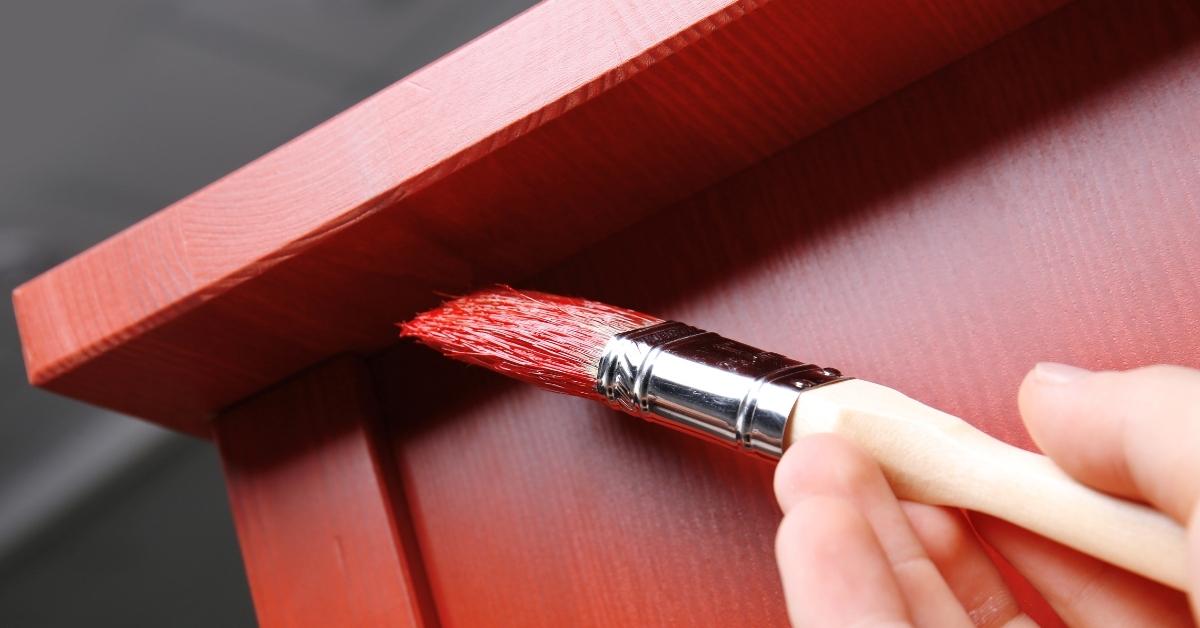
Start with a clean, dry surface and remove any loose material or old sealant. Address any salt efflorescence on plaster before applying new caulk. Drying time between cleaning and sealing is important.
Choose primers that are compatible with both the plaster and the caulk chemistry, and follow manufacturer directions for priming where required. Substrate condition largely determines staining risk and caulk performance, so verify prep specifics in the product instructions.
Cleaning, drying, and removing contaminants
Before you start caulking, clean the plaster surface thoroughly. Use a soft-bristle brush or vacuum to remove loose material.
Mix mild detergent with water if needed, but avoid harsh chemicals that could damage the plaster. Rinse well and let it dry completely.
Important: Remove any salts, oil, or old failing sealant. These contaminants can cause staining and poor caulk adhesion.
Primers and tie-coats for porous plaster
Plaster surfaces are often porous. A primer or tie-coat can improve adhesion and act as an isolation layer, preventing staining.
Choose a primer compatible with your plaster type (lime or gypsum) and the caulk you’ve selected. Check the labels for compatibility guidance.
Apply the primer evenly using a brush or roller, following the manufacturer’s instructions. Let it dry completely before caulking.
Backer rods, joint depth and sizing
For wide joints or where you want to control bond dimensions, use compressible backer rods. They reduce three-sided adhesion and help prevent stress points.
Choose the right size rod for your joint width. Insert it into the joint before applying caulk, pressing it firmly against both sides of the joint.
Proper joint geometry reduces stress and staining risk. Ensure your joints are straight, consistent in depth, and not too wide or narrow for the chosen caulk.
Application Techniques That Minimize Bleeding and Staining
Use the correct bead size for the joint and tool it to a smooth, uniform finish. Mask adjacent surfaces to prevent overspill and cleanup hassles. Work in manageable sections to avoid stringing or dragging material across the plaster.
Manage the working time so the caulk cures without migrating into the plaster finish. Refer to the manufacturer guidelines for tooling, cure times, and any precautions to minimize bleed during application.
Tooling, masking, and finishing tips
Proper tooling and masking can prevent caulk from bleeding onto plaster surfaces. Here are some practical tips:
- Mask edges with painter’s tape: Press down firmly to seal out excess caulk.
- Use concave tooling: This helps create a smooth, rounded bead and prevents sharp corners that could catch on clothing or tools. Rentable concave tools start at around $20/day.
- Remove excess immediately: Wipe off any excess caulk with a damp sponge within 15 minutes of application to prevent it from curing and staining the plaster.
- Tooling technique: Hold your tool at a 45-degree angle to the bead, and use smooth, steady strokes to create an even finish. Avoid pressing too hard, which can force caulk into the plaster.
- Avoid overfilling: Apply just enough caulk for the joint; overfilling increases the risk of bleeding and staining.
Managing cure times and environmental conditions
The curing process is critical to prevent stains. Follow these guidelines:
Cure time: Allow the recommended cure time (usually 24-72 hours) before exposing caulk to water or heavy traffic.
Temperature and humidity: Avoid applying caulk in extreme temperatures (<35°F or >90°F) or high humidity (>85%). These conditions can affect cure time and stain prevention. Check the Technical Data Sheet (TDS) for specific product limits.
Minimum/maximum conditions: Always consult the TDS to ensure application is within the manufacturer’s recommended range. Guessing can lead to improper curing and staining.
Clean-up best practices to avoid residue
Improper clean-up can leave residues that stain plaster. Avoid these mistakes:
- Wet product removal: Clean up wet caulk immediately using manufacturer-approved solvents or soap and water. Delayed cleaning can make removal more difficult.
- Cured residue removal: Use a plastic scraper to gently remove cured residues. Avoid metal scrapers, which can damage plaster.
- Avoid harsh chemicals: Do not use strong acids or bases to remove caulk, as they can damage plaster and create stains.
- Test first: Always test clean-up methods on a small, hidden area before attempting full-scale removal.
Proper clean-up ensures a stain-free finish and prevents future issues with paint adhesion.
Paintability and Finishing over Cured Caulk
To achieve a seamless painted finish, allow the caulk to cure according to the instructions and then prepare the surface by scuffing or light sanding as recommended. Choose primers compatible with both the caulk and topcoat to improve adhesion and appearance. Follow the paint system’s guidance for best results over caulked joints.
Match topcoat properties to the caulk chemistry to reduce mismatches and potential staining. If in doubt, check the product data sheet or consult the manufacturer for interior versus exterior finishing considerations.
Preparing Cured Caulk for Paint
Once your caulk has fully cured, it’s time to prepare the surface for painting. This ensures that your paint adheres uniformly to both the plaster and the sealant.
Start by giving the caulk a light sanding with fine-grit sandpaper (120 or 150 grit). This helps to smooth out any rough spots and provides a better surface for paint adhesion. Be gentle, you don’t want to dig into the caulk.
Next, clean the surface thoroughly using a damp cloth or sponge. Remove any dust, dirt, or debris that may have accumulated during the sanding process. Allow the surface to dry completely before moving on.
Now it’s time to prime. Using a high-quality primer designed for porous surfaces (like Kilz Premium), apply a thin, even coat over the caulk and plaster. Priming helps to seal the surface, prevent tannin bleed, and improve paint adhesion. Let it dry according to the manufacturer’s instructions.
Choosing Paints and Primers Compatible with Caulk Types
When selecting paint for your plaster-caulk transition, it’s crucial to consider the type of caulk you’ve used. Different caulks have different chemical compositions, which can affect how they react with paints.
For latex-based or acrylic caulks, water-based latex paints are typically the best match. They’re flexible and breathable, making them a good choice for plaster transitions. However, you may need an adhesion promoter (like Zinsser B-I-N) to ensure proper bonding.
If you’ve used a silicone-based caulk, opt for a latex paint with a high solids content or an oil-based paint. Silicone doesn’t bond well with water-based paints, so an adhesion promoter is usually required. Always check the manufacturer’s recommendations for your specific caulk.
Regardless of the caulk type, using a good quality primer designed for sealants (like Bulls Eye 1-2-3) can help ensure a smooth, uniform finish and improve paint adhesion.
Color Match, Edge Feathering, and Final Aesthetics
To make your plaster-caulk transition as unobtrusive as possible, it’s important to match the color and sheen of your paint to the surrounding area. Start by testing different shades in a small, inconspicuous area.
When you’re ready to paint, use a high-quality angled brush or a small roller to apply the paint along the caulk line. Work from one end of the joint to the other, feathering the paint out onto the plaster on either side. This helps to blend the transition and minimize any visible lines.
For an even more seamless look, consider using a glazing technique. Apply a thin layer of glaze (like Behr Premium Glaze) mixed with your paint color along the caulk line. This helps to soften the transition and make it less noticeable.
Finally, once your paint is fully dry, inspect your work closely. If necessary, touch up any areas that need extra attention. With a bit of patience and the right techniques, you can achieve a virtually seamless finish over your cured caulk.
Testing and Visual Checkpoints (DIY-Friendly)
Create a simple DIY checklist to observe cure and movement visually. Perform a basic adhesion test on a small section if the product instructions allow it, noting whether the caulk remains attached after gentle movement. Look for any signs of bleed or discoloration during cure.
Document results with notes or photos to validate product performance for your project. Use the manufacturer’s guidance and avoid extrapolating lab-style tests to home work without proper instructions.
Simple adhesion and movement tests to run
Before committing to full application, use this checklist to perform low-tech tests that indicate potential failure.
- Tape pull test: Apply painter’s tape after caulk has partially cured. Pull it off sharply at a 90-degree angle. If the caulk sticks to the tape instead of staying on the surface, adhesion may be an issue.
- Fingertip flex: Gently press and release your fingertip on the caulk after partial cure. It should flex without breaking or cracking.
- Movement cycles: Simulate movement by pressing and releasing a small object (like a coin) onto the caulk repeatedly. Check for any signs of stress or failure.
- Check for bubbles: Inspect the caulk for air bubbles, which can compromise adhesion and flexibility.
- Look for voids: Ensure there are no gaps or voids in the caulk line that could lead to cracking under movement.
- Inspect joint edges: Check if caulk has pulled away from the joint edges, indicating poor adhesion.
- Monitor cure time: Keep track of how long it takes for the caulk to fully cure. If it’s taking much longer than expected, it might not be suitable for your project.
- Check environmental conditions: Ensure that temperature and humidity are within the manufacturer’s recommended range for application and curing.
Quick rule: Don’t skip these tests. They can save you from costly rework later on.
Visual checkpoints for early staining or bleed
In the first few days and weeks, keep an eye out for these visual signs of potential issues.
- Discoloration halos: Look for dark or light rings around the caulk line that could indicate bleeding or staining.
- Sheen changes: Check if the caulk’s sheen is uneven or different from when it was first applied. This could signal bleed or poor curing.
- Migration streaks: Inspect for any streaks or lines on the surrounding surface, which could indicate staining.
- Cracking or shrinking: Keep an eye out for any cracks or gaps in the caulk line that might have formed due to poor adhesion or movement.
- Mold or mildew growth: Check for any signs of fungal growth, which could indicate moisture issues.
Quick rule: Regular visual checks can help catch problems early before they become major issues.
How to record and report issues
If you encounter any issues, follow this checklist to document them effectively for future reference or manufacturer contact.
- Photograph the issue: Take clear, well-lit photos from different angles to show the problem clearly.
- Note conditions: Record details like temperature, humidity, and any other relevant environmental factors at the time of application and during curing.
- Collect product info: Keep records of the caulk type, batch number, and technical data sheet (TDS) for reference.
- Date your notes: Make sure to record when the issue was first noticed and any subsequent observations.
- Describe the problem: Clearly explain what you’re seeing and how it’s affecting the project.
Quick rule: Thorough documentation can help manufacturers identify and address issues more effectively, and may be crucial for warranty claims.
Conclusion
Keep the plaster transitions durable and clean by choosing flexible caulk that handles movement without staining. Safety and proper prep matter as much as the finish itself, so plan your steps and test before you commit.
First, check compatibility, then prep the surface, select a low-staining, paintable caulk, and test a small patch for bleed and paint suitability. Apply with the right tool and technique, smooth the bead, cure fully, and finally verify paint hold and color consistency in a lighted area before moving on to the whole job.
Common mistakes to avoid are using the wrong type of caulk for plaster movement, skipping primer or surface prep, and rushing the cure or cleanup. Always ventilate, wear basic eye and skin protection, and clean tools promptly to prevent staining or buildup. If large movement, high humidity, or already stained surfaces show persistent bleed after testing, call a professional rather than forcing a DIY fix—getting it right saves time, money, and damage in the long run; finish with confidence and a job that looks clean and stays put.
FAQ
How do I tell if a flexible caulk will stain my plaster and what should I check on the label?
Check the label for stain resistance and paintability claims. Look for solvent content and any notes about staining or bleeding on porous surfaces. If in doubt, ask the supplier or the manufacturer for the product’s plaster performance notes.
Do a quick test on a small, inconspicuous patch first and follow the label’s instructions for curing and priming. Use a compatible primer unless the product says it is paintable directly over cured caulk. This keeps you from guessing and wasting material.
Can I paint over flexible caulk after plaster transitions, and what should I expect?
Most modern flexible caulks claim paintability after full cure. Confirm that the exact product you use is rated as paintable on plaster and follow the manufacturer’s flushing and curing guidance. Do a spot test under normal lighting before committing to the whole transition.
Apply your primer as directed by the caulk maker and let it dry clear before applying finish coats. If the finish looks blotchy or pulls, back up and recheck compatibility or consider a different caulk formulated for plaster.
What prep steps help minimize bleeding and staining when using flexible caulk on plaster?
Clean and dry the joint completely. Lightly sand the surface to create a good bond, then apply a compatible primer to seal the plaster just before caulking. Use painter’s tape to keep edges clean and remove it while the caulk is still workable.
Select a low-bleed, low-solvent formula if you’re concerned about staining. Always follow the product’s specific priming and surface prep instructions and test a small area first.
What should I do if staining or bleed happens despite best practices?
Wipe off any excess or uncured material promptly with the recommended cleaner from the manufacturer. If staining shows after curing, you may need to reprime and repaint the affected area with the advised products.
For stubborn staining, consult the product instructions or reach out to the manufacturer for guidance on stain-blocking primers or compatible topcoats. Don’t cover a stained joint with a finish that isn’t compatible, or you’ll chase the problem later.