
Introduction
Feather finish is a light, thin skim coat that you lay by hand to feather out small dips. Self-leveler is a mixed compound poured to level itself, filling low spots. Both aim to smooth a floor, but they work differently and require different prep.
Choose based on how much dip you have, the surface, and your finish plan. Check product labels and manufacturer guidance for prep, mixing, and cure times. If in doubt, test a small area and follow safe, cautious steps as you go.
Key takeaways
- Feather finish provides a thin skim coat for minor dips and imperfections.
- Self-leveler fills deeper lows and creates a flat, forgiving surface for coatings.
- Prepare substrate with clean, dust-free, bonded surface; mechanically etch or prime as needed.
- Bonding: verify compatibility, use primer when indicated; test patch adhesion before full coat.
- Application tips: work feather finish quickly; self-leveler needs even pouring and trowel timing.
- Safety: wear PPE, ventilate, follow label; avoid skin contact with fresh cement.
Table of Contents
- Introduction
- Key takeaways
- Quick Comparison: What Feather Finish and Self-Leveler Are
- Performance on Minor Dips: Which Works Better
- Substrate Preparation and Bonding Requirements
- Application Process and Practical Tips
- Drying, Sanding, and Readiness for Floor Coverings
- Durability, Bonding, and Compatibility with Floor Coverings
- Cost, Waste, and Coverage Decision-Making
- Common Mistakes, Troubleshooting, and When to Call a Pro
- Conclusion
- FAQ
Quick Comparison: What Feather Finish and Self-Leveler Are
Feather finish is a thin skim coating you apply to smooth tiny imperfections on a wall or floor. Self-leveler is a pourable compound that flows and settles flat to create a level surface. Use feather finish for fine texture or small dips; use self-leveler for larger leveling jobs.
The difference matters because it affects how thick the material ends up and how much work you’ll save on finishing. For DIYers, choosing the right product means fewer passes with trowels or sander and a better final surface. Always check the product label or datasheet for guidance on application and limitations.
What a feather finish is
A feather finish is a thin, skim coat of concrete mix applied to create a smooth, even surface. It’s typically made from a blend of cement, sand, and water, with a higher ratio of cement for better adhesion.
The texture is usually creamy and spreadable, allowing it to be easily applied and feathered out at edges using a trowel or float. This makes it ideal for thin skim coats, feathering edges where old and new concrete meet, and spot repairs on minor dips.
Feather finishes don’t flow like self-levelers. They rely on manual spreading to cover the surface evenly. Once applied, they set quickly, allowing for rapid finishing and minimal downtime.
What a self-leveler is
A self-leveling compound is a pourable concrete mix designed to flow freely and level out on its own, filling shallow depressions and creating a smooth surface. It’s typically made from cement, sand, and chemical additives that reduce viscosity and increase flow.
Self-levelers are used for smoothing floors, filling minor dips, and preparing surfaces for final finishes like tile or hardwood. They’re particularly useful in larger areas where manual leveling would be time-consuming or impractical.
The key difference from feather finishes is their ability to flow. Once poured, self-levelers spread out evenly on their own, filling low spots as they seek the lowest point. This makes them ideal for larger leveling jobs but less suitable for thin skim coats or spot repairs where manual control is needed.
Performance on Minor Dips: Which Works Better
One product tends to blend edges smoother and hold up better in shallow depressions, making it easier to end up with a flat surface for floor coverings. It also lowers the risk of sag as it cures, so you don’t fight constant touchups. In practice, that means less fine-tuning and more predictable results on minor dips.
This matters because DIY projects hinge on a true, flat base. Look for guidance on edge blending, sag resistance, and surface leveling in the label or datasheet, and consider your actual room conditions. Use those criteria to choose the product that fits your tiny depression and the type of floor you plan to install.
Depth and thickness capabilities
A feather finish is typically used for shallow dips, usually up to 1/4″ deep. It’s applied thinly, around 1/8″ to 1/4″.
Self-levelers, on the other hand, can handle deeper dips, up to 1″ or more. They’re poured thicker, typically between 1/2″ to 3/4″.
Safety note: If your dip is too deep for either product, you’ll need to build it up with concrete or use plywood subflooring.
Leveling accuracy and surface flatness
A feather finish is great for small dips, but it might not give you a perfectly smooth plane. It’s best used when your subfloor is already pretty flat.
Self-levelers, however, are designed to create a very flat surface. They flow evenly and self-level, meaning they’ll find their own plane. This makes them ideal for creating a smooth base for floor coverings.
Pro tip: For best results with self-levelers, ensure your subfloor is clean and free of debris to avoid any unwanted bumps or undulations.
Substrate Preparation and Bonding Requirements
Substrate prep is the foundation of a good bond. Clean, dry, and sound surfaces, remove loose material, and test for moisture before you install anything. Primer needs vary by substrate, so follow the label and use a product that the surface accepts.
Skipping prep invites bond failures, peeling, and recurring repairs. Doing the prep right saves you time, money, and headaches later on. If you’re unsure about what to use or what a substrate will accept, check the product label or datasheet and follow local disposal rules for leftover materials.
Cleaning, profiling, and moisture checks
Before you start, clean your surface. For concrete, remove any dirt, dust, or grease with a degreaser. For wood, sweep off debris.
Profile the surface to ensure it’s not too smooth. Concrete should have a slight texture, wood shouldn’t be too sanded down. Remove any loose material or existing adhesives.
Moisture check is crucial. Use a moisture meter on concrete. It should read below 4%. If it’s higher, wait until it dries out to avoid adhesion failures.
Primers and bonding aids explained
Both feather finish and self-leveler need a clean, dry surface. But they have different primer needs.
– Feather Finish: Use a latex primer if the substrate is porous or non-absorbent like concrete or plywood.
– Self-Leveler: It usually doesn’t require priming on concrete. But for other substrates, use an acrylic primer to improve adhesion and prevent delamination.
Always check product data sheets for specific recommendations. Some products come with their own primers or bonding agents.
Application Process and Practical Tips
For feather finish and self-leveler, follow clear workflows from prep to finish. Mix to the product instructions, then apply in the recommended order and keep a steady pace. Note the technique differences: feather finish likes light, even troweling; self-leveler wants a smooth pour and minimal stopping.
Why it matters to you: wrong mix, wrong timing, or stopping mid-way leads to voids, curling edges, or cracking. Set up your tools, work in manageable spots, and keep the work area clean as you go. Always check the label or datasheet for working time and mixing guidance, and follow any safety or substrate guidelines from the manufacturer.
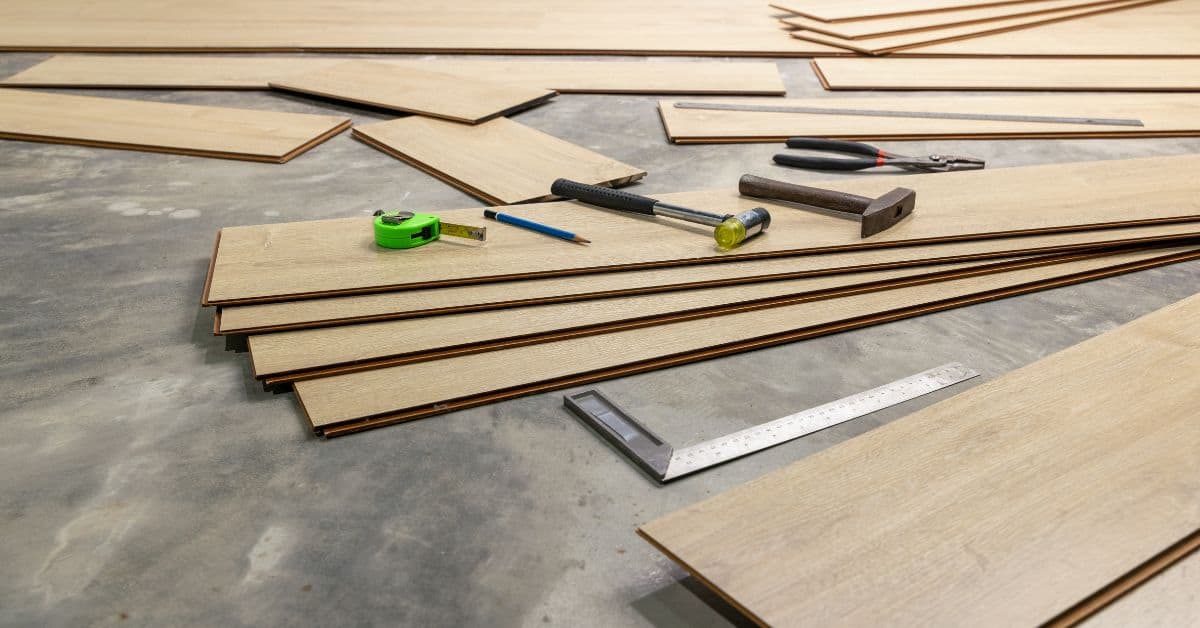
Tools and materials checklist
Before you start, make sure you have all the necessary tools and materials. This list will help you stay organized and avoid mid-project trips to the hardware store.
- Mixing bucket: Essential for mixing both feather finish and self-leveler compounds.
- Drill with paddle: To mix the compound thoroughly, preventing lumps and air pockets.
- Gauge rake or trowel: For applying and spreading the compound evenly.
- Smoothing tool (straight edge or power screed): To level and smooth the surface after application.
- Primer: To prepare the substrate for better bonding. Refer to Substrate Preparation and Bonding Requirements for more details.
- Safety gear (gloves, goggles, dust mask): Protect yourself from dust and chemicals during mixing and application.
- Measuring tape or ruler: To ensure you’re applying the right amount of compound and achieving the desired thickness.
- Level or laser level (optional): For checking and ensuring surface flatness, especially for larger repairs.
Quick rule: Always double-check your tools and materials before starting. Missing something can lead to poor results or wasted time.
Mixing and working techniques
The key to successful application lies in proper mixing and technique. Here’s how to do it right for both feather finish and self-leveler compounds.
Mixing: Follow the manufacturer’s guidelines for water-to-powder ratio. Mix slowly at first to avoid creating air pockets, then increase speed until a smooth, lump-free consistency is achieved.
Feather Finish Application: Use a gauge rake or trowel to apply the compound in thin layers, working it into the dips and low spots. Trowel the surface smooth, using a straight edge or power screed for larger areas. Remember, less is more; avoid over-applying as it can lead to cracking.
Self-Leveler Application: Pour the compound onto the substrate, then use a trowel or spiked roller to spread and level it evenly. Work quickly but carefully, as self-levelers set faster than feather finishes. Use a straight edge or power screed for larger areas to ensure a smooth, flat surface.
Drying, Sanding, and Readiness for Floor Coverings
Drying and curing are not the same. The concrete may feel dry on the surface while moisture is still leaving it. For sanding or installing tile, vinyl, or other finishes, you need the substrate to be ready.
To test readiness, use a simple touch test and look for moisture or a dull, firm surface. If you’re unsure, check the label or datasheet for a recommended moisture test method. Rushing this step leads to bond failures, finishes that pop, or uneven floors later.
Visual checkpoints for cure and sanding
Before you start sanding, walk on, or install floor coverings, use these visual cues to ensure your feather finish or self-leveler is ready.
- Shiny surface: Wait until the shine disappears. This indicates that most of the water has evaporated.
- Walk-on test: Gently walk on the area after 24 hours. If it feels solid and doesn’t leave any footprints, it’s ready for sanding.
- Press test: Press firmly with your thumb. If no indentation remains, you can proceed to sanding.
- Tapping sound: Tap the surface with a hammer or knuckle. A dull thud means it’s ready; a hollow sound indicates it needs more time.
- Dusting: Lightly dust the surface after 48 hours. If no residue sticks, it’s cured enough to sand.
- Avoid skipping: Rushing this step can lead to improper curing, affecting bond strength and finish quality.
Quick rule: Always follow the manufacturer’s recommended cure time for best results.
Preparing the repaired surface for coverings
Once your feather finish or self-leveler is fully cured, follow these steps to prepare it for adhesives, tile, or finish flooring.
Sanding: Lightly sand the surface using a fine-grit sandpaper (120-150 grit) to remove any remaining high spots and create a better bond. Vacuum thoroughly afterwards.
Check for flatness: Use a straight edge and level to ensure no low or high spots remain. Follow flooring manufacturer tolerances for acceptable variations in flatness.
Priming: Apply a suitable primer according to the manufacturer’s instructions. Priming seals the surface, improves adhesion, and helps prevent moisture-related issues.
Durability, Bonding, and Compatibility with Floor Coverings
Durability, bonding, and compatibility with floor coverings vary between products. In the long run, one option tends to resist wear and stick better, but you’ll see differences with tile, vinyl, wood, and carpet.
Know what to check: read the label or datasheet for bonding strength and surface prep. Test a small area if you’re unsure, and match the product to your floor choice to avoid failures.
Adhesion to common substrates
Feather finish and self-leveler both stick well to concrete, but their adhesion can vary on other surfaces.
Concrete: Both products bond well with properly prepared concrete. No additional priming needed.
Plywood: Self-leveler needs mechanical fastening for best results. Feather finish may require priming to enhance bonding.
Cement board: Both can be used, but feather finish may need priming for better adhesion.
Compatibility with covering types
Choosing the right product depends on your floor covering. Check manufacturer’s data sheets for exact recommendations.
Tile: Both work well, but feather finish may require additional leveling if dips are deep.
Vinyl: Self-leveler is often preferred due to its smooth, even surface. Feather finish may need sanding for a smooth base.
Wood/Carpet: Both can be used, but ensure the surface is flat and smooth before installation.
Cost, Waste, and Coverage Decision-Making
When choosing a repair option, figure out how much area your product covers by depth and compare waste. Don’t guess; measure the depth and read the label to estimate coverage and how many containers you’ll need. Always check the packaging for exact coverage data.
Understanding coverage helps you buy just what you need and avoid leftovers that go to waste. This matters on small repairs where wasted material hits the pocket and creates extra scrap. If unsure, check the product label or datasheet for the coverage figure and follow the guidance it provides.
How to estimate material needs
The right materials ensure your repair lasts and looks good. Here’s what you need, how to pick ’em, and why they matter.
- Cement: The base of your mix. Look for ASTM C150 type I or II. Cheap alternatives can cause weak bonds and cracking.
- Sand: Provides bulk, strength, and workability. Use clean, sharp-edged sand (ASTM C33). Avoid fine sands as they can lead to weak mixes.
- Type N Mortar: Recommended for most repairs. It’s strong, flexible, and adheres well. Look for ASTM C270 with a strength class of N or better. Don’t skimp on quality; cheap mortar can stain and crack.
- Water: Essential for mixing. Use clean water (not from a pond). Too much water weakens the mix, too little makes it hard to work with.
- Admixtures: Optional additives for strength, durability, or special properties. Check manufacturer instructions and local rules before using.
Pro tip: Buy materials in small quantities if you’re new to this. Store them dry and mix only what you need to avoid waste. Always follow manufacturer mixing guidelines for best results.
Minimizing waste and leftovers
Buying the right amount of concrete is crucial to keep costs down and reduce waste. First, revisit your calculations from earlier in this guide. Then, consider these tips:
For small jobs, mix only what you need. It’s better to make a few small batches than one big one that goes to waste. Here’s how:
– Use a portable mixer or wheelbarrow for small batches.
– Follow the manufacturer’s mixing instructions on your cement and aggregates. The general rule is 1 part cement, 2 parts sand, 3-4 parts gravel, and enough water to make a consistent, workable mix.
If you have leftover mixed concrete, don’t let it harden in the mixer or wheelbarrow. It’s a waste of material and can damage your tools. Instead, pour it into forms or use it to fill small cracks and voids. If you must dispose of it, check local regulations for safe disposal methods.
To store unused dry materials, keep them in a cool, dry place, away from moisture and extreme temperatures. Check the product labels for specific storage instructions. Remember, concrete is a perishable product once mixed, so always prioritize using fresh material.
Common Mistakes, Troubleshooting, and When to Call a Pro
Common DIY mistakes include skipping proper surface prep, applying material too thick or too thin, and mixing or batching incorrectly. Quick remediation is to re-clean the surface, adjust thickness to the product’s guidance, and re-mix per the label. If you’re unsure about thickness, mixing, or cure times, check the label/datasheet.
This matters because bad prep or wrong mix can lead to weak patches, cracking, or adhesion failure. If the job feels beyond your scope—large areas, structural concerns, or special mixes—call a pro. When in doubt, follow the product instructions and check local rules or guidelines for your project.
Typical DIY errors and fixes
Here are common mistakes to avoid when using feather finish or self-leveler for minor dips. Learn from these pitfalls to save time and materials.
- Delamination: This happens when the repair doesn’t bond properly with the existing surface. Solution: Ensure the surface is clean, dry, and free of contaminants before applying.
- Cracking: Cracks form due to improper mixing or application thickness. Solution: Follow the manufacturer’s mixing instructions and apply the recommended thickness.
- Uneven flow: This occurs when the mixture doesn’t spread evenly, leading to inconsistent results. Solution: Use a notched trowel for even distribution and consider using a self-leveler for larger areas.
- Insufficient coverage: Applying too thin a layer can lead to inadequate repair. Solution: Apply the product at the recommended thickness for your specific application.
Remember, prevention is better than cure. Always follow the manufacturer’s guidelines and don’t hesitate to ask for advice if you’re unsure.
Signs you should hire a professional
While DIY repairs can save money, there are situations when it’s best to call in the pros. Here are some signs to look out for:
Extensive subfloor damage: If your floor has significant structural issues or extensive damage, it’s wise to hire a professional. They have the tools and expertise to assess and repair major problems.
Unknown moisture issues: Moisture can wreak havoc on your floors and repairs. Professionals can test for moisture and apply appropriate treatments before making repairs.
Precise flatness required: If you need a perfectly level floor – for example, for installing luxury vinyl plank or hardwood flooring – it’s best to hire a professional. They have the tools and experience to achieve precise results.
Conclusion
If you want durable results that look right and won’t crack later, pick the method that matches the dip severity, substrate, and your tolerance for grinding and sanding, and then commit to proper prep and drying times.
Feather finish or self-leveler, your quick path is: inspect the substrate and bond: clean, dry, and free of wax or loose material; prime or bond as required; mix and apply per product instructions with steady, even movement; skim or pour in the correct thickness; monitor drying, then sand lightly to a smooth, ready surface before you install floor coverings. Test a small area first, follow the product labels, and pace the work to avoid premature sealing or bonding mistakes. Safety first: ventilate, wear a mask, and keep kids and pets out of the work zone.
Common mistakes to avoid are over-thinning or overworking the mix, skipping bonding agents when required, and using the wrong thickness for the dip. Don’t rush drying, don’t sand too aggressively, and don’t assume one product fits all substrates. Keep these simple rules in mind: prep clean and dry, apply to the right thickness, and verify it’s firm and flat before calling it done. If anything looks inconsistent, pause, recheck the substrate, and correct before proceeding.
If the job will expose heavy traffic, unusual substrates, or persistent dips, consider bringing in a pro rather than chasing a DIY fix. When in doubt about compatibility with floor coverings, or if you see recurrent cracking, delamination, or poor bonding, stop and consult an expert. Stay safe, stay patient, and you’ll land a smooth, stable base ready for the floor you choose.
FAQ
When should I pick feather finish over self-leveler for small dips?
Feather finish is easier for tiny, irregular imperfections and crack-free surfaces. Self-leveler works better if the dip is a bit deeper or uneven across a large area. Check the manufacturer’s instructions to match your substrate and the patching material.
Can I use feather finish over an existing concrete slab with slight surface irregularities?
Yes, but you must properly clean, dull the sheen, and use a bonding agent per the product label. Feather finish relies on suction and surface grip to stay in place. If in doubt, test a small area first.
How should I prep the substrate before applying feather finish or self-leveler?
Sweep and vacuum thoroughly, remove dust, and repair major cracks. Use a compatible primer or bonding agent as directed. Follow label instructions for moisture, temperature, and curing conditions.
How long before I lay flooring after applying, and how do I know it’s ready?
Let the product cure until the manufacturer’s guidance says it’s ready for flooring. Look for a hard, smooth surface without tackiness or sheen changes. If you’re unsure, wait for a full cure and any recommended dry times per the product data sheet.