
Introduction
Transforming a staircase from drab to fab is a dream DIY project that can dramatically enhance your home’s aesthetic. But before you grab your paintbrush and dive in, let’s address the burning question: how long does it take to paint a staircase?
The timeframe depends on several factors, including the size of your staircase, the current condition of the surface, and the type of paint you’re using. On average, plan for around 2-3 days of active work, spread over a week or two.
The Complete Timeline for Painting Your Staircase
Painting a staircase involves several stages, each with its own duration. Here’s a detailed breakdown of the timeline:
- Planning and Preparation (1-3 days): Measure your stair area, assess risks, and gather materials. This step includes cleaning, repairing, sanding, and masking.
- Priming (optional, 1 day): If required, apply a primer coat to ensure better paint adhesion.
- Painting (2-3 days): Apply the final coats of paint, allowing each layer to dry fully. Maintain a wet edge and ensure even coverage.
- Finishing and Final Checks (1 day): Install non-slip finishes, touch up any rough patches, and perform a final inspection.
Total estimated time: 5-8 days
Key takeaways
The preparation stage is crucial as it sets the foundation for a successful paint job. It also significantly impacts the overall timeline, so allocate enough time to ensure thorough cleaning, repairs, and sanding.
- Plan stair area dimensions, risk assessment, and budget before starting any work.
- Protect floors, rails, and occupants with masking, drop cloths, and proper PPE.
- Sand lightly, clean thoroughly, and repair gaps to ensure even paint adhesion.
- Apply even coats, maintain a wet edge, and let each layer dry fully.
- Use anti-slip finishes and clear topcoats for longevity and safety.
- Inspect, touch up high-wear areas, and schedule repaint every few years.
Table of Contents
- Introduction
- Key takeaways
- Before you start: planning, safety, and cost
- Tools and materials checklist (what to buy and why)
- Preparation step-by-step (cleaning, repairs, sanding, and masking)
- Painting the staircase — step-by-step workflow
- Finishes, protection, and anti-slip solutions
- Common mistakes and what to avoid
- Maintenance, touch-ups, and when to repaint
- Eco-friendly options, disposal, and final checks
- Conclusion
- FAQ
Before You Start: Planning, Safety, and Cost
Effective planning sets clear expectations and helps avoid rework. Define your project scope: surfaces to be treated, priming, painting, sealing, or adding non-slip coats, and the number of coats needed. Develop a simple timeline and access plan considering drying periods, peak traffic, and household flow.
Consider access and site constraints upfront—entry points, ladder/scaffold needs, landing clearance, railing protection, and containment to prevent dust drift. Choose materials and finishes that fit your daily life: paint type, primers, bonding agents, slip-resistant additives, color, and prep work like cleaning and patching. A clear budget helps identify major cost drivers early.
Assess the Staircase and Create a Plan
Inspect your staircase for material (wood, MDF, concrete) and existing finishes. Check for damage such as cracks or loose boards that need repair before painting. Decide which parts to paint—treads, risers, handrails—and consider if a full overhaul might be better than just painting.
Creating a plan avoids rework. Note your goals and how you’ll achieve them: choose paint types, decide on priming or sealing, and determine the number of coats for durability.
Safety Checklist and Workspace Setup
Before starting, review this safety checklist:
- Fall prevention: Install guardrails or use a harness.
- Ventilation: Open windows or run fans. Confirm no paint smell.
- Dust control: Use drop cloths and vacuums. Check floors after work.
- Protect household members: Set up barriers, post signs.
- Masks: Wear respirators during painting. Check no paint particles inhaled.
- Knee pads: Protect knees while working on treads. Check for comfort and support.
- Gloves: Use to avoid skin contact with chemicals. Check clean hands after work.
Always prioritize safety over speed when working on stairs.
Budget and Time Estimate Guidelines
Create a budget for your project, including costs for paint, primer, tools, protective finishes, and replacement parts. Develop a realistic timeline considering surface preparation, drying times between coats, and final curing periods.
Quality materials often mean fewer coats and longer-lasting results. Don’t skimp on essentials like proper ventilation equipment or protective gear to ensure a safe job site.
Tools and Materials Checklist: What to Buy and Why
This section helps you distinguish essential tools and materials from optional extras for painting a staircase. We’ll focus on prep, bonding, durability, and finish quality, ensuring you understand why each item matters. Pay close attention to surface prep steps, moisture testing, and choosing the right coating type to avoid issues like peeling or uneven appearance.
We’ll also provide practical shopping and planning context, guiding you on when to splurge or save, and how to organize your purchases by project phase to minimize waste. You’ll find actionable guidance on safety gear, ventilation, protecting nearby trim and rails, plus workflow tips for prepping, priming, painting, and topcoating to help you finish with fewer hiccups.
Paint Types and Finishes for Stairs
Choose the right paint type based on your staircase’s traffic level:
- Enamel Paint: Durable, glossy; ideal for high-traffic areas. Ensure surface is smooth and clean.
- Acrylic Paint: Versatile, easy to apply; suitable for moderate traffic. Apply only on dry surfaces.
- Chalk Paint: Soft look, no primer needed; ideal for low-traffic areas. Use on clean, grease-free surfaces.
- Mixed Floor Paints: Combines durability with aesthetics; suitable for all traffic levels. Verify compatibility with the substrate.
Choose paint based on staircase usage and desired finish.
Primers, Sealers, and Protective Topcoats
Select the right primer or sealer for your project:
- Bonding Primer: Essential for glossy surfaces; ensures paint adheres properly. Test surface with water.
- Stain-Blocking Primer: Prevents bleed-through of stains and discolorations. Use on clean, grease-free areas.
- Durable Clear Topcoat: Protects paint underneath; use for high-traffic areas. Apply only on dry surfaces.
- Semi-Gloss Polyurethane: Adds shine, enhances durability; ideal for stairs. Use on clean, dust-free surfaces.
Use primers and sealers based on surface condition and expected wear.
Tools and Consumables
Gather necessary tools before starting your project:
- Sandpaper Grits: 60, 120, 220; use for surface preparation. Ensure sandpaper is clean and sharp.
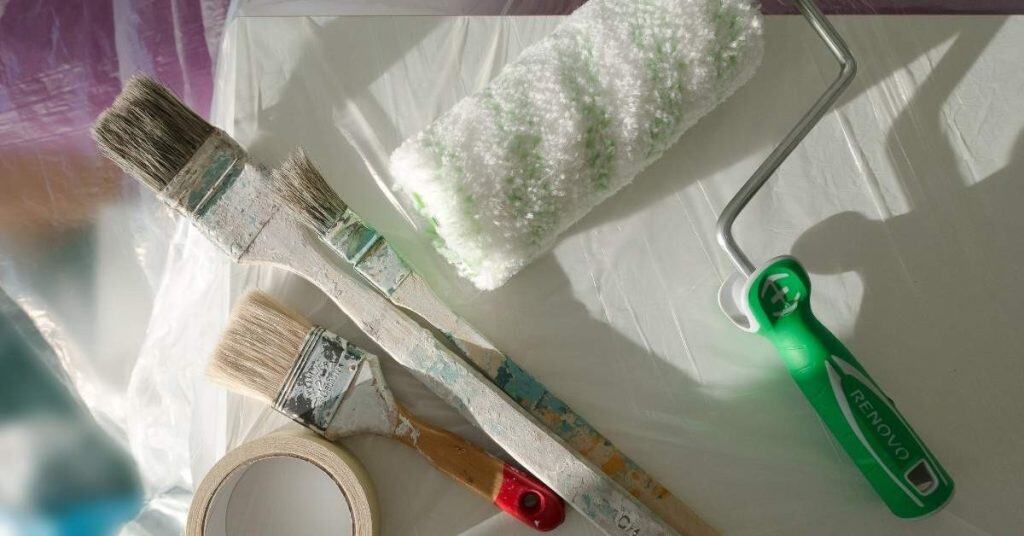
- Bristle Brushes: For cutting in edges; ensure bristles are stiff enough. Confirm brush fits into tight corners.
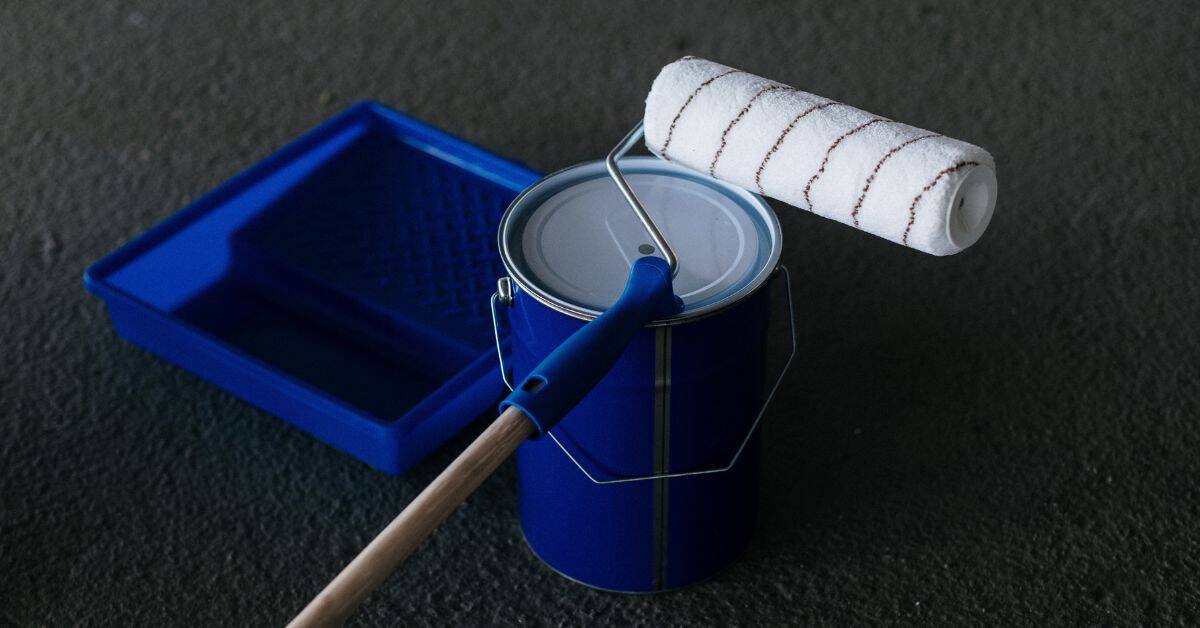
- Paint Rollers: 3/8-inch nap for smooth surfaces; use clean, lint-free rollers.
- Dust Masks: Essential for dust control during prep work. Ensure mask fits snugly around face.
Gather tools and materials based on project needs and safety requirements.
Preparation Step-by-Step: Cleaning, Repairs, Sanding, and Masking
Follow this clear, sequential process to prepare your staircase for painting: cleaning, removing loose paint, filling holes and repairs, light sanding, then masking off areas. Allocate short, manageable time blocks for each stage, aiming for a one-day workflow. Times vary based on product and condition, so consult labels and datasheets.
This prep order minimizes cross-contamination, ensures predictable finish times, and protects nearby surfaces from paint splatter or overspray.
Step-by-Step Cleaning Process
- Safety first: Wear gloves and goggles. Remove any loose paint or debris now.
- Use a soft brush to sweep away dust from treads and risers, preventing grit from scratching the surface during sanding.
- Mix degreaser with water in a bucket, then apply to the staircase using a microfiber cloth. Rinse thoroughly with clean water afterward. Allow at least 2 hours for drying.
- Inspect surfaces again for any missed spots or new debris. Repeat cleaning steps if necessary until everything is spotless.
Cleaning and Contaminant Removal
For grease, grime, and nicotine stains, use a degreaser like TSP (Trisodium Phosphate) or its substitute. Apply the solution with a soft brush or sponge, then rinse thoroughly to avoid residue.
Allow surfaces to dry completely before proceeding with repairs and filling to prevent moisture issues later.
Repairs, Filling, and Leveling
Inspect the staircase for cracks and holes using a flashlight. Patch these areas with wood filler or epoxy; epoxy is stronger but more challenging to work with.
Secure loose treads or balusters back in place using screws or nails to ensure structural integrity before painting.
Level the surface after filling by sanding lightly to prevent bumps and uneven paint application.
Sanding and Surface Profile
Start with a coarse grit (80-120) to strip away gloss, then move to finer grits (220-400) for a smooth finish. Use sanding sponges for tight corners like risers and railings to prevent damage.
Vacuum up dust after each pass using a HEPA filter attachment, followed by a final wipe with tack cloth to prepare the surface for masking.
Painting the Staircase — Step-by-Step Workflow
Efficiently painting a staircase involves a clear, sequential process: surface preparation, priming, applying coats, and final inspection. Focus on keeping steps accessible by staging work, protecting trim, and employing suitable techniques for risers and treads.
This approach is crucial as stairs remain in use during the project. Use partial closures, safe temporary work zones, and smart scheduling to minimize disruptions. Choose the right primer for your substrate, control dust, ventilation, and footwear for clean work, and phase access to complete sections as per your schedule.
Step-by-Step Process
This sequence ensures a smooth, safe painting process from start to finish.
- Ensure safety gear (gloves, mask, eye protection) and tools are ready. Lay down drop cloths around the stairs.
- Prime the entire surface using a suitable primer for concrete or wood. Allow it to dry as instructed before painting.
- Paint treads first with a roller or brush in thin, even coats. Let each coat dry completely before proceeding.
- Move up and down the stairs, painting risers next with a smaller brush. Avoid drips at edges.
- Apply topcoat over primer and paint layers using light strokes to prevent lap marks or uneven coverage.
Sequence for Treads, Risers, and Rails
Begin with the treads, as they bear more foot traffic. Paint one tread at a time to keep stairs usable.
Once treads are done, move on to the risers. Work in sections, painting every other step for accessibility during drying times.
Finally, tackle the railings and newel posts. Use a small brush for intricate details like spindles or balusters. Allow these areas to dry thoroughly before use.
Application Techniques and Drying Times
Use a roller for treads due to their large surface area, but switch to a brush or pad for risers where precision is key.
Apply thin coats of paint in multiple layers. Each coat should be dry to the touch before adding another to avoid smudging or uneven coverage.
Drying times vary by product and environment. Check the label for specific instructions, but generally allow at least 24 hours between coats for optimal results.
Achieving Clean Lines and Professional Edges
Mask off areas with painter’s tape to protect them from paint. Use a small brush or angled tool to cut-in around edges where treads meet risers.
For crisp transitions, use an angled brush along the corners of steps and railings. A mini-roller works well for tight spots on banisters.
Remove all masking before paint dries completely to prevent residue from sticking to your freshly painted surfaces.