
Introduction
Moisture problems in concrete blocks happen when water wicks through the wall, showing up as damp patches and mineral blooms. This is commonly caused by capillary rise and can occur even when the surface seems dry. To deal with it, you need to identify where the moisture is coming from and how the wall dries to the interior.
Sealants and interior coatings can help manage moisture, but they must be selected and used with care. Always read the product label and follow manufacturer instructions for surface prep, curing, and vapor handling, and check local rules if any. Keep the process practical: test a small area, follow a sensible application plan, and re-evaluate after a season of drying.
Key takeaways
- Inspect moisture origin before sealing; differentiate capillary rise from exterior dampness.
- Wear PPE during inspections; use non-porous barriers and breathable coatings safely.
- Prepare surfaces by removing efflorescence and dust for better coating adhesion.
- Exterior drainage and flashing reduce recurring moisture; coordinate with capillary breaks.
- Interior coatings should be breathable and compatible with moisture movement.
- Monitor conditions after work; document readings and seasonal changes for maintenance.
Table of Contents
- Introduction
- Key takeaways
- How Moisture Moves Through Concrete Block Walls
- Diagnosing Moisture Problems: Inspections and Tests
- Distinguishing Source: Ground Rise Vs Exterior Penetration Vs Interior Vapor
- Repair Priorities and Surface Preparation Before Sealing or Coating
- Sealers and Exterior Treatments: Types, Pros/Cons, and Breathability
- Interior Coatings and Finishes That Make Sense for Block Walls
- Integrated Exterior Solutions: Drainage, Flashing, and Capillary Breaks
- Long-Term Monitoring, Maintenance, and Cost/Decision Guidance
- Conclusion
- FAQ
How Moisture Moves Through Concrete Block Walls
Concrete blocks can carry moisture in several ways. Capillary rise pulls water from the ground into the wall pores. Liquid penetration depends on openings and joints. Vapor diffusion moves moisture as a gas through the material.
In block construction these paths often interact, so a single symptom may come from more than one route. Understanding where water travels helps you pick effective fixes. Always check how each mechanism applies to your wall setup before choosing products.
Capillary rise and wicking
Concrete blocks are porous. That means they can draw water upward, like a straw sipping a drink.
This is called capillary rise or wicking. It happens because of tiny spaces in the concrete and mortar that fill with water and pull more up behind it.
Capillary breaks, like metal flashing at the base of walls, stop this upward movement by blocking those tiny paths.
Vapor diffusion and condensation
Warm, moist air inside your home can carry water vapor. This vapor moves through the porous concrete blocks into cooler areas, like cavities behind the wall.
When this warm, moist air hits a cool surface, it cools down too fast. That’s when condensation happens – water droplets form on the cold surface.
Permeability matters here. If your blocks are too permeable, they let vapor move through too easily, leading to more condensation.
Bulk water entry and leak pathways
Water can enter your block walls in big chunks too, not just by capillary rise. This happens when there are gaps or cracks on the outside of your walls.
Poor flashing, missing caulking, or even hydrostatic pressure from heavy rain can force water into these breaches and leak pathways.
Exterior breaches need to be fixed to stop this kind of water entry. It’s not just about what’s happening inside the wall – outside matters too.
Diagnosing Moisture Problems: Inspections and Tests
Start with a careful visual survey for staining, efflorescence, or soft spots. Look for patterns that match water sources and seasons. Document any changes or recent work on the exterior or interior surfaces.
Use simple DIY checks such as moisture meters and noninvasive tape tests, but note their limits. When results are uncertain, consult product labels, manufacturer data, or local codes for guidance. Combine methods to form a practical picture of severity and source.
Visual checkpoints and moisture mapping
Before you start testing, use your eyes to spot signs of moisture. This helps guide further tests.
- Efflorescence: White powdery deposits on walls indicate moisture moving through.
- Staining: Dark spots or streaks show where water has been.
- Paint failure: Peeling, bubbling paint suggests underlying dampness.
- Mold: Visible mold growth signals moisture and potential health issues.
- Warping/Buckling: Walls or floors bending out of shape could mean water damage.
- Musty odor: A damp, earthy smell hints at hidden moisture.
- Water stains on ceilings: These often indicate roof leaks or condensation.
- Wet spots on floors: Check for standing water or dampness underfoot.
Quick rule: Map out wet areas to focus testing efforts and track progress.
In-situ testing methods and their meaning
Once you’ve identified potential problem areas, use these tests to confirm moisture presence and severity.
- Surface Moisture Meters: Measure surface dampness. Results can vary based on wall thickness and material.
- Hygrometers: Read indoor humidity levels. High readings may indicate moisture issues but aren’t conclusive.
- Calcium Chloride Test: Measures water vapor transmission through a sealed cup of calcium chloride solution. Results show if moisture is moving through the wall.
- Infrared Thermography: Detects temperature differentials, which can indicate moisture but isn’t conclusive on its own.
Quick rule: No single test tells the whole story. Use multiple methods to get a clearer picture of moisture problems.
When to call a professional and what to ask for
If DIY tests confirm moisture issues or you’re unsure about results, consult a pro.
- Building Scientist: Ask for an assessment of your home’s moisture dynamics and potential solutions.
- Waterproofing Pro: Request estimates for repairs and waterproofing services.
- Lab Tests: Ask about sending samples (e.g., wall materials) for lab analysis to confirm moisture sources.
- Thermal Imaging: Inquire about using infrared cameras to map out moisture pathways.
Quick rule: Don’t hesitate to call a pro if you’re unsure. Timely intervention can prevent costly damage and health issues.
Distinguishing Source: Ground Rise Vs Exterior Penetration Vs Interior Vapor
Rising damp often shows up as consistent staining along the lower wall and near grade line. Exterior penetration tends to follow openings, cracks, or damaged flashing after rain. Interior vapor issues may appear with condensation and humidity peaks inside the space.
Use observational patterns and seasonal changes to help separate causes. Simple tests can point to vapor pressure differences or exterior leaks, but they may not be conclusive. Prioritize fixes based on the most consistent source you observe.
Signs of rising damp vs external penetration
Rising damp and exterior water penetration can both cause moisture issues, but they leave different clues. Here’s how to tell them apart:
Rising Damp: Look for a tide mark – a distinct line where the wall is damp but not above it. This usually starts at ground level and rises, often with a musty odor. It’s caused by capillary action drawing water up from the ground.
Exterior Penetration: Check for localized wet spots or streaks on walls, often near windows, doors, or cracks. These are signs of water entering from outside, possibly due to leaks or poor flashing.
Role of grading, gutters, and site drainage
External site conditions play a big role in wall moisture. Here’s what to inspect first:
Grading: Water should flow away from your home’s foundation. If it’s flat or slopes towards the house, water can seep into walls.
Gutters and Downspouts: Ensure they’re clean, intact, and directing water at least 5 feet away from the foundation to prevent splashback and saturation.
Drainage Systems: Check that your home’s drainage systems are functioning properly. Clogged or damaged drains can cause water to back up and seep into walls.
HVAC, indoor humidity, and seasonal effects
Indoor conditions also impact wall moisture. Here’s how:
HVAC Systems: If your heating or cooling system isn’t properly ventilating, it can cause excess humidity indoors, leading to condensation on cold walls.
Seasonal Effects: In colder seasons, the temperature difference between indoors and outdoors increases. This can drive moisture from warm indoor air towards cooler walls, causing condensation and potential mold growth.
To mitigate this, ensure your HVAC system is running efficiently and consider using a dehumidifier if needed.
Repair Priorities and Surface Preparation Before Sealing or Coating
Address cracks, failed mortar, and loose materials first so moisture pathways are interrupted. Repoint where mortar is degraded and remove loose efflorescence before coatings go on. Allow the wall to dry to the extent practical before applying products.
Prepare a DIY tools and materials checklist that covers cleaning, filling, and substrate repair. Validate that each item is compatible with the coating you plan to use. Follow manufacturer instructions and local requirements for best results.
Cleaning, efflorescence removal, and surface profiling
Start by cleaning your concrete block walls. Use a stiff-bristle brush or a pressure washer on low setting. Be careful not to damage the blocks.
Efflorescence – those white salt deposits – are a sign of moisture. If they’re thick, it might indicate deeper issues. Scrape off what you can gently, then use a solution of muriatic acid (1 part acid to 5 parts water) to remove the rest. Rinse thoroughly.
Once clean, profile the surface. This means removing any loose material and creating a slightly rough texture for better sealer adhesion. Use a wire brush or a masonry blade on an angle grinder.
Repointing, crack repair, and replacing damaged block
First, tackle mortar failure. Remove loose mortar using a chisel and hammer. Mix new mortar matching the existing, and tuckpoint or repoint as needed.
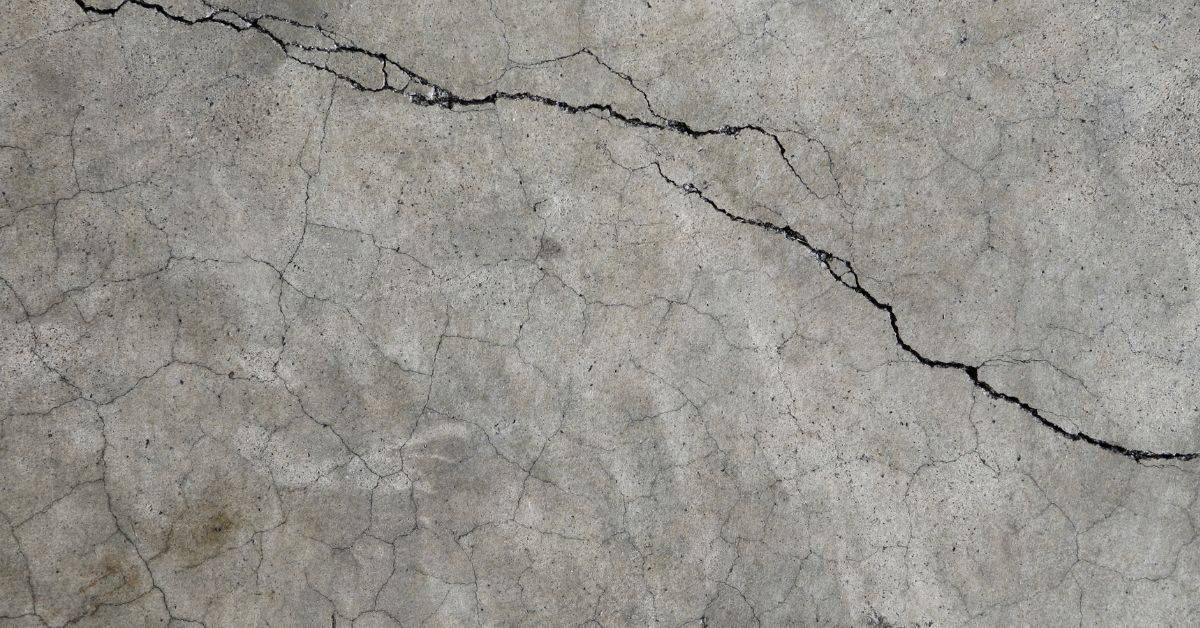
Cracks let moisture in. Fill them with an elastic concrete repair caulk or mix up some sanded grout to match your mortar color.
If blocks are spalled (flaking or crumbling), replace them. Cut out the damaged area, clean it, and install a new block using mortar. Ensure you’re not trapping moisture in behind the new block.
Tools and materials checklist for DIY prep
Before you start, gather these tools and materials. You’ll need them for inspection, cleaning, and basic masonry repair.
- Stiff-bristle brush or pressure washer: For cleaning the walls.
- Muriatic acid: To remove efflorescence (salt deposits).
- Wire brush or masonry blade: To profile the surface.
- Chisel and hammer: For removing loose mortar.
- Mortar mix: Matching your existing color.
- Concrete repair caulk or sanded grout: For filling cracks.
- Trowel, pointing trowel, and margin trowel: For applying mortar.
- Goggles, gloves, and dust mask: Safety first!
Quick rule: Always check your work as you go. Moisture problems hide easily, so make sure repairs are sound before sealing or coating.
Sealers and Exterior Treatments: Types, Pros/Cons, and Breathability
Penetrating sealers and silane/siloxane products aim to block capillary movement while letting the wall breathe outward. Acrylics and elastomeric coatings form a protective film on the surface. Cementitious waterproofers work differently and can alter vapor exchange.
Breathability is a key trade-off you’ll weigh against durability and water resistance. Check product labels and data sheets for guidance on where and how they perform. Use regions and conditions that match your climate and wall exposure.
Penetrating sealers vs film-forming coatings
When it comes to sealing concrete blocks, you’ve got two main types of products: penetrants and film coatings. Let’s break down how they work.
Penetrating sealers soak into the block, lining the pores without forming a surface film. They stop water from rising through capillary action but still allow moisture vapor to escape. No trapped moisture here.
Film-forming coatings, on the other hand, create a continuous barrier on top of the block. While they keep water out, they can also trap moisture inside if not breathable enough. Not ideal for long-term use.
Understanding breathability and vapor-permeability
Breathability matters because it lets moisture vapor escape from inside the block. Low-perm coatings can trap this vapor, leading to problems later on.
Imagine your concrete blocks as a sponge. When it’s damp outside, that sponge soaks up some water. But when it dries out, you want that water to evaporate, right? That’s where breathability comes in.
High vapor permeability means more moisture can escape. So, if you’re using a sealer, make sure it’s breathable enough for your specific situation. Don’t seal in the problem!
Choosing a sealer based on source and substrate
Before you grab that paintbrush, figure out what’s causing your moisture issue. Is it rising damp from the ground, water penetrating from outside, or just cosmetic moisture?
For rising damp, go for a deep-penetrating sealer like silane/siloxane. They soak in and block pore water effectively.
If you’re dealing with external penetration, consider an elastomeric coating or cementitious waterproofer. These create a barrier on the surface, keeping out rainwater.
For cosmetic moisture, an acrylic sealer might do the trick. It won’t stop rising damp but can help with minor surface issues and improve appearance.
Interior Coatings and Finishes That Make Sense for Block Walls
Choose breathable finishes like parge coats or mineral-based paints to manage moisture from the inside. Reserve impermeable coatings for specific situations only, as they can trap moisture if misapplied. Consider where finish textures and colors will help or hinder drying.
Avoid cosmetic-only fixes that seal moisture in place. Always verify compatibility with the substrate and any existing sealers or coatings. Refer to product instructions and local guidance when selecting interior finishes.
Cementitious and mineral-based breathable finishes
For block walls, consider cementitious parge coats and mineral paints. These finishes allow your walls to breathe while providing a smoother appearance.
Cementitious Pargue Coats: Applied like thin-set mortar, these coats seal minor cracks and provide a base for paint. They let moisture escape but keep out bulk water.
Mineral Paints: These paints are made from natural minerals and allow walls to breathe. They’re great for managing moisture and providing color.
Epoxy and impermeable finishes: benefits and risks
Impermeable coatings like epoxy can be helpful in certain situations, but they can also trap moisture if not used correctly.
Benefits: Epoxies are great for periodic water intrusion. They create a barrier that prevents water from entering your walls.
Risks: If used improperly, epoxy can trap moisture in the wall, leading to mold and mildew growth. Only use these coatings when you’re sure there’s no ongoing moisture issue.
Vapor control layers and finishing order
When applying interior substrates and finishes, it’s crucial to consider vapor control. You don’t want to create opposing vapor barriers that trap moisture.
Start with a breathable finish like cementitious parge or mineral paint. Then, if needed, apply a vapor control layer like polyethylene sheeting. Finally, add your topcoat.
Remember, the goal is to allow moisture to escape while preventing bulk water entry. Plan your layers accordingly.
Integrated Exterior Solutions: Drainage, Flashing, and Capillary Breaks
Exterior measures should back up interior work by stopping water before it meets the wall face. Grading, drainage improvements, and proper flashing reduce direct water contact. Retrofit capillary breaks where practical to slow upward moisture movement.
Present exterior fixes as a coordinated set, not a single patch. Provide realistic expectations for DIY work and know when to call a pro for complex details. Always check local codes and product guidance before starting exterior changes.
Capillary Breaks and Damp-Proof Course Options
A capillary break is a barrier installed to interrupt the upward movement of moisture through tiny pores in concrete blocks. Here are some practical methods:
Horizontal Capillary Breaks: These are installed horizontally at strategic points, like every 4-6 courses, using materials like rigid foam board or closed-cell foam.
Damp-Proof Course (DPC): A DPC is a barrier installed at the base of the wall to prevent rising damp. Retrofitting involves removing a course of blocks, installing the DPC, and replacing the blocks.
For existing walls with no breaks, consider retrofitting capillary breaks where possible.
Improving Site Drainage and Foundation Waterproofing
Correcting grading, downspouts, and perimeter drains reduces hydrostatic pressure on your block walls. Here’s how:
Grading: Ensure the ground slopes away from the foundation at least 6 inches over 10 feet to direct water away.
Downspouts: Extend downspouts at least 5-10 feet away from the foundation to carry water far enough to prevent reabsorption into the soil near your walls.
Perimeter Drains: If you have an existing drain system, ensure it’s functioning properly. If not, consider installing a new one around your foundation to collect and redirect water.
Flashing, Weeps, and Sill Details for Long-Term Protection
Proper flashing, weep holes, and sill details prevent water intrusion into block cavities. Here’s how:
Flashing: Install flashing at window sills, ledges, and transitions to direct water away from the wall. Use continuous pieces where possible and ensure they’re properly sealed.
Weep Holes: Drill weep holes in the bottom course of blocks to allow any trapped water to escape. Space them every 12-16 inches for adequate drainage.
Sill Details: Ensure window sills are properly sloped and sealed to direct water away from the wall. Use a backer rod and caulk to seal any gaps at the sill.
Long-Term Monitoring, Maintenance, and Cost/Decision Guidance
Set up a simple ongoing routine to inspect for signs of moisture and coating performance. Track changes over seasons and after rainfall or repairs. Use photos and notes to document conditions over time.
Balance repair costs with potential alternatives such as replacement or major retrofits. Use manufacturer guidance and local code requirements to inform decisions. Keep a clear record to guide future maintenance and budgeting.
Monitoring and simple diagnostic follow-up
Regular visual checks are your first line of defense against moisture problems. Check for signs like efflorescence (white powdery deposits), stains, or damp patches.
Every 6 months, use a moisture meter to measure the moisture content in your blocks. This helps verify if your interventions are working.
If you find issues, don’t ignore them. Address them promptly to prevent further damage.
Reapplication schedules, warranties, and product documentation
Keep track of the products you use and their specifications. This includes sealers, coatings, and any other treatments.
Follow manufacturer guidelines for recoat intervals. Some products may need reapplying every 5-10 years, depending on weathering and exposure.
Check warranties. Many products come with warranties that cover labor and materials if the product fails due to manufacturing defects within a certain time frame.
Budgeting choices and when to upgrade vs repair
Deciding between repairs, full exterior remediation, or interior-only fixes depends on the source, severity, and long-term risk of moisture intrusion.
For minor issues, like occasional damp patches, incremental repairs might be sufficient. But for persistent problems, you may need to upgrade your exterior solutions or apply interior coatings.
If the problem is severe, it might be worth investing in a full exterior remediation to prevent further damage and maintain your home’s value in the long run.
Conclusion
Moisture problems in block walls don’t fix themselves. Use a practical, staged approach focused on safety, durability, and keeping water out rather than just masking it.
First, do a simple, real-world check: confirm you know where the moisture is coming from, test small areas first, and choose materials that are breathable and compatible with block. Plan exterior drainage, flashing, and capillary breaks where needed, and keep up with long-term monitoring and maintenance so the problem doesn’t come back.
Common mistakes to avoid are guessing the source without tests, sealing or coating damp or freshly repaired surfaces, and using non-breathable products that trap moisture inside. Safety rules are simple: test on a small, non-critical area first; wear proper eye and skin protection; and turn off any nearby electrical or moisture-activated systems before working. If you’re unsure about drainage details, capillary breaks, or exterior penetrations, pause and check before proceeding.
If moisture remains after the basic steps, or you uncover structural concerns, exterior leaks, or persistent interior vapor issues, call a professional. When you do push forward, document every step, keep notes on what you seal or coat, and keep maintenance visits on the calendar. Stay steady, follow the checks, and your wall will stay dry and looking right.
FAQ
Will capillary rise push moisture into interior walls even if the exterior is dry?
Yes, capillary action can pull moisture from the ground up through the blocks and mortar. You’ll often see dampness on interior walls that sit above grade or behind finishes. Check exterior drainage and capillary breaks before blaming interior coatings.
What should I look for on sealer labels to avoid trapping moisture?
Look for language about breathability and vapor-permeable options. Avoid film-forming or very glossy sealers that can trap moisture inside. Always read the manufacturer instructions and follow local guidance for your climate and wall type.
When is interior coating a bad idea on block walls?
If the wall shows ongoing moisture or high humidity, coating can trap water and cause failures. Choose breathable, interior coatings designed for masonry and remove or fix obvious moisture sources first. If unsure, check the label for suitability on damp surfaces.
What quick checks can I do to see if interior moisture is coming from inside the wall cavity vs surface staining?
Inspect for texture changes or efflorescence that appears with moisture. Use a moisture meter if you have one, and probe less-visible areas near suspected trouble spots. Look for consistent staining patterns after rain or irrigation cycles to separate sources.