
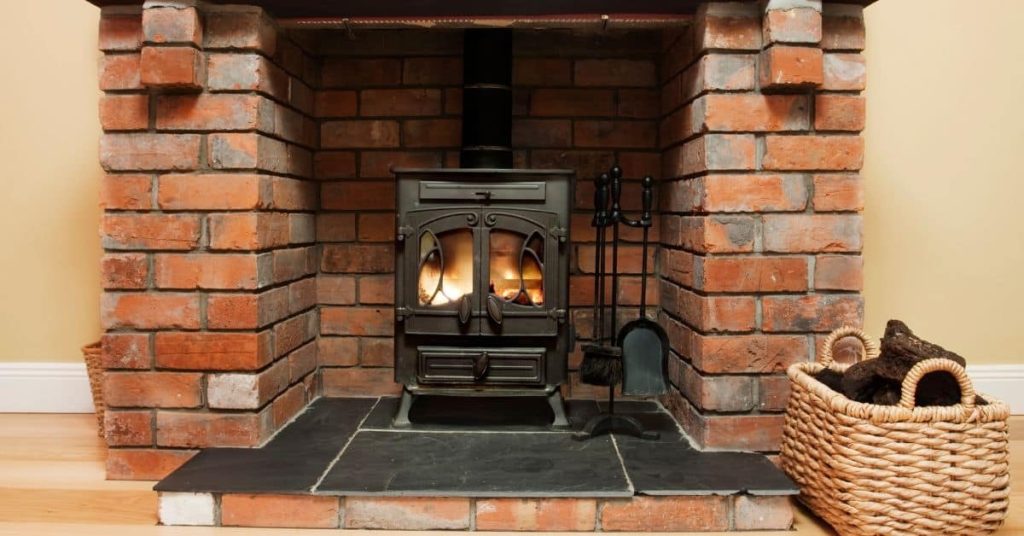
Introduction
Dry methods use physical brushing and vacuuming to lift soot from brick before any chemical cleaners. Start with the gentlest approach and work carefully to avoid staining. Move in small sections and wipe or vacuum away loosened soot as you go.
If stubborn soot remains after dry work, you can consider a basic cleaner with proper safety and label-following, then test a hidden area first. Ventilate the room, wear gloves and eye protection, and check product instructions for use on brick and for any ventilation or rinse requirements. When in doubt, review local rules or manufacturer guidance to stay compliant and avoid damage.
Key takeaways
- Start with dry cleaning methods first to avoid chemical exposure and residue.
- Inspect bricks for damaged mortar and test an inconspicuous area before cleaning.
- Ventilate well and wear eye protection and gloves during all cleaning steps.
- Dry methods include brushing, vacuuming, and minimal damp wipe only if necessary.
- Move to chemical treatments only after dry results and follow label instructions.
- Seal or guard brick after complete drying if staining persists or for ongoing protection.
Table of Contents
- Introduction
- Key takeaways
- Why “Dry First, Chemistry Second”
- Safety, Ventilation, and Site Preparation
- Tools and Materials Checklist (Dry-First Focus)
- Visual Checkpoints and Pre-Clean Testing
- Dry Cleaning Methods — Step-by-Step Procedures
- Chemical and Wet Treatments — Safe Progression and Testing
- Spot Treatments and Stubborn Stain Removal
- Aftercare: Drying, Visual Checkpoints, and Sealing Decisions
- Conclusion
- FAQ
Why “Dry First, Chemistry Second”
Starting with dry methods helps keep soot from driving deeper into brick and mortar. It also reduces dust and chemical exposure for occupants during the cleanup.
Expect cleaner brick with less risk of spreading contaminants, plus a clearer path if you need to move to wet cleaners later. This staged approach gives you safer, more controllable results and a better idea of what may still be needed.
Types of residues: soot vs creosote vs smoke staining
Before you start cleaning, it’s crucial to understand the differences between the three main types of fireplace residue. This helps you choose the right approach.
Soot is loose and dry, often appearing as a fine, black powder that can be easily brushed off. It’s mostly composed of tiny carbon particles.
Creosote, on the other hand, is oily and sticky. It’s a byproduct of incomplete combustion and can build up over time, turning into a thick, tar-like substance that clings to surfaces. Creosote requires more aggressive cleaning methods.
Smoke staining refers to discoloration caused by smoke penetrating deep into the brick pores. This is usually gray or brownish in color and can be difficult to remove without chemical treatments.
When chemistry becomes necessary
While starting with dry methods is always best, there are times when you’ll need to turn to wet or chemical treatments. Here’s how to know when it’s time:
First, if dry cleaning methods aren’t working, and the residue remains stubbornly in place, it might be time for a different approach.
Second, if you’re dealing with oily creosote, dry methods alone won’t cut it. You’ll need to use something that can break down the oily substance.
Lastly, if the residue has penetrated deep into the pores of the brick, causing smoke staining, you’ll likely need a chemical treatment to remove it effectively. This is when you should consider using specialized fireplace cleaning products or even hiring a professional.
Safety, Ventilation, and Site Preparation
Put on appropriate PPE before you touch any soot: gloves, eye protection, and a dust mask or respirator rated for fine particles. Create a containment zone to keep dust from traveling to living areas.
Set up adequate air movement and consider HEPA filtration if heavy soot is present. Check local guidelines or product labels for any specific ventilation or disposal rules before you start.
Personal protective equipment and work-area containment
The first line of defense is protecting yourself and containing the mess.
- Respirator: A half-face respirator with a P100 filter is essential. It’s around $25-$40, plus filters at about $10 each.
- Gloves: Disposable gloves keep your hands clean. Get a box for under $5.
- Eye protection: Safety glasses or goggles prevent soot from getting in your eyes. Around $10-$20.
- Coveralls: A disposable coverall keeps your clothes clean. A pack of 10 costs about $15.
- Plastic sheeting: Seal off the room with plastic sheets taped at the edges. A roll is around $10-$20.
Protecting floors, furnishings, and adjacent surfaces
Before you start, prep the area to make cleanup easier and prevent soot transfer.
Floors: Lay down drop cloths or plastic sheets. You can get a pack of 10 for around $20-$30.
Furniture: Cover large pieces with old sheets or blankets. If you don’t have any, you can buy a pack of four for about $5-$10.
Seams and edges: Seal off seams and edges with painter’s tape. A roll costs around $2-$5. This will help contain the soot and make cleanup easier.
Tools and Materials Checklist (Dry-First Focus)
Have a HEPA-rated vacuum, microfiber brushes, and non-abrasive scrub pads ready for dry cleaning. Keep clean, labeled containers for debris and spent wipes or cloths.
Stock replacement sleeves, filters, and dust-control drop cloths, plus reference product instructions for any cleaners you may add later. Note on labels or instruction sheets when you’ll switch to wet cleaners if needed.
Dry tools: brushes, HEPA vacuum, and soot sponges
Before you start scrubbing, gather these dry cleaning tools to tackle fireplace soot on brick.
- Stiff-bristle brush: For tough soot buildup. Nylon or steel, not wire.
- Soft brush: For delicate surfaces and fine dust.
- HEPA vacuum: To capture fine particles. Check filters regularly.
- Latex soot sponges: Chemical-free, dry cleaning sponges for quick wipe-downs.
- Dust mask: Protect your lungs from airborne particles.
- Goggles: Shield eyes from debris.
- Work gloves: Protect hands from soot and brush bristles.
- Drop cloths: Cover floor to contain mess.
Quick rule: Always use a HEPA vacuum to prevent recirculating soot into the air.
Additional supplies for controlled wet work
When dry methods aren’t enough, these tools help manage wet cleaning tasks safely and effectively.
- pH-neutral cleaner: Gentle on bricks, tough on soot. Test a small area first.
- Buckets (2): One for clean water, one for soapy water.
- Low-pressure sprayer: To apply cleaner without damaging surfaces.
- Test cloths: Check cleaner’s effect before full application.
- Squeegee: Remove excess water after cleaning to prevent staining.
- Rags or sponges: For applying and wiping cleaner.
- Plastic scraper (optional): For stubborn creosote deposits. Use gently, avoid scratching bricks.
Quick rule: Always test cleaners on a small, hidden area first to ensure they won’t damage your brickwork.
Visual Checkpoints and Pre-Clean Testing
Inspect brick for spalling, softness, or mortar gaps before touching it. Look for porous areas that may absorb more material during cleaning.
Perform small patch tests on inconspicuous spots to gauge reaction and protection needs. Use tactile checks to feel for loose mortar or hollow-sounding bricks and record what you find.
How to select and evaluate an inconspicuous test patch
Before you start cleaning, choose a small, hidden area for testing. This helps avoid visible damage or discoloration.
- Select a hidden spot: Choose an area not easily seen when the fireplace is in use.
- Size matters: Make your test patch about 6″ x 6″. Too small and results won’t be reliable; too large and damage will be obvious.
- Test all methods: Try each dry method (brushing, vacuuming, sponging) on the test patch to see what works best.
- Check for discoloration: Look for any changes in color after testing. Some bricks may lighten or darken with cleaning.
- Avoid damaging mortar: Be careful not to scrape off mortar while testing. If it’s crumbling, skip abrasive methods.
- Observe for damage: Look for any cracks, chips, or other signs of damage after testing.
- Wait and see: Let the test patch dry completely before evaluating results. Some changes may only appear when dry.
- Document results: Take notes and photos to track what works and what doesn’t.
Quick rule: If your test patch shows damage or discoloration, re-evaluate your methods or consult a professional before proceeding.
Inspecting brick and mortar condition for suitability of methods
Before you start cleaning, inspect your fireplace bricks and mortar to ensure they can withstand the cleaning process.
- Check for crumbling: Gently tap bricks with a hammer. If it sounds hollow or crumbles, avoid abrasive methods.
- Look for powdering: Rub your fingers over the surface of the bricks. If they leave a white residue (powder), the brick is soft and porous.
- Inspect mortar joints: Check for cracks or missing pieces in the mortar between bricks. If it’s damaged, avoid scrubbing or vacuuming too vigorously.
- Feel for moisture: Press your fingers against the bricks. If they feel damp or cold to touch, there may be hidden moisture issues.
- Check for efflorescence: Look for a white, powdery substance on the surface of the bricks. This indicates water damage and may limit cleaning options.
- Observe any repairs: If there are patched areas, be gentle to avoid damaging them further.
- Consider age and type: Older bricks or those made from soft materials (like shale) may not withstand aggressive cleaning methods.
Quick rule: If your inspection reveals fragile or damaged bricks or mortar, proceed with caution or consult a professional to avoid further damage.

Dry Cleaning Methods — Step-by-Step Procedures
Contain the area and use a vacuum to remove loose soot first. Work from the top down with a brush to lift residue without abrading the brick surface.
Follow with a light wipe using clean, dry cloths or sponges, repeating as needed. Be patient and progress in small sections to avoid redistributing soot.
Step-by-Step Cleaning Process
The following steps guide you through a thorough dry cleaning process for your fireplace soot. This sequence ensures safety, efficiency, and minimal damage to the brick surface.
- Inspect the area: Check brick condition, ensure no loose pieces, and identify any cracks or damaged areas that may require professional attention.
- Protect surroundings: Cover floors, furnishings, and adjacent surfaces with drop cloths or plastic sheets to contain soot and facilitate cleanup.
- Main cleaning process:
- Start from the top, working your way down to prevent redistributing soot.
- Use a soft-bristled brush to gently dislodge loose soot.
- Follow up with a HEPA vacuum attachment to remove loosened particles.
- Spot-check: Inspect your progress, reapplying techniques as needed until satisfied with the results.
- Final cleanup: Remove protective coverings, discard used materials, and dispose of collected soot responsibly. If any areas remain stubbornly stained, consider moving on to wet cleaning methods or consulting a professional.
HEPA Vacuuming and Brushing Technique
The combination of a soft-bristled brush and HEPA vacuum attachment is your best friend for dry cleaning fireplace soot. Here’s how to use them effectively:
Start at the top of the fireplace, working your way down to prevent redistributing soot. Gently brush the surface with a soft-bristled brush to dislodge loose particles.
Immediately follow up by vacuuming the loosened soot using a HEPA vacuum attachment. This ensures that the soot is captured and contained, preventing it from becoming airborne or settling elsewhere.
Be patient and methodical. Work in small sections, ensuring each area is thoroughly cleaned before moving on to the next. If you encounter stubborn spots, apply gentle pressure with the brush but avoid scrubbing aggressively to prevent damaging the brick face.
Using Dry-Cleaning Sponges and Rubber Erasers
Dry-cleaning sponges and rubber erasers can be useful tools for tackling stubborn soot stains. Here’s how to use them effectively:
Gently press the sponge or eraser onto the soot-stained area, applying even pressure. Avoid scrubbing, as this can damage the brick surface.
After each application, turn the sponge or eraser to expose a fresh face. This ensures that you’re not simply redistributing the soot and allows for better absorption.
Discard sponges or erasers once they become heavily soiled. Reusing them can lead to smearing or redepositing soot onto the brick surface, making the situation worse.
When to Use Compressed Air or Gentle Mechanical Agitation
While compressed air and mechanical agitation can help dislodge stubborn soot, they should be used with caution to avoid spreading the problem or damaging the brick surface.
Compressed air can be useful for reaching tight spaces or removing loose particles. However, it should only be used in conjunction with containment measures, such as drop cloths and extraction tools like a HEPA vacuum. Without proper containment, compressed air can simply redistribute the soot, making the situation worse.
Mechanical agitation, such as sanding, should be avoided unless absolutely necessary and only on resilient brick that has been tested for suitability. Abrasive methods can easily damage the brick face or mortar, leading to costly repairs.
Chemical and Wet Treatments — Safe Progression and Testing
Begin with mild soap and water and test in a hidden spot to check for discoloration or damage. If needed, move to targeted cleaners with strict adherence to product labels and manufacturer instructions.
Escalate only after confirming safety with test patches and ensure thorough rinsing between steps. Document any changes and stop if you see negative effects on brick or mortar.
Soap, water, and pH-neutral cleaners
Start with the gentlest method: mild soap and water. It’s pH-neutral, won’t harm brick or mortar, and often removes surface smoke staining after dry pre-cleaning.
Mix a few drops of mild dish soap in warm water. Dip a soft-bristle brush into the solution, then gently scrub the soot. Let it dwell for 10-15 minutes to break down stains.
Rinse thoroughly with clean water using a damp cloth or sponge. Repeat if necessary, but remember: pH-neutral cleaners may not tackle deeply ingrained stains.
Alkaline cleaners and poultice approaches (TSP, poultice clay)
For tougher stains, try alkaline cleaners like TSP or a poultice. They draw stains out of pores but can damage mortar if left too long.
Always test on a small area first. Follow product instructions for mixing and application. Let it dwell as directed, then scrub gently with a soft-bristle brush.
Rinse thoroughly. For poultices, remove after the recommended time, then rinse. Dispose of used materials responsibly; they may be hazardous.
Acid cleaners and harsher options — risks and alternatives
Muriatic acid or other acid-based cleaners can etch brick and damage mortar. Use them only as a last resort, and consult a pro for historic or soft bricks.
If you must use an acid cleaner, document the concentration used. Neutralize it afterwards with baking soda to prevent further damage. Always test on a small area first.
Consider alternatives. A professional cleaning service may have specialized equipment and cleaners that are safer for your fireplace. It might be worth the cost to protect your brickwork.
Spot Treatments and Stubborn Stain Removal
Tackle tar, creosote, and smoke-baked carbon with conservative, layered approaches and test spots first. Reserve stronger cleaners for clearly isolated areas where lighter methods fail.
Keep applying in small increments and avoid saturating the brick. Repeat treatments only as needed after checking for progress and possible damage.
Removing oily creosote and tar-like deposits
Creosote and tar deposits are tough, but they’re no match for the right approach. First, ventilate your workspace to avoid breathing in fumes.
Use a solvent-compatible cleaner, like one with citrus or terpineol base, or an absorbent poultice designed for creosote. Apply it, let it soak, then scrub gently with a soft-bristle brush. Wipe off residues with a cloth.
For tougher spots, consider commercial creosote cleaners. Always follow their instructions and wear protective gear. Keep the area well-ventilated and contain residues with cloths to avoid spreading.
Handling painted, whitewashed, or heat-discolored brick
Painted or whitewashed brick can be a challenge. If you want to remove the paint or limewash, start with gentle methods like scraping and sanding. Use a paint stripper as a last resort.
Test in an inconspicuous spot first, and remember, some discoloration might be permanent due to heat exposure. If stripping isn’t working, consider accepting the existing finish, or repainting if necessary.
For heavy discoloration, you could try a refinishing approach. This involves applying a new layer of paint or limewash to even out the appearance. It’s not stripping, but it can help refresh the look.
Aftercare: Drying, Visual Checkpoints, and Sealing Decisions
Allow ample drying time in a well-ventilated space and recheck for any masked residues. Use a tactile and visual pass to ensure the surface is dry to the touch before sealing decisions.
Decide whether to apply a breathable sealer or leave brick unsealed based on appearance and future soot expectations. Include maintenance steps to slow future buildup, like routine inspection and gentle cleaning as part of ongoing fireplace care.
Drying, re-inspection, and touch-up workflow
Before you declare the job done, follow this checklist to ensure your fireplace brick is completely dry and clean.
- Wait 24 hours: Let the brick air dry for a full day before reinspecting.
- Check for dampness: Feel the bricks. If they’re still cool or slightly warm, they might not be fully dry.
- Inspect visually: Look for any missed spots or uneven cleaning.
- Recheck corners and joints: These areas can hide residual soot.
- Use a bright light: Shine a flashlight at an angle to reveal any remaining stains.
- Touch up if needed: Use your dry cleaning methods to remove any missed spots.
- Avoid rushing: Skipping this step may lead to trapped moisture and mold growth.
- Wait another 24 hours: If you touched up any areas, let them dry again before moving on.
Quick rule: Patience is key. Rushing through this step can undo all your hard work.
Sealers, coatings, and breathable products explained
After cleaning, you might want to seal your brick. Here’s what you need to know.
- Why seal?: A sealer can protect against future soot buildup and moisture damage.
- Breathable sealers: These allow moisture vapor to escape, preventing trapped water from causing damage.
- Interior vs. exterior: Use a breathable sealer for both interior and exterior brick to avoid trapping moisture.
- Patch test first: Always test the sealer on a small, hidden area before applying it to the entire surface.
- Avoid glossy sealers: These can make soot buildup more visible and harder to clean.
- Read labels carefully: Ensure the sealer is suitable for your specific type of brick and fireplace use.
- Apply evenly: Use a paintbrush or roller to apply the sealer in even strokes, following the manufacturer’s instructions.
- Avoid over-applying: Too much sealer can cause drips and uneven absorption.
Quick rule: When in doubt, choose a breathable sealer designed for masonry. It’s safer than risking trapped moisture.
Conclusion
Safety first and staying focused on the dry methods keeps the brick looking good, stops damage, and avoids costly fixes later. Dry first, then chemistry, and you’ll preserve texture and color while controlling dust and moisture.
Proceed with a simple, practical flow: verify ventilation and shutoffs, assemble the dry-cleaning tools, inspect the masonry visually, perform the recommended dry-cleaning steps in order, test on a small patch, evaluate the result, and only move to chemical treatments if the test area proves safe and effective. After the dry clean, confirm the surface is dry, review the visual checkpoints, and decide whether sealing is appropriate. Test in a small area before committing to the whole fireplace.
A few common mistakes to avoid are skipping ventilation, rushing the dry steps, and diving into chemical cleaners without a proper test. Don’t use metered, harsh chemicals without confirming compatibility with the brick, and never oversaturate the surface or solvents. If the job requires reaching high spots, climbing, or dealing with creosote or damaged brick, proceed with caution and follow the safety rules above.
If you notice crumbling brick, unusual odors, or staining that won’t budge after careful dry cleaning and testing, consider a professional. A pro can assess structure, ventilation, and sealing needs without risking further damage. Stay deliberate, stay safe, and you’ll finish clean, durable, and ready for the next season with confidence.
FAQ
When should I move from dry cleaning to chemical or wet treatments?
Start with dry methods as long as you see scooped, loose soot coming off easily. If the soot sticks or you don’t see progress, check the manufacturers’ instructions on any cleaners you plan to use and follow their guidance.
If you’re unsure, pause and verify with the product label or local rules. Don’t push past the point where dry methods work; switch to chemistry only when guided by the product instructions and your现场 safety check.
How do I confirm the soot is ready for sealing after cleaning?
Do a visual check and pick at a spot to ensure no soot lifts with minimal effort. If the surface feels clean and dry and looks uniform, you’re likely ready to evaluate sealing options.
Follow any aftercare guidance from the sealant manufacturer and make sure the surface is fully dry. If you see staining or damp spots, hold off on sealing and recheck with safe drying methods.
What are common mistakes to avoid during dry cleaning?
Avoid scrubbing hard or using metal tools that can scratch brick. Stay with soft brushes and approved dry-cleaning tools to protect the brick and mortar.
Don’t mix dry and wet methods in a way that wets the brick too soon. Always test a small area and follow product labels for compatibility with brick, mortar, and any existing finishes.
Is this DIY approach safe, or should I call a pro?
Dry cleaning can handle a lot, but stubborn or deep-set soot may need professional-grade process or chemistries. If you’re unsure about the brick condition, check with the product instructions or a local supplier for guidance.
Consider a pro if you see damaged mortar, efflorescence, or if the soot covers large areas. Don’t skip safety checks; verify ventilation, tools, and surface readiness before proceeding.