

Table of Contents
- Introduction
- Introduction to Leveling Tools
- Types of Laser Levels and Their Features
- Accuracy and Range of Laser Levels
- Pros and Cons of Water Levels
- Pros and Cons of Laser Levels
- Best Uses for Water Levels and Laser Levels
- Cost Analysis: Water Levels Vs. Laser Levels
- Safety Considerations for Laser Levels
- Common Mistakes and How to Avoid Them
- Planning and Preparation Tips
- Preparing Your Workspace for Leveling Success
- Exploring Advanced Features of Laser Levels for Enhanced Precision
- Knowing When to Call a Professional for Your Project
- Conclusion
- FAQ
Introduction
Water levels are cost-effective and simple to use, while laser levels offer precision and versatility. In this article, we’ll explore the advantages and disadvantages of both tools, helping you decide which is best suited for your specific needs in construction or home projects.
Introduction to Leveling Tools
Laser levels are precision tools that project a beam of light to establish a straight line across a surface. They are essential for tasks that demand accuracy, like installing shelves or laying tiles. The device emits a laser beam that serves as a visual guide, ensuring everything lines up perfectly. This tool is a game-changer for DIY projects, making it easier to achieve professional results.
Most laser levels have a self-leveling feature, which means they automatically adjust to ensure the beam is perfectly horizontal or vertical. This is crucial because even a slight tilt can throw off your entire project. Always check base compaction before starting to ensure the laser level is stable. Some models also offer a 360-degree projection, allowing you to work around an entire room without moving the device.
When choosing a laser level, consider the range and visibility of the beam. A brighter beam is easier to see, especially in well-lit areas. Also, look for a model with a durable design, as construction sites can be tough on tools. Remember, investing in a quality laser level can save you time and headaches down the line.
Types of Laser Levels and Their Features
Laser levels come in various types, each designed to suit specific tasks. The main categories include line, rotary, and dot laser levels, each offering unique features such as range, accuracy, and visibility. Understanding the differences between indoor and outdoor models is crucial, as they cater to different applications and environments.
Choosing the right laser level can significantly impact the efficiency and precision of your project. Factors like battery life, mounting options, and advanced features such as self-leveling and Bluetooth connectivity can enhance usability on a jobsite. For DIY enthusiasts and professionals alike, selecting the appropriate laser level ensures accurate measurements and streamlined workflows.
Cross-Line Laser Levels
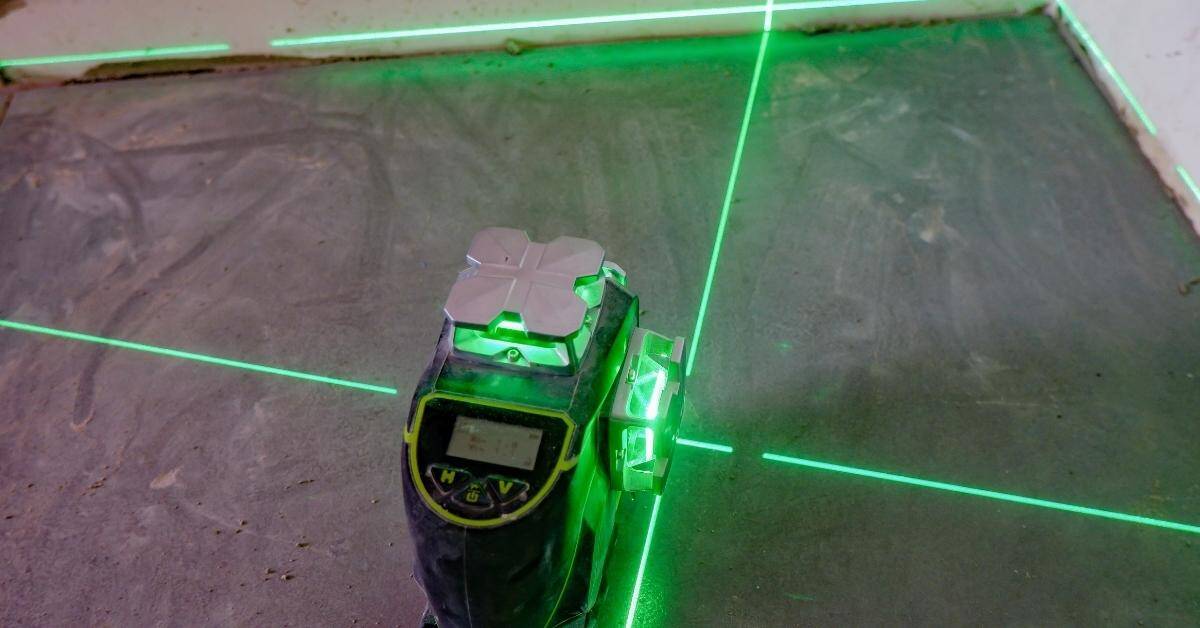
Cross-line laser levels are a handy tool for anyone looking to tackle projects that require precise alignment. These devices project both horizontal and vertical lines, forming a cross on the wall. They’re perfect for tasks like hanging shelves, aligning tiles, or installing cabinets. If you’re doing any work that needs straight lines, a cross-line laser level is your go-to tool.
When using a cross-line laser level, the first thing to do is ensure the device is level. Most models come with a self-leveling feature, but it’s always a good idea to double-check. Place it on a stable surface or use a tripod for the best results. Remember, even a slight tilt can throw off your entire project. Also, be mindful of the laser’s range. If you’re working in a large room, make sure the laser can reach the farthest point.
These tools shine in indoor environments. Don’t waste time trying to use them outside on a sunny day; the laser won’t be visible. If you must work outdoors, wait for overcast conditions or use a laser detector. Cross-line laser levels are a great investment for any DIY enthusiast, offering precision and ease of use. Just make sure to avoid cheap models that might compromise accuracy. Always opt for a trusted brand to ensure your lines are spot-on.
Rotary Laser Levels
Rotary laser levels are the workhorses of the leveling world. They project a 360-degree horizontal or vertical plane across a job site, making them perfect for large-scale projects. If you’re tackling anything from grading a yard to installing drop ceilings, this is the tool you need. These levels are self-leveling, which means they automatically adjust to ensure accuracy. Just set it up on a tripod, turn it on, and let it do the work.
Before you start, make sure you check base compaction and ensure your tripod is stable. A wobbly setup can ruin your whole project. Rotary laser levels are great for outdoor use, even in bright sunlight, thanks to their high visibility. Some models come with a remote control, so you can adjust settings without leaving your spot. This is especially handy when you’re working alone.
Don’t skimp on quality. A cheap rotary laser might save you money upfront but can cost you dearly in errors and frustration. Look for features like a long battery life and a durable, weather-resistant design. Remember, the right tool makes all the difference in getting the job done right the first time.
Dot Laser Levels
Dot laser levels are handy tools for anyone looking to tackle home improvement projects with precision. They project a series of dots onto surfaces, making them perfect for aligning objects across different planes. If you’re hanging pictures or installing shelves, a dot laser level can save you a lot of time and effort. Just set it up, and you’ll have a reliable reference point to work from.
One of the main advantages of dot laser levels is their simplicity and ease of use. You don’t need to be a professional to get good results. These levels are typically compact and lightweight, making them easy to carry around. Plus, they work well both indoors and outdoors, provided you have a clear line of sight. Just remember, they’re best for short distances. If you’re working on a larger project, you might need something with a bit more reach.
When choosing a dot laser level, make sure to check the visibility range and battery life. You don’t want to be halfway through a job and have your tool die on you. Also, look for models with self-leveling capabilities. This feature ensures your lines are accurate, even if the surface isn’t perfectly flat. Avoid cheap models that lack this feature; they can lead to costly mistakes down the line.
Accuracy and Range of Laser Levels
Accuracy in laser levels refers to the precision with which these tools can measure and project lines or points. Different types of laser levels, such as line, rotary, and dot, offer varying ranges and measurement tolerances. Environmental factors, like temperature and humidity, can also impact their performance, making it crucial to choose the right type for your specific needs.
Understanding the accuracy and range of laser levels compared to traditional water levels can help you make informed decisions on the jobsite. Laser levels provide enhanced precision and versatility, which are vital for complex projects. Key features to look for include self-leveling capabilities and a robust range, ensuring your projects are completed with optimal accuracy.
Range Considerations
When choosing a laser level, the range is a big deal. It tells you how far the laser can project a line and still be accurate. If you’re working in a small room, a laser with a short range might be fine. But for larger spaces or outdoor projects, you’ll need a laser with a longer range. Always check the range before buying to make sure it fits your project needs.
Don’t get caught up in buying the longest range just because it sounds impressive. Think about where you’ll actually use it. For indoor projects, a range of 30 to 50 feet is often enough. For outdoor work, especially in bright conditions, you might need a laser level with a range of 100 feet or more. Remember, longer range often means higher cost, so don’t pay for more than you need.
Also, consider the environment. Outdoor conditions can affect the laser’s visibility and accuracy. Bright sunlight can wash out the laser line, making it hard to see. In such cases, a laser detector might be necessary. Plan for the environment where you’ll be working to avoid surprises.
Pros and Cons of Water Levels
Water levels are simple yet effective tools used for leveling tasks, consisting of a clear tube filled with water that allows users to determine level points by observing the water’s surface. They offer several advantages, such as being cost-effective, easy to use, and highly accurate over long distances. However, they also have drawbacks, including susceptibility to human error, being time-consuming, and facing limitations in certain environments.
For DIY enthusiasts and jobsite workers, understanding when to use a water level versus a laser level can be crucial. Water levels are particularly beneficial in scenarios where budget constraints exist or when working over large areas where laser levels may fall short. Additionally, water levels typically require less maintenance and are more durable compared to their electronic counterparts, making them a reliable choice for many tasks.
Advantages of Water Levels
Water levels are a simple and effective tool for leveling tasks. They’re incredibly easy to use, making them perfect for DIY projects. You don’t need any fancy gadgets or complicated instructions. Just fill the tube with water, and you’re ready to go. This simplicity means fewer mistakes, which is crucial when you’re trying to get things right the first time.
Another big plus is the cost-effectiveness of water levels. Unlike laser levels or other high-tech equipment, water levels are cheap. You can often make one yourself with materials you already have. This makes them a great choice if you’re working on a budget but still want accurate results.
Water levels are also incredibly versatile. They work in any lighting condition and don’t require a power source. Whether you’re working indoors or outdoors, day or night, a water level will get the job done. Just make sure to check for air bubbles in the tube, as they can throw off your readings.
Disadvantages of Water Levels
Water levels can be tricky to use, especially if you’re working alone. They require a second person to hold one end, which can be a hassle if you’re trying to tackle a project solo. If you’re set on using one, make sure you have a helper lined up.
Another issue is that water levels can be unreliable in windy conditions. The water in the tube can slosh around, making it hard to get an accurate reading. If it’s a breezy day, you might want to reconsider using a water level or wait for calmer weather.
Temperature changes can also mess with your readings. If the water in the tube heats up, it can expand and throw off your measurements. Keep an eye on the weather and try to use the water level when temperatures are stable to avoid any surprises.
Pros and Cons of Laser Levels
Laser levels are essential tools in many DIY and construction projects, offering a modern alternative to traditional leveling methods. They provide precise alignment and are user-friendly, saving time and effort in various applications. However, users should be aware of potential drawbacks such as higher costs and the need for batteries, as well as visibility challenges in bright environments.
Understanding the pros and cons of laser levels is crucial for anyone involved in DIY or professional construction work. These tools can significantly enhance project accuracy and efficiency, especially when compared to traditional water levels. Knowing when and how to use laser levels effectively can lead to better project outcomes and a smoother workflow on the job site.
Advantages of Laser Levels
Laser levels are a game-changer for anyone tackling a DIY project. They offer unmatched precision, ensuring your lines are straight and true, which is crucial when you’re hanging shelves or installing tiles. Forget about the guesswork with traditional bubble levels; lasers give you a clear, visible line to follow, reducing errors and saving time.
Another big plus is the ease of use. You don’t need to be a pro to set up a laser level. Most models are user-friendly and come with simple instructions. Just set it on a flat surface, turn it on, and you’re good to go. This simplicity means you can focus on the task at hand without fiddling with complicated tools.
Laser levels are also versatile. They work indoors and outdoors, making them perfect for a variety of projects. Whether you’re aligning fence posts or ensuring your picture frames are level, a laser level is a reliable tool. Just remember, always secure your laser level properly to avoid any mishaps.
Disadvantages of Laser Levels
Laser levels can be a bit pricey, especially for high-end models. If you’re only using it for a one-time project, the cost might not justify the purchase. Consider renting one instead if you’re not planning to use it regularly. Also, remember that cheaper models might lack accuracy, which could mess up your project.
These tools can also be complex to set up and use, particularly for beginners. If you’re not tech-savvy, you might find yourself frustrated. Spend time reading the manual or watching tutorials to get the hang of it. Don’t skip this step; incorrect setup can lead to inaccurate measurements.
Another thing to watch out for is visibility. Laser beams can be hard to see in bright sunlight, which limits outdoor use. You might need to invest in laser enhancement glasses or wait for overcast days to get the best results. Plan your work schedule accordingly to avoid unnecessary headaches.
Best Uses for Water Levels and Laser Levels
When deciding between water levels and laser levels for your project, it’s essential to consider their unique functionalities and ideal applications. Water levels are simple yet effective tools, perfect for DIY enthusiasts tackling smaller projects where precision over long distances isn’t crucial. On the other hand, laser levels offer advanced accuracy and are best suited for larger or more complex tasks where precise alignment is necessary.
Understanding the differences in accuracy, ease of use, and cost between these tools can greatly influence your choice. Laser levels generally provide higher precision but come at a higher price point, while water levels are more budget-friendly and accessible. Environmental conditions and project scale also play a role in selecting the right tool, as well as ensuring safety when operating either type of level. By weighing these factors, you can make an informed decision that enhances your project’s success and efficiency.
Ideal Projects for Water Levels
Water levels are your best friend when you’re working on projects that require leveling over long distances. If you’re building a retaining wall or setting fence posts, a water level can help ensure everything lines up perfectly. Unlike laser levels, water levels don’t rely on batteries or electronics, so they’re great for outdoor projects where power sources might be limited.
When installing a new patio or deck, use a water level to check base compaction and ensure your foundation is even. This is crucial for preventing future sagging or uneven surfaces. It’s simple: fill the tube with water, and the water will naturally find its level, showing you exactly where adjustments are needed.
Water levels are also ideal for larger landscaping projects. If you’re grading a large yard or creating a slope for drainage, a water level can help you maintain a consistent grade. Remember, precision is key here. A slight error can lead to water pooling or erosion problems down the line.
Ideal Projects for Laser Levels
Laser levels are your go-to tool when precision is non-negotiable. If you’re installing cabinets, hanging shelves, or laying tile, a laser level ensures everything is perfectly aligned. Unlike traditional levels, laser levels project a straight line across your workspace, making it easier to maintain a consistent level over longer distances. This is crucial for projects where even a slight deviation can lead to noticeable flaws.
When working on outdoor projects like building a deck or setting up a fence, laser levels are invaluable. They help you maintain a straight line across uneven terrain, which is something a standard level just can’t handle. For these tasks, make sure to check base compaction and ensure your laser is securely mounted to avoid errors caused by movement.
Don’t underestimate the power of a laser level for ceiling work, either. Whether you’re installing recessed lighting or creating a coffered ceiling, a laser level can project a line across the entire room, saving you from the hassle of measuring and marking multiple points. Remember, a laser level is only as good as its setup, so take the time to calibrate it properly before starting any project.
Cost Analysis: Water Levels Vs. Laser Levels
When comparing water levels and laser levels, the initial purchase costs can vary significantly. Water levels are generally more affordable upfront, while laser levels, especially advanced models, tend to be pricier. However, the ongoing maintenance expenses, such as battery replacements for laser levels, can influence long-term costs.
Understanding the cost implications of each type of level is crucial for both DIY enthusiasts and professionals. Laser levels may offer better precision and efficiency for complex projects, potentially justifying their higher price. Meanwhile, water levels might be more cost-effective for simpler tasks, offering durability with minimal maintenance. Evaluating these factors helps determine the best tool for your specific needs and budget.
Maintenance and Longevity
When it comes to maintenance, water levels are simple. They have no moving parts or electronics, so there’s not much that can go wrong. Just keep them clean and make sure there’s no debris in the tube. Store them properly to avoid kinks or cracks. With basic care, a water level can last for years without any issues.
Laser levels, on the other hand, require a bit more attention. You need to keep them clean and dry, especially the lenses and laser components. Regularly check and replace batteries to ensure consistent performance. Also, handle them with care to avoid damaging the delicate electronics. When well-maintained, laser levels can have a long lifespan, but neglect can shorten it significantly.
Deciding between the two depends on your needs. If you want low maintenance and durability, a water level is hard to beat. But if precision and speed are your priorities, invest in a laser level and be prepared to give it the care it needs.
Safety Considerations for Laser Levels
When using laser levels, prioritizing safety is crucial to prevent accidents and injuries. Always wear appropriate eye protection to shield your eyes from potential retinal damage caused by laser exposure. Ensure the device is securely mounted to prevent it from falling or shifting unexpectedly, which could lead to injury.
Understanding the specific class of laser and adhering to its safety guidelines can significantly enhance jobsite safety. Keeping the work area free of obstructions and reflective surfaces helps avoid unpredictable redirections of the laser beam. Regular inspections for damage and proper storage practices ensure the laser level remains safe and functional, offering peace of mind for both DIY enthusiasts and professionals alike.
Eye Safety
When using laser levels, protecting your eyes should be a top priority. These tools emit powerful beams that can cause serious eye damage. Always wear laser safety glasses designed for the specific wavelength of your laser. Regular sunglasses won’t cut it; they don’t block the laser light effectively.
Never look directly into the laser beam. It might seem obvious, but accidents happen when you’re not paying attention. If you’re working with others, make sure everyone is aware of the laser’s direction. It’s easy to forget, especially if you’re moving around a lot.
Check your surroundings. Reflective surfaces can bounce the laser beam in unexpected directions. This includes mirrors, glass, and even shiny metal. Keep an eye out for these hazards and adjust your setup if necessary. A little caution goes a long way in keeping your eyes safe.
Safe Handling Practices
Always start by checking your laser level for any visible damage. If it looks like it’s taken a beating, don’t use it until it’s been inspected or repaired. A damaged laser can give inaccurate readings or even be dangerous. Before you switch it on, make sure the area is clear of any reflective surfaces that might bounce the laser beam in unintended directions.
When setting up your laser level, ensure it’s on a stable surface. A wobbly setup is a recipe for disaster. Use a tripod if you have one, and double-check that everything is locked in place. If you’re working on uneven ground, take the time to check base compaction and adjust the legs accordingly. This isn’t just about getting a straight line; it’s about keeping the tool from toppling over.
Never look directly into the laser beam. It might sound like common sense, but you’d be surprised how often people forget. The laser can cause serious eye damage. If you’re working with others, make sure everyone knows where the beam is projected and that no one is in its path. Keep the laser level out of reach of children and anyone who isn’t trained to use it properly.
Common Mistakes and How to Avoid Them
Leveling tools are essential for achieving precise results in various projects, but common mistakes can hinder their effectiveness. Users often face issues such as incorrect positioning and air bubbles with water levels, as well as calibration and battery problems with laser levels. Understanding these frequent errors and knowing how to address them can significantly improve accuracy.
Proper maintenance and choosing the right tool for the job are crucial for both water and laser levels. By maintaining your tools and understanding specific project requirements, you ensure their longevity and effectiveness. For beginners, practicing with these tools can build confidence and enhance skill, leading to better project outcomes.
Mistakes with Laser Levels
Avoid these common mistakes when using laser levels to ensure your projects are accurate and hassle-free.
- Not Calibrating Skipping calibration can lead to inaccurate lines. Always check and adjust your laser level before starting.
- Ignoring Battery Life A dead battery can stop your project in its tracks. Keep spare batteries handy and check the charge before use.
- Improper Setup Setting up on uneven surfaces can throw off your measurements. Use a stable, level surface for accurate results.
- Overlooking Safety Direct exposure to laser beams can harm your eyes. Always wear safety goggles and avoid looking directly at the laser.
- Wrong Tool for the Job Using the wrong type of laser level can lead to poor results. Choose the right one for your specific task.
Double-check these points to keep your projects on track and avoid unnecessary headaches.
Planning and Preparation Tips
Choosing the right leveling tool is crucial for the success of any project, whether you’re using a water level or a laser level. Understanding the basic setup requirements for each tool can help streamline your preparation process. From gathering the necessary materials for a water level to calibrating a laser level, each step plays a vital role in ensuring accuracy and reliability.
Proper planning and preparation can significantly impact the efficiency and safety of your project. By following best practices and avoiding common mistakes, you can enhance the precision of your measurements. This not only saves time but also reduces the risk of errors, making your work more professional and dependable.
Preparing Your Workspace for Leveling Success
Before diving into your leveling project, setting up your workspace properly is crucial. Whether you’re using a water level or a laser level, a well-prepared area can make all the difference in achieving accurate results. Follow these tips to ensure your project starts on the right foot.
- Clear the Area: Remove any obstacles or debris that could interfere with your leveling tool’s accuracy. A clean workspace minimizes errors and makes it easier to move around.
- Check Surface Stability: Ensure the ground or surface you’re working on is stable and compact. This prevents your tools from shifting and ensures consistent measurements.
- Gather Necessary Tools: Have all your tools and materials ready before you start. This includes tripods for laser levels and extra tubing for water levels.
- Plan for Lighting Conditions: For laser levels, consider the lighting in your workspace. Bright sunlight can wash out laser lines, so plan to work during overcast conditions or use laser enhancement glasses.
- Test Your Tools: Before starting, test your leveling tools to ensure they are functioning correctly. Check for air bubbles in water levels and calibrate laser levels as needed.
- Safety First: Always wear appropriate eye protection when using laser levels. Ensure everyone in the area is aware of the laser’s path to avoid accidental exposure.
Setting Up for Success
Proper setup is half the battle in achieving accurate leveling. Take the time to align your tools correctly and double-check their stability. This attention to detail can save you from costly mistakes and ensure your project runs smoothly from start to finish.
Exploring Advanced Features of Laser Levels for Enhanced Precision
Modern laser levels come packed with advanced features that can significantly improve your project’s accuracy and efficiency. These features are not just bells and whistles; they offer real benefits that can make your work easier and more precise. Understanding and utilizing these features can elevate your DIY or professional projects to a new level.
- Self-Leveling Mechanism: This feature automatically adjusts the laser to ensure it’s perfectly level, saving you time and reducing human error. Make sure to set it on a stable surface for best results.
- Bluetooth Connectivity: Some models allow you to connect your laser level to a smartphone app, enabling remote control and real-time adjustments. This is particularly useful on large sites where moving back and forth is time-consuming.
- 360-Degree Projection: This feature projects a continuous line around the room, ideal for tasks like installing drop ceilings or aligning multiple elements at once. Ensure your laser is centrally placed for optimal coverage.
- Multiple Beam Modes: Switch between horizontal, vertical, and cross-line modes depending on your project needs. This versatility can streamline your workflow and improve precision.
- Laser Detectors: These extend the range of your laser level, especially in bright outdoor conditions where the beam might be hard to see. Pair them with your laser level for accurate long-distance measurements.
- Rechargeable Batteries: Opt for models with rechargeable batteries to save on long-term costs and avoid project delays due to dead batteries.
- Weather-Resistant Design: If you frequently work outdoors, choose a laser level with a durable, weather-resistant casing to withstand the elements and extend the tool’s lifespan.
Maximizing the Use of Advanced Features
To get the most out of these advanced features, familiarize yourself with the user manual and practice using the tool in a controlled environment. This will help you understand the capabilities and limitations of each feature, ensuring you’re prepared when it’s time to tackle your next big project.
Knowing When to Call a Professional for Your Project
DIY projects can be rewarding, but knowing your limits is crucial. Some tasks require professional expertise to ensure safety and quality. If you’re unsure about a project’s complexity or potential risks, it might be time to call in the pros. Here’s when you should consider getting professional help:
- Structural Changes: If your project involves altering load-bearing walls or major structural elements, a professional is essential to avoid compromising your home’s integrity.
- Electrical Work: Anything beyond basic wiring or fixture changes should be handled by a licensed electrician to prevent fire hazards and ensure compliance with local codes.
- Plumbing Overhauls: Major plumbing tasks, like moving pipes or installing new systems, require a plumber to avoid leaks and water damage.
- Complex Leveling: If you’re struggling with advanced leveling tasks, especially over large areas or uneven terrain, a professional can ensure precision and prevent costly mistakes.
- Permits and Regulations: Projects that require permits or adherence to strict building codes should be managed by someone familiar with legal requirements.
- Time Constraints: If you’re on a tight deadline, professionals can often complete tasks faster and more efficiently, saving you stress and potential overtime costs.
- Specialized Tools: If a project requires expensive or specialized equipment that you don’t have, hiring a pro might be more cost-effective than buying or renting tools.
Safety Concerns
Safety should always come first. If a project poses significant risks, such as working at heights or handling hazardous materials, it’s best to leave it to those with the right training and equipment. Professionals are equipped to manage these dangers effectively.

Conclusion
When it comes to choosing between water levels and laser levels, it boils down to your specific needs and budget. Water levels are simple, cheap, and effective for small projects. They’re great if you’re working with a tight budget and don’t mind a bit of manual effort. But remember, they can be tricky to use over long distances and aren’t ideal for precision work.
Laser levels, on the other hand, offer precision and ease of use, especially for larger projects. They’re a bit more expensive but can save you time and hassle in the long run. Just be cautious with safety; never look directly into the laser, and ensure you’re using the right type for your project. They’re a solid investment if you plan on doing more complex work in the future.
In the end, the choice is yours. Weigh the pros and cons, consider your project needs, and pick the tool that fits best. Avoid cutting corners; a little planning and the right tool can make all the difference in the quality of your work.
FAQ
What’s the main difference between water levels and laser levels?
Water levels use a tube filled with water to find level points, while laser levels project a straight line using a laser beam. Water levels are simple and cheap, but laser levels are quicker and more precise.
Are laser levels worth the extra cost?
If you’re doing a lot of projects or need high accuracy, a laser level is worth it. They save time and reduce errors, which can save money in the long run.
Can I use a water level for outdoor projects?
Yes, but it can be tricky. Wind and uneven surfaces can make it hard to get an accurate reading. Laser levels are generally better for outdoor use.
Do laser levels require maintenance?
Not much, but keep them clean and store them properly. Check the calibration occasionally to ensure accuracy.
Is it hard to learn how to use a laser level?
No, most laser levels are user-friendly. Read the manual and practice a bit, and you’ll get the hang of it quickly.