Crafting with Concrete

All things about crafting with concrete. Concrete is a versatile material that can be used in many different ways.

Close-up of textured white gypsum plaster surface

Plaster Drying vs Curing: Why Waiting Longer Can Prevent Paint Failure

Introduction Plaster drying is the loss of surface moisture while curing is the chemical hardening process that gives plaster strength; both happen but on different timelines. In plain jobsite terms, the surface can look dry long before the gypsum or cement bond fully sets, so painting too soon risks adhesion problems. Check product labels and […]

Plaster Drying vs Curing: Why Waiting Longer Can Prevent Paint Failure Read More »
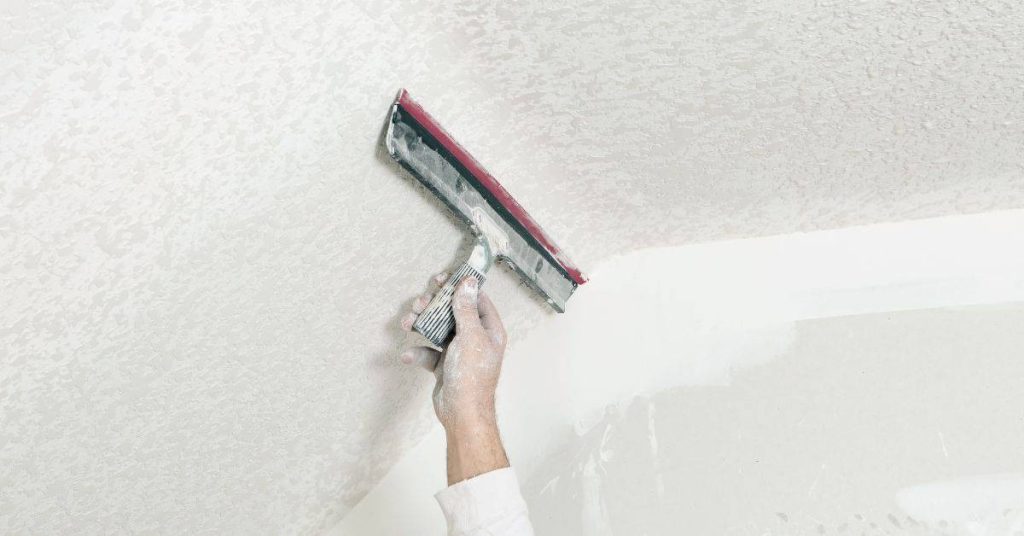
Hand applying plaster to textured wall with metal trowel

Tadelakt Soap Application: How to Maintain Water Resistance Without Streaks

Introduction Tadelakt soap application is the manual rubbing of a fatty soap into cured lime-based plaster to create and maintain a water-resistant, burnished surface. It’s a hands-on finish: you’ll work small areas, rub until the surface feels slick, and then buff to a sheen while avoiding run streaks. Check the soap product label and manufacturer

Tadelakt Soap Application: How to Maintain Water Resistance Without Streaks Read More »

Hand smoothing plaster on wall with trowel

Polished Lime Plaster in Wet Areas: What ‘Waterproof’ Really Means and Safe Details

Introduction Polished lime plaster in wet areas is not automatically waterproof; it’s a breathable finish that can resist splashes when detailed and sealed correctly. In practice that means treating the wall system—substrate, cement backer, membranes, and sealers—as a complete assembly rather than relying on the lime plaster alone. Check product labels and manufacturer instructions for

Polished Lime Plaster in Wet Areas: What ‘Waterproof’ Really Means and Safe Details Read More »

Gloves paintbrushes putty knives and level covered in plaster dust