Render / Stucco

Render / Stucco covers exterior cement-based finishes that protect walls and make them look good for years.

I write about substrate prep, lath and base coats, mixing, application techniques, control joints, curing, waterproofing details, and patch repairs. You’ll also see guides on diagnosing problems like cracking, hollow spots, moisture damage, and delamination.

If you’re working on an exterior wall finish, start here—prep and detailing matter more than people think.

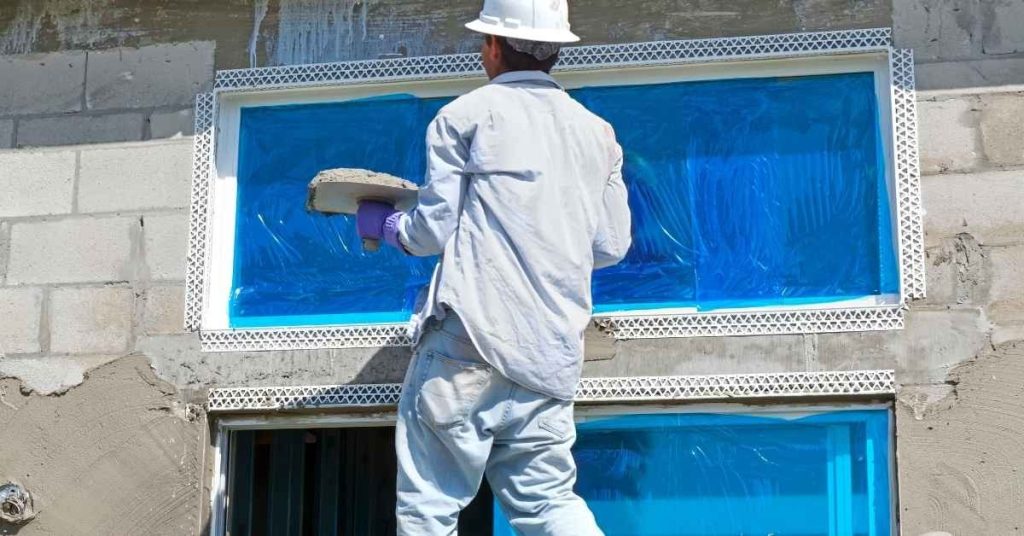
Worker applying stucco around window frames on building exterior

Stucco at Window Sills: Drip Edges, End Dams & Timeline for Installation

Introduction Installing stucco window sills with drip edges and end dams is a crucial step in waterproofing your home’s exterior. But how long does this process take? Let’s break down the timeline so you can plan your DIY project effectively. Whether you’re a seasoned DIYer or a first-timer, understanding the duration of each step will […]

Stucco at Window Sills: Drip Edges, End Dams & Timeline for Installation Read More »
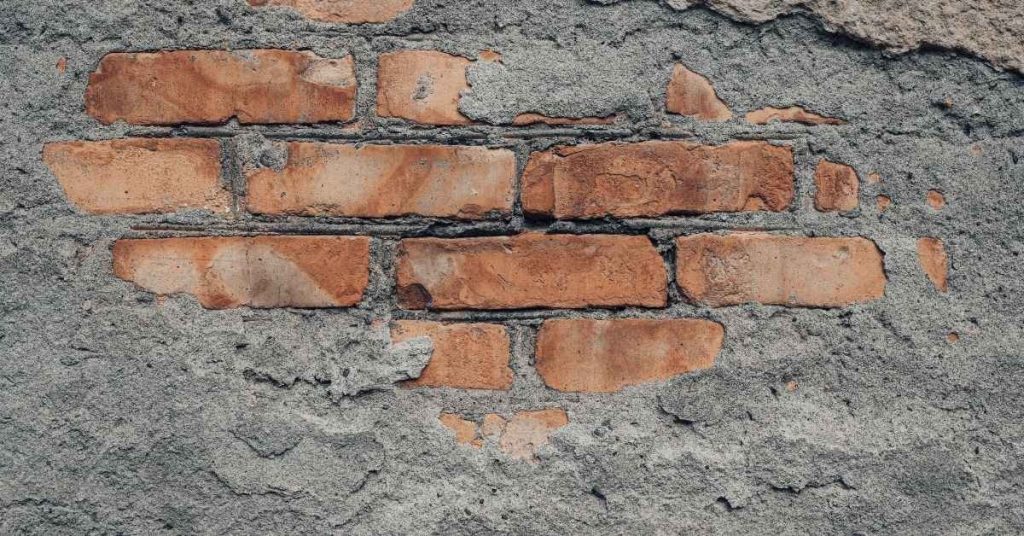
Partially covered brick wall with stucco and exposed bricks

Stucco Termination at Brick or Stone: A Step-by-Step Timeline for DIY Success

Introduction The transition from stucco to brick or stone is a critical detail in any construction project, but it doesn’t have to be time-consuming. With the right planning and execution, you can complete this task efficiently. In this guide, we’ll break down the process into manageable steps, focusing on the timeline to help you understand

Stucco Termination at Brick or Stone: A Step-by-Step Timeline for DIY Success Read More »

Hands wearing gloves applying stucco with trowel on wall

Stucco at Roof Parapets: Coping, Drips, and How to Stop Water From Getting Behind

Introduction Stucco at roof parapets is the exterior finish where the wall meets the top of a low roof and needs proper coping and drip details to keep water from getting behind the finish. Do a hands-on inspection for gaps, cracked stucco, or missing backer and check product labels and local rules for flashing, sealants,

Stucco at Roof Parapets: Coping, Drips, and How to Stop Water From Getting Behind Read More »

Closeup of a large crack in white stucco wall

Mounting Solar Cable Clips on Stucco: Fasteners, Sealants, and Crack Prevention

Introduction Mounting solar cable clips on stucco means choosing the right fastener and sealant so the clips hold securely without cracking the finish. Think like a tradesman: use fasteners and anchors rated for masonry and a compatible exterior sealant, and check product labels and local rules for load and weather guidance. Take the time to

Mounting Solar Cable Clips on Stucco: Fasteners, Sealants, and Crack Prevention Read More »

Hands removing electrical wire from wall outlet box

Stucco Penetrations for Electrical Conduit: Sleeve Details That Stay Dry

Introduction Stucco penetrations for electrical conduit are the sleeve and sealing details that keep water out where the conduit passes through the stucco wall. In practice that means a rigid sleeve or short piece of conduit, a backing, and a proper sealant or flashing so water sheds away from the opening; check product labels and

Stucco Penetrations for Electrical Conduit: Sleeve Details That Stay Dry Read More »

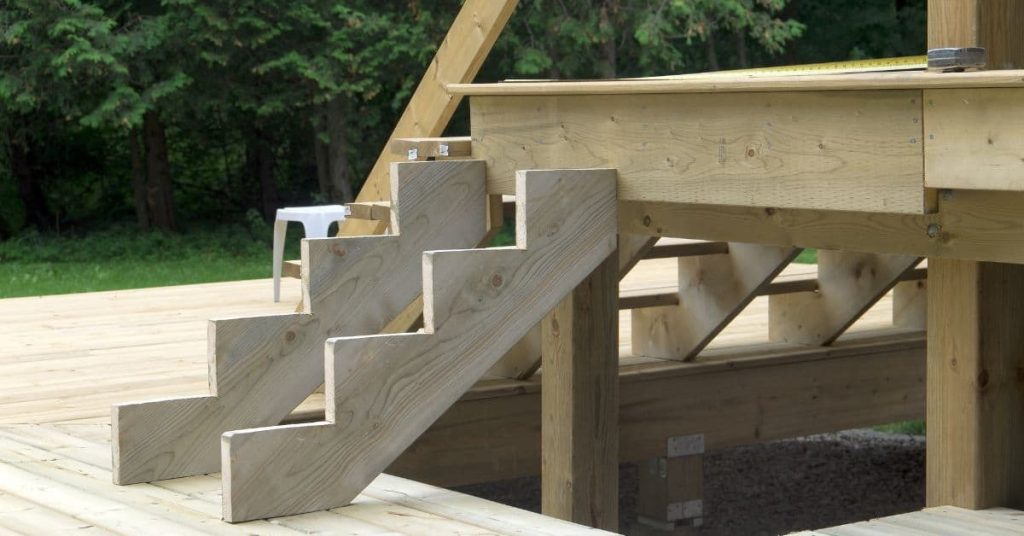
Wooden stair stringers attached to deck framing outdoors

Deck Ledger Through Stucco: Retrofit Flashing Strategy That Preserves Drainage

Introduction Deck ledger through stucco means installing the ledger board and flashing so water shed from the deck doesn’t get behind the stucco; it’s a retrofit move to tie the ledger into the house while preserving the wall’s drainage plane. This usually involves removing a section of stucco and lath to access the sheathing or

Deck Ledger Through Stucco: Retrofit Flashing Strategy That Preserves Drainage Read More »

Slate roof with metal flashing at roof-to-wall joint

Stucco Around Roof-to-Wall Kickout Flashing: Fixing the Most Common Leak Detail

Introduction Stucco around roof-to-wall kickout flashing is the detail where the siding meets the roof and the flashing diverts water away from the wall; fixing it means making sure the flashing, substrate, and stucco meet cleanly so water can’t get behind the finish. This is a hands-on job that usually involves removing a bit of

Stucco Around Roof-to-Wall Kickout Flashing: Fixing the Most Common Leak Detail Read More »

Worker smoothing stucco on wall with hawk tool

Removing Loose Stucco Safely: Dust Control, Cut Lines, and How to Protect the WRB

Introduction Removing loose stucco safely means knocking out and replacing only the failing material while keeping dust off you and your house and protecting the weather-resistive barrier behind it. Start by finding the delaminated areas with a tap test and visual checks, then plan cuts and containment before you touch the wall. Use dust control

Removing Loose Stucco Safely: Dust Control, Cut Lines, and How to Protect the WRB Read More »

Damaged stucco with blue reinforcing mesh exposed

Repairing Stucco Soffits: Gravity, Fasteners, and Crack-Resistant Mesh Layout

Introduction Repairing stucco soffits means fixing the underside of eaves where stucco has cracked, sagged, or pulled away using proper support, fasteners, and mesh so the repair resists gravity and future movement. Start by assessing the damage and plan how gravity fasteners and mesh will transfer loads back to solid framing; check product labels and

Repairing Stucco Soffits: Gravity, Fasteners, and Crack-Resistant Mesh Layout Read More »