Plaster

Plaster is for cement-based and traditional plastering projects where a smooth or durable surface is the goal.

You’ll find guides on surface prep, bonding, scratch/brown/finish coats, patching, corner details, sanding and finishing, and how to avoid common issues like cracking, poor adhesion, and uneven texture.

If your project is “make this wall look right again,” this is the category to start with.

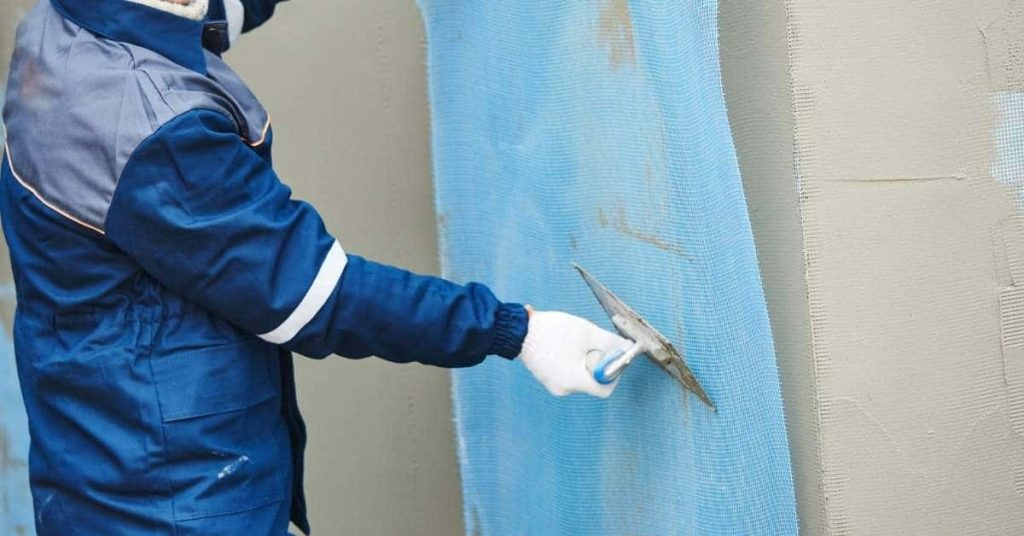
Worker applying plaster over blue reinforcing mesh on wall

Reinforcing Plaster at Material Transitions: A Step-by-Step Timeline to Avoid Telegraphing

Introduction Embarking on a DIY plaster reinforcement project? Understanding the timeline is crucial for successful results. Reinforcing plaster at material transitions involves careful planning and execution, with each step building upon the last. To avoid common mistakes and ensure your finished surfaces don’t telegraph through, follow this comprehensive step-by-step timeline tailored to your specific transition […]

Reinforcing Plaster at Material Transitions: A Step-by-Step Timeline to Avoid Telegraphing Read More »

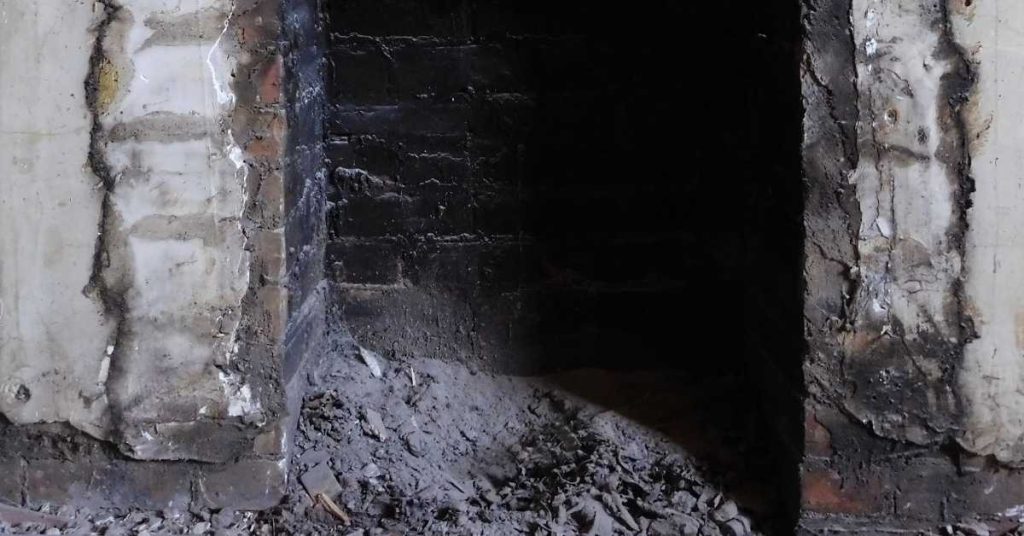
Inner brick fireplace with crumbling plaster on sides

Plaster Delamination ‘Bubbles’: Timeline for Reattachment Without Big Tear-Out

Introduction The timeline of fixing plaster delamination ‘bubbles’ is crucial to minimize damage and maintain your home’s structural integrity. Understanding the duration of each step helps you plan effectively. From initial assessment to final touch-ups, this guide walks you through the process, ensuring you allocate sufficient time for each task. For the full guide, see

Plaster Delamination ‘Bubbles’: Timeline for Reattachment Without Big Tear-Out Read More »

Plasterer smoothing white plaster on wall wearing helmet and mask

Salt Deposits on Masonry Plaster: Diagnose Efflorescence and Repair Safely

Introduction White deposits on masonry plaster usually mean water has dissolved and carried salts to an evaporation surface. The deposit itself does not prove that the plaster has failed or that the masonry is spalling. First identify the moisture path, then determine whether the problem is limited to removable surface efflorescence or includes detached plaster

Salt Deposits on Masonry Plaster: Diagnose Efflorescence and Repair Safely Read More »