Informative

Informative is where I post general notes and observations from working with concrete and cement-based materials.

These aren’t always step-by-step tutorials. They’re more like field notes: what’s changing in materials, what works in practice, and how to think about common problems before they happen.

If you like the “why” behind the how-to guides, you’ll probably enjoy this section.

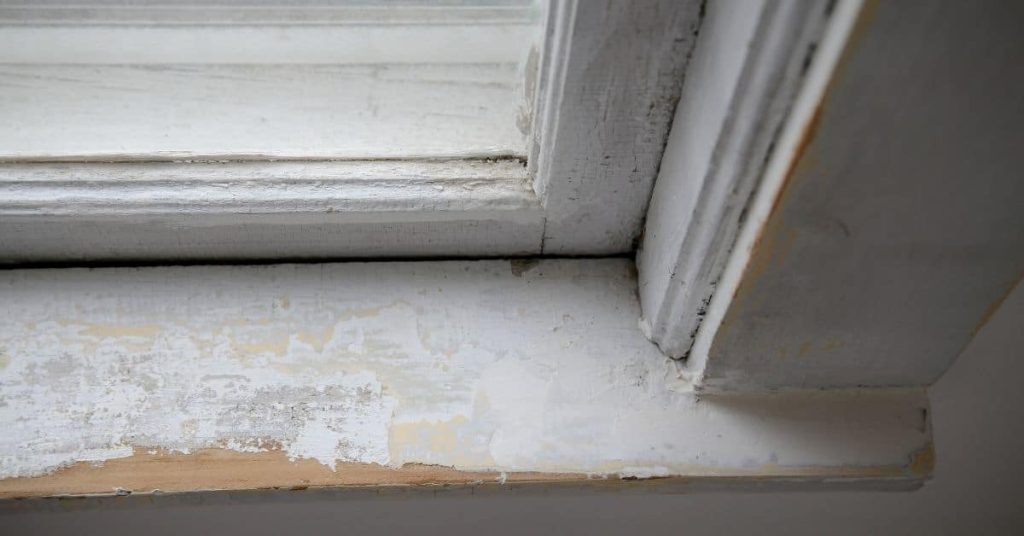
Close-up of window sill with peeling white paint

Clear Coats Over Paint: When they help and when they cause peeling

Introduction A clear coat over paint is a transparent top layer that protects and seals the surface. It can help durability when applied with proper surface prep, but it can cause peeling if the paint isn’t ready or the film is incompatible. Check for good adhesion, a clean, dry surface, and a compatible product before […]

Clear Coats Over Paint: When they help and when they cause peeling Read More »
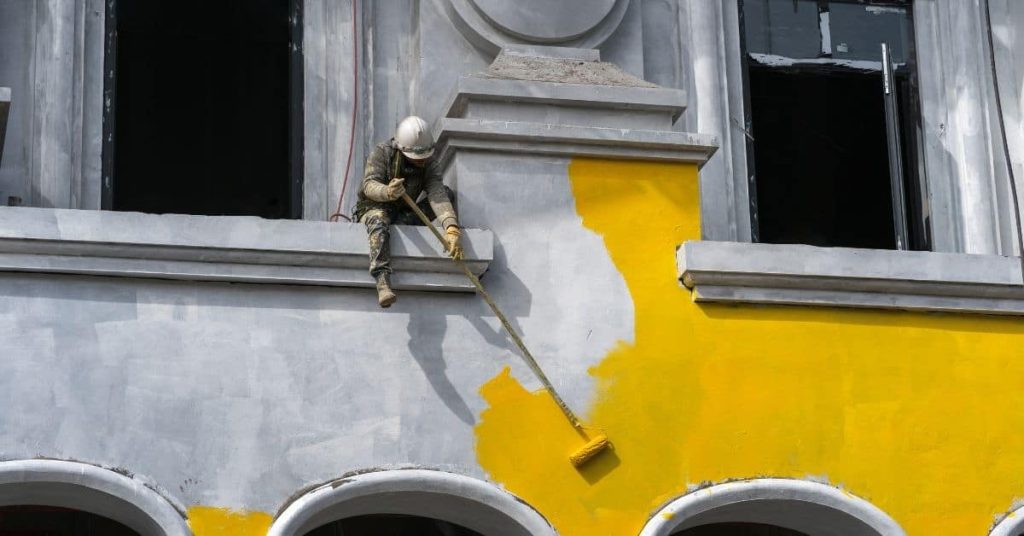
Worker painting exterior building wall yellow with roller

Exterior Paint Blistering: Diagnosing sun heat vs trapped moisture

Introduction Exterior paint blistering is when the film lifts and forms bubbles on the surface. It’s usually caused by sun heat drying the coating too fast or by moisture trapped behind the paint. Knowing which condition is at work guides your next steps. To diagnose, inspect blistered areas in sunny spots and note if the

Exterior Paint Blistering: Diagnosing sun heat vs trapped moisture Read More »

Paintbrush resting on an open can of white paint

Brush Drag and Pulling Paint: Why it happens and how to improve flow

Introduction Brush drag and pulling paint happen when the brush edge catches and drags on the surface, causing uneven flow. It’s usually caused by a combination of stiff paint, a too-dry brush, and rough or improper surface prep. Understanding these cues helps you adjust your approach on the job. To improve flow, load the brush

Brush Drag and Pulling Paint: Why it happens and how to improve flow Read More »

Paint roller resting on closed paint can with tray beside