Informative

Informative is where I post general notes and observations from working with concrete and cement-based materials.

These aren’t always step-by-step tutorials. They’re more like field notes: what’s changing in materials, what works in practice, and how to think about common problems before they happen.

If you like the “why” behind the how-to guides, you’ll probably enjoy this section.

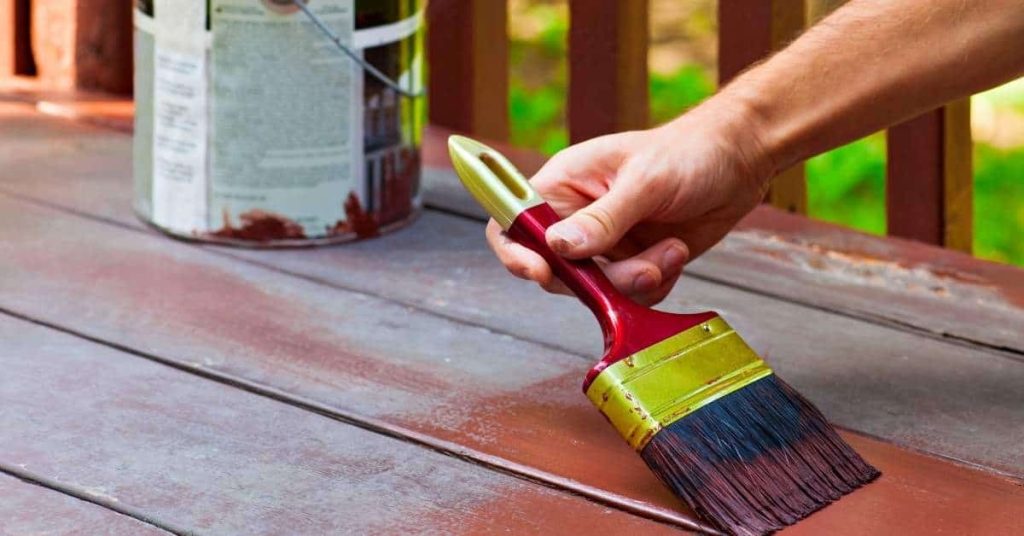
Hand painting wooden deck with red paint and brush

How to Paint When Nights Are Cold: Dew, Condensation, and Why Morning Painting Sometimes Fails

Introduction Cold nights create dew and condensation that can sabotage paint adhesion. If you paint when surfaces are damp or the surface is cooling through the night, you risk cloudy finishes and peeling. This article explains practical checks and timing to avoid those problems. To plan smartly, check the forecast and test surfaces for moisture […]

How to Paint When Nights Are Cold: Dew, Condensation, and Why Morning Painting Sometimes Fails Read More »

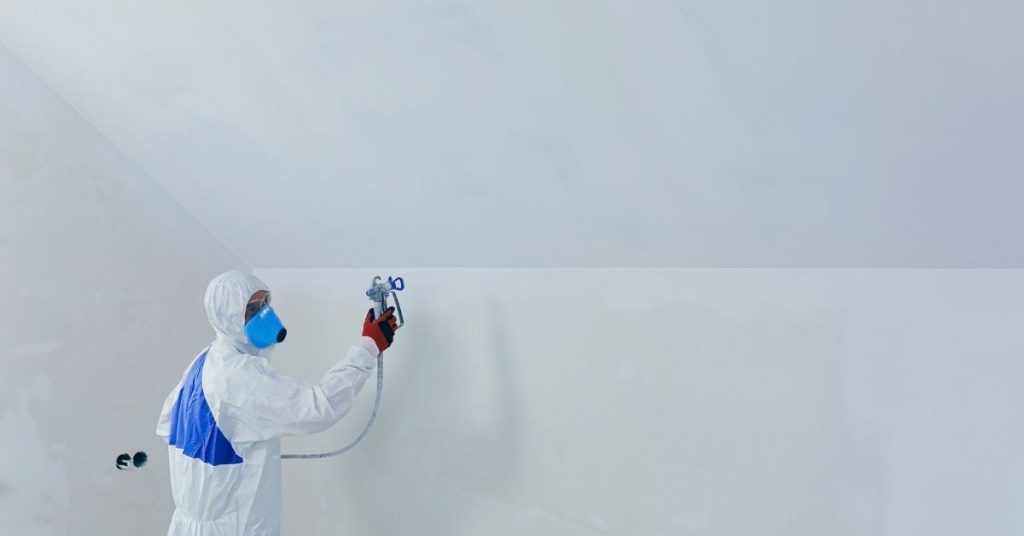
Worker spraying white paint on an indoor wall wearing protective gear

Painting Before Rain: Minimum Dry Times by Paint Type and How to Avoid Wash-Off

Introduction Painting before rain means choosing the paint and applying it so it dries before expected rain, following the type’s minimum dry time. Dry times vary by paint type and conditions, so always read the label for the minimum Dry Time. Weather, humidity, and surface prep affect it. To avoid wash-off, apply only when you

Painting Before Rain: Minimum Dry Times by Paint Type and How to Avoid Wash-Off Read More »

Aluminum ladder with paint bucket in bright empty room

Painting in a Closed Room: Ventilation Setups That Cut Odor Without Blowing Dust Into Wet Paint

Introduction Ventilation setups for painting in a closed room mean controlling airflow to reduce odor while preventing dust from landing in wet paint. Key takeaways Plan ventilation before painting; map exhaust and intake locations to avoid crossdrafts. Use filtration-first approach with HEPA and activated carbon to capture particles and odors. Isolate work area with containment

Painting in a Closed Room: Ventilation Setups That Cut Odor Without Blowing Dust Into Wet Paint Read More »