Informative

Informative is where I post general notes and observations from working with concrete and cement-based materials.

These aren’t always step-by-step tutorials. They’re more like field notes: what’s changing in materials, what works in practice, and how to think about common problems before they happen.

If you like the “why” behind the how-to guides, you’ll probably enjoy this section.

Blue ladder in room with patched and primed drywall walls

Movement Control at Material Changes: Preventing Cracks Where Walls Meet

Introduction Movement control at material changes means allowing tiny shifts where different building materials meet to prevent cracks. Key takeaways Align movement joints at material change lines to control crack paths. Use proper backing and sealant systems suited to substrate movement. Follow manufacturer guidelines and local codes for joint spacing and materials. Backer rods prevent […]

Movement Control at Material Changes: Preventing Cracks Where Walls Meet Read More »

Close-up of white plaster wall with textured surface

Matching Old Plaster Texture: Brushing, Sponging, and Feathering Tricks

Introduction This guide explains how to match old plaster texture using brushing, sponging, and feathering techniques. You’ll learn simple, hands‑on steps to blend new patches with the surrounding wall. Keep in mind the look varies with light and the original finish. Start by inspecting the current texture to guide your brush, sponge, or feathering choice.

Matching Old Plaster Texture: Brushing, Sponging, and Feathering Tricks Read More »

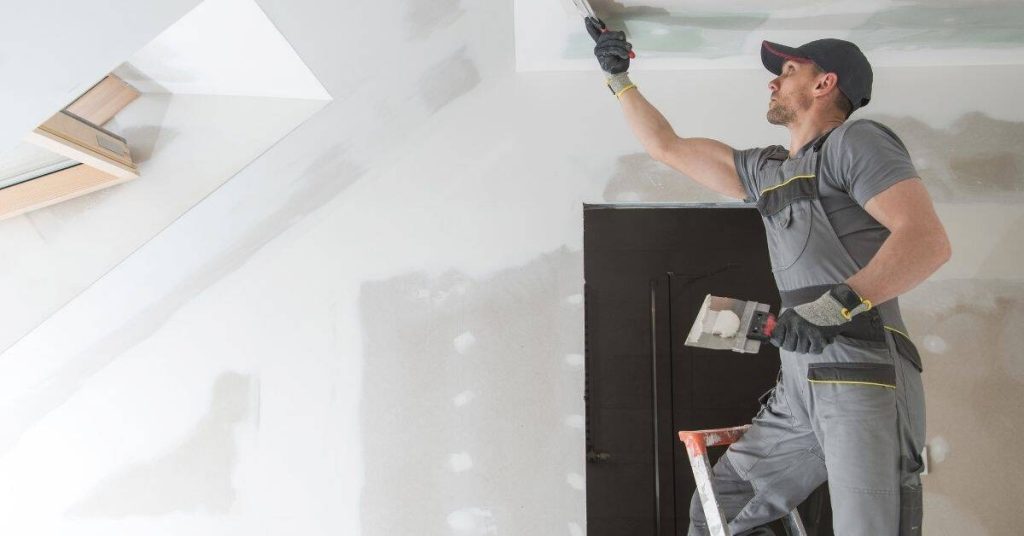
Man applying plaster with tools on drywall ceiling

Loose Plaster Repair With Washers: Spacing, Drilling, and Finishing

Introduction Loose plaster repair with washers is a simple method to reanchor plaster that has pulled away by using washers driven into solid backing and secured with screws. You’ll space the anchors to grip the edge of the plaster and reach solid backing behind it. Then you can tighten until the plaster sits firmly without

Loose Plaster Repair With Washers: Spacing, Drilling, and Finishing Read More »