Informative

Informative is where I post general notes and observations from working with concrete and cement-based materials.

These aren’t always step-by-step tutorials. They’re more like field notes: what’s changing in materials, what works in practice, and how to think about common problems before they happen.

If you like the “why” behind the how-to guides, you’ll probably enjoy this section.

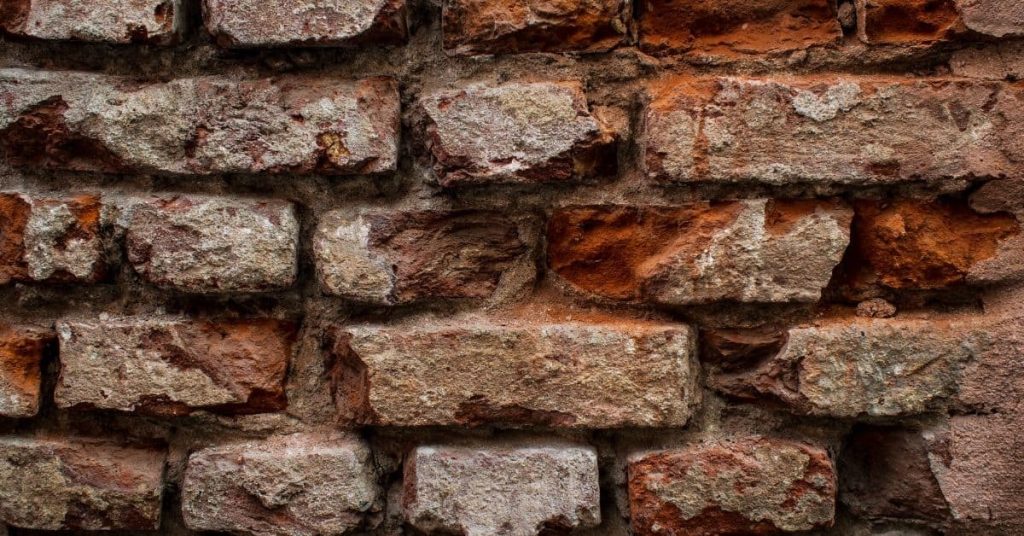
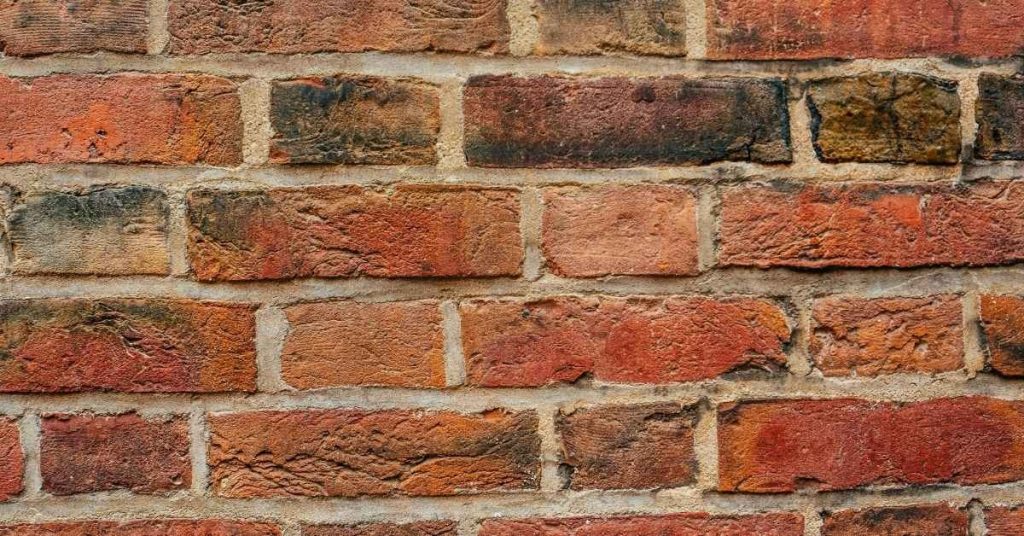
close-up of weathered red brick wall with mortar joints

Raking out brick joints safely: depth targets and avoiding chipped arrises

Introduction Raking out brick joints safely means removing deteriorated mortar from between bricks to a controlled depth while protecting the surrounding masonry. This hands-on task requires the right tools and steady technique to avoid damaging arrises. A sensible approach focuses on safe depth targets and careful removal to prevent chipping. Choose appropriate tools designed for […]

Raking out brick joints safely: depth targets and avoiding chipped arrises Read More »

Wooden boathouse on stilts over calm water at dusk

Choosing brick joint profiles: concave, flush, struck—how each sheds water

Introduction Brick joint profiles are the shapes formed where bricks meet mortar, influencing water shedding from a wall. Understand how each profile behaves in wet conditions to make an informed choice based on your climate and maintenance routine. Concave joints: Shed water along the mortar surface. Flush joints: Sit flat, providing a smooth finish but

Choosing brick joint profiles: concave, flush, struck—how each sheds water Read More »

concrete block basement wall wooden stairs hand tools hanging

Winter salt and brick efflorescence: how de-icing habits show up on your walls

Introduction Winter salt use and brick efflorescence are the mineral deposits and moisture issues that appear on brick walls due to de-icing salts moving through the masonry. This article explains how everyday snow and ice removal can affect joints and surface finishes. You’ll learn how to spot the signs and why maintaining joints matters. Watch

Winter salt and brick efflorescence: how de-icing habits show up on your walls Read More »

close-up of weathered rough red brick wall texture

Cleaning soot on brick fireplaces: products that won’t etch and how to avoid streaks

Introduction Soot on brick fireplaces can be cleaned safely with non-etching cleaners and careful scrubbing. Soot is a byproduct that can stain surfaces and leave a dusty film. Choose cleaners labeled gentle for masonry and follow the product directions. Gather soft brushes, sponges, and a bucket of warm water, and avoid abrasive pads that can

Cleaning soot on brick fireplaces: products that won’t etch and how to avoid streaks Read More »

Worker laying red bricks with mortar on wall

Triage for spalling brick: temporary stabilisation vs when to call a mason

Introduction Triage for spalling brick means quickly assessing danger and choosing between temporary stabilization and arranging professional help. Spalled brick signs include chipped or flaking surfaces, exposed core, and cracking mortar. In this article, we outline practical steps you can take to stabilize temporarily while you plan the next move. If instability is evident or

Triage for spalling brick: temporary stabilisation vs when to call a mason Read More »

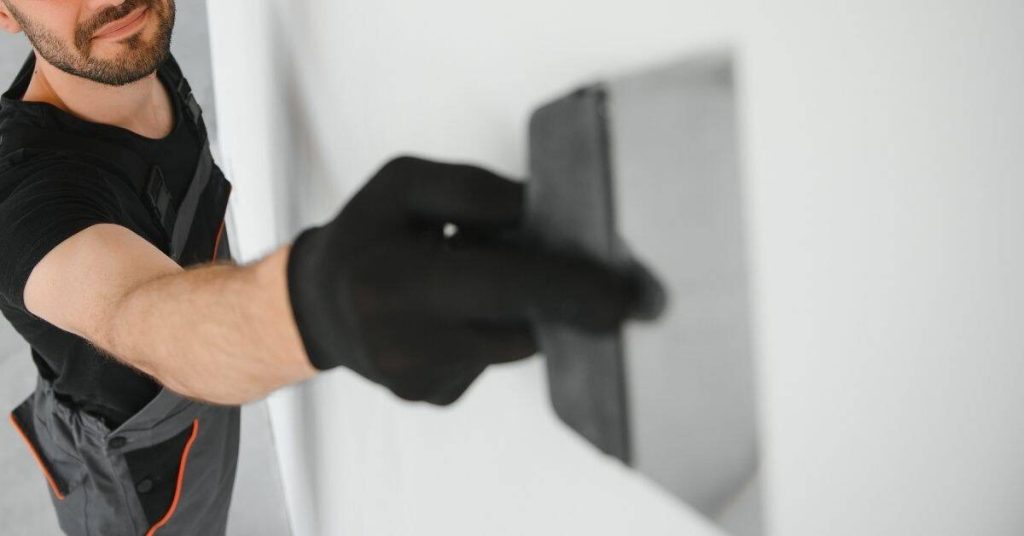
Plaster worker smoothing wall with trowel wearing black glove

Common rookie plaster mistakes: overwatering, overworking, and chasing perfection too soon

Introduction Rookie plaster mistakes are doing too much water, overworking the mix, and chasing a perfect finish before it’s ready. These habits can cause cracks, shrinkage, and a surface that won’t hold paint. Take a steady, practical approach: mix only what you need, apply in damp coats, and let each layer set. During a shifting

Common rookie plaster mistakes: overwatering, overworking, and chasing perfection too soon Read More »

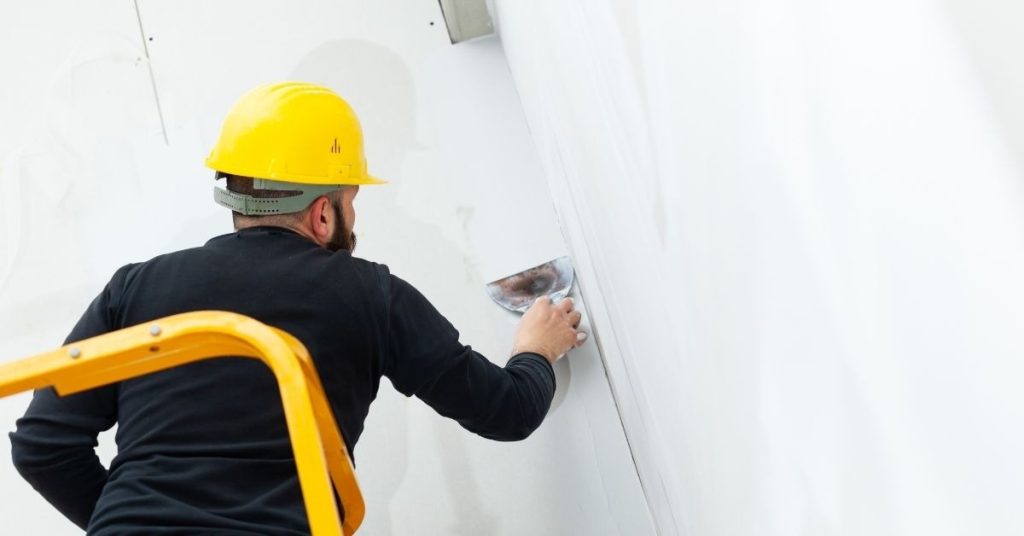
Worker in yellow helmet applying plaster on white wall

Blending sheen on polished plaster finishes: spot repair vs full-wall rework

Introduction Spot repair and full-wall rework are two approaches to restore or adjust sheen on polished plaster finishes. This article compares when to use each method and what you should expect in terms of result and effort. It keeps the focus practical, with plain-language guidance you can follow on a real job. Polished plaster has

Blending sheen on polished plaster finishes: spot repair vs full-wall rework Read More »

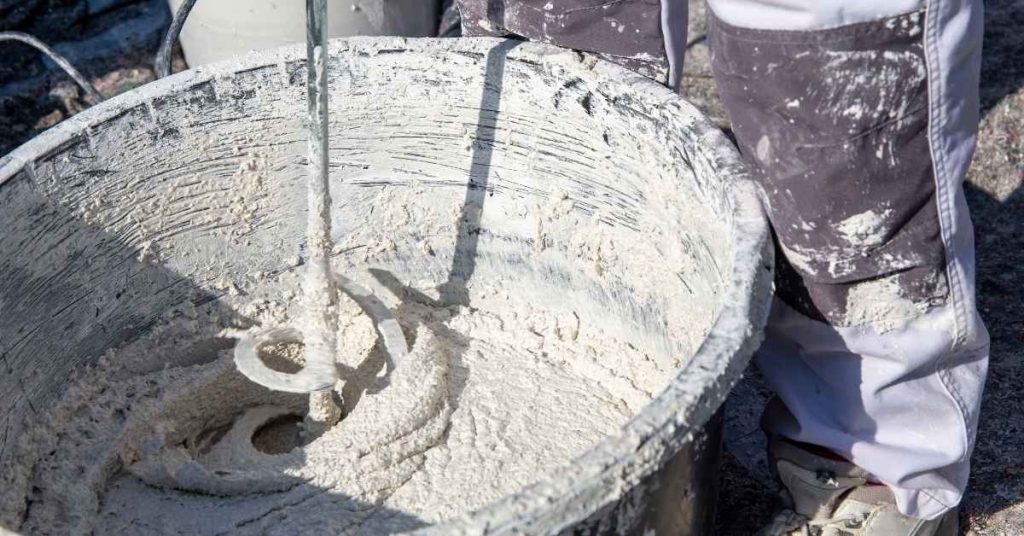
Close-up of plaster being mixed in a large bucket with a drill mixer

Mixing small plaster batches: setting time control without weakening the finish

Introduction Setting time control for small plaster batches means managing how fast plaster hardens without compromising surface quality. Keep an eye on temperature and humidity, since they influence cure speed and finish. Use small, workable batches and follow the manufacturer’s guidance for mixing and setting, then adjust for environmental conditions in your space. If you

Mixing small plaster batches: setting time control without weakening the finish Read More »

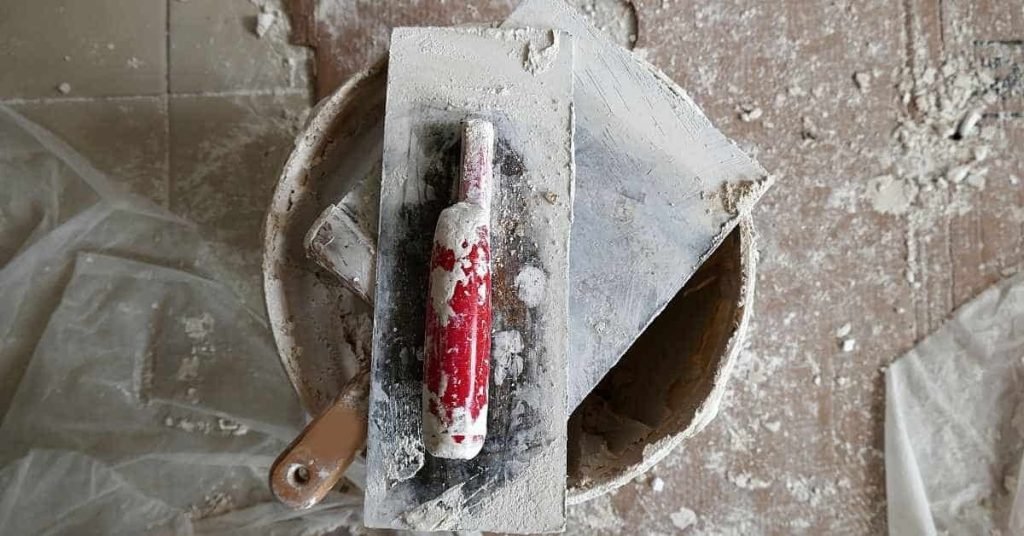
Plastering trowel with red handle on bucket filled with plaster

Best trowel angles for beginner plasterers: avoiding gouges and lap marks

Introduction The best trowel angles for beginner plasterers are the angles that keep the blade nearly flat against the surface to reduce gouges. Maintain a steady, light pressure and smooth motion to minimize digging into the plaster. Start with small, even passes and check your work as you go. Different trowel types and edge shapes

Best trowel angles for beginner plasterers: avoiding gouges and lap marks Read More »

Hand pressing foam insulation board against plaster wall

Adding insulation behind plaster: approaches that don’t destroy historic trim

Introduction Adding insulation behind plaster is placing insulation in the wall cavity behind the plaster to improve warmth while preserving historic trim. It aims to balance preservation with better energy use using approaches that keep trim intact. You’ll work with methods that minimize damage to plaster surfaces and trim during installation. Common options for historic

Adding insulation behind plaster: approaches that don’t destroy historic trim Read More »