Off-Topic

Off-Topic is a holding category for posts that don’t fit the main focus of this site.

Some of these articles still get occasional traffic or answer useful side questions, but they aren’t part of my core content around concrete, plaster/stucco, and masonry. Over time, I may update, reorganize, or move posts out of this category as the site becomes more focused.

If you’re here by accident, the best place to start is the Concrete or Render/Stucco categories.

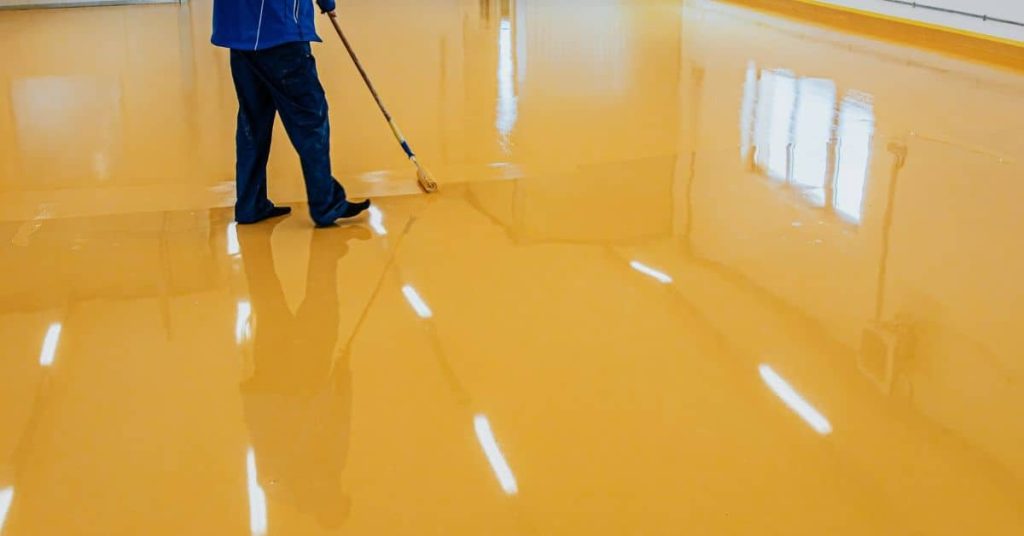
Person applying yellow epoxy floor coating with roller

Bubbles in Epoxy: Where they come from and how to stop them

Introduction Bubbles in epoxy are air pockets that form during mixing and pouring. They come from trapped air, improper mixing, or surface contamination. Taking care during prep and curing helps reduce them. Minimize bubbles by following the product’s mixing instructions and preparing the surface before pouring. Pour slowly, avoid stirring air into the resin, and

Bubbles in Epoxy: Where they come from and how to stop them Read More »

paintbrush wooden stick metal can opener on wood surface

Neutralizing After Acid Stain: Rinsing until it’s truly clean and stable

Introduction Neutralizing after acid stain means stopping the chemical reaction and restoring a stable pH before rinsing and sealing. In practice, you rinse and treat the surface to remove residual acid, then wipe or scrub as needed. This is a hands-on step that affects color, consistency, and how the sealer will grab. Gather basic tools

Neutralizing After Acid Stain: Rinsing until it’s truly clean and stable Read More »

Close-up of thin red brick wall pattern with mortar joints

Overlay Thickness Rules: How thin overlays fail and what lasts outdoors

Introduction Overlay thickness rules determine how thin overlays will perform outdoors. If you go thinner than recommended, they can crack, delaminate, or wear away quickly. Always check the product label and local rules, and follow the manufacturer’s guidance for your climate and substrate. There are several overlay types you might consider, from micro-toppings to self-leveling

Overlay Thickness Rules: How thin overlays fail and what lasts outdoors Read More »

rust-colored paint roller and paintbrushes in tray on wooden surface

Painting Over Rust: Stopping bleed-through and preventing return rust

Introduction Painting over rust means sealing and coating metal surfaces to stop rust bleed-through and prevent future rust. You’ll assess the rust, clean the area, and choose a compatible primer and paint that sticks. Be sure to follow product labels and local rules. Plan to remove loose rust, neutralize corrosion as needed, and apply a

Painting Over Rust: Stopping bleed-through and preventing return rust Read More »

Hand holding spray paint gun near peeling painted wooden siding

Fixing Cracked Elastomeric Coatings: Prep and recoats that stop peeling

Introduction Fixing cracked elastomeric coatings means repairing and reapplying a flexible protective layer so cracks stop growing and peeling ends. Cracking often comes from substrate movement, UV exposure, or poor initial prep, so surface prep and proper adhesion are key. In this hands-on guide, you’ll learn how to clean, repair, and re-coat using the right

Fixing Cracked Elastomeric Coatings: Prep and recoats that stop peeling Read More »

Close-up of metal pegboard with hooks hanging

Osmotic Blisters in Coatings: Why blisters return and how to break the cycle

Introduction Osmotic blisters in coatings are moisture pockets that push through a painted or coated film. They form when water moves through a coating under a dried film, bringing in salts from the substrate. The result is raised bubbles that can lift the coating from the surface. You’ll notice swollen areas, shiny rims, or wrinkles

Osmotic Blisters in Coatings: Why blisters return and how to break the cycle Read More »

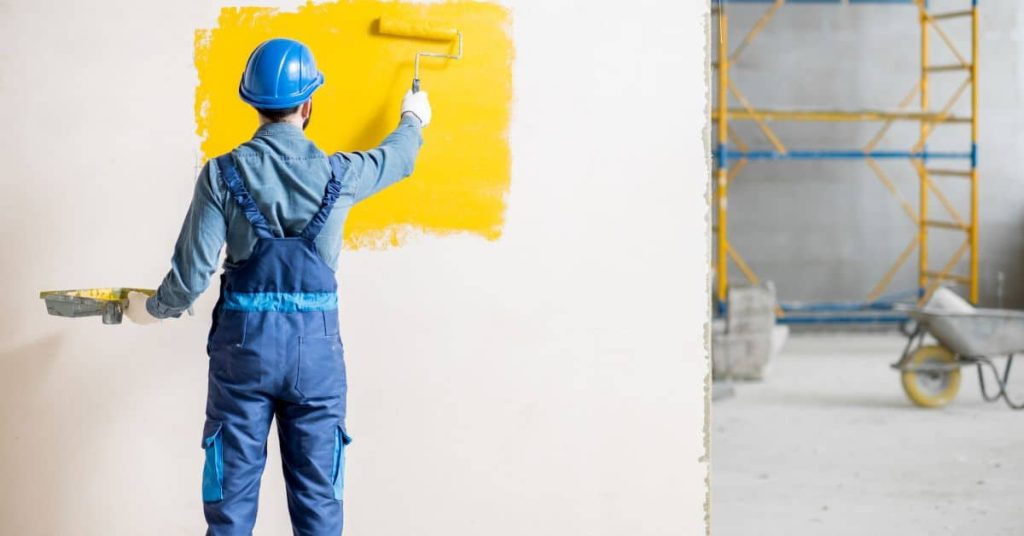
Construction worker painting a small yellow patch on white wall

Choosing Wall Sheen: Washability vs touch-up friendliness in real rooms

Introduction Choosing wall sheen means picking a paint feature that balances washability and touch-up ease in real rooms. In practice, you want a finish that cleans up without showing every scuff. Think about high-traffic areas and kitchens. Read the label or talk with the paint shop about washability and touch-up performance. If you want a

Choosing Wall Sheen: Washability vs touch-up friendliness in real rooms Read More »