Off-Topic

Off-Topic is a holding category for posts that don’t fit the main focus of this site.

Some of these articles still get occasional traffic or answer useful side questions, but they aren’t part of my core content around concrete, plaster/stucco, and masonry. Over time, I may update, reorganize, or move posts out of this category as the site becomes more focused.

If you’re here by accident, the best place to start is the Concrete or Render/Stucco categories.

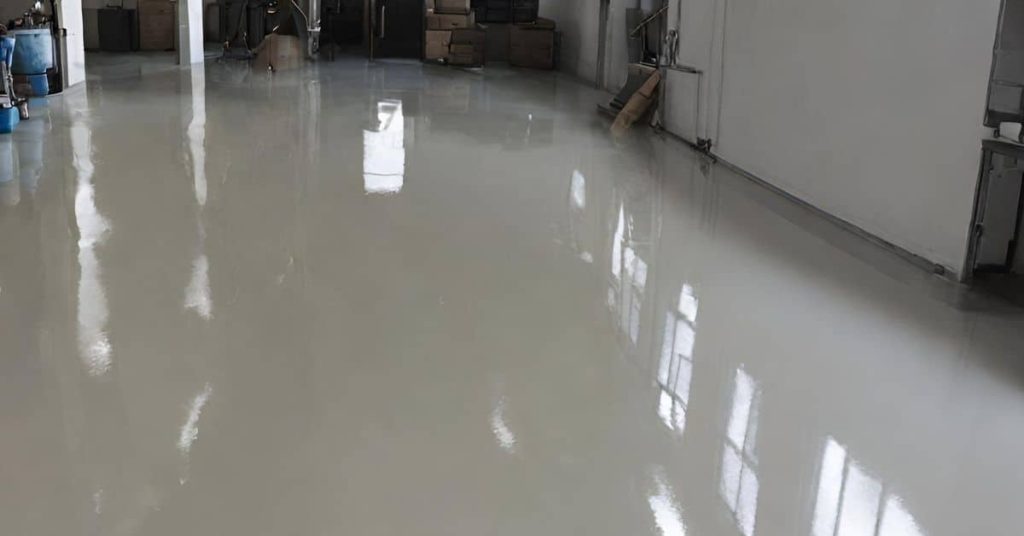
Smooth shiny epoxy coated floor inside industrial space

Paint Additives Explained: When Paint Conditioners Help and When They Hurt

Introduction Paint additives are substances mixed into paint to adjust how it behaves. They can help with spread, drying time, and finish, but they aren’t always right for every job. Check the label and follow manufacturer guidance to know if a product is appropriate for your project. Different types include conditioners, extenders, and retarders, and […]

Paint Additives Explained: When Paint Conditioners Help and When They Hurt Read More »

Hand using small roller to paint cabinet door white

14 Handy Painting Hints: Small Tweaks That Improve Big Projects

Introduction Painting hints are practical, small tweaks that make big painting projects easier and better. Keep expectations realistic and approach each step with a plan and clean work area. This article speaks in plain terms for DIY homeowners, with hands-on tips you can try this weekend. Focus on paint preparation techniques, selecting colors and finishes,

14 Handy Painting Hints: Small Tweaks That Improve Big Projects Read More »

Hand painting wall corner with roller

Wall Painting Checklist: What to Inspect, Measure, and Repair for a Lasting Finish

Introduction Wall painting checklist is a practical, step-by-step guide to inspect, measure, and repair walls before painting. It helps you spot cracks, peeling paint, stains, and uneven surfaces so you can plan the work. Use it to map prep steps, materials, and timelines so the finish lasts longer. If permits apply in your area, check

Wall Painting Checklist: What to Inspect, Measure, and Repair for a Lasting Finish Read More »

Man applying joint compound to drywall ceiling

Working with Drywall: Layout, Cutting, Fastening, and Finishing Tips

Introduction Drywall work is the hands-on process of laying out panels, cutting to fit, screwing them in, and smoothing the joints. You’ll want clean lines, solid fasteners, and a plan for seams before you start hanging sheets. Keep your tools ready and work methodically from room to room to avoid rework. Pay attention to butt

Working with Drywall: Layout, Cutting, Fastening, and Finishing Tips Read More »

Paintbrush applying white paint on wooden cabinet panel

Avoid Painting Mistakes: Pro Tips for Prep, Cutting In, and Dry Times

Introduction painting well starts with proper prep, careful cutting in, and waiting for the right dry times. Key takeaways Prepare surfaces thoroughly; remove dust, repair holes, and sand glossy areas. Use painter’s tape correctly: apply edges with firm press and clean removal. Cut in slowly along edges, keeping a steady hand and consistent coat. Choose

Avoid Painting Mistakes: Pro Tips for Prep, Cutting In, and Dry Times Read More »

White paint roller resting in foil-lined paint tray

How to Store Leftover Paint: Temperature, Skin Prevention, and Reuse Checks

Introduction Leftover paint should be stored properly to keep it usable for future projects. Aim for a cool, dry spot with stable temperatures and away from direct heat or freezing conditions, and follow the storage range stated on the label. If unsure, check the manufacturer instructions and local rules for safe storage. Keep the can

How to Store Leftover Paint: Temperature, Skin Prevention, and Reuse Checks Read More »

Two clean paint brushes resting on wood boards

Make Brushes and Rollers Last Longer: Cleaning, Storage, and Rescue Tips

Introduction Cleaning, storage, and rescue tips help brushes and rollers last longer. This hands-on guide walks you through practical steps you can use on a DIY project. You’ll learn how to keep bristles and handles in good shape between jobs. Understanding the anatomy of an acrylic brush helps you spot where problems start. From quick

Make Brushes and Rollers Last Longer: Cleaning, Storage, and Rescue Tips Read More »