Off-Topic

Off-Topic is a holding category for posts that don’t fit the main focus of this site.

Some of these articles still get occasional traffic or answer useful side questions, but they aren’t part of my core content around concrete, plaster/stucco, and masonry. Over time, I may update, reorganize, or move posts out of this category as the site becomes more focused.

If you’re here by accident, the best place to start is the Concrete or Render/Stucco categories.

Vinyl corner bead strip with perforations beside orange safety mesh.

Corner Bead Choices: Metal vs. Vinyl vs. Paper-Faced (When Each One Wins)

Introduction Corner bead choices are metal, vinyl, or paper-faced trims used to form and protect drywall corners. Metal beads are sturdy, vinyl beads stay flexible, and paper-faced beads rely on drywall paper and mud to hold shape. This article keeps the talk practical for DIY installs. To pick one, consider where the corner will see […]

Corner Bead Choices: Metal vs. Vinyl vs. Paper-Faced (When Each One Wins) Read More »

Plastering tools including float, putty knife, sanding sponge and bucket

DIY Level-5 Finish in Small Rooms: Skim Tools, Lighting Checks, and When to Stop

Introduction A DIY Level-5 finish is a near-perfect, impeccably smooth and flat wall or ceiling surface achieved with careful skim coats. This article walks you through skim tools, lighting checks, and the moment to stop before chasing perfection, in small rooms. Use the right skim blade or trowel, keep tools clean, and test with steady

DIY Level-5 Finish in Small Rooms: Skim Tools, Lighting Checks, and When to Stop Read More »

Person applying plaster to drywall seam with putty knife

Fixing ‘Picture Framing’ on Drywall: Why Edges Show Through and How to Reset the Surface

Introduction Picture framing on drywall is when the edge of a wall surface shows a frame-like line where joints or tape peek through. That happens after you paint or texture and the details of the tape or joint compound show along the edge. Fixing it means rebuilding a clean, smooth edge before you repaint. First,

Fixing ‘Picture Framing’ on Drywall: Why Edges Show Through and How to Reset the Surface Read More »

Worker drilling into drywall panel indoors

Drywall Anchors in Hollow Walls: Choosing by Load and Avoiding Blowout Repairs

Introduction Drywall anchors in hollow walls are devices that hold fasteners securely when the wall is thin or backed by empty space. They work by gripping inside the gypsum and spreading load to prevent pullout. Choose anchors based on the weight you plan to support and the wall thickness you’re dealing with. To avoid blowout,

Drywall Anchors in Hollow Walls: Choosing by Load and Avoiding Blowout Repairs Read More »

Paint roller applying white primer on drywall

Painting Over Nicotine-Stained Walls: The Primer Stack That Stops Yellow Bleed

Introduction A primer stack is a layered use of stain-blocking primers to stop nicotine bleed. Think of it as sealing the wall with the right primer before you paint. You’ll typically start with cleaning, choosing primers, and letting them dry per label. Then you build the finish with a topcoat that suits the surface after

Painting Over Nicotine-Stained Walls: The Primer Stack That Stops Yellow Bleed Read More »

Modern gas fireplace with marble surround and striped bench nearby

How to Paint After Small Fire/Smoke Damage: Soot Removal, Odor Sealing, and Recoat Timing

Introduction This guide explains how to repaint after small fire and smoke damage. First, assess visible soot and smoke residue and clean the affected surfaces well. Use the right cleaners, wipe without rubbing, and remove loose debris before sealing. Odor sealing is used to lock in smells before a new coat. Check the product label

How to Paint After Small Fire/Smoke Damage: Soot Removal, Odor Sealing, and Recoat Timing Read More »

Person holding paint roller with rust-colored paint near paint-splattered ladder

Surfactant Leaching vs. Tannin Bleed vs. Rust Stains: A Homeowner Spotting Guide

Introduction This guide explains how to tell apart three common concrete stains: surfactant leaching, tannin bleed, and rust stains. Surfactant leaching shows up as a misty haze or shiny film as cleaners dry. Tannin bleed comes from wood and leaves brown hues, while rust stains look reddish and originate from metal. To identify which you

Surfactant Leaching vs. Tannin Bleed vs. Rust Stains: A Homeowner Spotting Guide Read More »
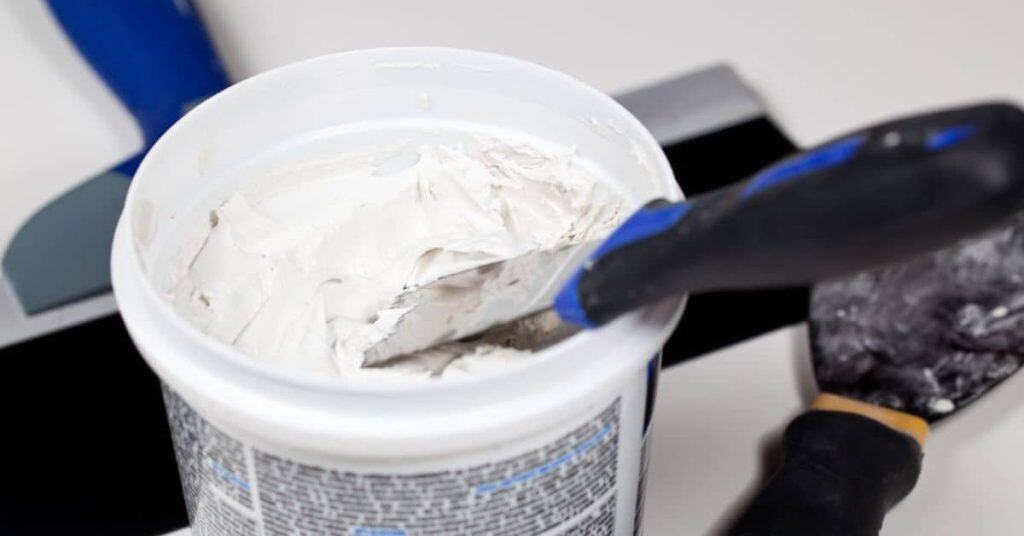
White spackle putty in tub with putty knife

How to Fix ‘Crawling’ Paint on Previously Waxed Surfaces (Decontamination Steps)

Introduction Crawling paint on previously waxed surfaces is paint that beads and drags, failing to adhere because a wax film repels the coating. This usually shows up where wax or cleaners were used before painting. You’ll fix it by cleaning, removing the wax, and preparing the surface for a fresh coat. Decontamination means removing the

How to Fix ‘Crawling’ Paint on Previously Waxed Surfaces (Decontamination Steps) Read More »

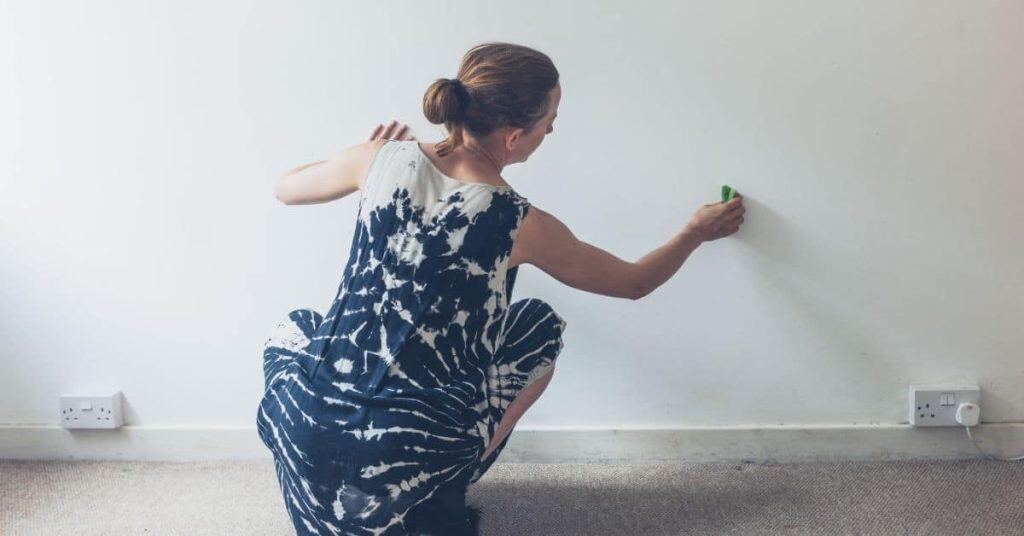
Woman inspecting white wall near carpeted floor

Blocking Water Stains on Ceilings: Drying Checks Before You Prime and Paint

Introduction Blocking water stains on ceilings means stopping moisture and stains from showing through the paint by drying and prepping the surface before priming. You’ll want the area to feel dry, flat, and clean before you apply any primer. This is a hands-on, practical step you can handle with common tools and a bit of

Blocking Water Stains on Ceilings: Drying Checks Before You Prime and Paint Read More »

Hand applying white silicone caulk around window frame

Painting Over Silicone Caulk: When It Works, When It Peels, and How to Prep

Introduction Painting over silicone caulk is not reliably paintable, and it often peels later. Silicone tends to resist most paints, so prep and choices matter. If the goal is a solid paint job, plan for alternative routes like replacing or masking. To prep, clean the joint and dry it thoroughly before any paint effort. Lightly

Painting Over Silicone Caulk: When It Works, When It Peels, and How to Prep Read More »