Off-Topic

Off-Topic is a holding category for posts that don’t fit the main focus of this site.

Some of these articles still get occasional traffic or answer useful side questions, but they aren’t part of my core content around concrete, plaster/stucco, and masonry. Over time, I may update, reorganize, or move posts out of this category as the site becomes more focused.

If you’re here by accident, the best place to start is the Concrete or Render/Stucco categories.

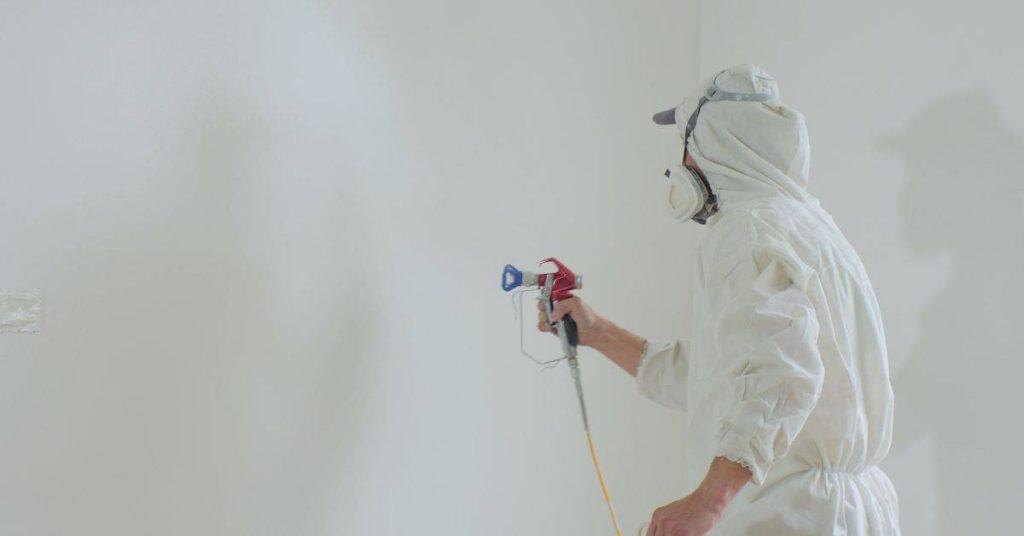
Person in protective suit spraying paint on wall

Spraying vs. Brushing Exterior Trim: Where Overspray Creates Failures and How to Mask Smart

Introduction Overspray on exterior trim is when paint or coating lands beyond the intended edges, often causing runny lines and an uneven finish. Spraying can cover large areas quickly but risks drifting to adjacent surfaces, while brushing gives you more control at the edges. This article keeps it practical for DIY homeowners. Smart masking is […]

Spraying vs. Brushing Exterior Trim: Where Overspray Creates Failures and How to Mask Smart Read More »

Paintbrush resting on an open paint can with colorful background

How to Fix Overspray Dust on Cars/Windows After DIY Painting (Safely, Without Scratches)

Introduction Overspray dust on cars and windows is paint or film that lands on the surface and must be removed carefully to avoid scratches. Start by rinsing with plenty of water to loosen dust, then choose a gentle cleaning approach. Always check product labels and local rules to pick safe methods and avoid damage. Use

How to Fix Overspray Dust on Cars/Windows After DIY Painting (Safely, Without Scratches) Read More »

Smooth white ceiling with recessed lighting fixture hanging

How to Paint Over Cracked Paint: When to Scrape, When to Feather, When to Skim

Introduction Scraping, feathering, or skim coating cracked paint are the three main ways to treat cracked paint before repainting. The choice depends on how deep the cracks are and how smooth you want the surface to be. Check labels and local rules if you need exact limits or product compatibility. Use scraping when paint is

How to Paint Over Cracked Paint: When to Scrape, When to Feather, When to Skim Read More »

Person painting wood siding with white primer brush

Primer Compatibility Chart: Water-Based vs. Oil-Based vs. Shellac (What Can Go Over What)

Introduction Primer compatibility means choosing the right primer for the surface and topcoat so the finish adheres and lasts. Different primers are designed to bond to different surfaces and to seal, block stains, or prevent bleed-through. Always check the label for what the primer can be applied over and what the topcoat can be used

Primer Compatibility Chart: Water-Based vs. Oil-Based vs. Shellac (What Can Go Over What) Read More »

Paint roller applying white primer on drywall

How to Use Shellac Primer Safely Indoors: Ventilation and Cleanup for DIYers

Introduction Shellac primer indoors should be used with good ventilation and careful cleanup. Start by cleaning the surface, removing dust, and fixing any rough spots before you apply. Always check the product label and manufacturer instructions for surface prep and ventilation guidance. When applying, use thin, even coats and follow the grain, avoiding heavy builds.

How to Use Shellac Primer Safely Indoors: Ventilation and Cleanup for DIYers Read More »

Painter in protective suit spraying white paint on wall

Paint Sheen Touch-Up Problems: Why Patches Flash and How to Blend Them

Introduction Paint sheen touch-up problems occur when patches look noticeably shinier or duller than the surrounding wall after you repaint. They come from differences in sheen level, dry times, or how the old and new coats interact under lighting. The fix is about matching the finish and blending the edges so the patch isn’t obviously

Paint Sheen Touch-Up Problems: Why Patches Flash and How to Blend Them Read More »

White electrical outlet on painted white wall

Touching Up Painted Walls Years Later: How to Match Texture, Color, and Sheen

Introduction Touching up painted walls years later means restoring the texture, color, and sheen so the patch blends with the old paint. It’s a hands-on task that you can do with common tools and a bit of care. Start by examining the wall and deciding what needs to be matched. Identify the texture, sheen, and

Touching Up Painted Walls Years Later: How to Match Texture, Color, and Sheen Read More »

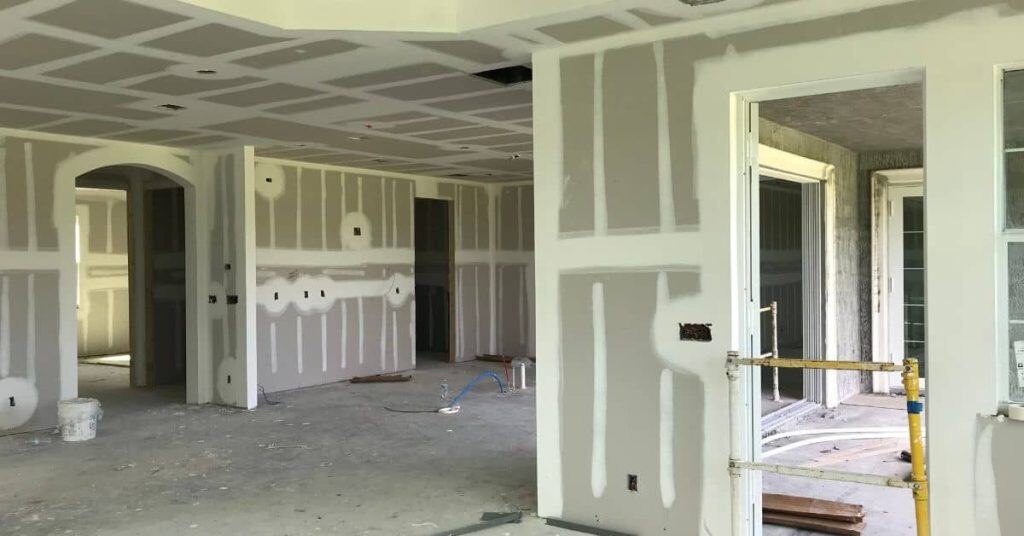
Interior room with drywall panels taped and mudded

Repairing Drywall After a Plumbing Leak: Drying, Mold Checks, and Rebuild Steps

Introduction Repairing drywall after a plumbing leak means drying the area, assessing damage, and preparing for a rebuild. Start by removing standing water and letting the space dry thoroughly before touching the wall. Check for soft spots or blistering drywall and note any areas that need removal. Then look for mold signs like stains or

Repairing Drywall After a Plumbing Leak: Drying, Mold Checks, and Rebuild Steps Read More »

Person applying plaster on wall with trowel wearing orange gloves

Drywall Texture Matching: Orange Peel vs. Knockdown vs. Skip Trowel (DIY Spray vs. Hand)

Introduction Drywall texture matching is the process of reproducing a wall’s texture so new work blends with the old. It covers orange peel, knockdown, and skip trowel textures, whether you spray or hand‑apply. You’ll decide based on what you’re trying to reproduce and what tools you have on hand. Start by inspecting the existing surface

Drywall Texture Matching: Orange Peel vs. Knockdown vs. Skip Trowel (DIY Spray vs. Hand) Read More »