Off-Topic

Off-Topic is a holding category for posts that don’t fit the main focus of this site.

Some of these articles still get occasional traffic or answer useful side questions, but they aren’t part of my core content around concrete, plaster/stucco, and masonry. Over time, I may update, reorganize, or move posts out of this category as the site becomes more focused.

If you’re here by accident, the best place to start is the Concrete or Render/Stucco categories.

Man applying caulking near white baseboards on tile floor

Using Anti-Skid Additives in Paint: Correct Ratios and Where Not to Use Them

Introduction Anti-skid additives are materials you mix into paint to create a textured, non-slip surface. They add traction for safer walking on stairs, porches, ramps, and other wet or slick areas. Always read the product label and manufacturer instructions to understand how they work with your paint and surface. Correct ratios depend on the specific […]

Using Anti-Skid Additives in Paint: Correct Ratios and Where Not to Use Them Read More »

Blue paint roller resting on an open paint can

How to Prevent ‘Cratering’ in Clear Coats and Varnishes on DIY Projects

Introduction Cratering in clear coats is when the finish shows tiny pits or craters after drying. This can happen from improper thinning, debris, or moisture in the air, and it spoils the look and protection. To avoid it, stick to careful prep and clean, even application steps. Use proper dilution only as directed on the

How to Prevent ‘Cratering’ in Clear Coats and Varnishes on DIY Projects Read More »

Unfinished wooden stair stringers on raised deck under construction

Deck Paint vs. Porch Paint vs. Floor Enamel: Which One Fails Where and Why

Introduction Deck paint, porch paint, and floor enamel are surface coatings chosen for outdoor decks, porches, and floors. They each have different binders and wear patterns, so they perform best on their intended substrate. Look at the label and instructions to confirm where it’s recommended and what prep is required. Check for recommended cleaners, primers,

Deck Paint vs. Porch Paint vs. Floor Enamel: Which One Fails Where and Why Read More »

white herringbone tile backsplash partially installed without grout

Best Paint for Tile-Look Backsplashes (When Replacement Isn’t an Option)

Introduction Painting tile-look backsplashes is painting over existing tile to resemble new tile when replacement isn’t possible. This approach keeps the project simple and lets you update color and texture without tearing out walls. Doable for DIYers who are comfortable with prep, basic priming, and a steady hand with brushes or rollers. Start with thorough

Best Paint for Tile-Look Backsplashes (When Replacement Isn’t an Option) Read More »

black painted brick wall with uneven paint coverage

How to Paint a Brick Fireplace Safely: Heat Considerations and Soot-Sealing Prep

Introduction Painting a brick fireplace safely means choosing heat‑rated paint and preparing the surface to handle heat and soot. Start by inspecting for damaged bricks and planning to seal soot before painting. This article explains preparation steps, how to seal soot, and how to pick the right finish in plain, hands‑on language. Benefits of painting

How to Paint a Brick Fireplace Safely: Heat Considerations and Soot-Sealing Prep Read More »

Row of modern industrial metal building units with large doors

Painting Over Rusty Metal Railings: Rust Converter vs. Full Removal (Decision Guide)

Introduction Painting over rusty metal railings means deciding between rust-conversion sealing or full removal. It covers how to prep the surface, what to expect from each method, and how a DIYer can approach the job safely. This guide keeps things practical and hands-on, without fancy jargon. When choosing, start with surface prep and then compare

Painting Over Rusty Metal Railings: Rust Converter vs. Full Removal (Decision Guide) Read More »

Person painting wooden furniture frame with brush

Painting New MDF: Sealing Fuzzy Edges and Getting a Furniture-Like Finish

Introduction Painting new MDF to seal fuzzy edges and achieve a furniture-like finish means prepping the board, sealing the edges, and applying multiple coats of paint. This is a hands-on, methodical process you can do with basic tools and careful sanding. Start with light sanding and clean dust off the surface. Choose a sealer or

Painting New MDF: Sealing Fuzzy Edges and Getting a Furniture-Like Finish Read More »
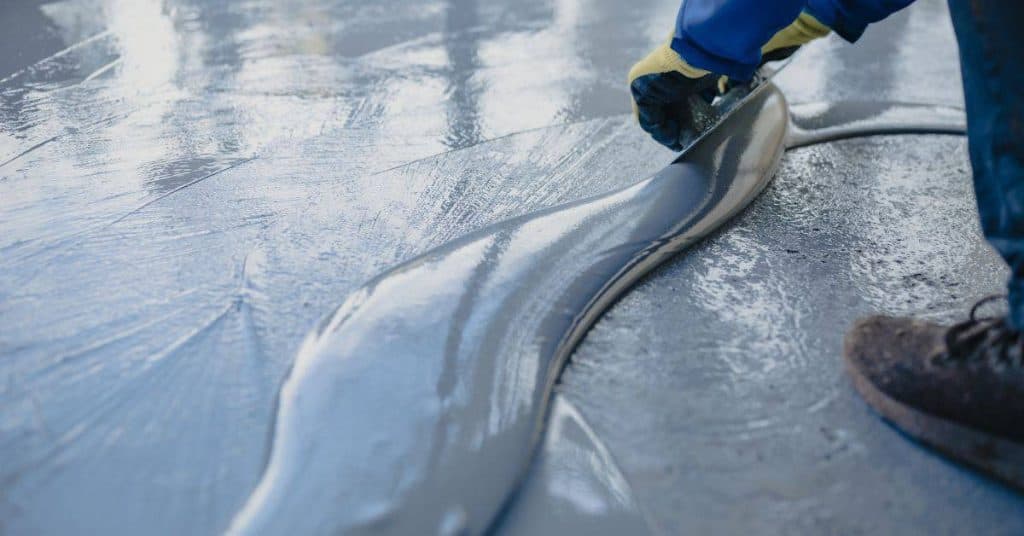
Person applying glossy epoxy coating on concrete floor

Painting Basement Walls Without Trapping Moisture: Mineral Paints vs. Acrylics vs. Epoxy

Introduction Painting basement walls without trapping moisture means choosing a coating and prep method that manages moisture rather than sealing it in. Start by diagnosing the wall condition and cleaning, repairing leaks, and planning ventilation before any paint goes on. Then determine if the wall needs moisture barriers, steps for drying, and whether to apply

Painting Basement Walls Without Trapping Moisture: Mineral Paints vs. Acrylics vs. Epoxy Read More »

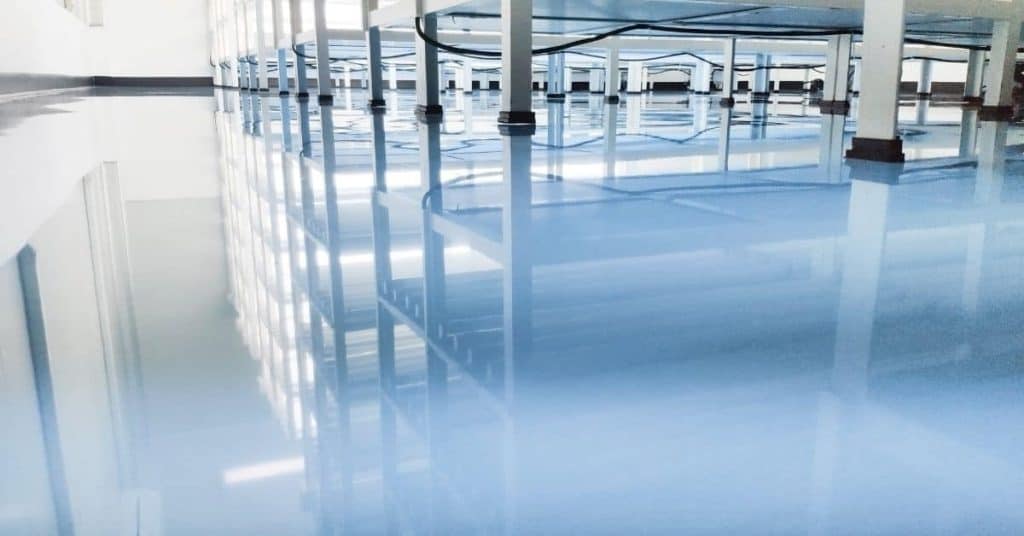
Reflective smooth light blue epoxy floor with metal shelving

How to Paint a Cast-Iron Radiator: Heat Cycles, Prep, and High-Temp Coatings

Introduction Painting a cast-iron radiator means choosing a heat‑resistant coating and applying it in stages so the unit can heat and cool without peeling. Prep thoroughly to remove rust and old paint, then seal cracks and gaps as needed, always following the coating manufacturer’s instructions for heat tolerances. Because radiators heat cycles can affect coating

How to Paint a Cast-Iron Radiator: Heat Cycles, Prep, and High-Temp Coatings Read More »

Worker in protective suit spray painting white wall indoors

Painting Around HVAC Registers and Returns: Clean Edges Without Gummed-Up Grilles

Introduction Painting around HVAC registers and returns means masking and preparing the edges so paint doesn’t bleed into the grilles. Prep the area by removing loose debris and laying down drop cloths, then set up masking to protect the grille openings. Keep grilles clean before you start to help the paint stick and to prevent

Painting Around HVAC Registers and Returns: Clean Edges Without Gummed-Up Grilles Read More »