Off-Topic

Off-Topic is a holding category for posts that don’t fit the main focus of this site.

Some of these articles still get occasional traffic or answer useful side questions, but they aren’t part of my core content around concrete, plaster/stucco, and masonry. Over time, I may update, reorganize, or move posts out of this category as the site becomes more focused.

If you’re here by accident, the best place to start is the Concrete or Render/Stucco categories.

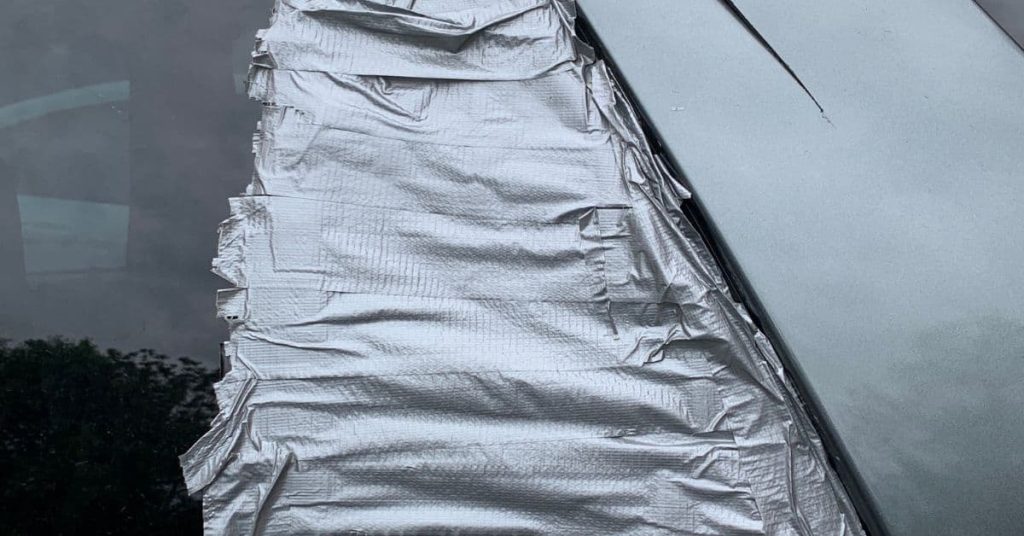
Car window covered with layers of wrinkled silver duct tape

Duct Tape Residue: Why It Happens, How to Remove It, and How to Prevent It

Introduction Duct tape residue is the sticky film left behind when tape is removed. It sticks to many surfaces and can attract dust and dirt over time. The approach to cleanup can vary with the surface, so test a small area first before committing to a method. To remove residue, start with gentler methods like […]

Duct Tape Residue: Why It Happens, How to Remove It, and How to Prevent It Read More »

White painted wooden shiplap wall with horizontal boards

Flashing on Painted Walls: How to Stop Patchy Sheen From Showing Through

Introduction Flashing on painted walls is the thin barrier that keeps water from seeping behind paint. When it fails, patchy sheen can show through and ruin a smooth finish. Check the paint and flashing product labels for compatibility, and follow manufacturer instructions or local rules if you’re unsure. To prep, clean the wall and repair

Flashing on Painted Walls: How to Stop Patchy Sheen From Showing Through Read More »

Worker painting exterior wall with yellow paint using long roller

Fading Exterior Paint: Sun Exposure Checks and Better Recoat Timing

Introduction Fading exterior paint is what happens when sun exposure breaks down color and finish over time, caused by UV bleaching, heat, and weather cycling. You’ll notice it as color loss, chalky surfaces, or a dull sheen that won’t rebound with cleaning. Check by looking for noticeable color changes and a chalky or powdery feel

Fading Exterior Paint: Sun Exposure Checks and Better Recoat Timing Read More »

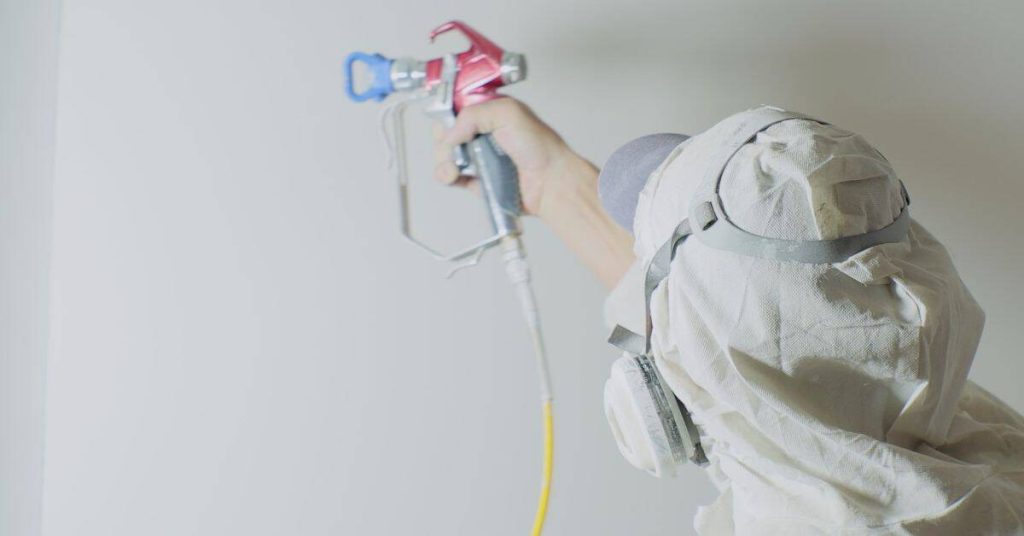
Hand holding paint spray gun releasing white spray mist

Dry Spray on Walls: Fixing Rough Overspray and Preventing It Next Time

Introduction Dry spray on walls is a rough, sandy coating left when spray material dries unevenly. It’s usually caused by improper spray technique or poor surface prep. Fixing it starts with cleaning, sanding, and blending so the surface is ready for another coat. To prevent dry spray next time, adjust the spray setup and ensure

Dry Spray on Walls: Fixing Rough Overspray and Preventing It Next Time Read More »

Hands using scraper to remove blue paint from wall

Cratering in Paint: Contamination Tests and Fixes for Pitted Surfaces

Introduction Cratering in paint is when small pits or craters appear on the painted surface, leaving uneven spots. It usually happens when the surface is contaminated or the coating fails to bond properly. Pitted areas can also result from poor surface prep or moisture under the film. To detect it, start with a careful visual

Cratering in Paint: Contamination Tests and Fixes for Pitted Surfaces Read More »

Close-up of peeling white paint on a wall surface

Fixing Peeling Paint at Bathroom Ceilings: Ventilation Checks and Mildew-Killing Prep

Introduction Peeling bathroom ceiling paint happens when moisture gets behind the coating and the film loses adhesion. In a DIY fix, you must cut away loose paint, dry the area, and prep for fresh coating. Always check local rules and follow label directions when choosing cleaners and primers. Ventilation is the first line of defense.

Fixing Peeling Paint at Bathroom Ceilings: Ventilation Checks and Mildew-Killing Prep Read More »

Man applying joint compound to drywall ceiling corners

Finishing Drywall Around Recessed Lights: Avoiding Rings, Cracks, and Shadowing

Introduction Finishing drywall around recessed lights means taping, mudding, and sanding careful edges so the lights sit cleanly in the ceiling. The goal is to avoid visible rings, hairline cracks, and shadow lines when the light is on. Check the fixture details and follow any manufacturer or local guidance rather than guessing. Feather the mud

Finishing Drywall Around Recessed Lights: Avoiding Rings, Cracks, and Shadowing Read More »

Worker measuring drywall with tape measure on wall

Drywall Fasteners Over Steel Studs: Screw Types, Spacing, and Stripping Avoidance

Introduction Drywall fasteners over steel studs are screws used to attach drywall to metal framing. They’re the fasteners you drive with a screwdriver or drill to secure gypsum to metal studs. Follow the screw manufacturer instructions and local rules for type and installation, and check the packaging label for compatibility with steel studs. To avoid

Drywall Fasteners Over Steel Studs: Screw Types, Spacing, and Stripping Avoidance Read More »