Off-Topic

Off-Topic is a holding category for posts that don’t fit the main focus of this site.

Some of these articles still get occasional traffic or answer useful side questions, but they aren’t part of my core content around concrete, plaster/stucco, and masonry. Over time, I may update, reorganize, or move posts out of this category as the site becomes more focused.

If you’re here by accident, the best place to start is the Concrete or Render/Stucco categories.

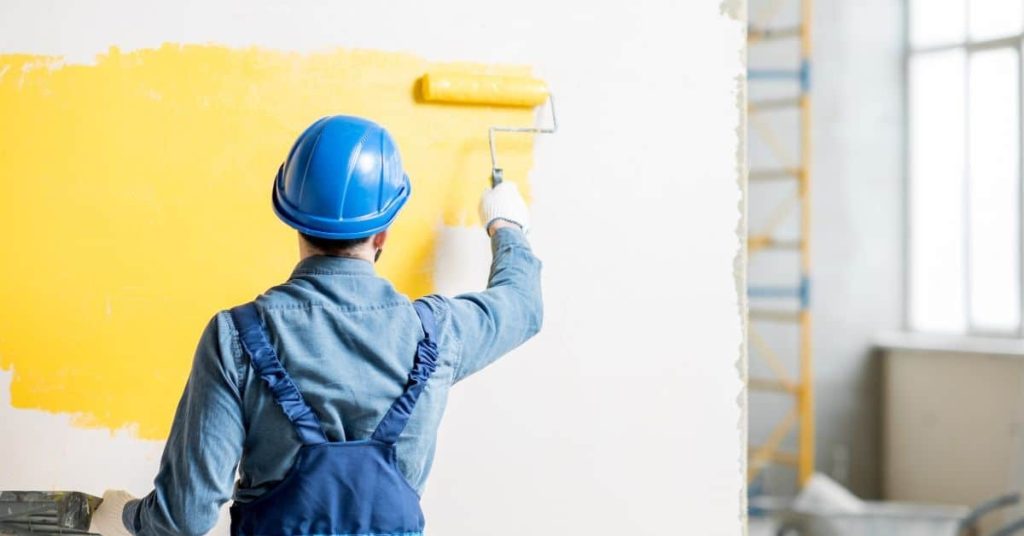
Worker in blue helmet painting wall yellow with roller

Painting in Direct Sunlight: Timing Windows, Lap-Mark Prevention, and Sheen Control

Introduction Painting in direct sunlight means applying paint to surfaces that are heated and exposed to strong sunlight, which affects drying speed, lap marks, and sheen. It requires timing coats to avoid too-quick skinning and working in sections that the sun will move across so you can maintain a wet edge. Check paint can instructions […]

Painting in Direct Sunlight: Timing Windows, Lap-Mark Prevention, and Sheen Control Read More »
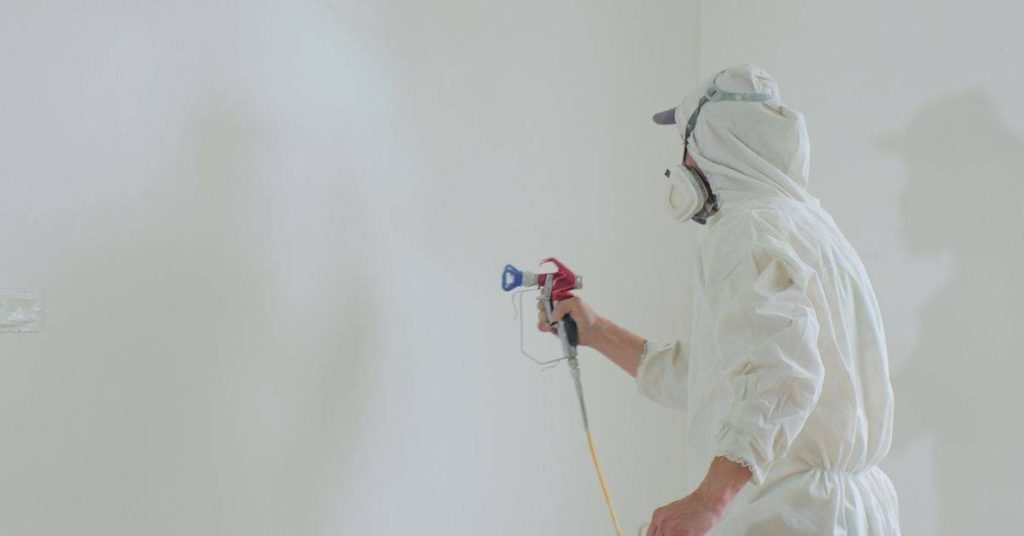
Worker spraying white paint on interior wall wearing protective suit

Back-Brushing and Back-Rolling After Spraying: When It Helps and When It Makes Things Worse

Introduction Back-brushing and back-rolling are hands-on techniques used after spray-applying coatings to work the material into the surface and even out coverage; in plain terms, back-brushing uses a brush and back-rolling uses a roller to finish what the sprayer started. They help when the surface texture, porosity, or overspray patterns need manual attention, but whether

Back-Brushing and Back-Rolling After Spraying: When It Helps and When It Makes Things Worse Read More »

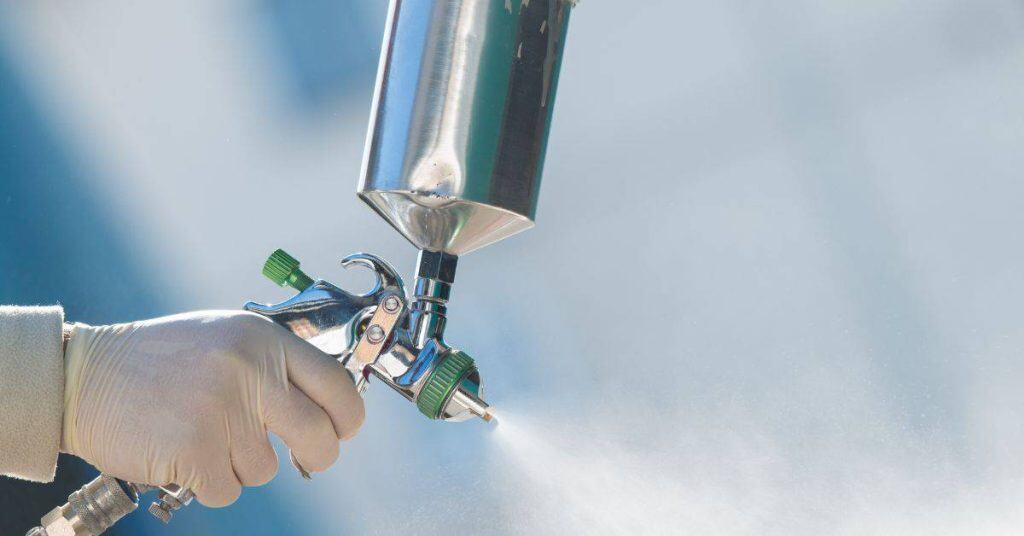
Hand wearing glove spraying paint with airgun spray gun

Sprayer Filters and Strainers: The Hidden Cause of Spitting, Clogs, and Orange Peel

Introduction Sprayer filters and strainers are the small screens and inline pieces that catch debris before it gets to your nozzle and cause spitting, clogs, and orange peel. In practical terms, they’re often the hidden troublemaker when a sprayer stops spraying smoothly. Check the product label or manufacturer instructions for the filter mesh size and

Sprayer Filters and Strainers: The Hidden Cause of Spitting, Clogs, and Orange Peel Read More »

Blueprints with paint tools level tape measure and paintbrush

Airless Spray Tip Sizes Explained: Matching Tip, Pressure, and Paint for Clean Fan Patterns

Introduction Airless spray tip sizes are the matching of tip orifice, pump pressure, and paint thickness to produce a clean fan pattern for the job. In plain terms, pick a tip that can pass your paint at a pressure the sprayer can deliver, and test on scrap to confirm the fan is even and free

Airless Spray Tip Sizes Explained: Matching Tip, Pressure, and Paint for Clean Fan Patterns Read More »

Various painted cabinet door samples in multiple colors and finishes

Furniture-Grade Painted Finishes: Grain Filling, Sanding, and Topcoat Choices

Introduction Furniture-grade painted finishes means getting a smooth, filled grain surface that takes paint like shop work so your piece looks professional; it’s done by filling open grain, sanding flat, and choosing the right topcoat. This is a hands-on sequence: pick a grain filler compatible with your paint, sand progressively to remove filler and level

Furniture-Grade Painted Finishes: Grain Filling, Sanding, and Topcoat Choices Read More »

Metal paint remover can brush bowl on wooden floor

How to Strip Paint Without Raising Grain: Scraper Technique and Neutralization

Introduction Stripping paint without raising the grain means removing the coating while keeping the wood fibers smooth so you don’t end up with a fuzzy surface. It’s a hands-on process using scrapers and gentle sanding or neutralizers as needed, and you should follow product labels and test a small area first. Expect to adjust technique

How to Strip Paint Without Raising Grain: Scraper Technique and Neutralization Read More »

Hand painting wooden cabinet door with blue paint roller

Painting Over Old Limewash: Identification, Neutralization, and Best Primers

Introduction Painting over old limewash can be a challenge due to its unique composition and properties. This guide will help you identify, neutralize, and prime your limewashed surfaces for successful painting. Key takeaways Identify limewash by chalky finish, mineral content, and matte, breathable film. Test adhesion with scrape and moisture penetration before priming. Contain dust,

Painting Over Old Limewash: Identification, Neutralization, and Best Primers Read More »

Person painting interior wall with roller

Painting Over Chalkboard Paint: Bonding and How to Stop ‘Ghosting’

Introduction Painting over chalkboard paint means getting new paint to stick and look even without the old writing ghosting through; it requires cleaning, proper priming, and the right topcoat. In practice that means remove chalk residue, test adhesion, and choose a primer compatible with both the chalkboard surface and your finish. If you’re unsure which

Painting Over Chalkboard Paint: Bonding and How to Stop ‘Ghosting’ Read More »

Hand painting metal structure with red paint roller

Painting Behind Radiators: Tools, Edge Control, and Heat-Cycle Considerations

Introduction Painting behind radiators means prepping a tight, hot-prone area so paint adheres and edges stay clean while you work around pipes and fins. It’s a hands-on job of turning off heat, protecting floors and fins, and using the right tools and edge control to reach back surfaces without making a mess. Check paint and

Painting Behind Radiators: Tools, Edge Control, and Heat-Cycle Considerations Read More »