Off-Topic

Off-Topic is a holding category for posts that don’t fit the main focus of this site.

Some of these articles still get occasional traffic or answer useful side questions, but they aren’t part of my core content around concrete, plaster/stucco, and masonry. Over time, I may update, reorganize, or move posts out of this category as the site becomes more focused.

If you’re here by accident, the best place to start is the Concrete or Render/Stucco categories.

Preparing Damp Basement Walls for Paint: Drying, Dehumidifying, and Coating Solutions

Preparing Damp Basement Walls for Paint: Drying, Dehumidifying, and Coating Solutions

Introduction To prepare damp basement walls for painting, dry the walls, reduce humidity, and apply appropriate coatings. The guide explains practical drying methods, humidity control tips, and coating options you can use to prevent moisture problems and achieve a lasting, smooth finish. Related: 7 Common Causes of Watery Paint and How to Fix Them. Key […]

Preparing Damp Basement Walls for Paint: Drying, Dehumidifying, and Coating Solutions Read More »
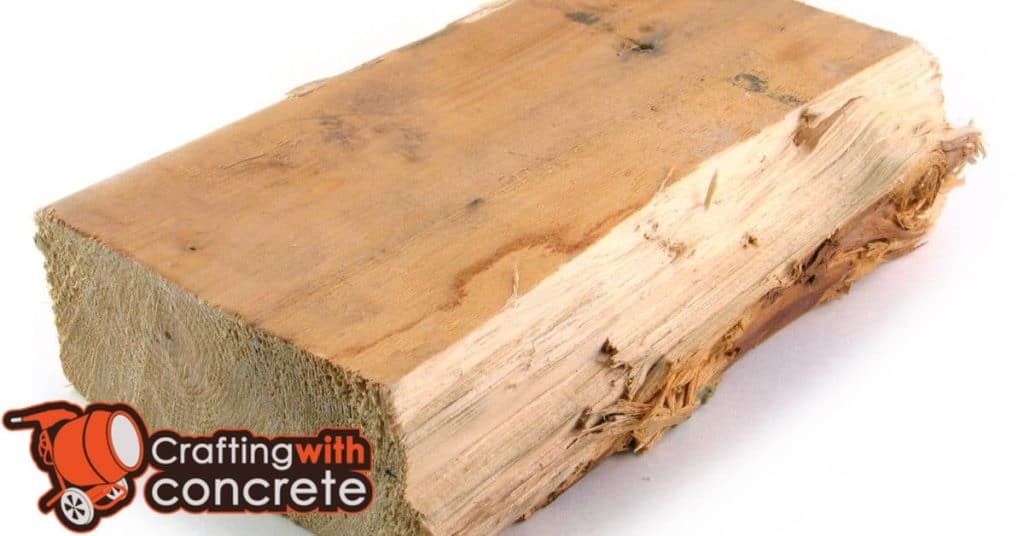
How Much Weight Can a 2×6 Support Across Different Span Lengths: Simple Tables and Diy Checks

How Much Weight Can a 2×6 Support Across Different Span Lengths: Simple Tables and Diy Checks

Introduction A 2×6’s load capacity varies with span length, and this article explains how much weight it can safely support across common spans. You’ll learn straightforward methods to estimate the load, plus practical tips, rules of thumb, and simple checks you can perform for DIY projects. The discussion covers practical examples and decision points to

How Much Weight Can a 2×6 Support Across Different Span Lengths: Simple Tables and Diy Checks Read More »

Best Solvents and Tools for Dissolving Spray Foam Residue on Garage Floors and Driveways

Best Solvents and Tools for Dissolving Spray Foam Residue on Garage Floors and Driveways

Introduction Use the right solvents and tools to safely remove spray foam residue from garage floors and driveways. You’ll learn practical steps for selecting appropriate solvents, applying them, testing a small area, and safely cleaning up, with tips to minimize damage to concrete. The guide walks through common residue types, how to evaluate surfaces, and

Best Solvents and Tools for Dissolving Spray Foam Residue on Garage Floors and Driveways Read More »

Understanding Spray Foam Insulation and Why Removal Is Needed

Understanding Spray Foam Insulation and Why Removal Is Needed

Introduction Removal is needed when spray foam insulation is damaged or causing moisture, mold, or air-quality issues. You’ll learn how to assess signs of trouble, choose safe removal approaches, and plan for effective post-removal insulation improvements. Key takeaways Identify spray foam types (open-cell vs. closed-cell) and their R-values. Assess health risks and required PPE before

Understanding Spray Foam Insulation and Why Removal Is Needed Read More »

Best Sealants and Tapes for Repairing Wrbs Around Window and Door Openings

Best Sealants and Tapes for Repairing WRBs Around Window and Door Openings

Table of Contents Overview: Why WRB Repairs Around Openings Matter Sealant Types and Best Uses (Silicone, Polyurethane, Hybrid/MS) Flashing Tapes vs Liquid‑Applied Membranes Surface Preparation and Adhesion Best Practices Installation Sequences and Step‑by‑Step Flashing Details Technical Specs to Compare (Adhesion, Movement, UV, Temp) Product Selection Flowchart and Climate/Substrate Guidance Tools, Materials Checklist and Job-Site Best

Best Sealants and Tapes for Repairing WRBs Around Window and Door Openings Read More »

Quick Fixes: Using Self-Adhesive Flashing Tape to Repair Housewrap Tears

Quick Fixes: Using Self-Adhesive Flashing Tape to Repair Housewrap Tears

Introduction Housewrap is a crucial component of your home’s exterior, protecting it from water damage and air infiltration. However, tears in housewrap can occur due to various reasons, such as improper installation or impact from objects like ladders or debris. Luckily, repairing these tears doesn’t require extensive work. Self-adhesive flashing tape is an effective solution

Quick Fixes: Using Self-Adhesive Flashing Tape to Repair Housewrap Tears Read More »

Anchoring into Cmu Hollow Block: Screen Tube Method

Anchoring into Cmu Hollow Block: Screen Tube Method

Table of Contents Quick Overview — What is a CMU (Hollow Block) and why anchoring differs Anchor options for hollow CMU — pros and cons What is the screen tube (masonry sleeve) method? Step-by-step installation of the screen tube method Load capacities, testing, and engineering considerations Recommended fastener sizes, materials, and brands Common use cases,

Anchoring into Cmu Hollow Block: Screen Tube Method Read More »

Avoiding Blow-Through in Thin Walls While Drilling

Avoiding Blow-Through in Thin Walls While Drilling

Table of Contents Why blow-through happens: causes and mechanics Planning and safety checklist before you drill Choosing the right drill and settings Selecting the optimal drill bit for each substrate Techniques to control the exit and prevent chipping Workholding, supports, and jigs for consistent results Substrate-by-substrate step-by-step methods Accessories and shop solutions that make prevention

Avoiding Blow-Through in Thin Walls While Drilling Read More »

Testing Epoxy Expiration with a Small Sample

Testing Epoxy Expiration with a Small Sample

Table of Contents What “expired” epoxy means (chemical and practical definitions) Safety first: PPE, ventilation, and handling old epoxy Preparing a reliable small-sample test (materials, environment, and controls) Step-by-step mini-cup cure test (the core small-sample method) Quick qualitative checks before doing destructive tests (visual, smell, viscosity) Mechanical and functional small-sample tests (brittleness, hardness, adhesion) Diagnosing

Testing Epoxy Expiration with a Small Sample Read More »

Safe Disposal of Wash Water and Slurry at Home

Safe Disposal of Wash Water and Slurry at Home

Table of Contents Types of Wash Water and Slurry You May Generate Legal & Environmental Considerations Health & Safety — PPE and Emergency Steps Estimating Volumes and Planning Capacity On-site Pre-treatment Methods (DIY) Safe On-site Disposal Options Off-site Disposal and Transport Equipment, Materials and Cost Comparisons Concrete, Grout and Resin — Protocols with Measured Steps

Safe Disposal of Wash Water and Slurry at Home Read More »