Brick & Block

Brick & Block covers practical how-to guides for masonry projects, from small repairs to building simple walls.

You’ll find articles on mortar basics, mixing and tooling joints, setting bricks/CMU blocks, fixing cracks, and common beginner mistakes. I focus on real-world steps and materials that actually work on site.

If you’re planning a brick, block, or mortar project, start here and work your way through the basics before you jump into the more specialized guides.

Hands holding color swatch fan with various brown and yellow tones

How to Match Mortar Color: Sand Selection, Pigments, and Test Panels

Introduction Matching mortar color means picking the right sand, pigments, and a test panel to compare with the target shade. The goal is to balance color from the sand and any added pigment so the mix looks consistent with surrounding joints. Do not rely on guesswork—check product labels and manufacturer guidance for compatibility. Start by […]

How to Match Mortar Color: Sand Selection, Pigments, and Test Panels Read More »

Closeup of red brick wall with mortar joints

Type N vs Type S Mortar: Which One to Use for Block, Brick, and Stone

Introduction Type N mortar is a medium-strength masonry mix used for general-purpose joints. It balances workability with enough strength for blocks, bricks, and stone in typical home projects. Check the product label and local requirements to confirm it fits your wall type and curing needs. Type S mortar is a higher-strength option that resists higher

Type N vs Type S Mortar: Which One to Use for Block, Brick, and Stone Read More »

Person applying mortar to joints of brick wall with roller tool

Joint Backer Rod Sizing: How to Pick Diameter and Depth for Long-Lasting Seals

Introduction Joint backer rod sizing means choosing a rod diameter slightly larger than the joint opening and a depth that lets the sealant form the right profile; pick a rod that compresses to fill the gap and check the sealant or product label for recommended joint depth. Use backer rod when you need to control

Joint Backer Rod Sizing: How to Pick Diameter and Depth for Long-Lasting Seals Read More »

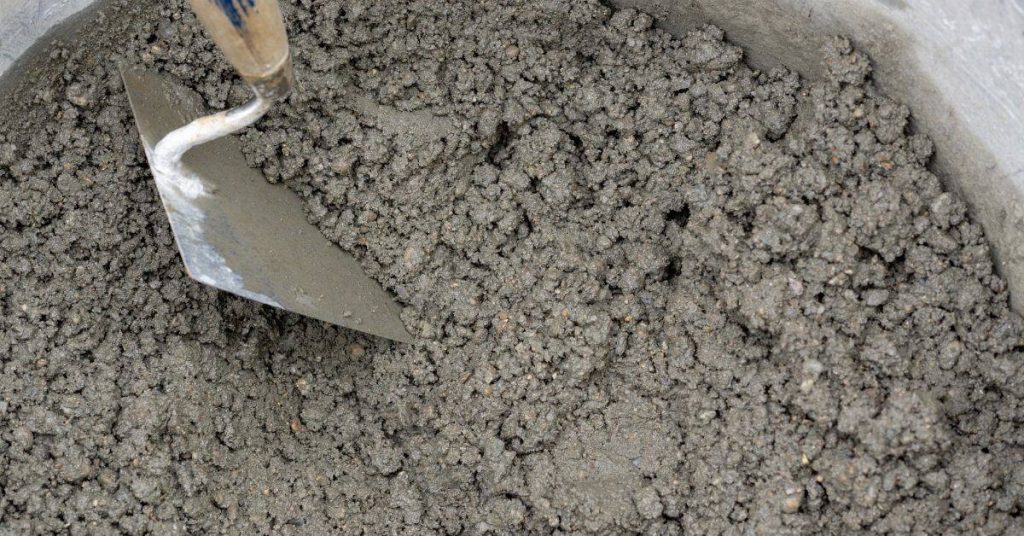
Close-up of wet mortar mix with a metal trowel in bucket

Rain Hit Your Fresh Mortar? Protection Steps, Damage Checks, and When You Need to Redo the Joint

Introduction Rain on fresh mortar can range from a minor nuisance to a ruinous washout depending on how soft the joint was and how long it was exposed, so act fast to protect and assess it. Cover undisturbed mortar with a breathable tarp or plastic supported off the joint until it firms, and check product

Rain Hit Your Fresh Mortar? Protection Steps, Damage Checks, and When You Need to Redo the Joint Read More »

Gloved hands use blue-handled pointing tool to fill brick joints.

Mortar for Old Masonry: Step-by-Step Timeline and Duration Guide

Introduction The process of repairing or repointing old masonry with the right mortar can seem daunting, especially when considering the time it takes. This step-by-step guide breaks down the timeline and duration of each stage to help you plan your project effectively. Whether you’re a seasoned DIYer or a first-timer, understanding the time commitment involved

Mortar for Old Masonry: Step-by-Step Timeline and Duration Guide Read More »