Brick & Block

Brick & Block covers practical how-to guides for masonry projects, from small repairs to building simple walls.

You’ll find articles on mortar basics, mixing and tooling joints, setting bricks/CMU blocks, fixing cracks, and common beginner mistakes. I focus on real-world steps and materials that actually work on site.

If you’re planning a brick, block, or mortar project, start here and work your way through the basics before you jump into the more specialized guides.

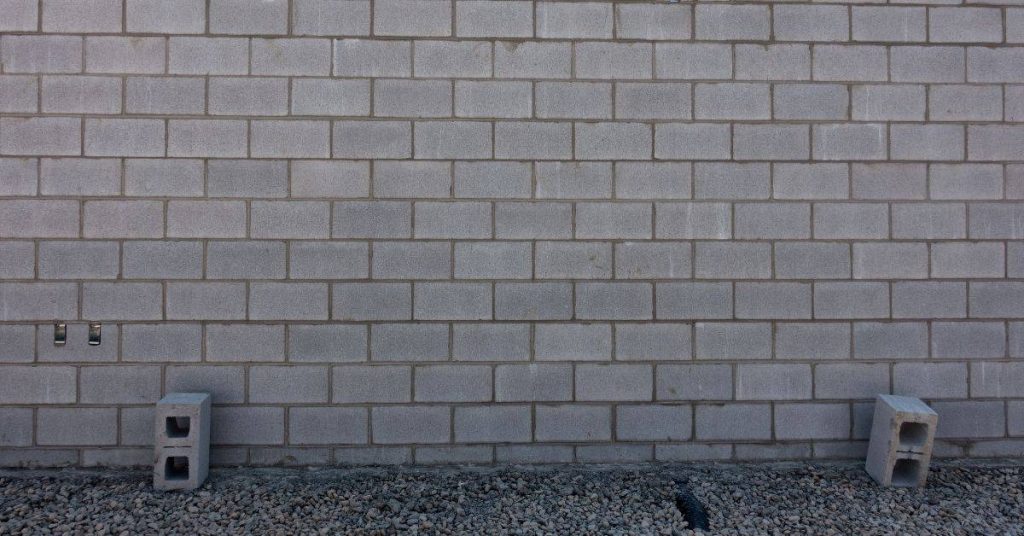
Gray concrete block wall with gravel base and two hollow concrete blocks

Anchoring Into Concrete Block: Hollow vs Grouted Cells and Proper Fastener Choices

Introduction Anchoring into concrete block means using the right anchors and installation technique to secure fasteners into hollow or grouted cells. The choice depends on whether you’re dealing with hollow sections or fully grouted blocks, so consult the anchor’s instructions and the block type before proceeding. Plan for safe drilling, clean holes, and proper seating […]

Anchoring Into Concrete Block: Hollow vs Grouted Cells and Proper Fastener Choices Read More »

Paint roller applying white paint on wall surface

How to Paint Concrete Block Without Trapping Moisture: Breathability vs Washability

Introduction Painting concrete block should let moisture escape while protecting the surface. That balance is breathability vs washability, not just color. You’ll need guidance from labels and local rules. Start by cleaning and inspecting for cracks, then plan a breathable, washable finish. Check product labels for vapor permeability and washability, and follow manufacturer instructions. If

How to Paint Concrete Block Without Trapping Moisture: Breathability vs Washability Read More »

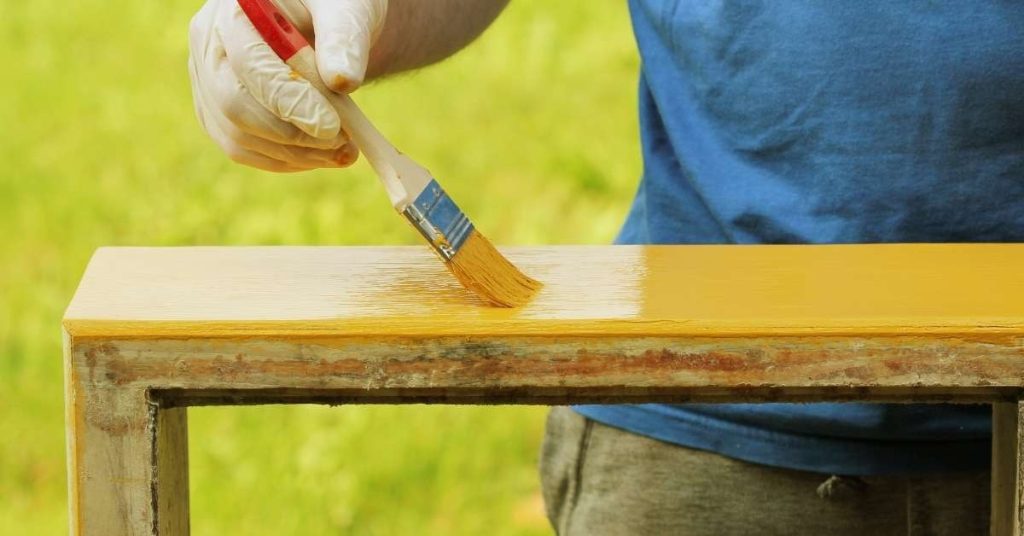
Person painting wooden frame with yellow paint brush

Painting Masonry Indoors: Managing Moisture Drive and Picking a Mineral Coating

Introduction Painting masonry indoors is about selecting a mineral coating and managing moisture to prevent staining and failure. Understanding moisture drive helps you spot efflorescence (mineral deposits) and mold so you treat the wall correctly. This article gives a hands-on, plain-English guide for safely assessing walls, cleaning where needed, and choosing a coating that resists

Painting Masonry Indoors: Managing Moisture Drive and Picking a Mineral Coating Read More »

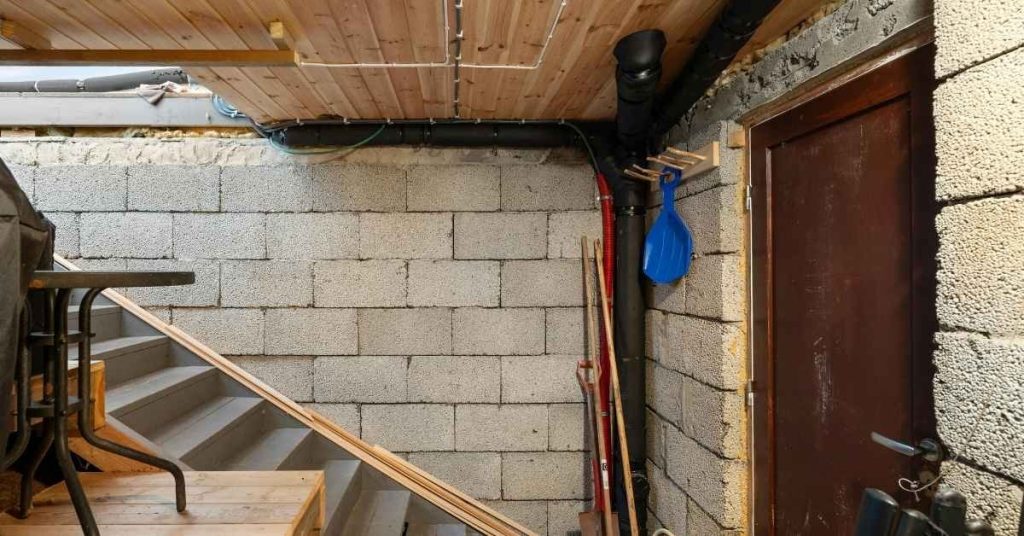
Unfinished basement with concrete block walls and stairs

Setting Anchors in Hollow Block: Screens, Injection, and Pullout Reality

Introduction Setting anchors in hollow block walls means choosing a fastener and method that grip the hollow cores and solid faces to hold a load. For DIYers, two common paths are using a screen-type system or an injection method, each with its own prep and placement steps. This introduction explains what to expect and what

Setting Anchors in Hollow Block: Screens, Injection, and Pullout Reality Read More »

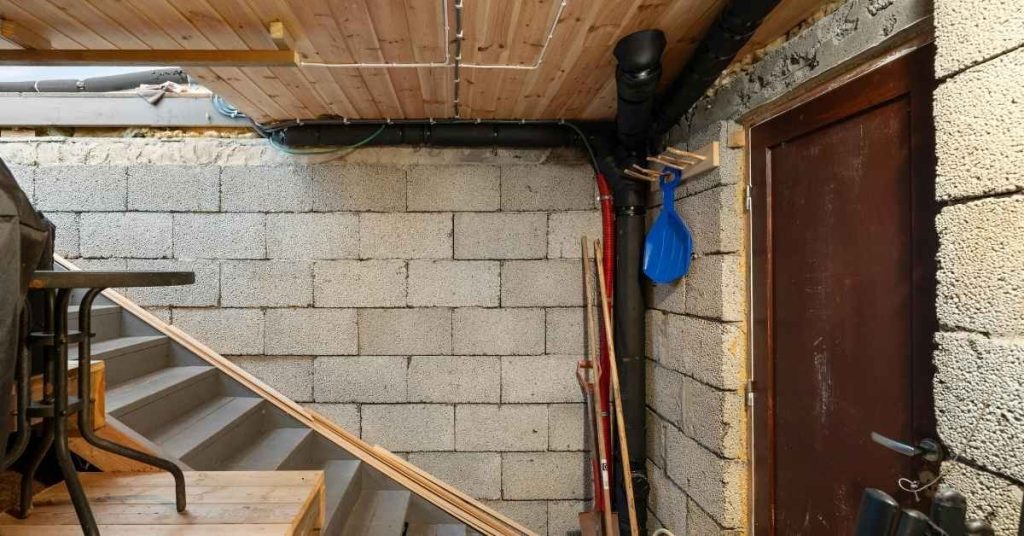
unfinished basement with concrete block walls wooden ceiling and stairs

Setting Anchors in Hollow Block: Screens, Injection, and Pullout Reality

Introduction Anchoring in hollow block means securing fasteners or anchors into hollow concrete masonry units so they can hold a load. In practice, you choose a method based on the block’s hollow cores and what you’re anchoring. This article explains the hands-on steps, what to expect, and how to tell if an anchor is set

Setting Anchors in Hollow Block: Screens, Injection, and Pullout Reality Read More »

rusty masonry trowel with wooden handle on white background

Choosing Caulk for Masonry Joints: Polyurethane vs Hybrid vs Silicone Where Each Wins

Introduction Polyurethane, hybrid, and silicone caulks each have different strengths for masonry joints, and the right choice depends on movement, exposure, and adhesion. In practice, ‘caulk’ and ‘sealant’ are terms you’ll hear used for similar products, but the key is how much they can stretch and how well they grip masonry. This article walks through

Choosing Caulk for Masonry Joints: Polyurethane vs Hybrid vs Silicone Where Each Wins Read More »

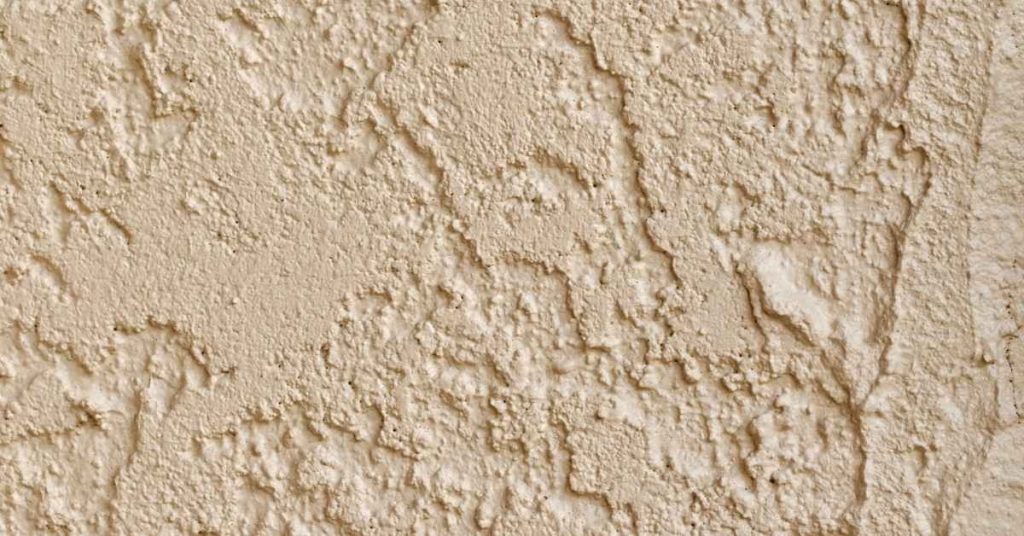
Closeup of textured beige stucco wall surface

How to Seal Brick Safely: Breathable Sealers vs Film Coatings (What to Choose)

Introduction Seal brick safely means choosing between breathable sealers and film coatings to protect the brick while allowing moisture to escape. Breathable sealers let moisture pass through slowly, while film coatings form a surface layer. This article compares how they work and when each is a better fit for DIY projects. For each type, follow

How to Seal Brick Safely: Breathable Sealers vs Film Coatings (What to Choose) Read More »

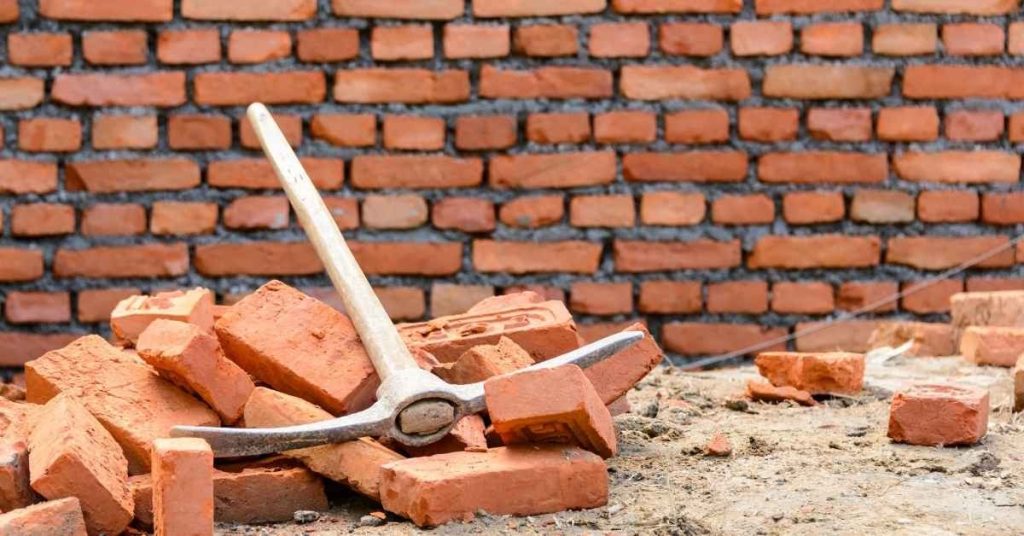
Pile of red bricks with a pickaxe resting on top

Efflorescence on Brick and Block: Removal Methods That Don’t Make It Worse

Introduction Efflorescence is the white, powdery deposit that forms on brick or block when water brings soluble salts to the surface. This article explains simple removal methods that avoid making it worse. You’ll get practical, hands-on steps you can do yourself without fancy tools. Start with the easiest, low-risk approach and test a small area

Efflorescence on Brick and Block: Removal Methods That Don’t Make It Worse Read More »