
Introduction
Blending textures on old plaster walls means smoothing uneven surfaces by using sand grading and sponge timing to achieve a cohesive finish. This article focuses on practical, hands-on steps you can follow in a DIY setting. You’ll balance texture retention with a softer final look while it remains within safe expectations for plaster repair.
You’ll consider texture levels and what grade of finish your walls can support before starting. We cover the tools and materials for plaster repairs, plus a step-by-step skim coating approach and how to time sponge work for the best blend. Safe, practical tips help you judge when to sand, when to re-coat, and how to check for consistency throughout the job.
Key takeaways
- Understand drywall texture grades to match plaster textures before blending.
- Inspect plaster condition and plan repairs with a practical checklist before work.
- Select hand tools and materials for plaster repair, skim coats, and sanding.
- Sand grading basics help optimize aggregate size and finish consistency.
- Use a step-by-step skim coat and light sanding sequence for smooth walls.
- Safety: wear dust mask, eye protection, and keep ventilation during sanding.
Table of Contents
- Introduction
- Key takeaways
- Why Blend Textures on Old Plaster Walls
- Assessing Old Plaster and Planning Repairs
- Tools and Materials Checklist (Selection and Specs)
- Sand Grading Basics: What Sand Grading Is and Why It Matters
- Step-by-Step Sand Grading Technique
- Sponge Timing and Application Techniques
- Combined Workflow: from Prep to Painted Finish
- Safety, Common Mistakes, Cost Considerations, and Maintenance
- Conclusion
- FAQ
Why Blend Textures on Old Plaster Walls
Blending textures helps you decide early whether to preserve the room’s character or move toward a flatter surface. The choice influences light diffusion, paint behavior, and how furniture or art sit in the space. Consider how texture changes will read in both daylight and artificial light.
Begin by evaluating plaster texture depth, any cracks or repairs, moisture history, and overall condition. Quick tests, like checking absorbency or revealing a small patch, can indicate how a blend might respond. Outline when to skim smooth, how to feather edges, and how sponge timing will affect transitions without harsh lines.
When to Smooth Versus Preserve Texture
Before blending textures on old plaster walls, consider several factors to decide whether to skim, blend, or leave the texture as is. This decision impacts practical aspects such as light diffusion and furniture placement.
Historical value, wall condition, room function, and desired aesthetic are key stakeholders in this decision.
First, assess the overall condition of your walls. Check for existing cracks or repairs, moisture history, and texture depth. A quick test like revealing a small patch can gauge how a blend might respond. If the texture is deep, has historical value, and the room function demands character, preserve the texture with minimal blending.
However, if the texture is shallow, wall condition is poor, or room function requires a smooth surface, consider smoothing with patch/skim coats. Be sure to adjust sponge timing (wet vs. damp) or reapply with a lighter touch to avoid abrupt changes in texture.
Visual and Functional Benefits
Blending textures on old plaster walls can significantly impact paint appearance, room brightness, and the perceived quality of finishes. Understanding these effects helps you plan your approach.
Paint appearance, room brightness, and perceived quality of finishes are crucial aspects to consider.
Before full-room work, create 2–3 blend samples on discreet patches. Compare results under room lighting to assess the visual impact. Evaluate light reflectance, primer adhesion, and paint sheen on these blended samples. If the blended texture diffuses light evenly, proceed with your full-room work.
However, if the blended texture creates unwanted shadows or highlights, adjust your blend technique, primer type, or topcoat finish. Re-evaluating primer and topcoat choices or adjusting blending technique can help achieve even results across blended areas.
Assessing Old Plaster and Planning Repairs
Inspect adhesion, delamination, and hairline cracks to determine whether the plaster is lime- or gypsum-based, and identify substrate issues like loose lath or moisture damage. Note any backerboard or moisture history that could affect repair choices. Map problem areas as you go so planning stays realistic.
Assess moisture risk, plaster type, bond coat condition, and existing paint layers. Review any previous repairs that might influence success. Establish a practical repair plan with materials, timeline considerations, ventilation, and a contingency for unexpected findings.
Quick structural checks and problem signs
Before proceeding with texturing, perform a thorough visual and tactile inspection of your old plaster walls to identify urgent repair needs.
Start by tactilely checking for any hollow or spongy areas. These could indicate loose plaster or substrate issues that need immediate attention.
Visually inspect the walls for signs of loose plaster, bulges, moisture stains, and backing concerns such as loose lath or drywall. If any of these issues are found, repair them before proceeding with texturing. Addressing structural issues first will prevent further damage and ensure successful texturing.
Common mistakes include overlooking or improperly repairing structural issues. To avoid this, thoroughly inspect your walls and address any concerns before starting the texturing process.
Creating a flatness map and prioritizing repairs
To efficiently plan and execute repair work, create a flatness map of your old plaster walls. This will help you identify high/low spots, prioritize repairs, and decide whether full skim-coating is necessary.
Use a simple grid or color-coded system to mark high/low spots on the wall. Assess the depth of damage in each marked area to determine the extent of repair needed.
If severe low spots or extensive damage are found, consider full skim-coating. Otherwise, prioritize spot-skimming to minimize time and materials.
It’s common to discover new issues during the repair process. If this happens, re-evaluate your flatness map and repair plan to ensure complete and effective repairs. This will help you avoid incomplete or ineffective repairs and save you time in the long run.
Tools and Materials Checklist (Selection and Specs)
Assess wall condition and surface compatibility to tailor tool and material choices, and determine if a bonding agent or primer is needed. Consider moisture risk and porosity when selecting products. Identify items that are commonly rented versus bought.
Tools include hawks and trowels, a margin trowel, a plaster mixer or drill with paddle, sanding blocks, putty knives, sponges, buckets, and drop cloths. Specify hand versus machine application based on wall area and texture. Check manufacturer specs and local codes for safety guidance.
Essential Tools for Plaster Wall Texturing
Using the right tools ensures efficient application and blending of plaster on old walls.
- Metal Hawk: Transfers plaster from bucket to trowel. Tip: Choose a hawk matching your largest trowel for better control.
- Trowels (Large & Small): Apply and spread plaster. Key specs: Widths vary from 6 to 18 inches. Tip: Longer trowels are ideal for large areas, while shorter ones offer better control for fine finishes.
- Margin Trowel: Used for edging and creating clean lines. Key spec: Typically 6 to 8 inches wide.
- Plaster Mixer or Drill with Paddle: Blends plaster mix evenly. Rental/Buy: Often rented due to size and cost. Tip: Ensure the mixer’s capacity matches your project needs.
- Sanding Block or Multi-Disc Sander: Smooths finished surfaces. Key spec: Grit sizes range from 120 to 220. Tip: Choose a sander that fits the size and shape of your wall area.
- Durable Putty Knives: Apply and remove compounds. Key specs: Widths vary from 1 to 6 inches. Tip: Wider knives are useful for large areas, while narrower ones offer better control for small patches.
- Sponges: Create textured finishes. Tip: Experiment with different sponge types and sizes for varied textures.
- Buckets: Hold plaster mix and water. Key spec: Sizes range from 1 to 5 gallons. Tip: Choose a bucket size that suits your project needs.
- Dust Containment/Drop Cloths: Protect surfaces and contain dust. Tip: Use heavy-duty, low-lint cloths for better results.
Materials and Product Notes
Choosing the right materials ensures adhesion, durability, and desired finish on your old plaster walls.
- Joint Compound/Skimming Compound: Used for filling cracks and creating smooth finishes. Key spec: Lightweight or all-purpose compounds are suitable for most projects. Tip: Avoid heavy-duty compounds for fine finishing work.
- Bonding Primers: Prepare surfaces for better adhesion. Key spec: Choose a primer that matches your plaster type (latex, oil-based). Tip: Ensure the primer is compatible with your chosen plaster mix.
- Patching Plasters: Repair damaged areas. Key specs: Options include gypsum, lime, or cement-based plasters. Tip: Match the existing plaster type for best results.
- Sand: Mixed with plaster to create desired consistency. Key spec: Fine to medium sand is suitable for most plastering tasks. Tip: Avoid coarse sands that can cause an uneven finish.
- Waterproofing/Sealants: Protect against moisture damage. Use when: Working in moisture-prone areas. Tip: Apply sealants after plastering and sanding, following manufacturer guidelines.
- Low-Odor/Sustainable Products: Reduce indoor air pollution. Use when: Working indoors with odor concerns. Tip: Look for products certified by eco-labels like GREENGUARD or ECOLOGO.
Sand Grading Basics: What Sand Grading Is and Why It Matters
Sand grading in plaster finishing means progressively reducing particle sizes as you work, from coarser screenings to finer ones. This sequence helps create a smoother, more uniform base before sponge work and paint. Visual and tactile checks—such as a diminishing texture and a uniform sheen—signal readiness for the next stage.
Proper grading prepares the substrate and improves adhesion for the sponge-touched coats and paint. A quick hand check should reveal a uniform sheen and no grainy spots. If the surface feels slick or remains rough in patches, re-evaluate aggregate size, screen choice, or timing; over-grading or under-grading can compromise texture.
The Grading Principle: Coarse to Fine
Sand grading in plaster finishing follows a logical progression from coarse to fine. This method ensures that significant texture is removed before refining the surface.
Starting with heavier correction: Begin with coarser aggregate to tackle major ridges and imperfections. This step removes the bulk of the texture, preparing the wall for finer refinement.
Finishing with finer abrasion: As you progress through each grade, use finer screens or screensets to smooth edges and create a uniform base for sponge work. This ensures that no rough patches remain to interfere with subsequent coats.
Visual Checkpoints During Grading
As you progress through each grade, use this checklist to ensure your wall is ready for the next stage. Perform these checks in natural or artificial light.
- Uniform reflection: Check for consistent sheen across the surface. Inconsistencies may indicate remaining texture or tool marks.
- Smooth hand-feel: Run your hands over the wall to feel for reduced roughness. Any grainy spots or hollows signal a need for further refinement.
- Absence of visible tool marks: Inspect the wall closely for any remaining marks from previous grades. These should be minimal at this stage.
- Consistent pull with a damp sponge: Lightly dab the wall with a damp sponge to check for even suction. Inconsistencies may indicate over-sanding or hollows.
Quick rule: If any of these checks fail, reapply the current grade before moving on to avoid issues in later stages.

Step-by-Step Sand Grading Technique
Set up with protection, containment, and a small test patch to verify finish. Gather the right tools and materials, including a progression of grits and a dust-collection setup. Keep the workspace tidy to monitor progress accurately.
Follow a sequence from coarser to finer grits, working in small sections with consistent angles. Feather transitions and maintain straight lines to avoid visible halos. Regularly vacuum and dampen as needed to minimize dust and prepare for the next pass.
Step-by-Step Process
The following steps outline a practical sequence for achieving a consistently smooth plaster wall through sand grading.
- Prepare the area: Set up plastic barriers and drop cloths to protect floors and fixtures. Ensure proper ventilation, turning off HVAC if needed. Identify a small test patch to verify finish before full application.
- Gather tools and materials: Collect pole sander or sanding block, assorted grits (60–80, 120, 220), dust-collection vacuum with HEPA filter, damp sponge bottle, and soft-tiber finish trowel for feathering edges.
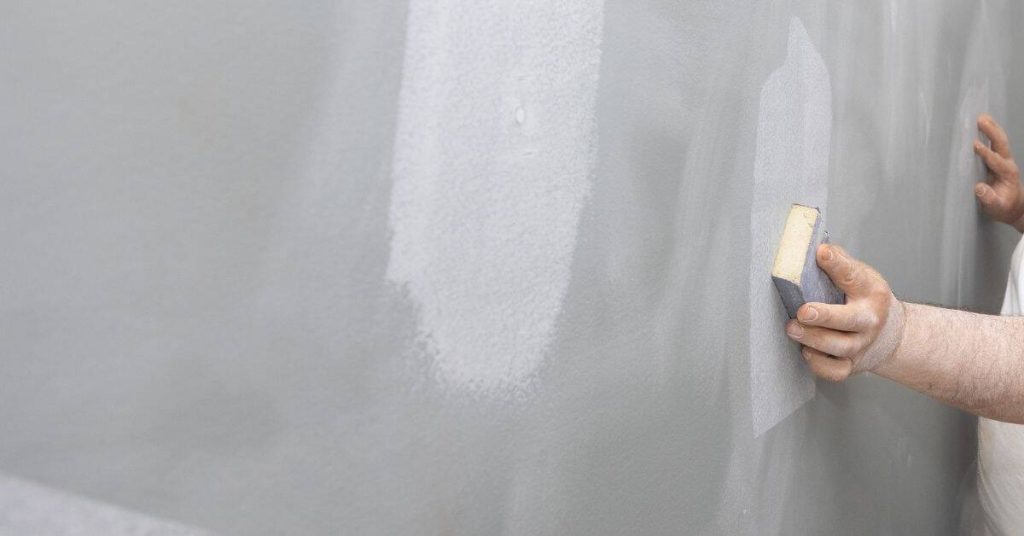
- Sanding sequence: Begin with a light, even pass using coarser grit to knock down high spots. Switch to mid grits for blending, then finish with fine grit for smooth base. Always work in small sections and maintain consistent angle.
- Feather transitions: Focus on feathering transitions between plaster and any raised textures. Keep lines straight using a straightedge or level, avoiding gouges near corners or joints.
- Dust management: Vacuum between passes, lightly mist the surface to minimize dust plume, and wipe down surfaces to reduce dry residue before subsequent passes. Test uneven spots in the small patch, re-sand as needed, and document any problem areas for uniform application across the wall.
Prep, Masking, and Dust Control
Protecting the work area and minimizing plaster dust are crucial for a successful sand grading project. Start by turning off any active HVAC systems in the work area to prevent dust circulation.
Protect floors and fixtures using plastic barriers and drop cloths. This will help contain dust and prevent damage to nearby surfaces.
Set up vacuum-assisted sanding or containment to control plaster dust effectively. Ensure all necessary protective gear, such as goggles, gloves, and masks, is available.
Sanding Sequence and When to Change Abrasives
Achieving an even surface through progressive sanding involves starting with a more aggressive pass to flatten high spots, then making progressively lighter passes until the surface is smooth.
Begin with coarser grit (60-80) to flatten high spots and rough areas. Switch to mid-grit sandpaper (120) for blending minor imperfections. Finish with fine grit (220) for a smooth base.
Know when to stop by assessing the surface after each pass. If deep scratches or roughness persists, re-sand using appropriate grits until the desired finish is achieved.
Cleanup Between Passes
Wiping and HEPA vacuuming between sanding passes are essential for accurately assessing progress and preventing scratches on the plaster surface.
After each pass, wipe down the surface with a damp sponge to remove dust and debris. This will help you see the true condition of the wall and prevent grit from scratching the surface during subsequent passes.
Use a HEPA vacuum for efficient dust collection. If scratches appear after cleanup, re-sand using appropriate grits and clean thoroughly before proceeding with the next pass.
Sponge Timing and Application Techniques
Identify the critical timing window for sponging relative to the compound’s dryness. The surface should feel set but still tacky enough to accept a light pass. Temperature and humidity shift this window, so adjust expectations accordingly.
Test readiness with a skin test and a light fingertip drag, or a scrap-wall mock test. Use controlled pressure and overlapping passes to blend textures without tearing. Have a plan to pause, re-dampen, and resume as conditions change.
When to Sponge: Timing Cues
The optimal moment to start sponging lies within a critical window where the compound feels set but still slightly tacky. This ensures you avoid tearing (if too early) or smearing (if too late).
To determine readiness, perform these quick checks:
- Lightly drag your fingertip across the surface. If no residue pulls off, it’s ready.
- Press gently with your finger. The surface should feel set but still slightly tacky.
If the compound feels dry and hard, wait for a more workable film. If it’s still wet or runny, allow additional drying time. Always recheck surface readiness before proceeding to avoid common mistakes.
Sponge Methods to Blend Textures
To achieve subtle texture blending without creating new ridges, maintain consistent pressure and motion across the wall. Regularly inspect your work for any missed spots or new ridges.
Use even, consistent pressure and motion with your sponge. If the sponge is too coarse, switch to a finer one. If the pressure is too light or heavy, adjust it for better texture blending.
Remember, inconsistent pressure or motion can result in visible ridges. Re-evaluate your technique and tool choice if necessary.
Test-and-Adjust Approach
Before applying the sponge technique to the entire wall, perform small trials in inconspicuous spots. Photograph these test spots under different lighting conditions for an accurate assessment of the results.
Compare your trial results with your desired outcome. If the texture is too pronounced, reduce sponge coarseness or adjust pressure. If it’s not visible enough, increase sponge coarseness or adjust pressure.
If results are inconsistent, re-evaluate and adjust timing, pressure, or tool choice based on test results to achieve your desired finish.
Combined Workflow: from Prep to Painted Finish
Combined workflow integrates repair, skim/patch, sand grading, sponge blending, priming, and final paint with clear checkpoints before each major step. It offers scalable options for partial or full-wall work. The plan emphasizes assessing plaster condition, moisture, cleanliness, ventilation, containment, and safety gear before proceeding.
Starting with prep checks reduces surprises and guides decisions about spot or full-wall work. The framework explains when to skim versus patch, how to sequence sanding and blending to avoid halos, and when sealing is needed. It helps readers pace the job, manage materials, and recover quickly if texture mismatches or moisture issues arise.
Full-Wall Blend Texture Sequence
To create a seamless, blended wall texture, follow this step-by-step process:
Inspect and Repair: Begin by thoroughly inspecting your walls. Check base compaction and ensure there are no hidden cracks or damage. Address any issues before proceeding.
Next, apply a Bond Coat. This primes the wall and improves adhesion for subsequent coats. Allow it to dry completely, typically within 24 hours.
Skim/Pad: Apply a thin layer of joint compound using a trowel or pad, working in small sections at a time. This helps even out minor imperfections and creates a smooth base for your texture.
After skimming, allow the wall to dry. Then, lightly Sand Grade using fine-grit sandpaper to remove any excess compound and ensure a smooth surface, typically within 1-2 hours.
Sponge/Blend: Once your wall is completely dry, apply your chosen texture using a sponge or brush. Work in small sections, overlapping slightly as you go. Allow each section to dry before moving on to the next, over a period of 2-3 days.
After applying the texture, allow it to dry for at least 24 hours. Then, lightly sand any raised edges and reapply your texture technique where needed to ensure a seamless blend, typically within 1 hour.
Prime & Paint: Once your texture is completely dry, apply a primer coat. This seals the wall and improves paint adhesion. Allow it to dry according to manufacturer’s instructions, typically within 4 hours.
Finally, paint your walls using your chosen color. Work in small sections, ensuring even coverage and allowing each section to dry before moving on.
Working in sections and blending edges
When painting large areas or multiple panels, it’s crucial to work in manageable sections to avoid lap marks and visible seams. This technique ensures a smooth, consistent finish.
Feathering edges is key when working in sections. Start by lightly dampening a sponge with water and gently dab the edge of your new section, gradually increasing the pressure as you move towards the seam. This helps to blend the new paint into the existing surface.
For multiple panels or passes, use a damp sponge to feather edges, then progressively increase sand grit size (e.g., 120-grit to 220-grit) as you approach seams. This helps to smooth out any inconsistencies and ensures a seamless finish.
Safety, Common Mistakes, Cost Considerations, and Maintenance
Prioritize dust control with wet work and a HEPA-equipped vacuum, and use appropriate PPE and ventilation. Contain work areas to protect occupants during dust events. Plan for safe handling and disposal of debris.
Lead-age plaster requires testing and proper precautions; know when to halt DIY work and call a professional. Avoid common mistakes such as over-sanding, mis-timed applications, inconsistent mixes, and skipping a base coat. Plan budgets and maintenance steps to protect texture and finish over time.
Safety and Hazardous-Material Precautions
Protecting occupants from dust and lead exposure is crucial when working on old plaster walls. The right materials and safety measures ensure a successful project without compromising health.
- Respirator: Use a respirator with a P100 filter to protect against dust and lead particles. Check: Ensure the respirator fits properly and is certified by NIOSH.
- Lead Testing: Test surfaces for lead before starting work using a lead test kit. Pro Tip: If lead is present, encapsulate or hire professionals for removal.
- Containment: Seal off the work area with plastic sheets and tape to contain dust. Avoid: Letting dust spread throughout the house.
- Goggles and Coveralls: Wear goggles and coveralls to protect skin and eyes from dust and lead. Check: Ensure goggles fit well and coveralls are clean before use.
- HEPA Vacuum: Use a HEPA vacuum for regular cleanup during work. Avoid: Using regular vacuums that can disperse dust back into the air.
Common Mistakes and Fixes
To achieve the desired texture, avoid these common DIY mistakes:
- Over-sanding: Avoid sanding too aggressively to prevent gouging and damaging the wall surface. Fix: Lightly sand any over-sanded areas.
- Rushing Sponging: Do not rush sponging before plaster or joint compound has set properly. Avoid: Rushing work due to improper ventilation.
- Inconsistent Mixes: Maintain consistent mix ratios for plaster and joint compound to avoid weak bonds. Pro Tip: Adjust timing or add/remove water from the mix if needed.
- Skipping Base Coat: Apply a proper base coat before texturing to ensure even coverage. Avoid: Skipping this step can lead to inconsistent texture and poor adhesion.
By avoiding these common mistakes, you’ll achieve the desired texture with minimal rework.
Cost, Time Planning, and Upkeep
Efficient use of resources and long-term durability depend on proper cost and time planning. Consider the following:
Budgeting: Budget for materials (plaster, joint compound, sandpaper, sponges), tools (sander, vacuum, spray bottle), personal protective equipment (PPE), disposal, and potential professional services.
Rent tools if possible to save costs. Buy multi-use products where feasible to maximize your investment.
After painting, schedule touch-ups seasonally or based on inspection findings to maintain the texture’s durability. Seal or prime finished walls to protect the texture, and clean gently using recommended methods. Repair patches as needed to maintain long-term results.
Conclusion
Blending textures on old plaster walls comes down to careful prep, correct sand grading, and disciplined sponge timing. When you plan for safety, test small patches, and proceed in controlled steps, the result will look durable and even without causing further damage.
Finish plan: verify plaster condition, protect surrounding surfaces, set up a stable work area, test the chosen sand grade on a hidden patch, mix only what you will use, apply in light, overlapping passes, wipe with a damp sponge at the right interval, inspect for uniform texture, then let a proper curing and painting cycle follow. Use the smallest practical batches and label any mixes to avoid cross-contamination.
Two common mistakes to avoid are rushing the process and using an inappropriate sand grade or sponge timing, which leads to inconsistent texture or pulled areas. Safety rules are simple: wear eye protection and a respirator or mask when dust is present, keep ventilation good, shield floors and furniture, and work in good light with a clear plan. Always test a patch first and stop if you see cracking, lifting, or ongoing moisture issues.
If plaster shows deep cracks, loose channels, or signs of structural movement, or if the surface fails a small-area test, call a professional. Otherwise, following these steps with patience will yield a blended finish that respects the wall’s age while improving appearance and durability. Stay steady, check your work often, and you’ll finish with confidence.
FAQ
What are drywall texture grades and how do they relate to plaster walls?
Texture grades describe the level of roughness or smoothing on a wall surface. For plaster, compare the current texture with common finish levels and plan your skim coat and sanding to achieve a consistent look. Check manufacturer guidance or local standards if you have concerns about matching existing textures.
Which tools and materials are commonly used for plaster wall repair and texture blending?
Use tools such as a wide splice trowel, sanding blocks, and a sponge for finishing. For materials, prepare appropriate plaster or skim coatings, bonding agents as recommended by the product label, and compatible patch compounds. Always follow manufacturer instructions and verify suitability for plaster before use.
What is the step-by-step skim coating process for blending textures on plaster?
Start with a clean, dampened surface and apply a thin, even layer of skim coat. Allow it to set only as directed by the product, then lightly sand the surface to smooth out high spots. Repeat as needed until the desired level is achieved, always checking the label for curing and usage details.
How can I achieve a smooth finish through sanding techniques?
Use a medium to fine sanding block or sanding screen to gently blend ridges without removing too much material. Work in small sections and wipe dust frequently to assess progress. Stop when the surface looks uniform and ready for priming and painting, per product instructions.