
Introduction
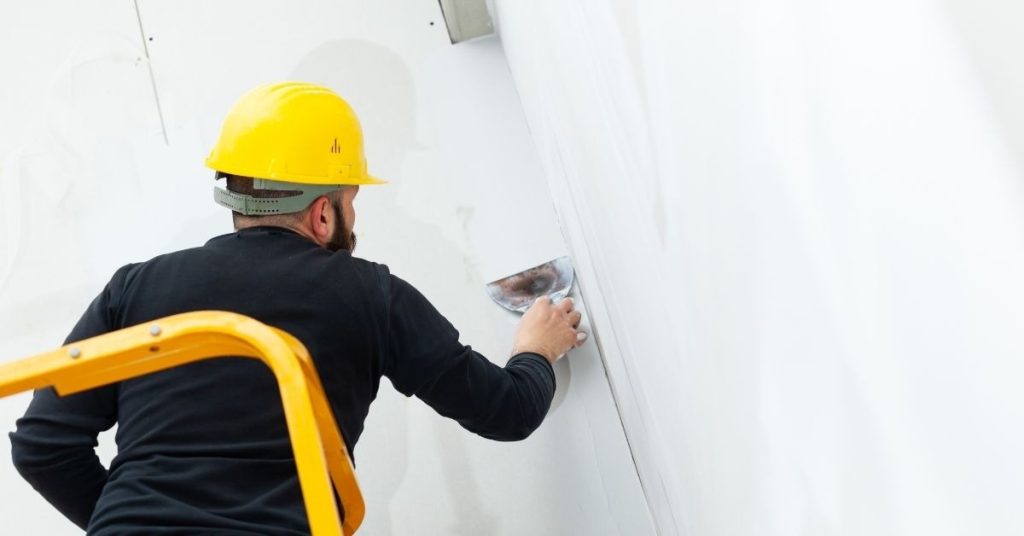
Spot repair and full-wall rework are two approaches to restore or adjust sheen on polished plaster finishes. This article compares when to use each method and what you should expect in terms of result and effort. It keeps the focus practical, with plain-language guidance you can follow on a real job.
Polished plaster has a soft, luminous look that can be altered by light scratches, dull patches, or uneven sheen. Differences between spot repair and full-wall rework depend on the size of the area and the desired final gloss, so plan accordingly and check manufacturer instructions for compatible products. You’ll need basic tools and materials, clear step-by-step steps for both methods, and a methodical approach to surface prep, application, and finishing.
Key takeaways
- Assess sheen inconsistencies by small-area tests before deciding spot repair versus rework.
- Polished plaster finishes vary; identify binder, gloss level, and porosity characteristics.
- Spot repair focuses on localized restoration; full-wall rework addresses overall sheen.
- Prepare surface with dust removal, moisture check, and proper compatibility primers.
- Gather tools and materials: trowels, sponges, consistent finish, sealant, and cleaners.
- Plan time buffers for drying and curing; safety gear is mandatory.
Table of Contents
- Introduction
- Key takeaways
- Understanding Polished Plaster Finishes and Sheen Levels
- Deciding Between Spot Repair and Full-Wall Rework
- Tools and Materials Checklist
- Surface Inspection, Preparation, and Planning Phases
- Step-by-Step Spot Repair Process
- Techniques for Seamless Full-Wall Rework
- Longevity, Maintenance, and Durability Considerations
- Cost Estimation and Time Planning
- Conclusion
- FAQ
Understanding Polished Plaster Finishes and Sheen Levels
Polished plaster comes in several common varieties, including Venetian and Marmorino, each with its own binder system and application method. The binder, pigments, and glossing or polishing steps influence depth and apparent translucency. These factors create inherent differences in sheen and color intensity that matter for repairs.
Finish types range from matte to satin to gloss, and they interact with underlying sheen to affect how repairs blend visually. The binder load and polish sequence can alter reflectivity, making patches appear brighter or duller than surrounding areas. Practical repair considerations vary with finish, guiding whether to spot patch or rework an entire wall. Use a quick checklist to diagnose sheen differences and pick compatible patching and finishing products by checking labels, datasheets, or manufacturer instructions.
Types of finishes (matte, satin, gloss) and their characteristics
Polished plaster finishes come in various sheen levels, each with distinct visual and tactile properties. Understanding these differences is crucial for selecting appropriate repair methods.
Matte plasters have a low sheen and subtle texture. They reflect minimal light, making repairs less noticeable but requiring careful matching to avoid contrast.
Satin plasters offer a moderate sheen with slight texture. Their increased reflection may make repair edges visible, suggesting full-wall rework for optimal results.
Gloss plasters have high sheen and a smooth surface. They reflect significant light, making repairs challenging to hide and often requiring full-wall rework or expert touch-up.
How application and polishing affect sheen
Matching sheen in repairs depends on understanding the original wall’s application and polishing techniques. Trowel technique, burnishing, and layering all influence final sheen.
Thin layers with light burnishing, as seen in Venetian plaster, result in subtle sheen variations. Careful matching of layers is essential for blending repairs.
Thicker layers with heavy burnishing, typical of Marmorino plaster, yield more consistent sheen. Repairs should focus on color and texture match rather than sheen.
Review product instructions to understand the trowel technique, burnishing, and layering details used in your specific polished plaster finish.
Visual checkpoints for assessing sheen variations
Before starting repairs, use this checklist to diagnose sheen mismatches accurately. This helps in devising targeted repair strategies.
- Light direction and angle: Observe how light reflects off the surface at different angles to identify sheen variations.
- Texture: Inspect for inconsistencies in texture, which may indicate sheen differences due to polishing or application.
- Color consistency: Check for color variations that might suggest sheen differences.
- Gloss level: Compare the gloss level of the damaged area with surrounding undamaged areas.
- Polishing technique: Inspect the polishing marks and their consistency across the wall.
- Layering effects: Look for variations in layering that might cause sheen differences.
- Reflection points: Identify areas where light reflects differently, indicating potential sheen variations.
- Edge blending: Check if repair edges blend seamlessly with the surrounding wall or stand out due to sheen differences.
Quick rule: Regularly consult this checklist throughout the repair process to ensure consistent results and minimize sheen mismatches.
Deciding Between Spot Repair and Full-Wall Rework
Start with a clear framework that groups damage by size, location, and cause, then map these factors to recommended approaches. Consider whether the issue is limited to small areas or extends across multiple panels. Use this to decide between spot repair and full-wall rework.
Align your choice with finish type and sheen grade, noting how pigment consistency and glaze layers affect color matching and texture blending during repair. Evaluate whether lighting will reveal patchwork or if color and texture differences are unacceptable in the space. Create a simple flow or checklist to guide the decision, then outline the chosen method for spot repair or full-wall rework with practical steps.
Criteria Checklist for Spot Repair Suitability
Use this checklist to determine if a spot repair is suitable for your polished plaster finish. It’s ideal for isolated surface defects where matching the finish is feasible.
- Damage size: Is it small and localized (<1 sq.ft)?
- Sheen and color match: Can you achieve a close match with available materials?
- Abrasions or scratches: Are they minor and not widespread?
- Water intrusion: Is it limited to the affected area?
- Finish type: Is it matte, satin, or high-sheen?
- Pigment consistency: Can you match the existing color?
- Glaze layers: Are they consistent and repairable?
- Anticipated wear: Will the repair blend seamlessly with surrounding areas?
Quick rule: If damage is small, localized, and matching sheen/color is confirmed, proceed with spot repair. Otherwise, consider full-wall rework.
Signs That Indicate Full-Wall Rework Is Necessary
In some cases, a full-wall rework may be the better option to maintain a uniform appearance. Consider these signs:
Widespread sheen inconsistency: If sheen variation is extensive and cannot be addressed with spot repairs, full-wall rework might be required.
Substrate failure or structural issues: If the underlying substrate has failed or there are structural problems, a full-wall rework will ensure a stable base for your finish.
Multiple repairs needed: If numerous spot repairs are required to maintain a uniform appearance, it may be more practical and cost-effective to perform a full-wall rework.
Risk-Benefit Comparison: Appearance, Time, Cost
Spot repairs offer minimal disruption but may not provide the same consistency and longevity as full rework. Consider these trade-offs:
Appearance: Full-wall rework ensures a uniform finish with consistent sheen and color, but it comes at the cost of more significant disruption.
Time required: Spot repairs are typically faster, but they may need to be repeated if damage is extensive or additional issues arise. Full rework takes longer but provides a comprehensive solution.
Cost: Spot repairs are usually less expensive upfront, but recurring repairs can add up over time. Full-wall rework has higher initial costs but may offer better long-term value.
Tools and Materials Checklist
List essential tools first, separating hand tools, power tools, and any specialty equipment needed for spot repair versus full-wall rework. Include items for surface prep, masking, and final finishing. A separate list covers optional aids that may speed up the work.
Document surface preparation requirements and the corresponding tools, such as brushes, scrapers, grinders, and dust control gear. Include application tools like trowels, floats, skins, brushes, and rollers, noting how each affects sheen blending. Always check product datasheets for compatibility with the chosen plaster finish and substrate before purchase.
Materials for Spot Repair vs Full-Wall Rework
The choice of materials significantly impacts the durability and appearance of your repair. For spot repairs, using small amounts of compatible materials minimizes waste. For full-wall rework, ensure you have enough materials to cover the entire area, maintaining consistency in finishes and substrates.
- Patching Compound (Spot Repair): Used for filling holes or cracks. Look for a compound with good adhesion properties and suitable working time. Choose one that matches your existing wall texture and color for seamless blending.
- Matching Pigment/Tint: To maintain the original wall color, use a pigment or tint that closely matches your existing paint. This is especially crucial when repairing small areas to avoid noticeable patches.
- Primer/Sealer (Spot Repair): Apply a primer/sealer before painting to ensure proper adhesion and prevent tainting. Opt for one that’s compatible with your chosen patching compound and paint.
- Finishing Plaster (Spot Repair): For texture matching, use a finishing plaster that mimics your existing wall finish. This helps create a uniform appearance after repair.
- Joint Compound (Full-Wall Rework): Used for taping and jointing new drywall or repairing extensive damage. Choose a compound with the appropriate setting type (lightweight, all-purpose, or heavy-duty) based on your needs.
- Finishing Plaster (Full-Wall Rework): For full-wall rework, use a finishing plaster that matches your desired final wall texture. Ensure it’s compatible with the joint compound and substrate for optimal results.
- Primer/Sealer (Full-Wall Rework): Apply a primer/sealer to seal the new plaster and provide a uniform surface for painting. Choose one that’s suitable for your chosen paint type.
Pro tip: When buying materials, check product labels for compatibility with your existing surfaces and finishes. Always follow manufacturer instructions for mixing and application to ensure durability and longevity of the repair.
Tools and equipment (hand tools and power tools)
The right tools ensure a smooth, efficient job when working with polished plaster. Here are essentials and options to consider:
- Trowels: Essential for applying and spreading polished plaster. Choose from 6″ to 12″ sizes depending on the area; larger trowels cover more ground but may be less precise.
- Spatulas: Optional, useful for touch-ups and small repairs. Stainless steel or plastic options available; choose based on personal preference and job size.
- Burnishers: Essential for achieving a smooth, glossy finish. Available in various sizes (6″ to 12″); larger burnishers cover more area but may require more pressure.
- Mixing buckets: Essential for mixing polished plaster. Choose durable, sturdy plastic or metal buckets; avoid cheap options that may leak or break.
- Sandpaper (120-grit to 400-grit): Optional, used for light sanding before burnishing and removing any imperfections. Start with coarser grits and progress to finer ones; avoid using too coarse as it can damage the surface.
- Polishers (optional): Power tools that speed up the burnishing process. Available in various sizes and speeds; choose based on job size and personal preference. Renting may be cost-effective for occasional use.
Pro tip: When combining hand tools and power tools, start with hand tools to ensure even coverage and proper adhesion. Use power tools sparingly and only where necessary to maintain a consistent finish.
Backup supplies and test materials
Having extra materials on hand ensures you can touch up any imperfections after installation and maintain consistency with your main surface. The right backup supplies will also help you test blends before working on the main area.
- Extra mixed material: Keep a small amount of the same mix used for your main surface to ensure color and sheen match. This is crucial for touch-ups and blending with existing areas.
- Color swatches: Obtain color swatches from your paint or stain supplier to verify the shade you’re using matches the main surface exactly. This helps avoid any discrepancies in color.
- Small test boards: Use these to trial blends and test different application techniques before working on the main surface. They allow you to check for compatibility, suction, and working time.
- Backup grout (if applicable): For tiling projects, keep extra grout that matches your main installation in color and type. This ensures any touch-ups blend seamlessly with the existing area.
- Sealer: Have a matching sealer on hand to protect your backup materials and test surfaces from moisture damage or staining. Choose a sealer compatible with your surface material and finish.
Pro tip: When buying backup supplies, always check the product label for compatibility with your main surface’s finish. If unsure, consult the manufacturer’s instructions or seek professional advice to avoid using incorrect materials that could cause issues like cracking, staining, or weak bonds.
Surface Inspection, Preparation, and Planning Phases
Begin with a thorough surface audit that records the existing sheen, finish type, depth, and any prior repairs or coatings. This baseline guides material choice and blending strategies. Note moisture and porosity indicators that could affect adhesion.
Plan masking, containment, and ventilation, and outline a test-patch protocol to confirm color, texture, and bonding behavior. Document patch locations, materials, application methods, drying times, and success criteria to scale to a full-wall repair if needed.
Inspection and documenting the problem
Before starting any repair work, it’s crucial to thoroughly inspect and document the existing surface. This helps ensure targeted repairs and a successful outcome.
- Sheen level: Assess the current sheen level to match during repairs. Use visual checkpoints from your earlier assessment.
- Plaster finish type: Identify the existing polished plaster finish (matte, satin, gloss) for accurate matching.
- Depth and texture: Note the depth and texture of the existing finish to replicate during repairs.
- Previous repairs/coatings: Check for any previous repairs or coatings that could affect adhesion and color matching.
- Light exposure: Document areas with varying light exposure to assess sheen variation.
- Photograph surfaces: Take photographs from multiple angles for reference during the repair process.
- Map defects: Systematically map defects, noting location, size, type (e.g., cracks, holes), and severity. This helps target repairs effectively.
- Document light exposure: Note areas with different light exposure to assess sheen variation and ensure consistent results.
Quick rule: If defects are widespread or severe, consider full-wall rework instead of spot repairs.
Preparing the substrate and surrounding area
Thoroughly preparing the substrate and surrounding area ensures optimal adhesion and longevity of your repair work.
- Clean substrate: Remove dirt, grease, and contaminants using a suitable cleaner to ensure good adhesion. Check product labels for recommended cleaners.
- Remove loose material: Use appropriate tools (e.g., scraper, vacuum) to remove any loose plaster or debris from the repair area.
- Feather edges: Smoothly blend the edges of the repair area into the existing finish using a damp sponge or trowel to create seamless transitions.
- Mask off surrounding area: Protect adjacent areas using painter’s tape and drop cloths to prevent damage from repairs.
- Prime exposed areas: Apply a suitable primer to seal exposed areas and prepare them for repair materials. Check manufacturer instructions for recommended primers.
Quick rule: If the substrate is severely damaged or unstable, consider full-wall rework or consult with a professional before proceeding.
Test patches and color/tint matching
Creating small test patches helps refine the repair process, saving time and materials. Conduct these tests in situ to ensure accurate results.
- Create test patches: Apply a variety of pigments, textures, and burnishing techniques on small, hidden areas to mimic the existing finish.
- Document each patch: Record the composition (pigment, texture, technique) and outcome of each test patch for future reference.
- Evaluate under different lighting: Assess test patches under various light conditions to ensure consistent color matching with the existing finish.
- Compare to existing finish: Carefully compare test patches to the surrounding area to confirm accurate color and texture matching.
Quick rule: If color or texture matching is consistently poor, re-evaluate pigment selection, application technique, or consider full-wall rework.
Step-by-Step Spot Repair Process
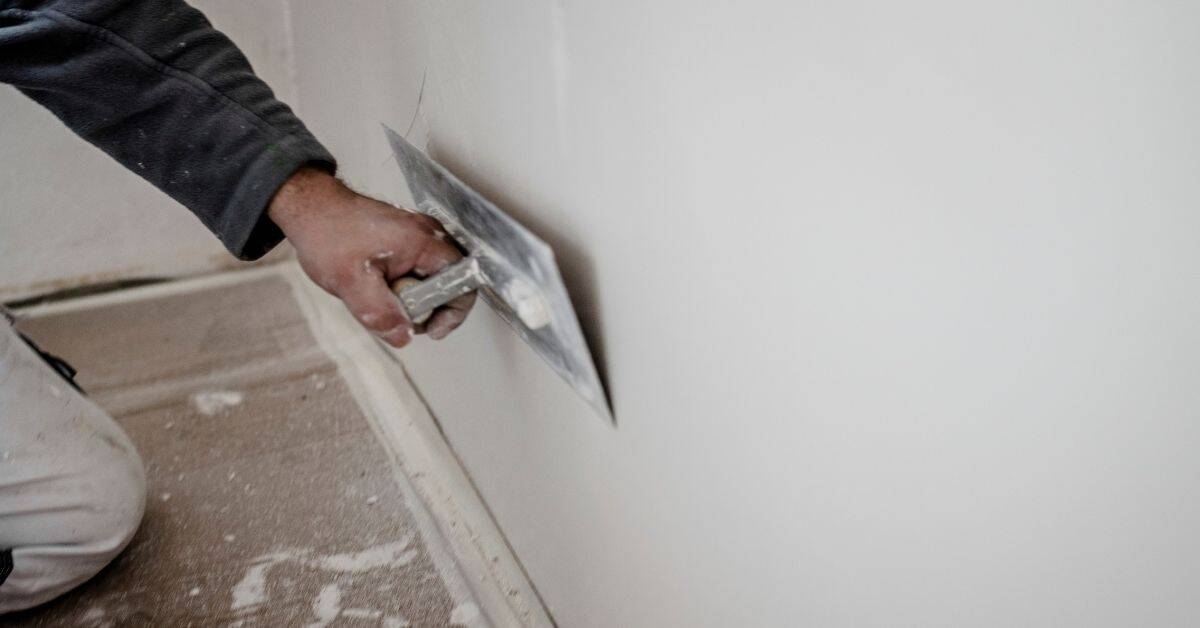
Spot repair on polished plaster focuses on cleaning, patching, texture replication, and blending a subtle sheen without reworking the entire wall. Plan each step to match the existing surface, and follow product instructions for mixing and curing. Use careful, staged applications and test texture and sheen on a scrap or inconspicuous spot first.
This approach matters because it minimizes disruption and preserves the overall finish while allowing gradual blending into surrounding areas. A calm, trial-based workflow helps you catch issues early and adjust texture direction, edge feathering, and sheen alignment before final curing. Remember to check the surface is cool and free of dust or grease, and consider deeper damage needs as a cue to apply additional thin layers, with curing per product instructions. Stakeholders and pro checks remind you to assess size, depth, and texture before starting, and avoid thick patches at once to prevent cracking.
Step-by-Step Repair Process
The following steps outline a practical sequence for performing a spot repair on polished plaster finishes. This process focuses on realistic DIY/home-improvement actions and jobsite habits to ensure a smooth, well-integrated repair.
- Preparation and Safety: Inspect the area before starting to ensure suitability for spot repair. Wear appropriate PPE, clean the surface using a suitable method, and prepare the surrounding area by removing dust and degreasing as needed.
- Patch Material Application: Choose a compatible patching compound, mix it according to product instructions, and apply it in thin layers to avoid visible transitions. Ensure proper humidity and cure times are followed.
- Texture Replication: Mimic the existing plaster texture using trowel mark direction, stippling vs. smoothing techniques, and feathering edges to avoid visible transitions. Test the texture on a scrap or inconspicuous spot before full application.
- Sheen Blending Strategy: Plan for gradual blending into surrounding areas by trialing small-scale tests first. Use appropriate sealers or topcoats, and align sheen levels to match the existing finish.
- Curing and Final Checks: Monitor cure time as per product instructions, inspect sheen in different light conditions, and perform incremental touch-ups until the repair is visually integrated with the surrounding area. Ensure proper drying times are followed before applying any sealers or topcoats.
Small-area patching and texture matching
Achieving a seamless, textured repair in small areas requires careful application of patch material and replication of the existing plaster texture. This can be accomplished by applying thin layers of patch material, recreating the texture with tools, and feathering edges to avoid visible transitions.
Thin layer application is crucial for maintaining a consistent surface level. Apply patch material in thin coats, allowing each layer to cure according to product instructions before applying the next. This helps prevent visible transitions between the repaired area and the surrounding finish.
Recreating the existing texture involves using trowel mark direction, stippling vs. smoothing techniques, and feathering edges. Test these techniques on a scrap piece or inconspicuous spot before full application to ensure consistency with the existing plaster finish.
Achieving a blended sheen in spot areas
Matching the surrounding sheen is essential for visual integration of the repaired area. This can be achieved through trial burnishing, adjusting polishing direction, and layered finishing techniques.
Trial burnishing involves testing different burnishing techniques on a small test area to determine the best method for achieving the desired sheen level. This helps ensure that the repaired area blends seamlessly with the surrounding finish.
Adjusting polishing direction can also help achieve a consistent sheen. Ensure that the polishing direction aligns with the existing plaster to maintain visual continuity. Additionally, layered finishing techniques can be employed to gradually build up the desired sheen level, allowing for better integration with the surrounding area.
Curing, inspection, and touch-ups
Monitoring cure time, checking sheen in different light conditions, and performing incremental touch-ups are essential for ensuring that the repair integrates visually with the surrounding area.
- Monitor cure time: Follow product instructions to ensure proper curing of the patch material. Inadequate curing can lead to adhesion issues or visible transitions between the repaired area and the surrounding finish.
- Inspect sheen in different light conditions: Check the repaired area under various lighting conditions to ensure consistent sheen levels with the surrounding plaster. Inconsistent sheen can indicate improper blending or curing issues.
- Perform incremental touch-ups: If any inconsistencies are detected, perform additional touch-ups to better integrate the repair with the surrounding area. This may involve reapplying patch material, adjusting texture techniques, or refining sheen levels.
- Check for visible transitions: Inspect the repaired area closely for any visible transitions between the patched section and the surrounding finish. If present, perform additional touch-ups to blend these areas more effectively.
- Ensure proper drying times: Allow sufficient drying time between applying patch material, sealers, or topcoats to prevent issues such as lifting or improper adhesion.
Quick rule: If the repair remains visible after touch-ups, consider consulting a professional for further assistance in achieving a seamless finish.
Techniques for Seamless Full-Wall Rework
Assess the wall from edge to edge to identify compromised layers, moisture issues, and substrate readiness. Define tolerances for texture, sheen, and color uniformity across the entire surface. Plan a continuous workflow that minimizes visible boundaries.
Standardize material mixing and application to maintain uniform batch consistency. Outline a layer removal and prep plan that protects edges and preserves substrate integrity. Establish a texture and sheen workflow with controlled lighting checks and regular sampling points.
Layering, Application Sequence, and Timing
Consistent layer thicknesses are crucial for maintaining even texture and sheen across the entire wall. Follow manufacturer guidance on drying intervals to prevent issues like delamination or uneven curing.
Inspect each layer’s consistency before proceeding to the next. If uneven layer thickness is observed, remove and reapply the problematic layer after sanding or skimming any uneven areas with consistent pressure.
Pro Tip: Always verify drying times between coats on the product label or datasheet.
Achieving Uniform Sheen Across Large Surfaces
Whole-wall polishing techniques, consistent burnishing pressure and direction, along with whole-wall test strips help achieve a seamless finish. Use controlled lighting to monitor sheen uniformity during polishing.
Inspect test strips for consistent sheen before final polish. If inconsistent sheen is observed on the test strip, adjust your burnishing technique or reapply problematic areas.
Common Mistake: Inconsistent pressure and direction can lead to uneven sheen; ensure both are maintained throughout the process.
When to Consider Professional Help for Full Rework
Complexity indicators like large areas, structural substrate issues, or high-end finishes may require hiring an experienced applicator. Evaluate your personal experience and available resources before starting the project.
Assess the scope of work, considering area size and finish requirements. If the project complexity exceeds your capabilities, consider hiring an experienced applicator after consulting with professionals, obtaining quotes, and comparing credentials.
Pro Tip: Don’t hesitate to seek professional help when needed; it can save time, money, and ensure a high-quality result.
Longevity, Maintenance, and Durability Considerations
Spot repairs can disrupt sheen consistency and color matching over time, so long-term appearance depends on how the repair integrates with surrounding areas and how dye or pigment holds up under use. Maintenance routines should include regular dusting, light cleaning, and periodic inspections to catch wear or sheen mismatch early, with cleaning methods compatible with polished plaster as per manufacturer guidance. A simple on-site check under natural light helps detect subtle differences in sheen or discoloration before they become noticeable problems, and if issues appear, follow appropriate care and rework steps.
Why it matters: environmental factors such as moisture, humidity, temperature swings, and UV exposure can influence durability and patch integration, making aftercare and product care guidance essential. Consistent routines and timely re-coats align with product data and help preserve appearance, while understanding substrate movement and sealers or topcoats ensures compatibility and longevity. In practice, a cautious approach—checking label instructions, using approved cleaners, and scheduling professional re-treatment when needed—keeps polished plaster looking uniform and minimizes long-term maintenance costs.
Maintenance routines to preserve sheen
Regular maintenance is crucial for preserving the original sheen of polished plaster finishes. Gentle cleaning methods and protective measures help maintain consistency in appearance and prolong the life of your finish.
Inspect for any signs of wear, dullness, or discoloration during routine checks. Gently clean using a soft, dry cloth or microfiber mop with manufacturer-recommended cleaner if dust or dirt accumulation is visible.
Always verify the manufacturer’s recommended cleaning methods and frequencies to ensure you’re caring for your finish appropriately. Avoid harsh chemicals and abrasive materials that can damage the sheen, and consult professional advice if unsure.
Environmental impacts and durability
Understanding environmental factors is key to maintaining the appearance of polished plaster and preventing premature aging. Inspect for signs of efflorescence, cracks, or delamination due to environmental stressors before repairing.
Assess humidity levels, temperature fluctuations, and UV exposure in the area. If high humidity or moisture is present, address the source and consider using moisture-resistant materials or sealers. If severe temperature swings or UV exposure are evident, consider protective measures like window films, awnings, or interior climate control.
If environmental factors cannot be controlled, consider using more durable materials or applying additional protective coatings to extend the life of your finish.
When repairs may need repeat attention
Addressing root causes prevents recurring issues and saves long-term maintenance costs. Inspect for signs of substrate movement, moisture intrusion, or other underlying issues that may be causing repeated damage.
If substrate movement is detected, stabilize the substrate and consider using flexible materials or additives to accommodate minor movements. If moisture intrusion is suspected, identify and address the source of moisture, and use appropriate water-resistant materials or sealers.
If recurring issues persist despite attempts at repair, consult a professional to assess and address the root cause. This will help ensure that your repairs last longer and maintain their appearance over time.
Cost Estimation and Time Planning
Break the project into material, tool, and labor categories, separating base materials from consumables and contingencies. Consider waste factors and optional add-ons when outlining scope. Use this framework to compare quotes accurately.
Develop a simple timeline that covers prep, application, cure times, and final inspection. Include buffers for environmental constraints and potential rework. Gather multiple quotes, verify coverage and compatibility, and document assumptions and milestones for reference.
What drives material and labor costs
The choice of materials significantly impacts the final result and overall budget. Key cost drivers include:
- Finish type: Different sheens (matte, satin, gloss) have varying prices based on ingredients and production processes.
- Repair size: Larger areas require more materials and labor, driving up costs.
- Access complexity: Hard-to-reach or intricate areas may need specialized equipment or extra time, increasing labor costs.
- Required expertise: Specialty finishes or complex repairs demand skilled professionals, adding to labor expenses.
- Specialty pigments or stabilizers: Unique colors or additional additives can significantly increase material costs.
Project timeline considerations and staging
A realistic project timeline ensures timely completion without compromising results. Consider the following stages:
Inspection: Allocate time for thorough assessment of damage and planning.
Test patches: Allow for color and sheen matching, which may require multiple attempts.
Application: Account for application duration, which can vary based on surface area and complexity.
Cure time: Factor in the necessary drying and curing periods to prevent damage or weak bonding.
Final polishing: Include time for touch-ups and final inspection to ensure a high-quality finish.
Tips to reduce cost without sacrificing results
Effective strategies can minimize costs while maintaining high-quality outcomes. Consider the following:
Accurate diagnosis: Thoroughly assess damage to avoid unnecessary full reworks, saving on materials and labor.
Good planning: Careful project planning minimizes waste and errors, reducing overall costs.
Mixing smaller test batches: Test colors and sheens in small quantities to reduce material waste and ensure the desired result.
Spot repair vs full-wall rework: For minor or localized repairs, consider spot repair instead of full-wall rework to save costs without compromising results.
Conclusion
Polished plaster repairs should enhance durability and appearance without creating new damage. By following careful surface assessment, proper prep, and conservative testing, you protect value and reduce rework.
First, assess the current sheen and damage, confirm the method (spot repair or full-wall rework) with a small-area test, gather and check the materials and tools from your plan, protect nearby surfaces, and follow the manufacturer instructions for any products used; plan the sequence, work in even light, and allow proper curing between steps so the finish stays stable and uniform.
Common mistakes to avoid include overworking patches or overlapping gloss where it won’t blend, skipping a test patch on an inconspicuous spot, using incompatible materials or primers, and neglecting ventilation or personal protection; keep work areas clean, work in segments, and hydrate edges as needed to prevent delamination. If you are unsure about substrate compatibility, room conditions, or product compatibility, consult the labels, manufacturer guidelines, or a local pro before proceeding.
When the damage is extensive, or the substrate shows moisture issues, or you’re dealing with a fragile or highly variable surface, it makes sense to call a professional instead of pushing on alone; otherwise, proceed methodically, document results as you go, and finish with a light, even sheen test in a discreet area to confirm consistency and durability. Stay patient, follow your plan, and you’ll achieve a seamless, durable result.
FAQ
What are the key characteristics of polished plaster finishes that affect sheen repair?
Polished plaster has a smooth base and a translucent glaze that creates depth and gloss. The finish can vary in porosity, hardness, and color consistency, all of which influence how repairs blend. Check the manufacturer’s instructions for finish type and recommended repair approaches.
How do spot repair and full-wall rework differ for sheen issues?
Spot repair targets localized areas with minimal disruption, preserving most of the wall. Full-wall rework revises a larger area to restore uniform sheen and color. Choose based on the extent of sheen mismatch and the wall’s overall condition.
What tools and materials are essential for polished plaster sheen repairs?
Keep a clean set of plastering tools, compatible patching compounds, and finishing abrasives. Use products labeled for polished plaster or lime-based finishes, and follow the manufacturer’s guidance for compatibility. Always check labels, datasheets, and local requirements before use.
What is the step-by-step process for spot repair and for full-wall rework?
For spot repair, prep the area, apply a compatible patch or glaze, and blend the edges to match the surrounding sheen. For full-wall rework, prepare the entire surface, apply the repair layer evenly, and re-buff to achieve uniform sheen. Test a small area first and adjust technique as needed.