

Introduction
Adding insulation behind plaster is placing insulation in the wall cavity behind the plaster to improve warmth while preserving historic trim. It aims to balance preservation with better energy use using approaches that keep trim intact. You’ll work with methods that minimize damage to plaster surfaces and trim during installation.
Common options for historic homes include insulation materials that can fit behind or around the plaster without removing plaster layers, with attention to moisture management and compatibility with existing finishes. You may use targeted approaches and tools that let you install behind the plaster without heavy disruption, following manufacturer instructions and local rules. Gather basic materials and a few common tools, and plan to assess how the chosen method will affect energy performance and humidity control in the wall assembly.
Key takeaways
- Prioritize preserving historic trim by choosing non-invasive insulation methods and minimal wall disruption.
- Inspect plaster and trim before any retrofit to identify attachment and concealed hazards.
- Consider compatible insulation types that avoid moisture traps behind porous plaster.
- Use non-destructive installation methods like cavity lining or exterior sheathing alternatives.
- Follow safety guidelines when handling old materials and potential hazardous dust.
- Coordinate permits and preservation standards with local authorities to avoid violations.
Table of Contents
- Introduction
- Key takeaways
- Project Goals and Preservation Priorities
- Inspecting Wall Construction and Historic Trim
- Insulation Types Suitable for Historic Plaster Walls
- Non-Invasive Installation Methods That Preserve Trim
- Tools and Materials Checklist
- Sealing, Air Barriers, and Moisture Management
- Safety, Hazardous Materials, Permits, and Preservation Standards
- Case Studies and Decision Matrix
- Conclusion
- FAQ
Project Goals and Preservation Priorities
Insulation upgrades should improve thermal comfort and reduce energy use without altering the visual character of original trim, plaster, or moldings. Success criteria focus on no visible changes to profiles, reversible methods, and preserved plaster condition.
Decision factors include historic significance, room function, energy savings potential, budget, and the feasibility of reversible or retrofit options. Start with a current-condition assessment that considers plaster integrity, trim removal feasibility, and any hazardous materials that affect insulation choices.
Preservation-first criteria
Protecting historic trim, moldings, and plaster should be your top priority when adding insulation. Invasive work that risks damaging original fabric must be avoided.
Prioritize spaces based on sensitivity and historical significance. If trim or molding shows signs of fragility, use non-destructive methods such as installing insulation behind furring strips. Similarly, if plaster is in poor condition, consider reversible methods and document any necessary repairs.
Set clear success criteria for minimal-impact insulation. No visible changes to profiles, reversible methods, and maintaining plaster condition should be your goals.
Energy, comfort, and durability outcomes
Adding insulation can significantly improve thermal performance. Expect reduced drafts and more stable indoor temperatures.
However, manage potential trade-offs such as increased humidity or minor changes in room acoustics. If high moisture risk is present, use breathable materials and consider adding a vapor barrier to manage moisture. If acoustics are critical, consider the impact of insulation on room acoustics and plan accordingly.
Realistic expectations are key. While insulation upgrades can lift thermal comfort and reduce energy use, they may not eliminate all drafts or significantly alter room acoustics. Address any issues promptly with appropriate solutions.
Inspecting Wall Construction and Historic Trim
Identify plaster systems and substrates to set inspection expectations for future insulation strategy. Note lath material, plaster type, and typical stud spacing observed during a walk-through.
Document trim attachment methods and condition, including nails, screws, or adhesive, and any backer boards or rebates. Plan careful, non-destructive removal or temporary access where possible to avoid damage.
Identifying plaster, lath, and cavity conditions
Begin by visually inspecting your walls to determine the type of plaster and lath used. Knock on walls to listen for hollow or solid sounds; this quick check can help identify continuous cavities behind the plaster.
Solid plaster: If the wall feels solid, use a probe or make a small hole to check behind the plaster. Look for lath seams and gaps between laths. If no cavities are detected, consider using exterior insulation or interior paneling to avoid compromising historic integrity.
Cavities: If cavities are present behind the plaster, plan for cavity fill insulation such as blown-in cellulose or foam. This will help maintain energy efficiency and preserve historic finishes.
Assessing trim attachment and vulnerable details
Carefully examine your trim to understand how it is attached to the plaster. Gently tap on the trim to listen for hollow or solid sounds, indicating whether the trim is backed or not.
Nailed or screwed trim: If the trim is nailed or screwed on, plan for careful prying and temporary support during reinstallation to avoid damage. Use a screwdriver or pry bar to slowly remove the trim, taking care not to split or break it.
Glued trim or backer boards: If the trim is glued on or has backer boards behind it, consider seeking professional conservation help to avoid damage during removal and reinstallation. Incorrect assessment may lead to damaged trim, increased labor costs, or delays in project completion.
Visual checkpoints and documentation
Before starting any work, use this checklist to guide preservation efforts and support permit reviews. Photograph walls, trim, and vulnerable details, noting wall heights, crown/door/window trim, corner joints, and reveals.
- Plaster condition: Photograph and note any cracks, holes, or signs of damage. Extensive documentation supports preservation efforts.
- Trim condition: Check for loose, damaged, or missing pieces. Highlight unique architectural features in photos and notes for special consideration during work.
- Cavity openings: Photograph any visible cavity openings to plan insulation installation.
- Wall heights: Measure and note wall heights for planning purposes.
- Trim details: Note crown, door, window trim details, and corner joints.
- Reveals: Photograph any reveals or recesses in the plasterwork.
- Scale reference: Include a scale in photos for reference during planning and installation.
- Timestamp and label: Ensure all images and notes are timestamped and labeled for easy identification.
Quick rule: Inadequate documentation may hinder preservation efforts, cause delays in permits, or lead to incorrect installation methods. Always err on the side of thoroughness when documenting historic features.
Insulation Types Suitable for Historic Plaster Walls
Establish compatibility criteria for each insulation type with plaster assemblies and common substrates. Consider lime plaster, gypsum plaster, hardwood lath, and metal lath in the assessment.
Assess moisture management and vapor dynamics behind plaster for each option, noting diffusion and drainage behavior. Compare non-destructive versus minimally invasive installation approaches for blown-in and rigid solutions.
Blown/loose-fill cellulose and fiberglass
Blown-in insulation materials like cellulose and fiberglass conform to the shape of historic wall cavities, making them suitable for irregular or varying depths. They are installed using specialized equipment that blows the loose-fill material into place.
Moisture behavior varies between these two options:
- Cellulose has a higher moisture absorption capacity but also dries out faster due to its porous structure.
- Fiberglass, on the other hand, absorbs less moisture and dries more slowly.
Both materials offer good R-value per inch, providing decent insulation for their thickness. However, they can settle over time, reducing their effectiveness. It’s crucial to ensure proper installation technique to avoid overfilling and damaging historic trim.
Dense-pack cellulose and mineral wool
Dense-pack methods involve installing blown-in insulation at high densities to minimize settling and airflow. This approach is suitable for historic walls with varying cavity depths.
Moisture buffering and vapor openness are key considerations:
- Cellulose has a higher moisture absorption capacity, helping to stabilize indoor humidity levels.
- Mineral wool, while not as effective at moisture buffering, offers better vapor openness, allowing moisture to escape more easily.
Dense-pack methods improve air tightness, reducing infiltration. However, proper installation technique is crucial to avoid compressing the insulation and reducing its R-value.
Thin rigid panels and high-performance blankets
Interior furring with thin rigid insulation or aerogel blankets is a non-destructive option for preserving historic trim. These materials are installed by attaching a furring strip to the wall, then securing the insulation to the strips.
This approach is preferable when preserving historic trim is a priority, as it allows you to maintain reveal lines and cornices. It’s also suitable for narrow walls or deep reveals where thickness constraints are significant.
Thin rigid panels and aerogel blankets offer good R-value per inch and do not settle over time. However, proper installation technique is crucial to maintain air tightness and avoid compressing the insulation.
Non-Invasive Installation Methods That Preserve Trim
Non-invasive insulation methods avoid removing historic trim, using small-hole injections or dense-packing and leveraging gaps behind baseboards or trim pieces. Choose method based on wall construction and trim depth, and verify accessibility before drilling. If cavities are inaccessible or trim is shallow, consider strategic interior surface solutions.
Material choices include cellulose or mineral wool for dense packing, and non-expanding or minimally expanding spray foams, with moisture control to protect plaster and wood trim. Plan hole placement to minimize trim damage, and provide concealment or patching methods without visible impact, plus safety considerations like ventilation and documentation for preservation. Quick check: knock on walls to listen for hollow spots; an experienced installer typically checks cavity structure and trim depth before proceeding.
Injection and Dense-Packing Through Small Drilled Holes
To add insulation without removing historic trim, consider the injection and dense-packing method. This involves drilling small holes into the wall to access cavities, then blowing in loose-fill or dense-pack cellulose or mineral wool.
Hole placement is critical for minimal trim damage and optimal performance. Drill holes approximately 1-2 inches in diameter, centering them within accessible cavities. Use a drill bit slightly smaller than your insulation nozzle to avoid enlarging the hole unnecessarily.
Employ proper blowing technique for dense-packing: fill cavities until you feel resistance, then overfill by 5-10% to ensure complete cavity fill. After blowing, patch holes using a material that matches your trim and can be sanded smooth. Inspect patched holes for visibility and structural integrity.
Pro tip: If cavity depth allows, use smaller holes to minimize patch size. Re-drill and re-patch if holes are visible or structurally compromised.
Working through Trim Gaps and Service Chases
Utilize existing gaps behind baseboards, window casings, or service chases for insulation installation while preserving finish carpentry. These gaps provide access to wall cavities without requiring the removal of historic trim.
Verify that gaps are wide enough for insulation placement; typically, 1-2 inches is adequate. Use a blowing machine with an appropriately sized nozzle to fit the gap. Avoid compressing insulation to maintain its R-value and prevent displacement.
If gaps are insufficient, consider alternative methods or minor gap creation, such as temporarily removing baseboards and replacing them after insulation installation. Inspect completed work for any trim damage or insulation displacement.
Common mistake: If gaps allow, re-insulate to ensure complete cavity fill. Address any trim damage promptly.
Interior Furring and Paneling Alternatives
When cavity fill isn’t possible, consider adding thin insulation and new finishes over plaster using interior furring strips. This method retains original moldings where feasible and improves insulation performance.
Install furring strips spaced appropriately for your chosen insulation – typically between 1/2 to 3/4 inches apart for thin rigid panels or high-performance blankets. Ensure compatibility with existing plaster lath systems, maintaining the integrity of the lath.
Apply new finishes over the furring strips and insulation, aligning them with original moldings as much as possible. Inspect finished work for proper alignment of new finishes with original moldings.
Common Mistake: If insulation fit is poor due to incorrect furring strip spacing, adjust spacing and re-install. Re-align moldings if necessary after installation.
Tools and Materials Checklist
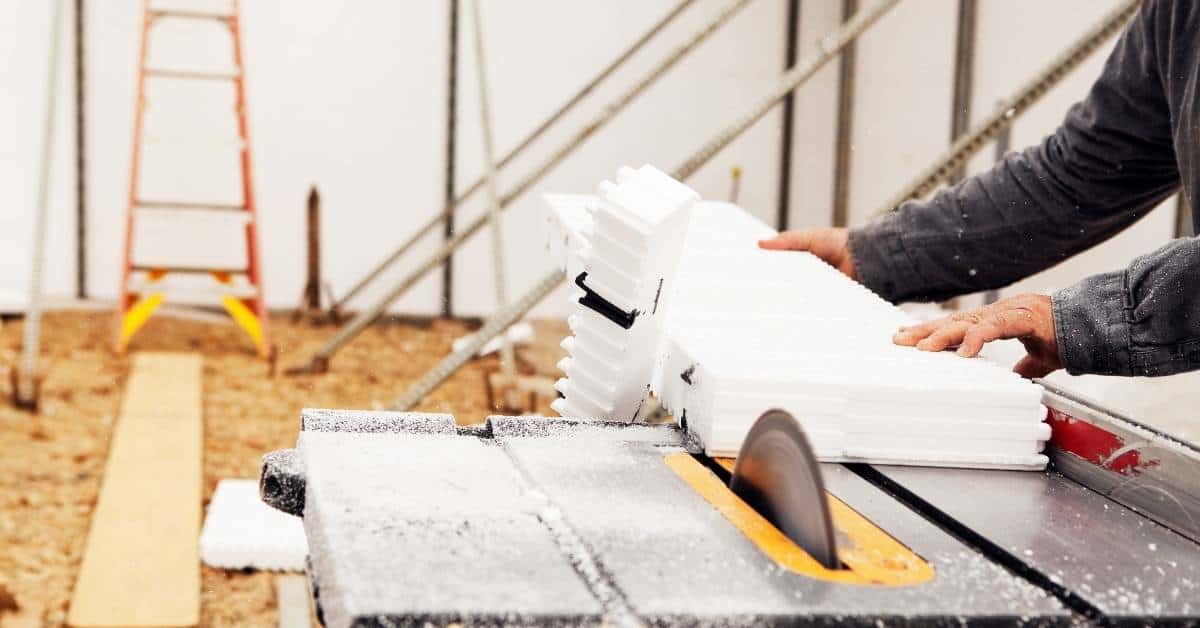
Tools and Materials
For each insulation approach behind historic plaster, use the following practical tools and materials:
- Access: Drills and hole saws. Choose appropriate sizes based on your chosen insulation type.
- Fill: Blowing machine or contractor services. Ensure compatibility with your chosen insulation and follow label guidance for any thresholds.
- Sealing and Repair: Sealants, plaster repair materials.
- Safety and Containment: Personal protective equipment (PPE) and HEPA vacuums.
When choosing insulation type and vapor barriers, prioritize options that minimize trim damage. Ensure appropriate hole sizes and counts for your specific application. Regularly check sealant compatibility, patching methods, and drying times as needed.
To protect delicate plaster surfaces and control dust and moisture:
- Setup: Conduct a pro check, ensure proper containment, and prioritize safety.
- Process: Regularly inspect trim for damage and maintain tool readiness.
- Cleanup: Document your sequence to support accurate drying times and re-sealing of openings.
Required Tools for Drilling, Blowing, and Finishing
Appropriate tool selection minimizes damage to historic trim and facilitates efficient insulation installation.
- Drill: Use a cordless drill (18V or higher) with a variable speed trigger for precise drilling through plaster and lath. Ensure it has a clutch setting to prevent stripping screws.
- Masonry Bit: Drill pilot holes using a masonry bit, then use a hole saw of appropriate size for larger openings. This method helps prevent cracking and ensures clean cuts.
- Injection Nozzle: For dense-pack cellulose or mineral wool insulation, use an injection nozzle designed for your specific insulation type to ensure even distribution and minimal trim damage.
- Blowing Machine: Choose between renting a blowing machine or hiring a contractor with suitable equipment. Opt for a machine with adjustable air pressure to control the flow of insulation. Verify its capacity and safety features.
- Hammer Drill: For dense-pack installation, use a hammer drill compatible with SDS-plus or SDS-max bits to create holes for insulation injection. Regularly clean tools to remove dust and debris, ensuring optimal performance and longevity.
- Tape Measure: Use a retractable tape measure (at least 25 feet) to accurately mark and measure holes and trim gaps before drilling or cutting.
- Level: Use a small torpedo level with an accurate bubble to ensure straight lines when marking and drilling, preventing trim damage.
- Finishing Tools: Have available a putty knife, joint compound, fine-grit sandpaper, and touch-up paint to repair any minor plaster cracks or holes caused by drilling. Regularly clean tools to maintain quality and prevent cross-contamination.
Materials, Sealants, and Repair Supplies
Using compatible materials maintains historic integrity while providing effective insulation. Inspect materials for any damage or contamination before use.
- Insulation: Select blown/loose-fill, dense-pack, thin rigid panels, or high-performance blankets suitable for historic plaster walls (verify type and R-value). Opt for recycled or eco-friendly options when available to maintain historic authenticity.
- Sealant: Use low-VOC, paintable sealants compatible with old plaster (verify label) to minimize damage to historic finishes. Apply sealant using a caulking gun and smooth it with a damp sponge or putty knife for a professional finish.
- Backer Rod: For larger gaps or voids, use backer rod (verify size and material) to support the sealant and prevent sagging. Cut backer rod to length using scissors or a utility knife before inserting it into the gap.
- Plaster Repair Mix: Choose a conservation-appropriate plaster repair mix that matches your existing plaster’s composition (verify ingredients). Follow manufacturer instructions for mixing and application to maintain historic integrity.
- Trim Touch-Up Supplies: Have on hand touch-up paint, stain, or varnish that matches your trim’s finish. Use a small artist’s brush or foam applicator to repair any nicks or scratches caused by insulation installation.
Contractor vs DIY Decision Points
Use this checklist to help decide when to hire specialists versus tackling a DIY job. Making informed decisions helps preserve historic features while ensuring safe, efficient work.
- Complex Trim Details: If your home has intricate or ornate trim, consider hiring a specialist with experience in historic preservation to minimize damage and ensure accurate repair.
- Hazardous Materials: If asbestos or other hazardous materials are present, hire a licensed professional to handle and remove them safely according to local regulations.
- Dense-Pack Equipment Required: Consider renting equipment or hiring a contractor with appropriate tools (verify capacity and safety features) for dense-pack insulation installation. This ensures even distribution and minimal trim damage.
- Time Constraints: If you have a tight deadline, consider hiring professionals to ensure the project is completed on time.
- Skill Level: Assess your personal skill level in plaster repair and insulation installation. If unsure, consult with a professional or attend workshops to improve your skills before starting the project.
- Building Codes: Consult local building codes and regulations before starting any work. Some historic homes may have specific requirements or restrictions that must be followed.
- Accessibility: If areas are difficult to access, consider hiring professionals with the appropriate equipment (lifts, scaffolding) to ensure safety and efficiency.
- Budget: Compare costs of DIY versus hiring a contractor. Consider long-term savings and energy efficiency when deciding between the two options.
Quick rule: If in doubt, consult with professionals throughout the project to address any concerns or issues that arise. This helps ensure historic features are preserved and the project is completed safely and efficiently.
Sealing, Air Barriers, and Moisture Management
Targeted air sealing around trim, window and door perimeters, and penetrations behind plaster helps control drafts without compromising historic fabric. Use breathable, reversible approaches that maintain vapor diffusion while blocking drafts. Map leakage paths first to guide where to seal most effectively.
Plan a barrier strategy that supports moisture management by allowing drainage and ventilation behind the plaster. This helps protect historic trim and substrate while reducing interior humidity risks over time. After sealing, test for leaks using a simple, on-site check such as feeling drafts at trim interfaces or inspecting with a flashlight.
Identifying and sealing critical leakage paths
Air leaks around trim, cornices, and penetrations can significantly impact your home’s energy efficiency. To preserve historic trim, seal these areas effectively without causing damage.
Common leak spots include gaps at trim interfaces, cracks in plaster, and openings around service chases or penetrations like pipes and wires.
Use compatible sealants such as acrylic latex or silicone to fill these gaps. For larger gaps or cracks, consider using backer rod or foam sealant before applying the final sealant layer. Always test a small area first to ensure compatibility with your trim’s finish.
Vapor control and hygroscopic assemblies
Maintaining vapor diffusion is crucial for historic plaster walls to prevent moisture buildup. Choose materials that allow moisture to escape while controlling air infiltration.
Vapor-open strategies include using breathable insulation, maintaining a continuous air barrier, and ensuring proper ventilation. Avoid modern impermeable barriers that can trap moisture behind the plaster.
Check material datasheets for vapor permeability ratings, aiming for at least 5 perms to maintain drying potential. If using modern impermeable barriers, consider adding a vapor-open layer or ventilation to prevent moisture buildup.
Preventing condensation and mold risk
Monitoring interior humidity levels is essential for preventing condensation and mold growth. Maintain relative humidity below 60% to minimize risks.
Ventilation interplay is crucial in managing indoor air quality. Ensure proper ventilation, especially in kitchens and bathrooms, to remove excess moisture from the air.
If interior RH consistently exceeds 60%, consider adding supplemental measures such as dehumidification or exterior drainage fixes as needed. Regularly inspect your home for signs of condensation or mold, and address any issues promptly to maintain a healthy living environment.
Safety, Hazardous Materials, Permits, and Preservation Standards
Summarize lead paint testing, handling procedures, PPE, and interim controls during insulation work. Include considerations for safe work practices around historic finishes.
Identify asbestos considerations, permit requirements, and preservation guidelines. Document decisions to align with local historic-preservation expectations and contractor qualifications.
Lead, Asbestos, and Plaster Dust Safety
Before starting any work on old plaster, test for lead and asbestos. Lead paint was commonly used until the 1970s, while asbestos can be found in insulation materials up to the 1980s.
Lead: Use a certified lead testing kit or hire a professional. If positive, follow these safety measures: wear gloves, goggles, and a respirator; wet down surfaces before disturbing them; contain work areas with plastic sheeting; and properly dispose of waste.
Asbestos: Suspect materials include old insulation, vinyl floor tiles, and joint compounds. Collect samples in sealed bags and send to a certified lab for testing. If positive, consider hiring an abatement professional or opt for enclosure methods if safe and approved by local authorities.
Proper disposal of waste is crucial. Contact your local waste management department for guidelines on disposing of lead-contaminated materials and asbestos waste.
Permits and Local Preservation Requirements
Insulation work behind plaster may require permits, especially in historic homes. Check with your local building department to determine if a permit is needed.
Historic-preservation guidelines may also apply. Contact your local preservation board or commission for guidance on maintaining the historic character of your home’s interior. You may need to provide documentation showing that your insulation methods comply with these standards.
Prepare necessary documents, such as detailed plans, material lists, and before-and-after photos. This will help demonstrate that your project respects the historic integrity of your home while improving its energy efficiency.
Communicate openly with building officials, preservation boards, and tenants throughout the process to ensure everyone is on the same page and any concerns are addressed promptly.
Finding and Working with Qualified Preservation Contractors
When hiring professionals for historic insulation projects, look for experienced craftspeople familiar with working on old homes. Ask for references and examples of their work in similar historic properties.
Vet firms by asking the following questions: How do they approach minimal-impact work? What materials and methods do they use to preserve historic trim? Can they provide documentation of past preservation projects?
Ensure that any contractor you hire is licensed, insured, and follows local regulations. They should also be willing to coordinate with building officials and preservation boards as needed.
Clear communication is key when working with contractors. Discuss your goals, budget, and timeline upfront to ensure everyone is on the same page throughout the project.
Case Studies and Decision Matrix
Present three representative scenarios that illustrate preservation-focused decisions for plaster-on-lath, delicate trim, and budget constraints. Describe viable interior or exterior strategies that protect historic fabric.
Offer a concise decision matrix and quick-reference checks to guide feasibility, such as wall condition and trim accessibility. Provide a path from assessment to installation with preservation in mind.
Example 1: Small-hole dense-pack in lath-and-plaster walls
In this colonial-era home, small holes were drilled into the existing plaster-on-lath walls to inject dense-pack cellulose insulation. This approach was chosen for its minimal disruption to historic trim and finishes.
Preservation outcomes: The small holes caused negligible damage to the plaster, and the trim remained undisturbed. However, it’s crucial to verify that the holes won’t compromise structural integrity or cause plaster damage before proceeding.
Lessons learned: Dense-pack insulation is compatible with lath-and-plaster construction, but careful planning and execution are essential to preserve historic elements. If holes cause plaster damage, repair using appropriate materials and techniques before proceeding. If trim is damaged, consider alternative methods or consult with a preservation specialist.
Example 2: Interior thin insulation to avoid cavity work
In this Victorian home, interior panels were used to insulate without disturbing frozen cavities or delicate trim. However, there are some mistakes to avoid when using this approach.
- Aesthetic impact: Ensure thin insulation panels complement existing finishes. If they negatively impact aesthetics, consider alternative methods.
- Thermal performance: Verify that the chosen panels meet desired R-value. If thermal performance is insufficient, supplement with other strategies or consult with an expert.
- Accessibility: Ensure panels can be installed without damaging delicate trim. If trim is inaccessible, consider alternative methods.
- Budget constraints: Interior thin insulation may have higher upfront costs but could save on labor and disruption. Weigh this against other approaches.
In summary, interior thin insulation can preserve delicate trim and minimize disruption while improving thermal performance. However, careful selection of panels and consideration of their impact on aesthetics and thermal performance are crucial.
How to choose a method: a simple decision matrix
A simple decision matrix can help select the most appropriate insulation approach based on specific home characteristics and project goals. Consider the following criteria:
Cavity presence: If cavities are present, accessible, and trim is not vulnerable, consider dense-pack cellulose or fiberglass.
Trim vulnerability: If trim is delicate or inaccessible, budget is limited, and R-value is a priority, then interior thin insulation panels may be suitable. However, ensure they meet desired R-value and do not compromise air-sealing efforts.
Moisture risk and budget constraints: Review each method’s pros/cons, required materials, labor, and potential impacts on historic finishes. Consult local preservation requirements and code implications before making a final decision.
Conclusion
Handling insulation behind plaster without damaging historic trim hinges on safety, careful planning, and choices that respect the wall assembly. Prioritize preserving appearance, preventing moisture issues, and avoiding irreversible changes you may regret later.
Begin with a practical, stepwise check: confirm the historic trim is removable or can be worked around, verify wall construction and any existing insulation or moisture concerns, select non‑invasive insulation options, follow the manufacturer’s install directions, test a small area first, and seal air leaks while maintaining a proper moisture barrier. Do each step in order, document what you observe, and verify compliance with local preservation standards before moving on.
Common mistakes to avoid include rushing a non‑invasive installation without testing, using incompatible materials near plaster or wood trim, and neglecting flashing, sealing, or moisture management. Always wear appropriate safety gear, ventilate work areas, and check for hazardous materials before you start. If any part of the project requires significant modification to trim, framing, or historic finishes, or if permits and standards apply in your area, call a professional to review the plan and perform the work. When done carefully, you’ll improve energy performance while preserving the character and durability of the space. You can proceed with confidence and keep the project on track.
FAQ
What insulation options work behind historic plaster without harming trim?
Look for non-invasive options such as rigid board or semi-rigid panels installed on the cavity side of the studs, or breathable wraps that do not compress plaster edges. Avoid dense overhangs that press on trim and plaster. Check manufacturer instructions for compatibility with plaster walls and local preservation guidelines.
How can you insulate behind plaster while protecting trim and plaster integrity?
Use non-destructive methods like interior furring or brought-in air barriers that keep trim intact. Ensure any fasteners or harnesses do not contact plaster surfaces. Follow the product label and, if needed, consult preservation guidance to confirm compatible installation tolerances.
What tools and materials are essential for non-destructive insulation projects?
Prepare with measuring tools, utility knife, straight edges, and protective coverings. Use materials specified for historic walls, such as breathable insulation or rigid boards that fit within the stud bay without forcing plaster. Always verify product compatibility with plaster and trim from the manufacturer.
How do insulation choices affect energy efficiency in historic homes, and what should I look for?
Insulation should reduce heat loss while maintaining moisture control and ventilation. Look for assemblies that are designed to be breathable and non-damaging to plaster. Review product labels and guidance from manufacturers to ensure proper performance in historic applications.