

- Introduction
- 1. Separation of Components
- 2. The Role of Paint Age and Quality
- 3. Impact of Improper Storage Conditions
- 4. Understanding Natural Characteristics of Paint Colors
- Techniques for Addressing Watery Paint
- Recognizing When Watery Paint Should Be Avoided
- Prevention and Long-Term Maintenance
- Recycling and Repurposing Spoiled Paint
- Conclusion
- FAQ
Introduction
Transforming a room with a fresh coat of paint should be an exciting project. But finding watery paint can quickly take the fun out of it. This issue isn’t just annoying; it can ruin the quality of your painting, leading to uneven coverage and a finish you won’t love.
By understanding the common causes of watery paint, you can tackle the problem head-on. This knowledge will help you get back on track toward achieving that perfect look.
Identifying the Root Cause
If your paint looks watery, there’s usually a reason behind it. Figuring out why your paint has lost its ideal consistency is key to fixing the issue. Knowing what causes this watery mess will help you customize your approach, saving you time and effort.
Techniques to Fix Watery Paint
The good news is that there are effective ways to bring your paint back to the right thickness:
- Thorough Mixing: A good stir or shake might just do the trick.
- Additives: For tougher cases, specific additives can help thicken the watery paint.
- Quality Paints: Sometimes, starting fresh with high-quality paint can prevent future problems.
Each method can differ based on the type of paint you’re using oil-based or latex paints. For oil-based paints, using thinners can help achieve a thicker consistency. Meanwhile, latex paints might benefit from agents like hydroxyethyl cellulose.
Preventing Watery Paint
Taking preventive steps can save you from headaches down the road:
- Storage: Store your paints in cool, dry places, away from direct sunlight and extreme temperatures.
- Sealing: Always make sure the lid is tightly closed after use to keep air and moisture out.
By following these tips, you can greatly reduce the chances of dealing with watery paint again.
Understanding Watery Paint
Watery paint isn’t just thin; it also lacks the right balance of pigments and binders needed for good application and durability. When these components separate or too much water or solvent is added, you end up with a runny texture that struggles to stick to surfaces. This makes application tricky and can hurt the longevity and finish of your painted areas.
Impact on Painting Projects
Using watery paint can lead to several frustrating problems:
- Streaks and drips that ruin the smooth look of your walls.
- Poor coverage that might need multiple coats.
- Longer drying times that can slow down your project.
These issues can be both annoying and costly if not dealt with quickly and effectively.
By spotting common causes of watery paint helps immensely in applying effective fixes, you can avoid potential headaches and make sure your painting projects turn out just as you imagined. Keep an eye out for signs of separation or changes in consistency before you start, and don’t hesitate to make adjustments if needed. With this knowledge, achieving professional-quality results is totally within your reach.
1. Separation of Components
Separation of components is often a big reason for watery paint. If you open a can and find a thin, soupy mixture, it’s probably because the important pigment and binder didn’t stay mixed well.
Why Does Separation Occur?
Paint is made up of a careful mix of components, each with its own job. Pigments give color, binders hold the pigments together when dry, and solvents keep the paint liquid for easy use. Over time, heavier pigments can sink to the bottom, while lighter liquids float to the top. This can turn your once smooth paint into a watery layer sitting above a thick sludge.
Recognizing and Fixing Separated Paint
To spot and fix separated paint, try these tips:
- Visual Inspection: Look for a clear liquid layer or a lighter color when you first open the can.
- The Stir Test: If you stick a stir stick into the paint and feel a thicker mix below, separation has happened.
- Solution – Mix It Up:
- Use a paint stirrer or an electric drill with a mixing attachment.
- Put it at the bottom of the can and mix well until everything is smooth.
- If you want to shake it, make sure the lid is on tight and shake it hard several times.
Why Do Solid Components Separate?
The reasons for this are pretty simple:
- Density Differences: Different densities in paint components can cause them to separate over time.
- Lack of Movement: If the paint isn’t stirred enough, the components won’t stay mixed.
- Time Factor: The longer paint sits unused, the more it separates.
Understanding that gravity and density play a big role helps explain why even high-quality paints can separate if they’re left alone for too long.
Impact on Paint Consistency
If you use separated paint without fixing it, you might run into some problems:
- Runny Application: Watery paint doesn’t stick well, which can cause drips or runs.
- Color Issues: Uneven pigment distribution can lead to streaks or patches of different colors.
- Poor Coverage: If the binder can’t hold the pigments, you’ll need to apply multiple coats for good coverage.
Ensuring Proper Consistency
To avoid these problems:
- Check your paint before each use.
- Stir or shake regularly during long painting sessions.
- Don’t just rely on how it looks; always do a stir test.
By following these easy steps, you can bring watery paint back to the right consistency and make sure it works well for your project. Remember, mixing well and being patient are key—rushing the process might not give you the best results.
2. The Role of Paint Age and Quality
Knowing how old your paint is and its quality is super important. These factors can really affect how well it works when you start painting. Over time, even the best paint can change from a thick, rich texture to something thin and watery. This happens because the key components break down, leading to some frustrating painting moments happens because the different parts of the paint.
What Happens to Old or Expired Paint
As paint gets older or hits its expiration date, it often loses its thickness and becomes more fluid. The important parts—pigment, binder, and solvents—start to break down, which can mess with the paint’s consistency. Let’s check out some of the problems that can pop up:
- The binder, which keeps the pigment particles together, might not work as well.
- Solvents can evaporate, making the paint thinner.
- Pigment may settle at the bottom of the can, leaving the top layer looking watery.
All these issues can make painting tricky, leading to uneven application, drips, and a finish that just doesn’t look right.
Why Low-Quality Paint Can Cause Problems Too
Just like old paint, low-quality paint can also become too watery and hard to apply. This often happens because it has too many solvents or fillers that mess with its consistency:
- Some manufacturers use cheap solvents as fillers, which evaporate quickly when exposed to air, making the paint thinner.
- Instead of using enough pigment, some brands rely on fillers like clay or chalk, which don’t mix well with the binder or solvent, causing a loss of thickness.
Using these lower-quality paints usually leads to disappointing results, like uneven finishes and visible brush strokes on your project.
How Good Paint Quality Makes a Difference
You might be curious why high-quality paint stays thicker and easier to work with than cheaper options. The secret is in how they’re made:
- Quality paints use better solvents that evaporate slowly, keeping the paint thick.
- They have more binder, which holds everything together and stops it from thinning out.
- Finely ground pigments in quality paints mix evenly, giving you vibrant color and less chance of a watery texture.
Choosing high-quality paint is key for getting the best results in your projects. It makes for smoother application, richer colors, and a more durable finish.
Remember, both the age and quality of your paint are super important for how it performs. Before you start your next painting project, take a moment to check your paint. This simple step could really boost your project’s success!
3. Impact of Improper Storage Conditions
How you store your paint can really affect its quality and may even make it watery. Knowing the right way to store it is key to avoiding this problem. Here’s what you need to know:
Factors Affecting Paint Consistency
1. Exposure to Extreme Temperatures
Paint is made to work best at normal room temperatures. But when it gets too hot or too cold, the paint can lose its quality. High heat can make some ingredients evaporate, while cold can thicken the paint and cause it to separate when it warms up again.
2. Direct Sunlight
Just like heat, direct sunlight can speed up how quickly paint breaks down. UV rays can change the paint chemically, leading to a change in its consistency.
3. High Humidity Storage
Storing paint in humid places can be risky. Extra moisture can mix into the paint, making it look watery.
4. Unsealed Containers
To keep your paint in good shape, it’s important to keep the containers tightly sealed. If the lids are loose or not closed properly, air and moisture can get in, changing the paint’s thickness over time.
Best Practices for Storing Paint
To keep your paint from becoming watery due to poor storage, try these best practices:
Maintain Moderate Temperatures:
- Store paint in a cool, dry spot where temperatures stay steady.
- Avoid places like outdoor sheds or garages that don’t have climate control.
Shield from Sunlight:
- Keep paint cans away from windows or spots that get direct sunlight.
- Use cabinets or closets that are dark for storage.
Control Humidity:
- If you live in a humid area, think about using dehumidifiers in your storage space.
- Check regularly for signs of moisture and fix any problems quickly.
Seal Tightly:
- Make sure lids are closed tightly after each use.
- Wipe away any residual paint from the rim and lid to create a proper seal.
Regular Checks:
- Every now and then, check your storage area for temperature changes or moisture issues.
- Use older cans first to keep your paint fresh.
By following these storage tips, you can keep your paint from getting watery due to bad conditions. Remember, even with the best storage practices, checking regularly is important to keep everything in great shape for your next painting project.
4. Understanding Natural Characteristics of Paint Colors
Color in paint is more than just looking good; it really affects how the paint feels. The natural characteristics of different paint colors can sometimes make them feel watery.
Impact of Pigments and Colorants on Paint Consistency
The thickness of paint mainly comes from the types of pigments and colorants used. Some pigments are lighter or denser, which changes how they mix with the binder and solvent.
The amount of pigment is also important. More pigment usually means thicker paint, while less pigment can make it more watery.
Certain Colors Prone to Watery Consistency
Some paints just naturally feel more fluid. For example, water-based paints can be thinner. Colors like yellows and reds often need more solvents to look as solid as darker colors like blues or blacks, making them more likely to feel watery.
Recognizing Watery Paint from Color Properties
Understanding the makeup and traits of different paint colors can help you tackle watery paint issues:
- Observation: Watch how the paint behaves when you stir it. If it seems too thin or runny for its type (oil-based or water-based), the color’s natural traits might be affecting it.
- Experimentation: Try a small amount of paint on a test surface. If it runs or drips more than you expect, its natural properties might be causing the watery feel.
- Comparison: Look at the consistency of this paint compared to others of the same type but different colors. If it’s noticeably thinner, the color’s characteristics might be the reason.
Working with Challenging Pigments
Some pigments can make it tricky to keep the paint consistent because of their natural qualities. For example, organic pigments are usually lighter and less dense than inorganic ones, which can lead to a watery texture.
- Add Thickeners: To fix this, you might want to add a thickening agent to the paint. Just be careful not to use too much, as it can mess up the final look.
- Mix Paints: Another good idea is to mix the tricky paint with a thicker version. This can help balance the thickness without changing the color too much.
- Change Application Technique: Changing how you apply the paint can also help. For example, using several thin layers instead of one thick coat can reduce runs and drips.
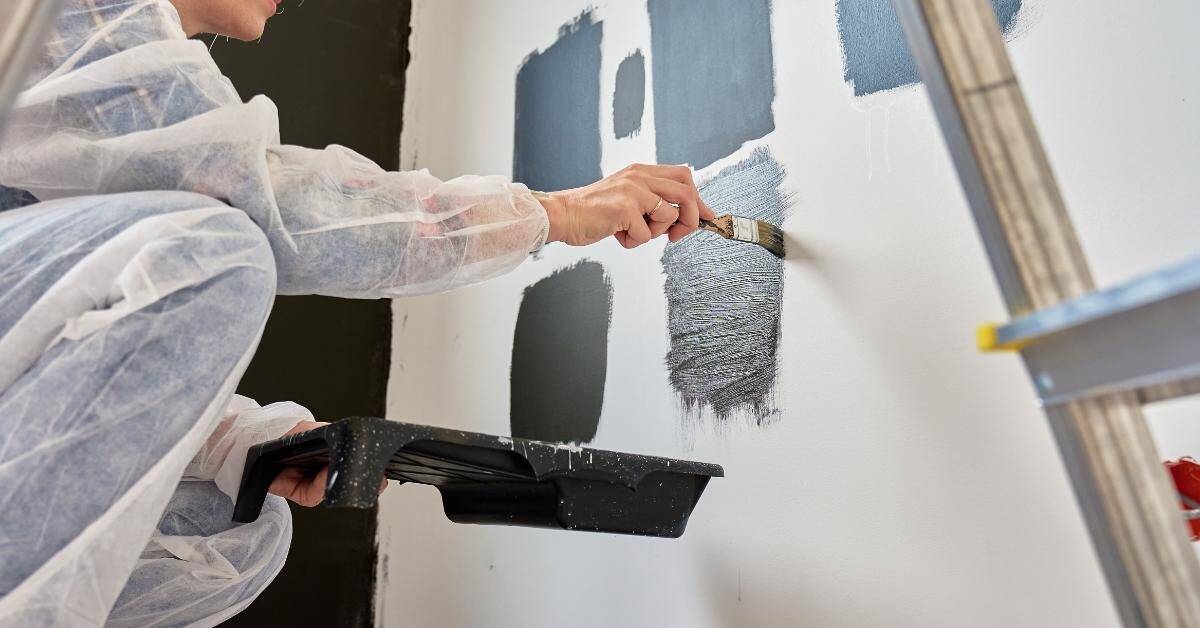
Techniques for Addressing Watery Paint
Finding watery paint can turn a fun painting project into a frustrating one. Luckily, there are great solutions to fix it. Here are some easy techniques to get your paint back to the right consistency, starting with a simple but effective method: thorough shaking and stirring.
1. Thorough Shaking and Stirring
If you have watery paint, start by shaking the container really well. This important step helps mix settled pigments and binders, giving you a smoother texture and getting rid of the watery look.
How to Shake Your Paint?
- Make sure the lid is on tight.
- Hold the container with both hands.
- Shake it vigorously for about 2-3 minutes.
When shaking, don’t just go up and down; try moving in circles too for better mixing.
If shaking doesn’t fix the problem, stirring can be a great backup. This method helps blend the separated parts back together, restoring the right consistency.
How to Stir Your Paint?
- Carefully open the paint can.
- Grab a clean stir stick or mixing tool.
- Stir slowly and thoroughly for about 2 minutes.
Use an up-and-down motion while scraping the bottom to mix in any settled pigment. Once everything looks even, you’re good to go!
Using these techniques before you start painting can really cut down on watery paint issues, helping you achieve a smooth application and an even finish. This small but important step is key for great results big part in achieving optimal painting.
The Importance of Shaking and Stirring Paint Containers
Shaking and stirring your paint containers is super important for a consistent texture. This process makes sure all the parts are mixed well, especially if the paint hasn’t been used in a while.
By following these tips, you can effectively handle watery paint. Remember, patience is important; if your paint still seems watery after shaking or stirring, let it sit for a bit before trying again.
With these simple steps, you can keep watery paint from ruining your excitement for painting!
2. Using Additives in Moderation
If shaking and stirring don’t give you the results you want, you might want to try using additives next.
Paint Thinner – A Careful Approach
If your oil-based paint is watery, a little paint thinner can help bring it back to the right thickness. Just be careful; too much thinner can make the paint even runnier.
- Start by adding a tiny bit of paint thinner.
- Stir well until you see an improvement in thickness.
- If needed, slowly add more until it’s just right.
Pay close attention to avoid making the paint too thin.
Thickening Agents – Your Paint’s Best Friend
Thickening agents can really help watery latex paints. Things like commercial paint thickener or hydroxyethyl cellulose can effectively make your paint thicker.
- Add a small amount of thickening agent to your watery paint.
- Mix thoroughly until you reach the thickness you want.
- If needed, gradually add more thickener until it’s just right.
Be careful, as using too much can cause problems like cracking or peeling when the paint dries.
Household Remedies – Cornstarch and Hairdryers
You might be surprised, but everyday items can also help fix watery paint.
- Cornstarch: This kitchen staple works as a natural thickener. Mix a little into your paint and stir until you get the right consistency.
- Hairdryer: Use it on a low setting to gently dry out some excess water from the paint, making it thicker.
Be careful with these methods; too much heat from a hairdryer can dry out the paint and cause cracks, while too much cornstarch might change the paint’s color.
Let it Rest
Sometimes, your paint just needs a little time. Letting watery paint sit in a well-ventilated area can help excess water evaporate naturally, thickening the paint without any additives or stirring.
Fixing watery paint might take more than just shaking and stirring. Using additives or household remedies can help restore your paint’s ideal consistency. Just remember to use moderation; overdoing it can hurt your painting project’s finish and look.
So, the next time you find watery paint, don’t worry! With these strategies, you’ll be ready to bring that runny paint back to life. Let’s keep exploring common painting challenges and how to solve them!
Recognizing When Watery Paint Should Be Avoided
Watery paint can be a real headache, and sometimes it’s best to avoid using it altogether. Ignoring the signs can lead to poor results and wasted effort. Here are some clear indicators that it’s time to ditch that watery paint and consider other options.
- Severe Separation: If the paint has separated into distinct layers that don’t mix back together easily, it’s likely beyond saving. This indicates a breakdown of essential components.
- Foul Odor: A strong, unpleasant smell can mean the paint has gone bad. This often happens with old or improperly stored paint and can affect the final finish.
- Inconsistent Texture: If the paint feels gritty or lumpy after thorough mixing, it’s a sign that the quality has degraded and it won’t apply smoothly.
- Excessive Dripping: When the paint runs off the brush or roller too easily, it’s too thin to provide good coverage and adhesion, leading to a patchy finish.
- Visible Mold or Mildew: Any signs of mold or mildew in the paint mean it’s unsafe to use. This can contaminate surfaces and pose health risks.
- Unusual Color Changes: If the paint color looks off or has changed significantly from its original shade, it might not deliver the desired results.
- Expired Shelf Life: Always check the expiration date. Using paint past its shelf life can result in compromised performance and finish.
Alternatives to Using Watery Paint
If you find your paint showing these signs, it’s time to consider alternatives. Investing in new, high-quality paint can save you from future headaches. If budget is a concern, look for sales or smaller quantities to fit your project needs.
Remember, using compromised paint can lead to more work and unsatisfactory results. It’s better to start with reliable materials to ensure your project turns out as planned.
Prevention and Long-Term Maintenance
To prevent watery paint, it’s important to understand what causes it. Once you know the reasons, you can take steps to stop these issues from happening again. Here are some tips to help you avoid watery paint and keep your painting supplies in great shape:
- Proper Storage Techniques: Always keep paint cans in a cool, dry place. This helps reduce the chances of separation and moisture buildup. Extreme temperatures or high humidity can change the paint’s texture. Using an airtight container for leftover paint is a smart move, as it helps keep the paint’s consistency over time.
- Regular Inspection and Cleaning of Painting Tools: Make it a habit to check and clean your brushes and other tools regularly. This keeps moisture from getting into the paint. A well-cared-for brush not only helps apply paint evenly but also extends the life of your paint.
- Check Expiration Dates: Before using any paint, check its expiration date. This simple step can save you from the hassle of dealing with watery or expired paint. Fresh paint usually has better consistency and gives you a nicer finish.
Maintaining Optimal Painting Conditions
Keeping ideal painting conditions is just as important as proper storage to avoid watery paint.
- Consistent Room Temperature: Try to maintain a stable room temperature while painting. Changing temperatures can affect the paint’s thickness, making it too thin and runny.
- Avoid Direct Sunlight or High Heat: Don’t paint in direct sunlight or very hot conditions. These environments can cause the paint to dry too quickly, resulting in a watery texture.
- Store Paint Properly: Just like wine needs the right storage, so does paint. Keeping your paint in a cool, dry spot will help maintain its consistency and prevent it from becoming watery.
It’s crucial to understand how temperature and humidity can impact your painting project. By managing these factors, you can ensure the paint stays at the right consistency for a smooth application and a great finish. Also, think about the type of surface you’re painting and the specific qualities of the paint you’re using.
Preventing watery paint means combining good storage practices, regular maintenance of your painting tools, and careful control of your painting environment. By following these tips, you can look forward to a successful painting project without any watery paint troubles.
Recycling and Repurposing Spoiled Paint
When paint goes bad, it can be tempting to just toss it out. But before you do, consider recycling or repurposing it. Spoiled paint doesn’t have to be a total waste. There are eco-friendly ways to deal with it that can benefit both your home and the environment.
- Check Local Recycling Programs: Many communities offer paint recycling programs. These services safely dispose of or repurpose old paint, keeping it out of landfills.
- Use as a Primer: If the paint is only slightly off, consider using it as a primer for less critical projects. It can be a good base coat for fences or sheds.
- Donate to Community Projects: Some schools, theaters, or community centers might accept old paint for art projects or set designs. Make sure to check their specific needs first.
- Mix with Other Paints: If the paint is still somewhat usable, mix it with other leftover paints to create a new color. This can be useful for projects where exact color matching isn’t crucial.
- Craft Projects: Use spoiled paint for small DIY crafts or decorative items. It can be perfect for projects that don’t require a perfect finish.
- Solidify and Dispose: If recycling or repurposing isn’t an option, solidify the paint by mixing it with cat litter or sawdust. Once solid, it can be disposed of with regular trash, following local regulations.
- Contact Hazardous Waste Facilities: For paint that’s completely unusable, reach out to your local hazardous waste facility. They can provide guidance on safe disposal methods.
Environmental Benefits of Recycling Paint
Recycling paint not only prevents harmful chemicals from seeping into the ground but also reduces the demand for new paint production. This helps conserve resources and lowers the carbon footprint associated with manufacturing new products. By choosing to recycle, you’re contributing to a more sustainable future.

Conclusion
Finding watery paint can be a bit frustrating, but knowing how to fix it can really improve your painting experience.
Luckily, there are a few simple tricks you can use to fix watery paint:
- Incorporating a Paint Thickener or Commercial Paint Conditioner: These special products are designed to make your paint thicker. They work by absorbing the excess water work great for improving the paint’s viscosity.
- Allowing for Evaporation: Take off the lid and let the paint sit for a few hours. This helps excess water evaporate, making the paint thicker.
- Ensuring Thorough Mixing: If your paint looks watery because it wasn’t mixed well, give it a good stir. This will help all the parts blend together nicely.
- Tip: Always do a small test patch before painting larger areas.
To better understand why paint gets watery, let’s look at some reasons:
- Component Separation: If the pigment and binder aren’t mixed properly, the paint can become thin.
- Paint Age and Quality: Even good paint can break down over time, resulting in a watery texture.
- Improper Storage Conditions: Paint that’s kept in extreme temperatures or direct sunlight might lose its ideal thickness.
- Natural Characteristics of Certain Paint Colors: Some colors are naturally thinner because of how they’re made.
Doing a painting project isn’t just about picking the right color; it’s also about knowing how different paints behave in different situations.
Recognizing the signs of watery paint and knowing how to fix it is an important skill. This knowledge will save you time and cut down on frustration, leading to a great finish for your project.
By keeping these tips in mind, you’ll be ready to tackle any paint consistency issues, resulting in a beautifully smooth and even application.
FAQ
Can I still use watery paint if I mix it well?
Using watery paint can result in poor adhesion and uneven coverage, so it’s important to fix the underlying issue before you start painting.
What should I do with leftover paint that has become watery?
If the paint is still usable, you can try thickening it with a paint conditioner. However, if it remains too soupy, it’s best to dispose of it properly.
How can I tell if my paint is still good before starting a project?
Check for a consistent texture and smell, and make sure it hasn’t separated or dried out to determine if it’s still usable.
Should I invest in higher-quality paint to avoid watery issues?
Choosing higher-quality paint often means better formulation and longevity, which can help prevent watery paint problems.